
SC worsens from moderate to severe drought status despite rainfall
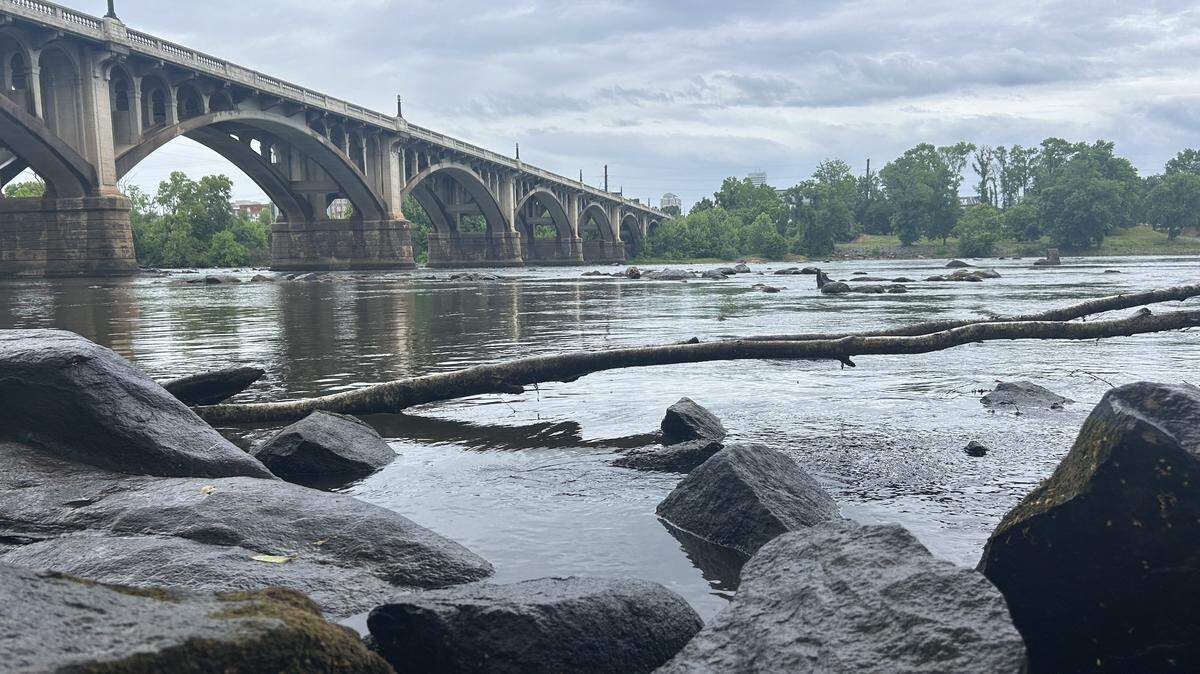
The Columbia, Charleston and Myrtle Beach areas have had one of their driest Aprils in state history. Farmers are taking the brunt of it.
The South Carolina Drought Response Committee met Thursday morning to discuss the state’s drought status, now severe. This month’s data shows that it will take months of above-average rainfall to return to normal, the committee said.
Committee member Lynn McEwen said that the current precipitation level is “not enough. It’s not near enough. And the public generally does not know that.”
But it can be difficult to see the drought’s impact in urban areas. The most visible signs appear in South Carolina’s agricultural communities.
“I would say that this has been the driest that I’ve ever seen in my 50 years,” soil and water conservation expert Marion Rizer said of the southern region.
Planting in the southern farming region has stopped entirely since the committee last met at the beginning of April.
The Department of Agriculture’s Sam Quinney said farmers have been struggling for even longer.
“We’ve had very little germination on dry land,” Quinney said. “Our corn crops are pretty behind where they normally are. Our hay crops are behind from a livestock standpoint.”
The state’s agricultural economy could be hit hard if farmers still can’t plant their fall crops, which should already be in the ground, Farm Service Agency member Brandon Waldron said.
“They’re waiting for moisture,” Waldron said. “Fall-planted crops are going to come to a place where many producers won’t harvest them at all because their yield is going to be zero.”
The state has already put aside relief funds for farmers. But agriculture makes up a large part of the South Carolina economy, and if soil moisture remains low, planting for the fall could be halted.
It will take weeks or months to get out of the drought, state climatologist Hope Mizzell said. And it could take even longer for farmers to get back to where they were.
The state expects one to two inches of rain south of Interstate 20 on Saturday.
But to offset the agricultural damage from the drought, it is “going to take a real pattern change,” Mizzell said.