
Restoring voting rights is Illinois voters’ business — not the Board of Elections’
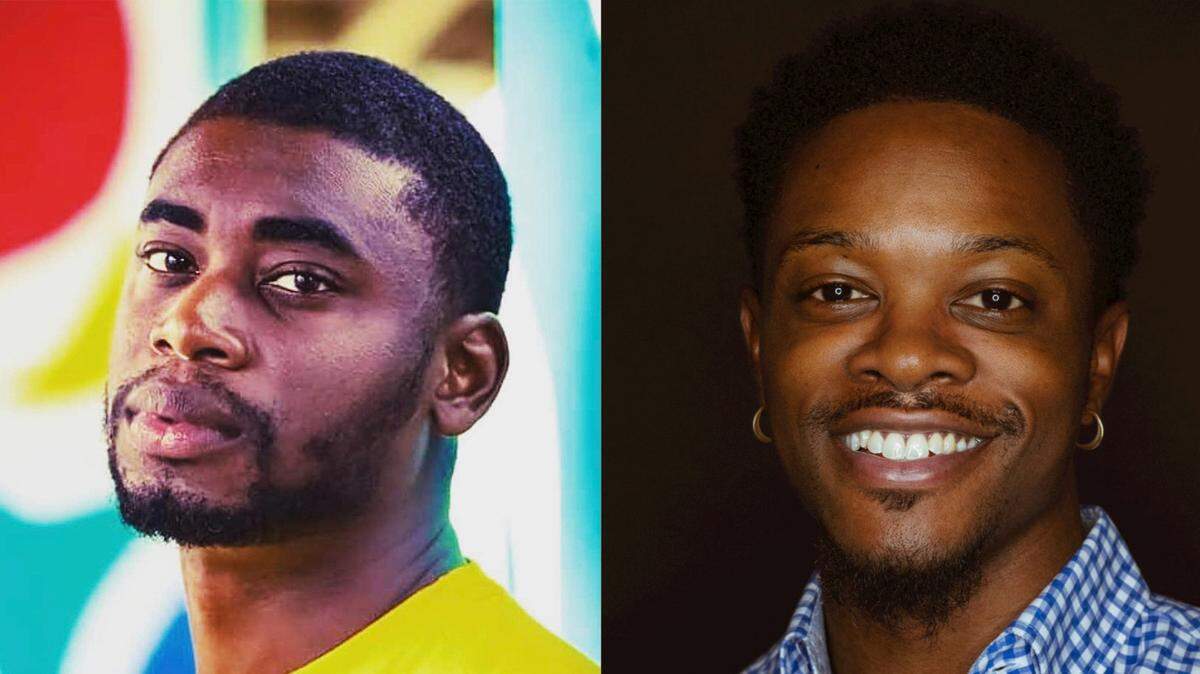
At age 14, Brian Harrington was convicted and sentenced to prison as an adult. Over the course of his 13 years of incarceration, Harrington watched as juvenile justice legislation repeatedly came before lawmakers and consistently failed to pass. As an incarcerated individual, he knew that his letter-writing outreach would only go so far, and because he was unable to vote, Harrington was unable to hold elected officials accountable to hearing his needs.
Those of us who are incarcerated do not leave our humanity at the prison gate. We bring with us the need to represent our children, our aging parents, our communities and ourselves to lawmakers who still wield great power over our lives. Right now, Illinois has the opportunity to set an example for the rest of the country on voting rights, and state lawmakers should take this chance to act with humanity and restore the right to vote for people incarcerated in Illinois prisons.
After all, citizenship does not stop at the prison gates. Neither should the right to vote.
But there is a quiet crisis of corruption and power unchecked that is keeping the bill to restore voting rights from moving forward. In May, on the final day of the regular legislative session, the Illinois State Board of Elections issued an advisory opinion proclaiming the bill unconstitutional and urging elected officials, from Gov. J.B. Pritzker to legislators in Springfield, not to pass the bill.
The board is an eight-person body, all appointed by Gov. Pritzker. Of the eight members, the majority of members are older, white men. Truth be told, the board’s interference in the restoration of voting rights for incarcerated Illinoisians is a devastating case study in institutional racism and ineffective government.
Felony disenfranchisement laws are Jim Crow era relics, explicitly designed to deny voting rights to Black people. To this day, Black and brown people are still disproportionately impacted because communities of color remain overpoliced, underserved by the state, disproportionately arrested, disproportionately convicted of crimes, and sentenced more harshly than white Americans. As of December 2019, roughly 38,000 people were experiencing incarceration in Illinois. While only 15% of Illinois residents are Black, 55% of those in prison are Black.
What’s more, the board of elections does not even have the authority to weigh in on the constitutionality of legislation. In fact, in 1987, then-Attorney General Neil Hartigan sent a notice to then-board chair Richard Cowan instructing the board to stop issuing advisory opinions and other interpretations of the state election code. In his notice, Hartigan warned the board that the board is granted no general statutory authority to issue administrative interpretations of the election code. More importantly, Hartigan noted in the memo, an administrative agency like the board cannot extend its substantive powers through the exercise of its rule-making power. By issuing advisory opinions about this bill to restore voting rights, the board has once again overstepped its bounds and attempted to establish itself as a state-wide legal advisory on the provisions of the election code. Today, Hartigan serves Gov. Pritzker as a senior adviser — meaning the governor himself likely knows that the board of elections has no authority to issue advisory opinions on the constitutionality of S.B. 828.
These numbers and historical anecdotes tell the truth about the political theatrics hamstringing the rights restoration movement in Illinois: A handful of powerful, predominantly white men — appointed by yet another powerful white man — are overstepping their authority and trying to kill the chance to restore voting rights for thousands of predominantly Black and brown Illinoisians currently incarcerated in prisons across the state.
It is the Board of Elections’ obligation to remain neutral on this bill. But, everyday Illinoisians still have the power to decide this bill’s fate. Voters can contact their representatives in Springfield and tell them to vote “yes” on restoring voting rights for incarcerated Illinoisians.
The state legislature is now in special session, and lawmakers will have the chance to vote on S.B. 828. The fight to restore voting rights and equal participation in our democracy to incarcerated Illinoisians began as a fight for racial equity, and the movement to welcome more voters to our democracy is in the hands of those who can already vote in our great state — no one else’s.
This op-ed was co-authored by Brian Harrington of Chicago Votes and Reggie Thedford of Stand Up America. Harrington is a formerly incarcerated advocate for rights restoration in Illinois with Chicago Votes. Thedford is an attorney with a national voting rights group who has been working alongside Harrington to restore rights for incarcerated Illinoisians.
This story was originally published October 26, 2021 at 2:00 PM.