
Why Pedestrian Accidents Can Be Devastating for Children
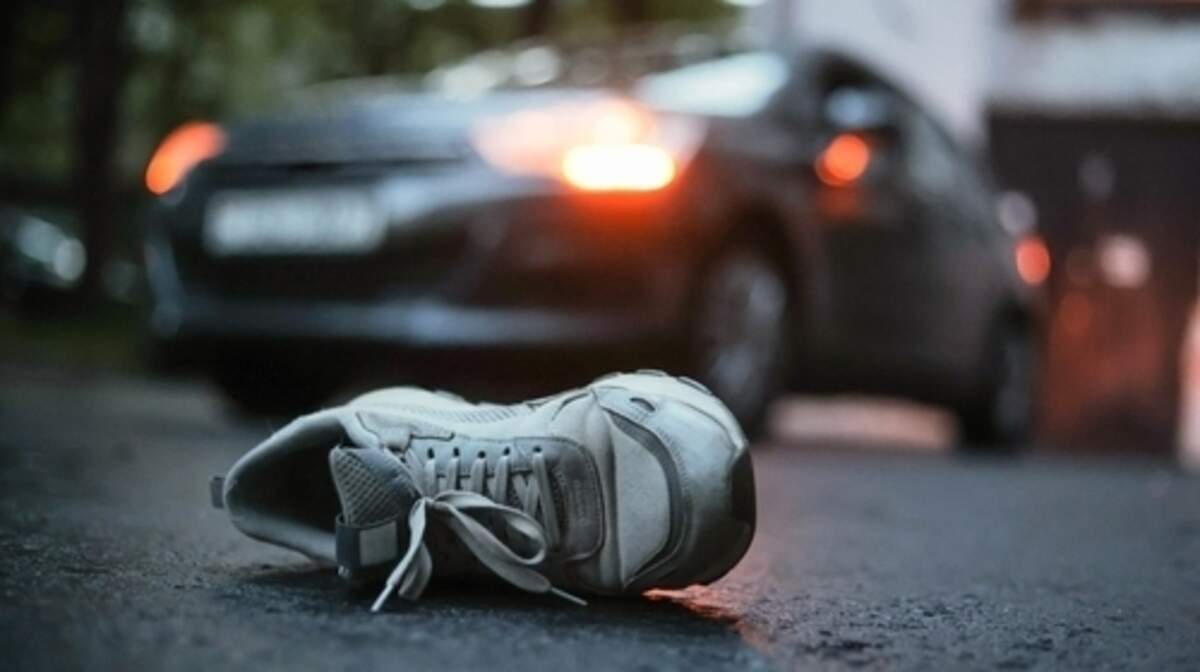
When children walk on sidewalks or cross the street, they are at risk of serious harm when drivers act negligently and cause pedestrian accidents. Children’s bodies are still developing, their movements can be less predictable, and they are often harder for drivers to see. A moving vehicle can cause devastating harm to anyone on foot, but the risks are often greater for children.
Because a child is smaller and lighter than an adult, the force of an impact can affect more of their body at once. Instead of hitting mainly the legs, a car may strike a child’s chest or head directly, leading to more serious internal injuries and head trauma.
At the same time, children often do not perceive risks the same way adults do. They may not understand how fast vehicles are traveling, or they may dart into the street unexpectedly. Their smaller stature can make them less visible behind parked vehicles, bushes, fences, and other visual obstructions.
How a Child’s Body Can Be Affected After Being Struck by a Vehicle
Pedestrian accidents involving children can cause a wide range of injuries, including.
Head and Brain Injuries
When a child strikes the hood of the vehicle, the windshield, or the pavement in an impact, this can lead to skull fractures and traumatic brain injuries. These injuries may result in permanent disabilities or long-term developmental challenges.
Neck and Spinal Injuries
The sudden force of a collision can injure the neck and back. Damage to the spinal cord can interfere with a child’s movement, sensation and coordination. Even when a spinal injury is not permanent, recovery may involve extensive treatment, pain management and physical therapy.
Broken Bones and Growth-Related Problems
Children who are struck by vehicles may suffer fractures in the legs, arms, ribs, pelvis or other parts of the body. Some fractures may heal well with proper treatment, but others may affect children’s growth plates, limiting how their bones develop over time.
Internal Injuries
Damage to internal bodily systems can be especially dangerous, because they are not always obvious right away. A child may suffer damage to organs such as the liver, spleen, lungs or kidneys. Internal bleeding can become life-threatening. Chest trauma and abdominal injuries are common concerns in these accidents.
Facial Injuries, Cuts, and Soft Tissue Damage
A crash can also cause deep lacerations, severe bruises, dental injuries, facial fractures and damage to muscles or ligaments. These injuries may require stitches, surgery, or reconstructive treatment. In some cases, children may be left with permanent scars.
Why Pedestrian Accidents Happen
Child pedestrian accidents often occur when drivers fail to respond correctly to conditions on the road and protect the safety of children. They may involve issues such as:
Speeding in School Zones and Residential Areas
Speeding is one of the most dangerous factors in pedestrian accidents. In school zones, residential neighborhoods and other places where children are likely to be present, even a small increase in speed can reduce a driver’s ability to stop in time.
Distracted Driving Near Children
Distracted driving can be especially dangerous in school zones, when driving near parks and on residential streets. Because children are smaller and can be less predictable, drivers need to pay close attention in areas where children are present. A driver who looks at their phone or engages in other activities may miss a child stepping into a crosswalk or moving between parked cars.
Failing to Look When Backing Out of Driveways
When a driver backs up without checking behind their vehicle, they may fail to notice a child on the sidewalk or in a driveway or nearby yard. Small children can easily fall into blind spots, especially behind larger vehicles.
Failure to Yield in Crosswalks
A driver who turns without checking for people in the crosswalk or fails to stop at a red light can place a child in danger. Children may assume that a marked crosswalk gives them complete protection. Unfortunately, that assumption can lead to disaster when a driver fails to yield.
Poor Visibility and Obstructed Views
Parked cars, large trucks, hedges, poor lighting, rain, and other conditions can make it harder for drivers to see children. Children may also enter the road from between vehicles, and they may only be visible at the last moment. This is just one reason why extra caution is so important in areas where children live, play or walk to school.
Addressing Harm to Children in Pedestrian Accidents
Pedestrian accidents involving children can result in severe injuries. In these situations, families will need to understand their legal options. An attorney can provide guidance on the steps they can take to obtain compensation that will cover the costs related to an injury and provide the resources the child needs as they recover.
This story was originally published April 8, 2026 at 7:00 AM.
