Mother Baltimore: City of champions

Let me tell y’all about a work email I received last year. It was sent on Saturday, November 28, three days after I published a story about residents in East St. Louis who wanted to bring more jobs to the area. In the email, the sender wrote:
I grew up in St. Louis. I always thought of E. St. Louis as a place I didn’t want to be, especially at night.
Well...what do ya know. I (am) now in South Africa. Not so different? Maybe. I feel very comfortable here.
Why this person decided my inbox was the best place for these thoughts I will never know.
I remember reading the email literally seconds after receiving it. It was in the morning, and I was at the gym. I wasn’t working that day, and yet I still felt the need to look at work emails (I’m doing better at not doing this, thanks to a new phone I only use for work). I think I was also in the middle of my workout. I’m usually eager to read comments from sources, but the email was so aloof from what I thought it would be. I wasn’t upset or sad. I was just mainly confused. I didn’t, and still don’t, understand why East St. Louis was being compared to a country and why the sender felt they should let me know they were currently living in that country. Was it because the two places have become synonymous with Black and I’m the Black communities’ reporter? More than likely.
Regardless of the reasoning, I simply don’t care because the East St. Louis that I know and am still learning about is not the East St. Louis that was alluded to in that email. In the words of Mariah Carey, “I don’t know her”.
The East St. Louis that I know is filled with people wanting to make effective changes within their community. That’s what it should be defined by instead of the violence with which the city is unfairly associated. And that’s all that needs to be said.
Have a story tip or just want to talk? Contact me at 618-239-2624 or dsutgrey@bnd.com.
Since January, the BND has hosted listening sessions with Black residents in southwestern Illinois in an effort to improve our coverage of those communities. Our next one is on Tuesday, June 8 at 6 p.m. via Zoom. Click this link to RSVP.
Now, here’s the latest news in the metro-east, including in East St. Louis, the city of champions:
Here are the department leaders and their salaries for southwest IL’s newest town
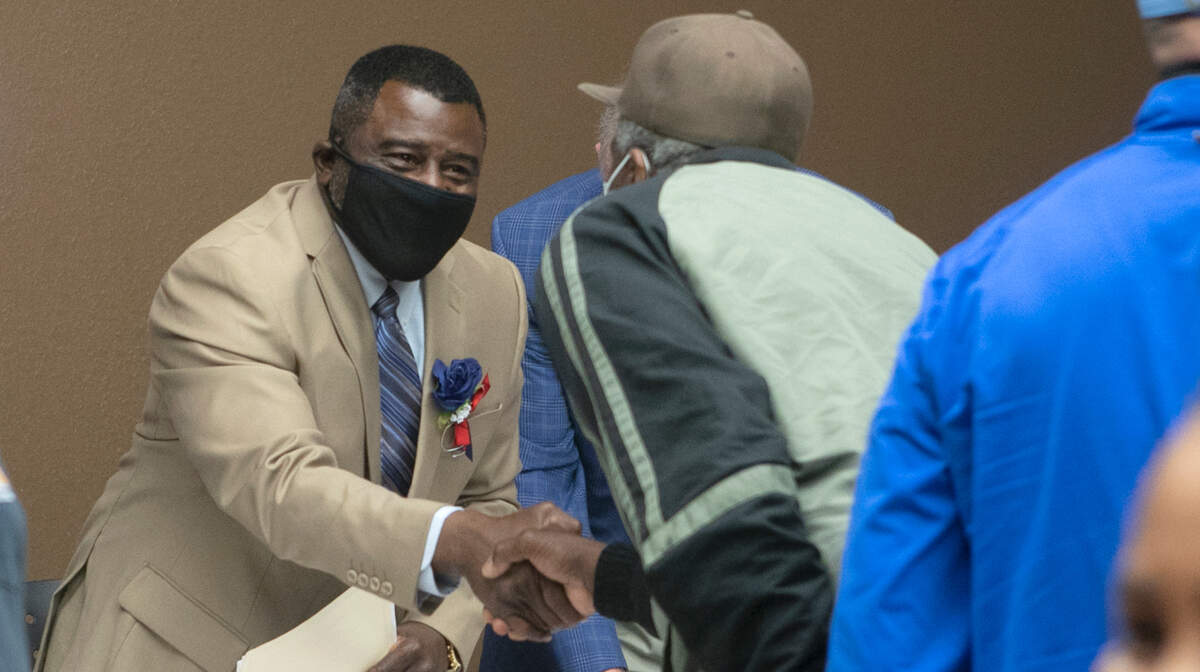
Want to know who are the newly appointed department heads for Cahokia Heights? This piece by BND reporter DeAsia Paige has you covered. You’ll also find out how much they make and learn why a resident is disappointed about a former mayor’s new position.
More on Cahokia Heights:
New leaders take office, tighten budget as life begins in southwest IL’s newest town
What’s next for the newest town in southwest Illinois? Here’s what its first mayor says
Southern IL Black residents say their Black lawmakers ignore their views on energy bills
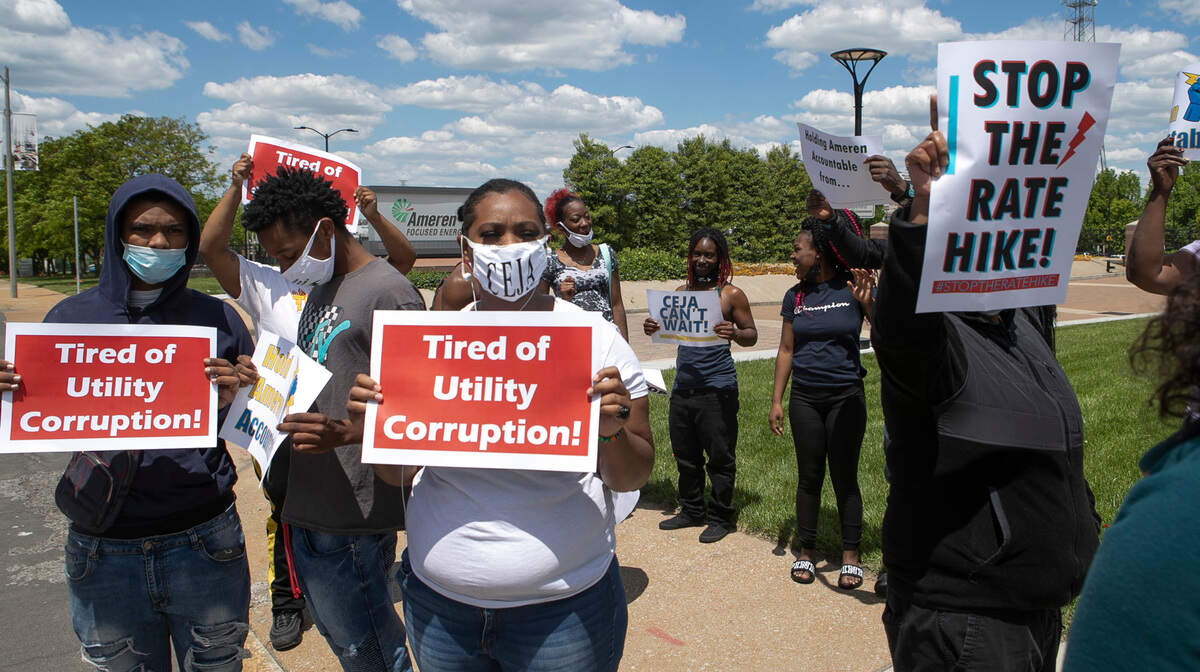
BND statehouse and politics reporter Kelsey Landis wrote about Black residents in the metro-east calling out Rep. LaToya Greenwood (D-East St. Louis) and Sen. Chris Belt (D-Cahokia Heights) for backing the Downstate Clean Energy Affordability Act (SB 311/HB 1734), which is supported by Ameren. Last week during a protest, environmental groups in the area, who are advocating for the Clean Energy Jobs Act (SB 1718/HB 804), criticized the lawmakers and the NAACP for not listening to the needs of the community.
More on energy bills:
Lawmakers are considering two clean energy bills. Which one is better for southern IL?
Illinois Gov. JB Pritzker’s energy proposal gets first legislative hearing
This East St. Louis native helps Black people in Minnesota heal from police trauma
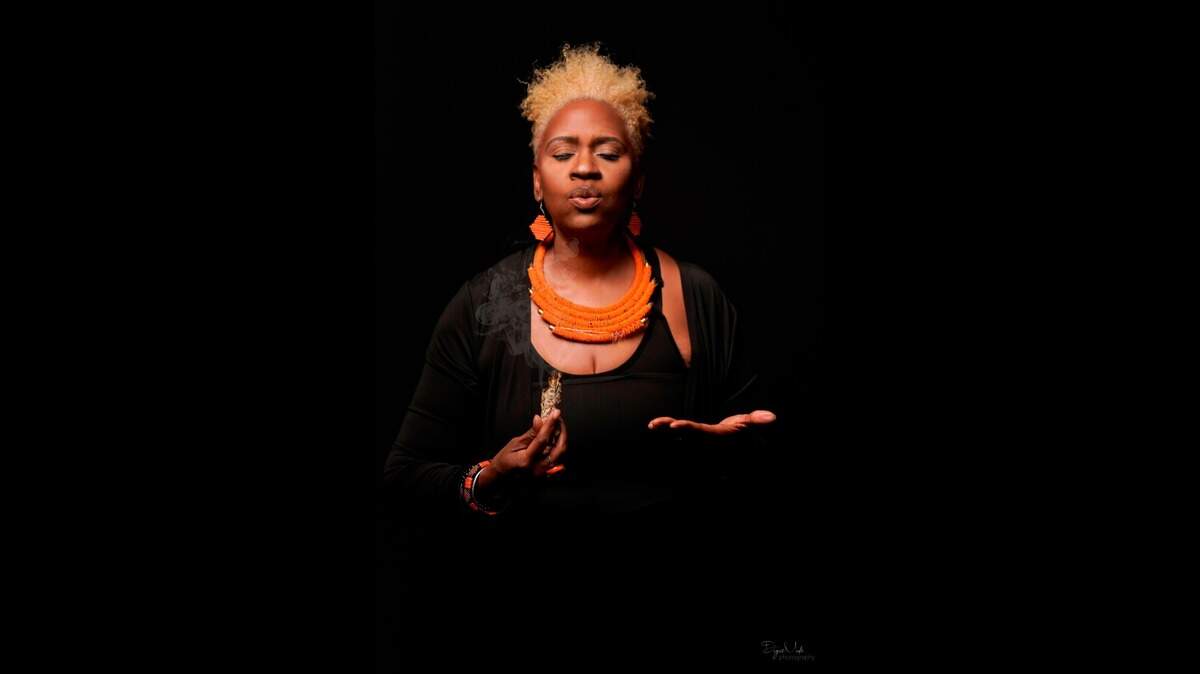
BND reporter DeAsia Paige talked to Dr. Joi Lewis, a healing justice advocate who has helped Minnesota’s Black community heal from the past year. In this Q&A, Lewis talks about her current work, her East St. Louis upbringing and how the support she received in her hometown led to her efforts today.
More on social justice in the metro-east:
Black Lives Matter returns to Belleville, and activists say efforts have expanded
Families come together to seek justice in Stop the Violence rally in East St. Louis
What to watch
The Underground Railroad
Critically-acclaimed director Barry Jenkins (“Moonlight”, “If Beale Street Could Talk”) is back with a limited series that’s based on the Pulitzer Prize-winning Colson Whitehead novel of the same name. While shows and films depicting slavery and current racial injustices have missed the mark in connecting with Black audiences, “The Underground Railroad” has been praised for seamlessly combining current issues with the past. Don’t believe me? See for yourself. The series premiered on Prime Video on May 14.
What to read
The Joy of Black Hair
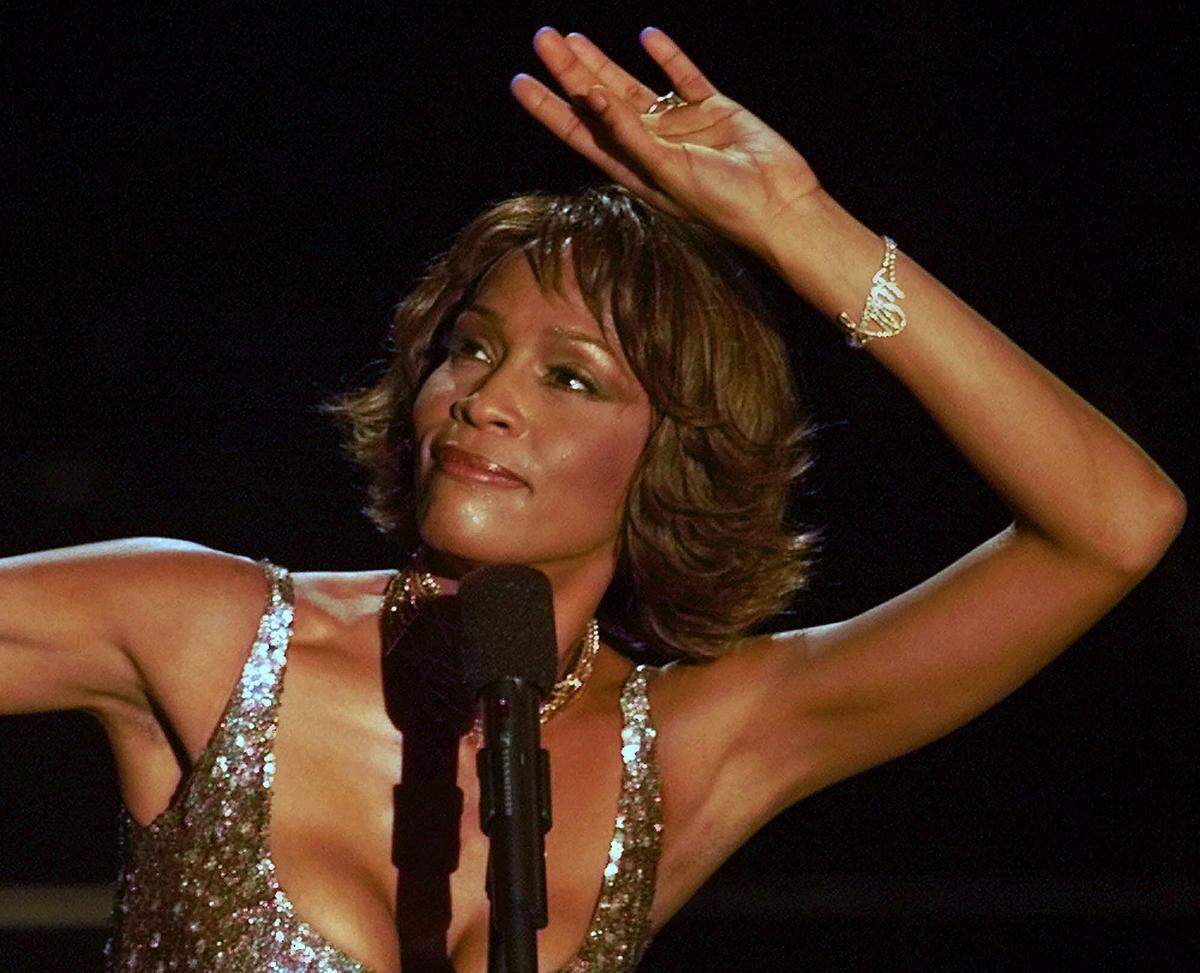
In this beautifully written and well-sourced piece for The New York Times Style Magazine, Sandra E. Garcia makes an ode to Black hair and all of its iconic, trend-setting styles. Garcia illuminates how Black hair has been a form of empowerment and resistance for Black women living in a society that constantly stifles them (and she even gives readers a cute Whitney Houston anecdote). I LOVE this passage:
She might wear long chocolate strands with a deep side part like Aaliyah one week, then get an edgy blonde asymmetrical bob like T-Boz from TLC the next. Wearing a weave meant there was nothing to forsake, nothing to commit. Life had possibility, and weaves gave women the freedom of self-invention and reinvention. Black women were no longer tethered to what society had prescribed for them.
That’s all she wrote!
That completes this week’s edition of Mother Baltimore. I hope y’all enjoyed reading just as much as I enjoyed writing it. Talk to y’all in two weeks!
Did someone forward this newsletter to you? You can sign-up for Mother Baltimore here. If you’d prefer to unsubscribe from this newsletter, you can do so at any time using the “Unsubscribe” link at the bottom of this message.