A whisper below .500, the Cardinals stumble toward a new era of leadership
If a weekend spent watching the St. Louis Cardinals be swept off the field by the New York Yankees had the vague air of senioritis about it, imagine how it felt from the dugout, navigating a two-man bench under the auspices of one of the summer’s most oppressive infernos.
It’s not quite that simple, of course.
The Cardinals were prepared to give Willson Contreras and Brendan Donovan every opportunity to run out the clock on their respective minor injuries, believing and accepting that the risk of keeping them out for even one game longer than was strictly necessary would be worse than keeping their potential replacements on the roster for more than the mandatory minimum.
Contreras rejoined the lineup on Monday in Miami and Donovan found himself placed on the injured list, so the respective gambles landed at the .500 mark. If that mark is echoed in on field results for the season’s remaining six weeks, they’ll hit the finish line just a whisper below a break even season, which could be acceptable if they otherwise accomplished their stated goals of using the year to learn more about the full complement of players on the cusp who were the designated recipients of 2025’s extended runway.
In some cases, that goal has been achieved. It may not be true in all of them, but that’s going to have to be enough.
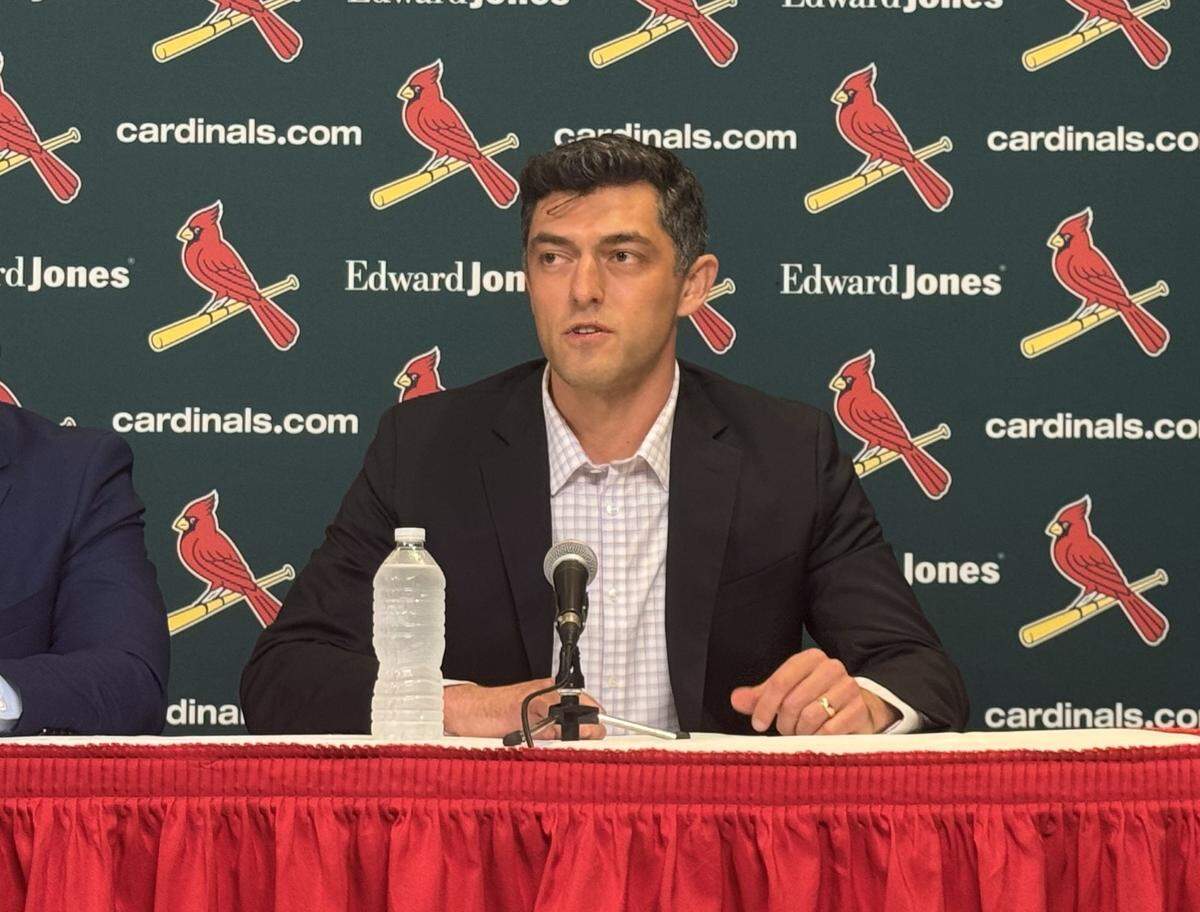
The most important thing departing president of baseball operations John Mozeliak could have done with this season is maximize the transaction window available to him in order to set up a clear path for his designated successor, Chaim Bloom, to arrange his organization in whatever way he saw fit. It was clear by the beginning of March that he would not achieve that goal, and the reverberating roster jams have all more or less been fruit of that insufficiently planted tree.
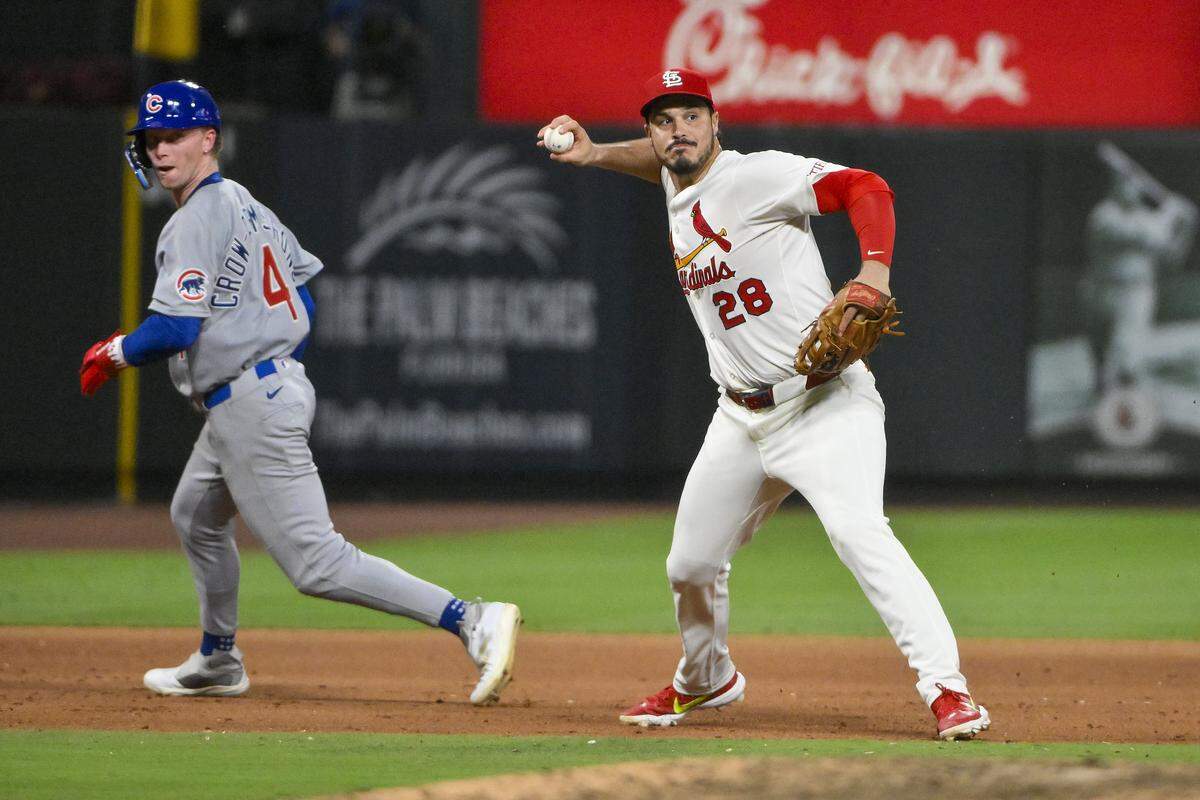
In fairness to Mozeliak, he negotiated a trade agreement around Nolan Arenado with the Houston Astros, a team the third basemen identified as an acceptable destination. Once Arenado revoked that permission, though, the organization seemed gobsmacked, willing and able only to be played as a stalking horse by the Boston Red Sox in their spring pursuit of Alex Bregman.
No other Arenado deal seemingly got close at any time after he said no to the Astros, and as his performance has continued to falter throughout arguably the worst offensive season of his career, Bloom has been left with one task to achieve which will have the dual impact of monopolizing his time and magnifying discontent from a cranky fan base when the inevitable divorce plays out.
It’s impossible to say whether a different executive would have been more successful at moving on from a complicated contract, or whether there are some particulars about Mozeliak’s personality and method of doing business that prevented him from getting through to either his player or his peers.
What’s inarguable, though, is that a team which desperately needs to capture all of its watching eyes and point them at the future will instead first have to deal with a looming figure whose biggest successes are in the past but casting a substantial shadow over that future.
That’s more or less why Mozeliak’s final weeks in his current job have to be spent applying the Hippocratic oath to baseball management; first, he simply must do no harm. There can’t be worse scrapes for Bloom to escape or unnecessarily complex puzzles to solve that haven’t already established their organizational origins. There are any number of complicated decisions which could be made in August and September, and Mozeliak’s job is to avoid making any of them.
These things don’t happen in a vacuum, of course. Bloom is fully in the loop and undoubtedly put his fingerprints on the team’s deadline decisions. Still, there are some messes that lay just outside his grasp to prevent, and a team with games remaining on the schedule still has to be managed with care. The inherent tension which has been an inescapable part of the team’s unusual succession plan will only resolve when there’s only one boss in the building. The old boss was more than justified in taking what he saw as needed steps when there was a real short term path to consider, even if an unlikely one. Those odds are now unrealistically long and no longer a reasonable part of the daily calculation.
That tension is more or less why JJ Wetherholt’s continued presence at Triple-A Memphis, rather than in the majors, is defensible or even perhaps actively good. It’s why the particulars of 40-player roster machinations may be debatable, but don’t need to create an inescapable box. It’s why allowing Miles Mikolas to take the ball as often as possible over the team’s last 40 games is the prudent thing to do.
If there are people who have long screamed and scrambled for new voices in the room, then it’s important they concede those new voices should have every opportunity to do things right. For those who see rot and neglect lurking in the corners of the Cardinals organization, it’s difficult to understand why dramatic action in the last two months of a 216-month tenure would be something desirable.
Change is around the corner. A little senioritis isn’t always a vice. Sometimes, it’s just nice to get some fresh blood in the building, and it’s for the best that the building is standing when it arrives.