These candidates want to be the first leaders of southwestern Illinois’ newest town
Twelve candidates are running to serve in the first government of Cahokia Heights, including a challenger to mayoral candidate Curtis McCall Sr.
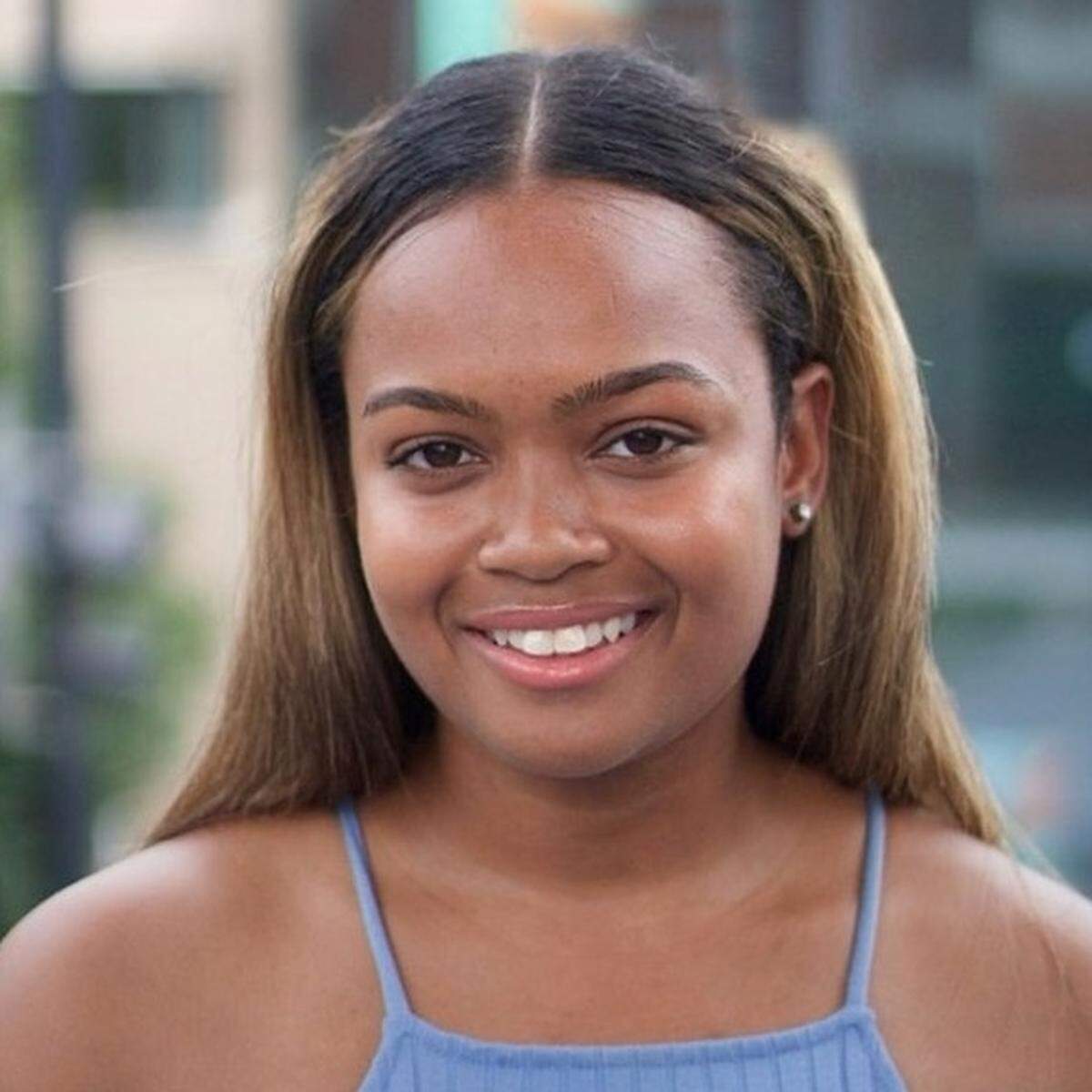
Tami Brooks, a longtime Cahokia resident, filed for mayor on Monday afternoon.
“It’s time to look out for my fellow citizens and residents that can’t help themselves and for their better interest,” Brooks said.
The filing deadline for candidates running for the April 6 municipal election was Monday. Positions for the new town include mayor, treasurer, clerk and eight aldermen.
The only contested race is for mayor, according to the filings.
Brooks is running as an independent. She said she hopes to create more employment opportunities for youth.
“I’m a mother, a housewife, and I stay involved in my kids’ education,” Brooks, 55, said. “I’m passionate about our young people’s education. I feel like our youth is our future, and that’s why I’ve been more focused on helping in that area with our school district.”
“I see we have this 18 to 26 demographic that, if they didn’t go on to college or to service, then they’re very lost, and that really bothers me. If I don’t do anything, I feel like I’ll be complacent, so I just feel like now is the time. I’m going to try and do my best.”
McCall announced his candidacy for mayor last week as a member of the New Vision party. McCall is Centreville Township supervisor.
All other candidates who filed are part of the New Vision party.
They are: Debra Duncan for clerk; Jan Scott for treasurer; and Tiffany Pearce, Lisa VanMeter, Sheree Jethroe-Franklin, Gloria Liddell-Ware, James Haywood, Tonie Townsend Sr., Gwen Mccallum and Demario Weeden for aldermen.
McCall Sr. said his decision to name his party “New Vision” aligns with the new formation of Cahokia Heights.
“We do have to have a new vision,” McCall Sr, ,58, said. “It can’t be the same old thing. I believe that there’s a proverb that says people without a vision will perish, and so we have been, for quite some time, lacking a vision, and I thinks that’s a trend for many Black communities, and not just ours.”
Better Together
The proposal to merge Alorton, Centreville and Cahokia, each with Black-majority populations, into one city called Cahokia Heights is a part of the “Better Together” campaign, a four-phase plan that was introduced to residents earlier this year.
The first phase was the consolidation of Alorton and Centreville, which was approved by voters in March. The second was the Cahokia Heights referendum, which was passed by voters on Nov. 3. The next phases include dissolving Centreville Township and adding Commonfields of Cahokia to the newly formed city.
Local leaders, including McCall, hosted informational meetings about the Cahokia Heights consolidation during the summer so that residents could learn more about the proposal. Similar meetings were held earlier this year for merging Centreville and Alorton. Some residents complained that they hadn’t received information about how much the consolidation would cost, which created doubt among some voters concerning the merger’s viability.
Brooks is among those residents. Her concern about the lack of transparency regarding the merger is another factor that motivated her to run for mayor.
“I was displeased with the lack of information about it, and we haven’t heard a word since then,” Brooks said. “No communication has come out outside of the three meetings that they held almost six months ago, so the lack of that communication about what’s going to happen is very disheartening as a resident in the community.”
Proponents of the merger have cited the cities’ decreasing population as the driving factor for the need to consolidate. For them, a boost in population could lead to more federal and state funding.
Within the past 10 years, Cahokia has lost about 9% of its residents, which is the steepest population decline among cities in St. Clair County. Additionally, more than 360 residents have left Centreville and about 100 have left Alorton in the past decade. About 31% of residents in Cahokia live below the federal poverty line, according to U.S. Census Bureau data. In Centreville and Alorton, about 50% percent of residents live below the poverty line.
Officials hope federal funding for Cahokia Heights will help fix failed infrastructure, like Centreville’s sewage issues. Residents in Centreville experience extensive flooding damage to their homes whenever there’s heavy rainfall, and have complained of minimal help from local government.
The issue has led to a lawsuit against the Centreville city and township governments and officials on behalf of two residents. McCall Sr, who’s a defendant in the lawsuit, said getting money to fix the flooding issues in Centreville is a top priority if he’s elected as mayor.
“There’s enough blame to go around,” McCall told the BND last week. “You can put blame on local leadership, including me. I think Black communities have been forgotten for several decades and Black voters must hold people that they vote for accountable, and as the mayor of the city of Cahokia Heights, I plan on doing that.”
Alorton, Centreville and Cahokia will officially merge to become Cahokia Heights after the April election.
BEHIND THE STORY
MOREWe want to hear from you
Help us cover East St. Louis, Cahokia, Centreville and surrounding communities by sharing your tips, questions and ideas. What issues are affecting your community? What stories would you like us to tell? What’s important to you? Please share your thoughts with DeAsia Paige at dsutgrey@bnd.com or 239-2500.
This story was originally published December 23, 2020 at 5:00 AM with the headline "These candidates want to be the first leaders of southwestern Illinois’ newest town."