Want a better job after COVID? St. Clair County might be able to help you get it.
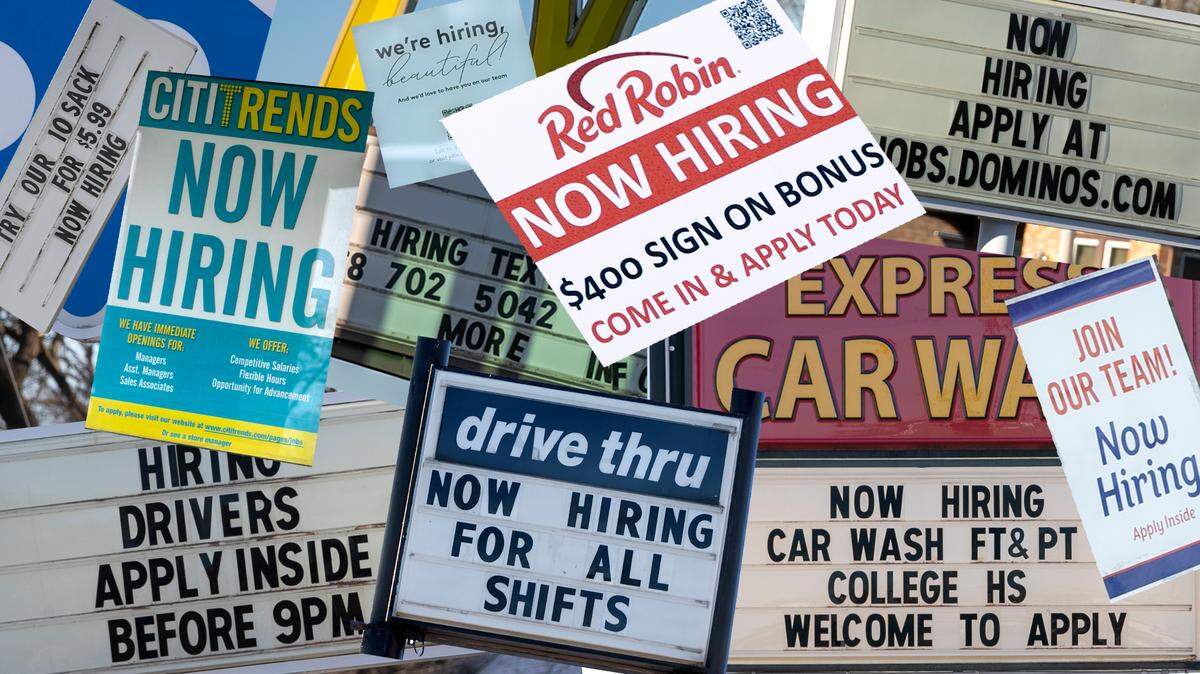
A common political argument revolves around whether to blame the current U.S. labor shortage in some industries on low wages, enhanced unemployment benefits or other COVID-19 factors.
But many experts believe the cause is less important than the need for people to start preparing for careers they want when the coronavirus pandemic is over.
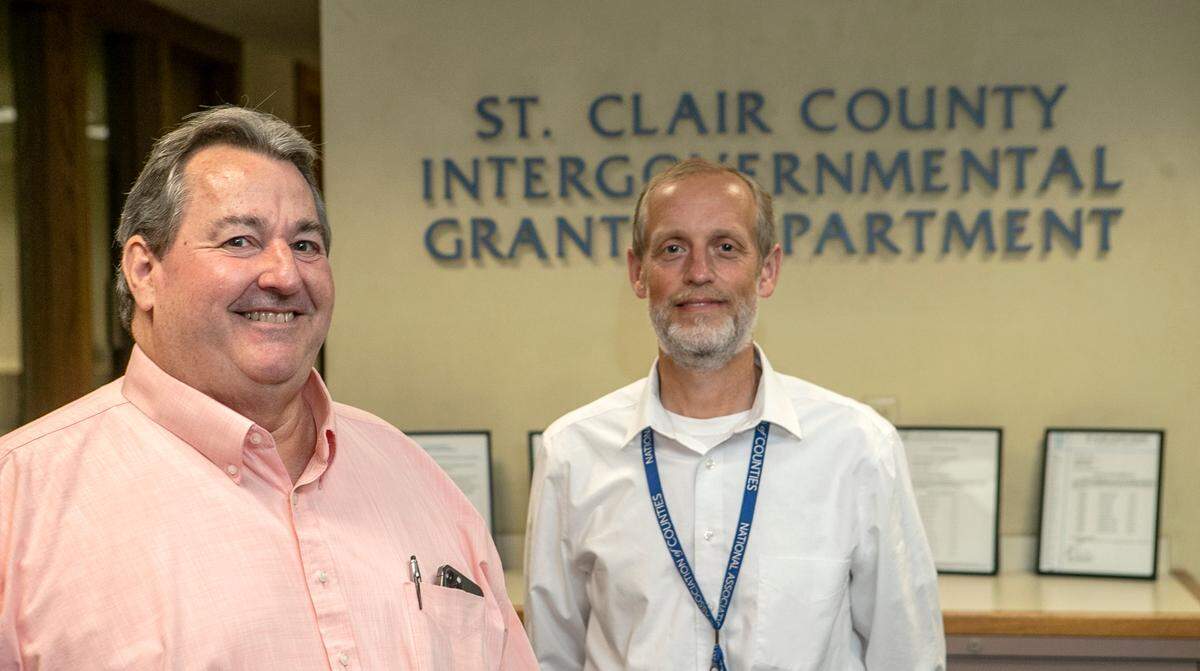
The St. Clair County Intergovernmental Grants Department has more grant money than usual to pay for education and job training in St. Clair, Randolph, Clinton, Monroe and Washington counties, said Matt Jones, who coordinates workforce-development programs.
“We have the funding,” Jones said. “We have the training opportunities. What we’re hoping to do now is make people aware of these services. It’s one of those best-kept secrets.”
The county receives about $3 million in state and federal workforce-development grants in a normal fiscal year, Jones said. That went up to $5 million in 2020-2021 due to COVID-19 relief and stimulus packages and other funds available to expand apprenticeships.
Grant money can be used to pay for tuition, books, equipment, tools, licensing fees and uniforms.
Fairview Heights Economic Development Director Paul Ellis is trying to spread the word about job-training opportunities as a way to help the city. Its restaurants, retail stores, hotels and other businesses have been hit hard by the pandemic and labor shortage.
“We made it through a harrowing and unprecedented time — that’s a given,” said Ellis, who also serves as marketing chairman of the MidAmerica Workforce Investment Board, which oversees county workforce-development programs in the area.
“But we’re not out of the woods yet. To really recover and get back to full productivity, we’ve got to have a workforce. We need enough people working to meet demand.”
Ellis noted that CALC Institute of Technology in Fairview Heights and Alton is offering two retail and hospitality training programs (one focused on technology and the other on customer service) that could be covered by grant money for eligible students.
‘Career pathways’
Each workforce-development grant has a different set of eligibility requirements, Jones said. Some are limited to low-income residents. Others target youths, laid-off workers or veterans transitioning from military to civilian life, along with their spouses.
In many cases, people can undergo job training while receiving unemployment benefits.
Most grants are geared toward high-growth fields that need workers, Jones said. That includes nursing and other health care, transportation, distribution, logistics and manufacturing.
“The whole idea behind all of our programs, especially in the past few years, is to find career pathways,” Jones said. “So if a youth or an adult comes to us needing services, we don’t just want to immediately find them a job and send them on their way.
“We want to ensure it’s a career that’s going to provide a pathway to self- and family-sustaining wages.”
That was one of several goals for McKayla Wright, 24, of Belleville, who reached out to the St. Clair County Intergovernmental Grants Department before COVID-19 hit.
The former Centreville woman was taking general-studies classes at Southwestern Illinois College in Belleville in 2018, when she qualified for grant money to complete its two-year nursing program.
“I made $8.25 an hour (as a SWIC student worker),” Wright said. “I was on food stamps. I didn’t have a car. I had to ride the bus everywhere, and we had to be at clinicals at 6:30 in the morning, so I had to get up at 3 to get dressed and be on the bus at 4:30 to get there on time.”
Grant money covered Wright’s tuition and books, allowing her to use her SWIC pay for rent and utilities.
Wright graduated in the spring of 2020, although commencement was canceled due to the pandemic. She now works as a nurse in the psychology unit at Gateway Regional Medical Center in Granite City.

Employer benefits
Workforce-development grants also can benefit employers by increasing the amount of skilled labor in the community, helping with recruitment and funding paid internships, apprenticeships and other on-the-job training programs, Jones said.
Some grants added to the mix by COVID-19 relief and stimulus packages helped businesses buy hand-sanitizer and other supplies and nonprofit organizations pay expenses to stay afloat.
Today, while extra funding is still available, the St. Clair County Intergovernmental Grants Department is stepping up efforts to reach out to people who want to improve their skills and marketability, go back to college or embark on a new post-pandemic career.
“The opportunity is now,” Jones said. “Not only do you not want to wait on those (unemployment) benefits to expire, it takes time. Making a career choice doesn’t happen overnight.”
Jones was referring to the fact that enhanced unemployment benefits made possible by federal relief and stimulus packages will expire in September in Illinois. About half of U.S. states, including Missouri, are ending them earlier to help with the labor shortage.
Many experts have blamed enhanced unemployment benefits for the labor shortage, which has impacted restaurants and retail stores most severely, arguing that some people can make more money staying at home.
Others have suggested that the problem is low wages. Still others point out that people with health complications may not yet be comfortable working in public places, given that less than half of the U.S. population has been fully vaccinated for COVID-19.
People who want more information about job-training opportunities in Local Workforce Investment Area 24 (St. Clair, Randolph, Clinton, Monroe and Washington counties) can call 618-277-3090 or email matthew.jones@co.st-clair.il.us.
Generally, the process starts with virtual group orientations and continues with one-on-one sessions with career specialists, Jones said.
The Metro-East Regional Chamber of Commerce and St. Clair County are sponsoring a virtual job fair for people seeking restaurant, retail or hotel jobs from 9 to 11:30 a.m. July 7-8. For more information, call 618-825-3254 or email to cynthia.layman@co.st-clair.il.us.
Editor’s note: This story was updated Sunday morning to reflect the fact that Paul Ellis is marketing chairman, not chairman, of the MidAmerica Workforce Investment Board. Richard Sauget Jr. is chairman.
This story was originally published June 19, 2021 at 6:00 AM.