Supporters at parole hearing reject ‘evil’ image of Alton woman who killed babies
Editor’s note: This story has been updated to report that Paula Sims was released from prison on Friday.
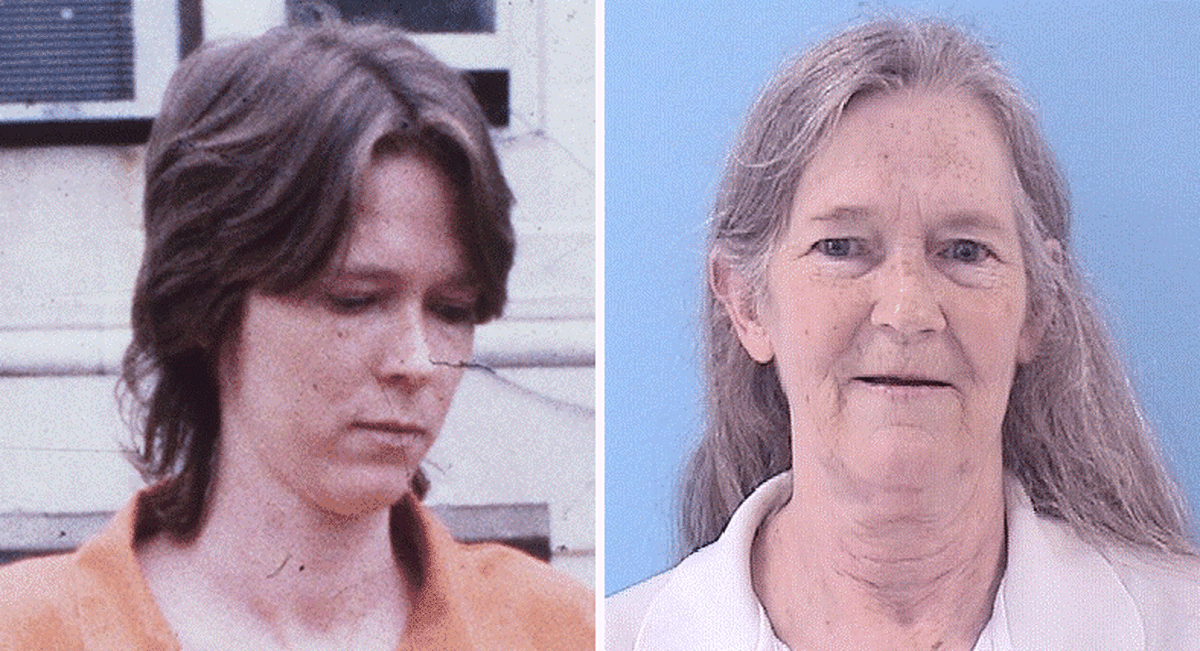
People have been using words such as “monster” and “evil” to describe Paula Sims since 1990, when the former Alton woman admitted to killing her two baby daughters, Heather and Loralei.
But the overwhelming sentiment at her parole hearing on Thursday was one of sympathy, warmth, even admiration.
About 25 people showed up to support Sims. The only opposition came from Madison County State’s Attorney Tom Haine, who didn’t attend the hearing but sent a letter to the Illinois Prisoner Review Board in August.
The audience sighed with joy, clapped and hugged when board members voted 12 to 1 to release Sims from prison.
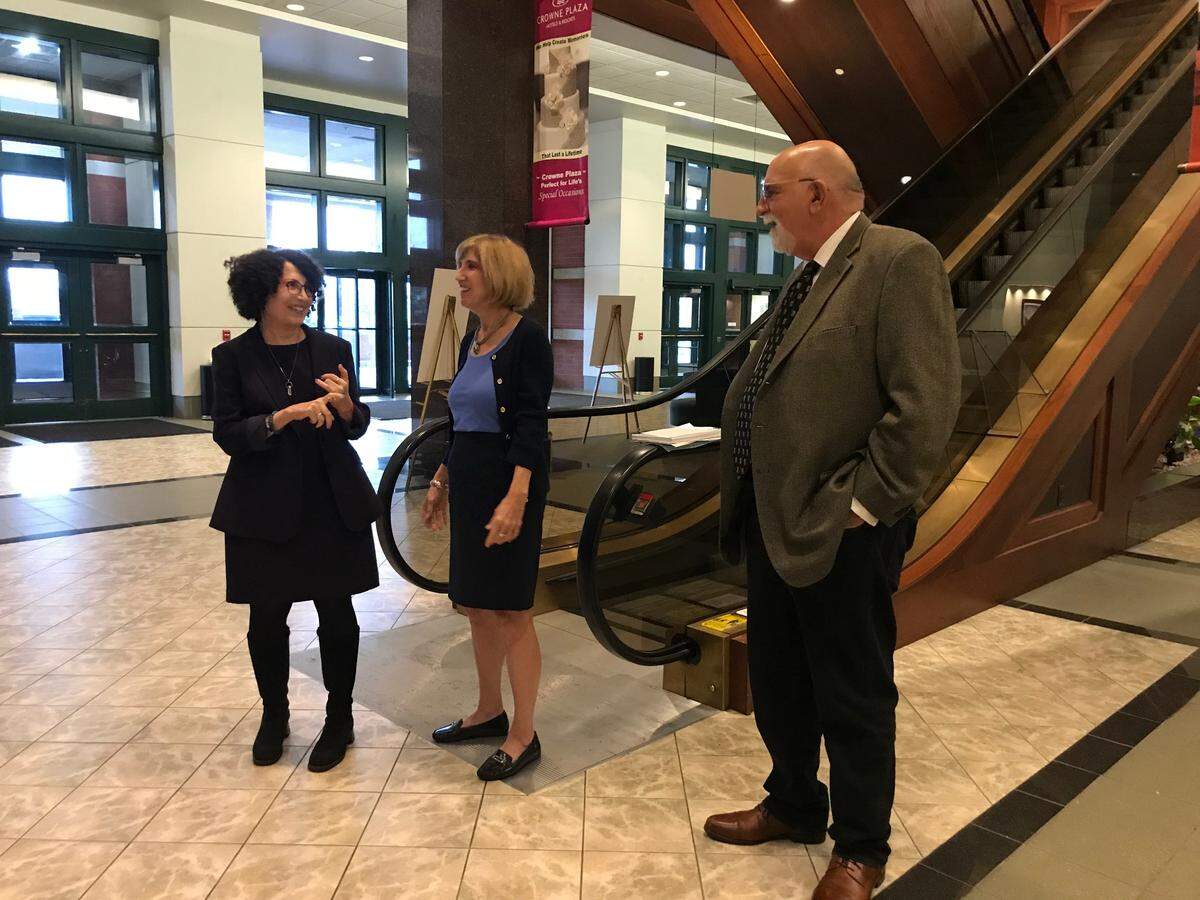
“You’ve got scores of people that care about you and love you,” said her longtime attorney, Jed Stone, in a phone call to Sims in the lobby of the Crowne Plaza Hotel in Springfield after the hearing.
“Paula, we’re so excited,” added Susan Feingold, one of two psychologists who testified that Sims committed the murders because she was suffering from postpartum psychosis, a rare mental illness that causes some new mothers to experience delusions, hallucinations and paranoia.
Illinois Gov. J.B. Pritzker commuted Sims’ sentence in March, making her parole-eligible for the first time.
Illinois Prisoner Review Board Chairman Craig Findley spoke in support of Sims just before the dramatic vote. He had visited her years ago while doing research for another case in which a mother killed a child.
“I found Paula Sims to be a very gentle and kind soul, someone who said, ‘I accept my fate. I understand that I will spend the rest of my life in prison,’” Findley said.
All that changed Friday. Sims was released from Logan Correctional Center, near Lincoln, about 4 p.m., Stone said.
According to her parole plan, she will live in Decatur with the owner of a publishing company — for whom she has been working as a book reviewer for years — and eventually hopes to become a dog groomer in Alabama.
Emotional presentation
Perhaps Sims’ most important ally at the parole hearing was Donald Shelton, the Illinois Prisoner Review Board member in charge of researching her case and making a presentation to the full board.
Shelton said he interviewed Sims at Logan Correctional Center last month, reviewed records from her trial, consulted psychologists and read three books on postpartum depression and psychosis, which experts say are caused by temporary chemical changes in a woman’s body after childbirth.
Shelton fought back tears when talking about one mother who jumped to her death from an eighth-story window and another who stabbed her children.
“Clearly, postpartum psychosis is real,” he said.
Shelton said Sims had an “outstanding” prison record, receiving only two “tickets” for non-violent incidents in more than 30 years and earning a long list of educational certificates, including one for dog grooming. She mentored other inmates and co-authored state legislation related to postpartum depression and psychosis.
“This woman has led as exemplary a life behind bars as can be led,” Stone added.
Shelton said the Illinois Prisoner Review Board had received many letters asking for Sims to be released from prison.
Shelton addressed Haine’s letter of opposition, calling it “entirely off-base.”
Haine had argued that Sims lied about her crimes for years to avoid punishment and confessed only after she was found guilty of murder and wanted to avoid the death penalty.
Haine characterized Sims’ request for clemency as a “shifting and far-fetched psychological story” that shouldn’t change the conclusions of jurors at her trial or the decisions of judges who handled appeals, petitions and other court reviews over the years.
“(Postpartum) depression is a difficult mental illness and complicated issue,” Haine wrote. “But in this case, Defendant’s claims about her psychological state from decades ago have been fully litigated and her life sentence maintained.”
Shelton said Haine’s argument was flawed because the outcome of Sims’ case likely would have been different today, given that psychologists better understand postpartum psychosis and that recent changes to Illinois law allow it to be considered as a mitigating factor in sentencing.
Tom Haine’s father, the late William Haine, was Madison County state’s attorney when Sims was charged with murder in 1989.
Husband’s role
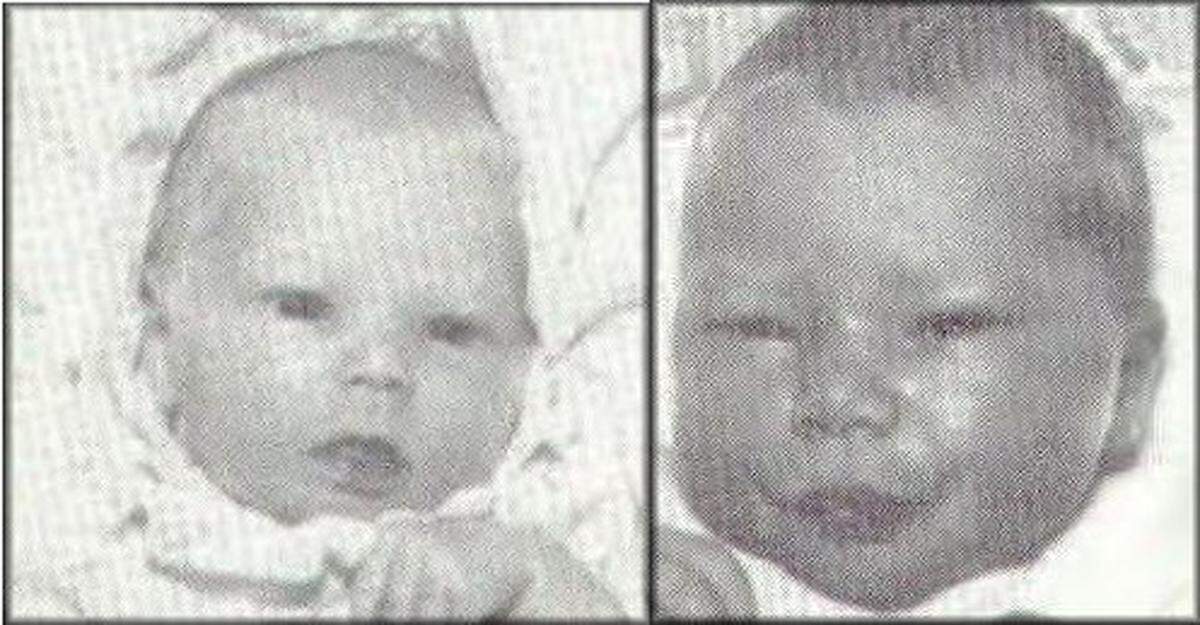
Paula Sims and her husband, Robert Sims, reported 6-week-old Heather missing from their Alton home on April 29, 1989. The baby’s partially-frozen body was found four days later, wrapped in a garbage bag and dumped in a trash can in a public park in West Alton, Missouri.
Three years earlier, 13-day-old Loralei’s skeletal remains had been found in a wooded ravine near the family’s former home in Brighton.
In both cases, Paula Sims told police that the babies were abducted by a masked gunman. In the second, she described being knocked unconscious for 45 minutes.
Sims’ trial in 1990 was moved from Edwardsville to Peoria because of intense publicity in the St. Louis region. The jury convicted her of first-degree murder, concealing a homicide and obstructing justice in Heather’s death. She later admitted to killing both babies.
Suffocation was considered Heather’s cause of death at the trial, but Sims later told a book author that she had allowed both babies to drown in their baths.
Illinois Prisoner Review Board members at Thursday’s hearing asked why Sims didn’t kill her baby boy, Randy, why she didn’t tell anyone about her mental problems and why no one noticed her psychotic behavior. That led to a discussion that put some responsibility on Robert Sims.
Stone and Diana Sanford, another psychologist who spoke at the hearing, said Randy actually was at risk, but that Robert Sims supported his wife more during that time because he favored boys over girls, helping Paula Sims to cope.
Sanford said Paula Sims was isolated from friends and family and that Robert Sims disapproved of her plans to seek mental-health treatment, prompting her to cancel an appointment with a psychiatrist.
“Her husband was very controlling and did not want her to speak with anyone about this,” Sanford said.
Paula and Robert Sims divorced soon after her murder conviction. Robert Sims, 63, and Randy Sims, 27, were killed in a Mississippi car crash in 2015.
‘Somebody I admire’
One of Paula Sims’ supporters at the hearing was Mark Sommars, 78, a retired mechanical engineer who lives in Peoria. He met her about 25 years ago at Dwight Correctional Center through a prison ministry.
Sims was transferred to Logan Correctional Center in 2013, when Dwight closed.
“I’ve seen her transformed and rehabilitated and become somebody I admire and somebody I think deserves a second chance in life,” Sommars said.
Another supporter at the hearing was Kelly Tracy, 50, a stay-at-home mom in Godfrey. She met Sims at Dwight, where both were incarcerated in 1992.
Tracy said she had been in trouble for theft, robbery and other crimes due to a drug habit and that she later gave up drugs, got her life together and raised four of her six children (the first two were adopted).
Tracy said Paula Sims was “humble and kind,” and Tracy couldn’t believe she was capable of killing her children until later, when Tracy found herself experiencing postpartum psychosis.
“The only way I was able to get through it was because of Paula and the awareness of her case and understanding what she went through — the hallucinations and mood swings and all of it.
“I’ve thought about her for 30 years. I’ve never met her (since 1992). I’ve never talked to her. But she made me feel that I wasn’t alone.”
Experts say postpartum psychosis occurs in one to two mothers per 1,000 who give birth and can cause them to hurt themselves or their children.
Stone is a Waukegan attorney who has represented Sims since the 1990s. He has submitted her pleas for clemency to past Illinois governors, as well as requests for a new trial over the years. All were denied.
Pritzker didn’t grant full clemency, but he commuted Sims’ sentence from life without parole to life with the possibility of parole.

This story was originally published October 29, 2021 at 11:45 AM.