After 30 years, Alton mother who killed her babies deserves mercy, attorney says
READ MORE
Paula Sims coverage
Here’s the BND’s coverage leading up to the parole hearing for Paula Sims:
Expand All
After 30 years, Alton mother who killed her babies deserves mercy, attorney says
Alton woman who killed infant daughters granted parole by Illinois Prisoner Review Board
A timeline of events leading to the conviction of an Alton mother who killed her babies

Parole hearing today for Alton mom who killed babies. Here’s a look back at her trial
Madison County state’s attorney opposes Paula Sims’ parole. Here’s his letter to the board
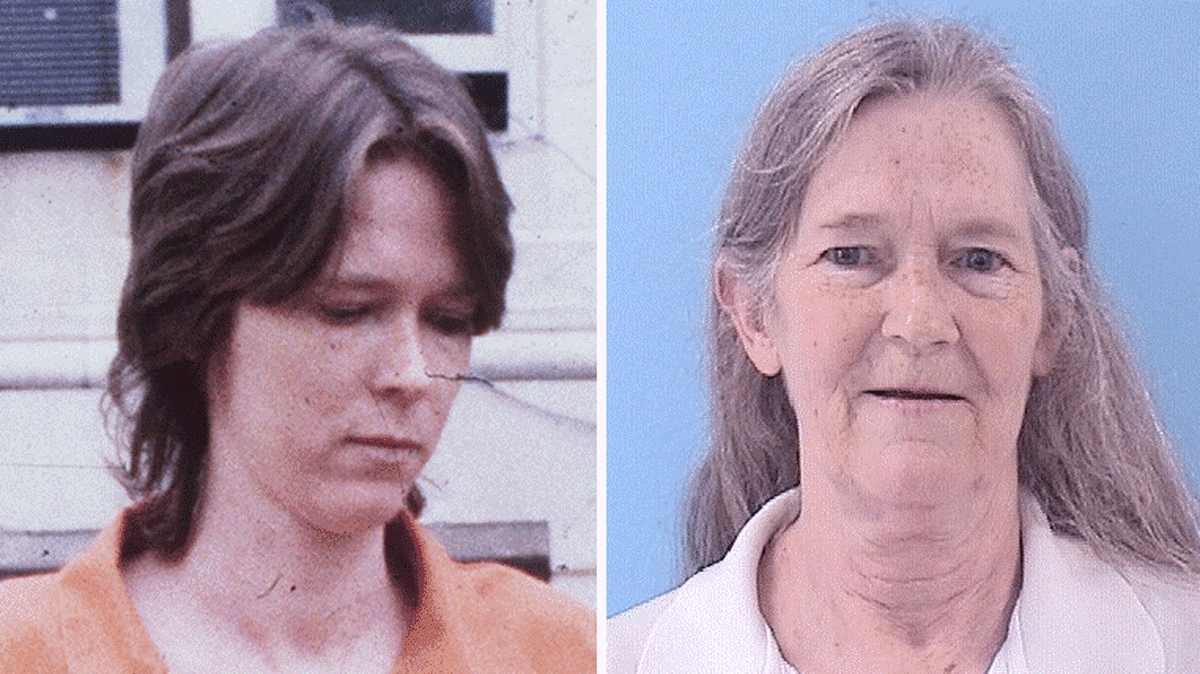
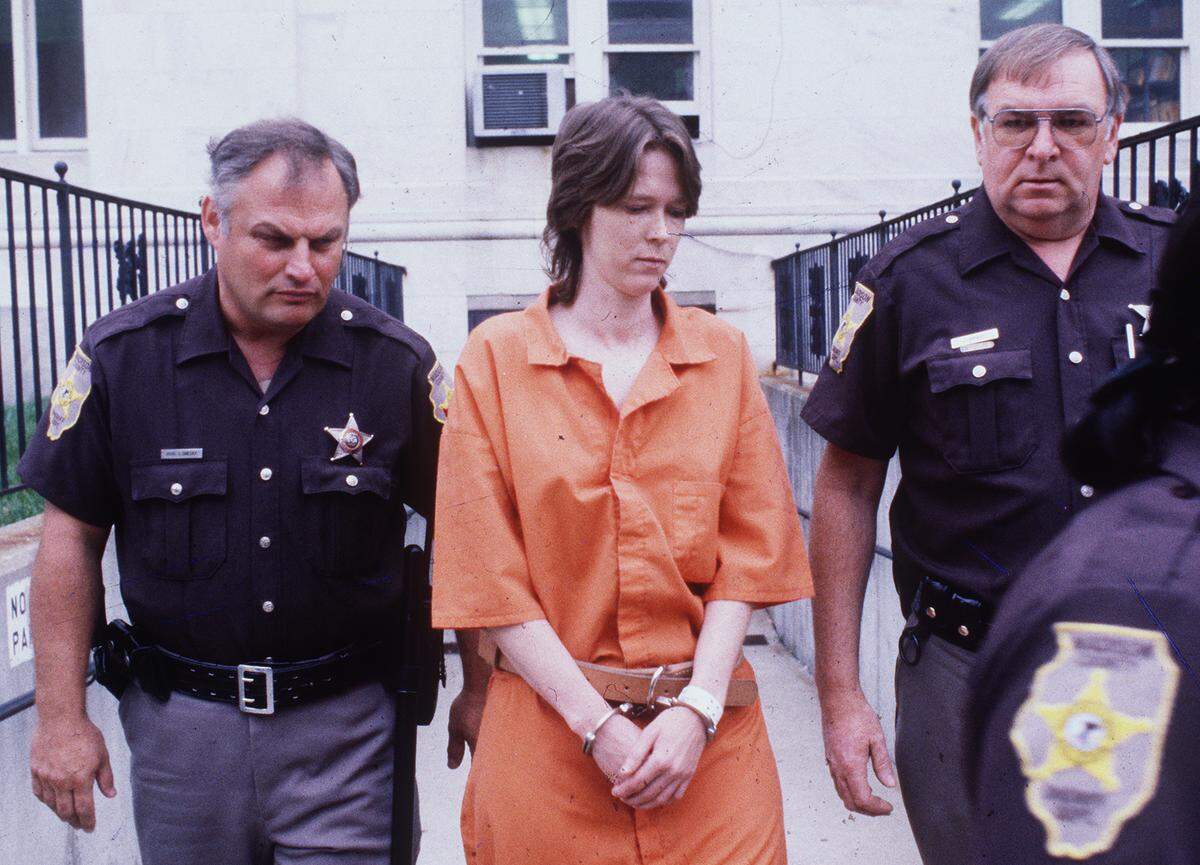
The Illinois Prisoner Review Board will decide this week whether an Alton woman who killed her two infant daughters will be set free after more 30 years in prison.
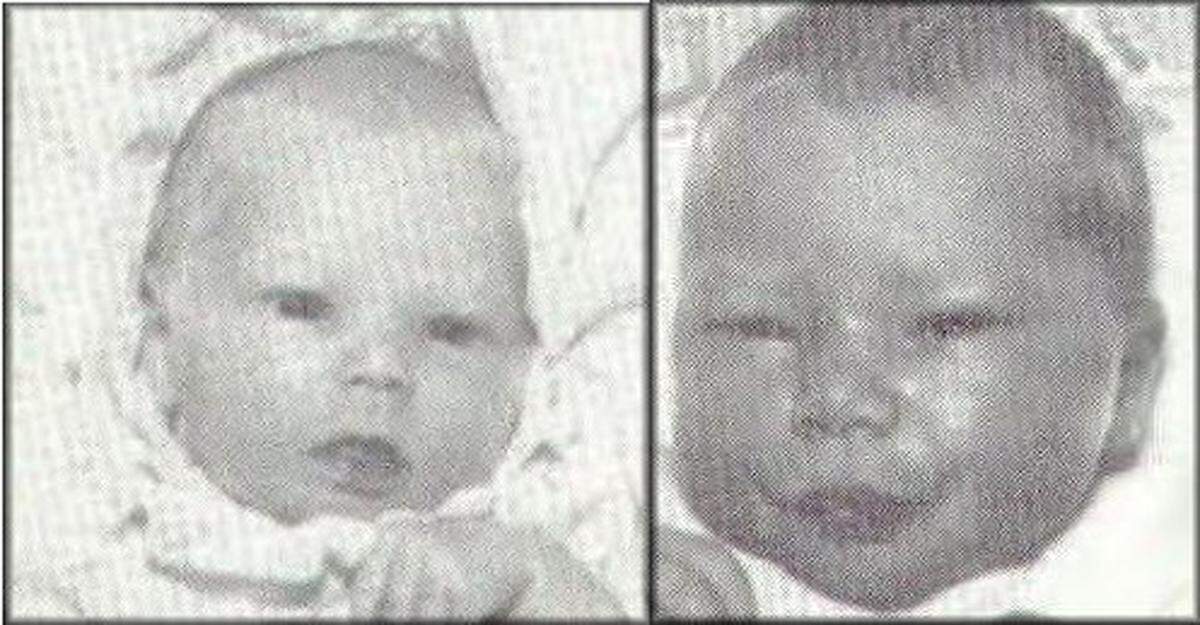
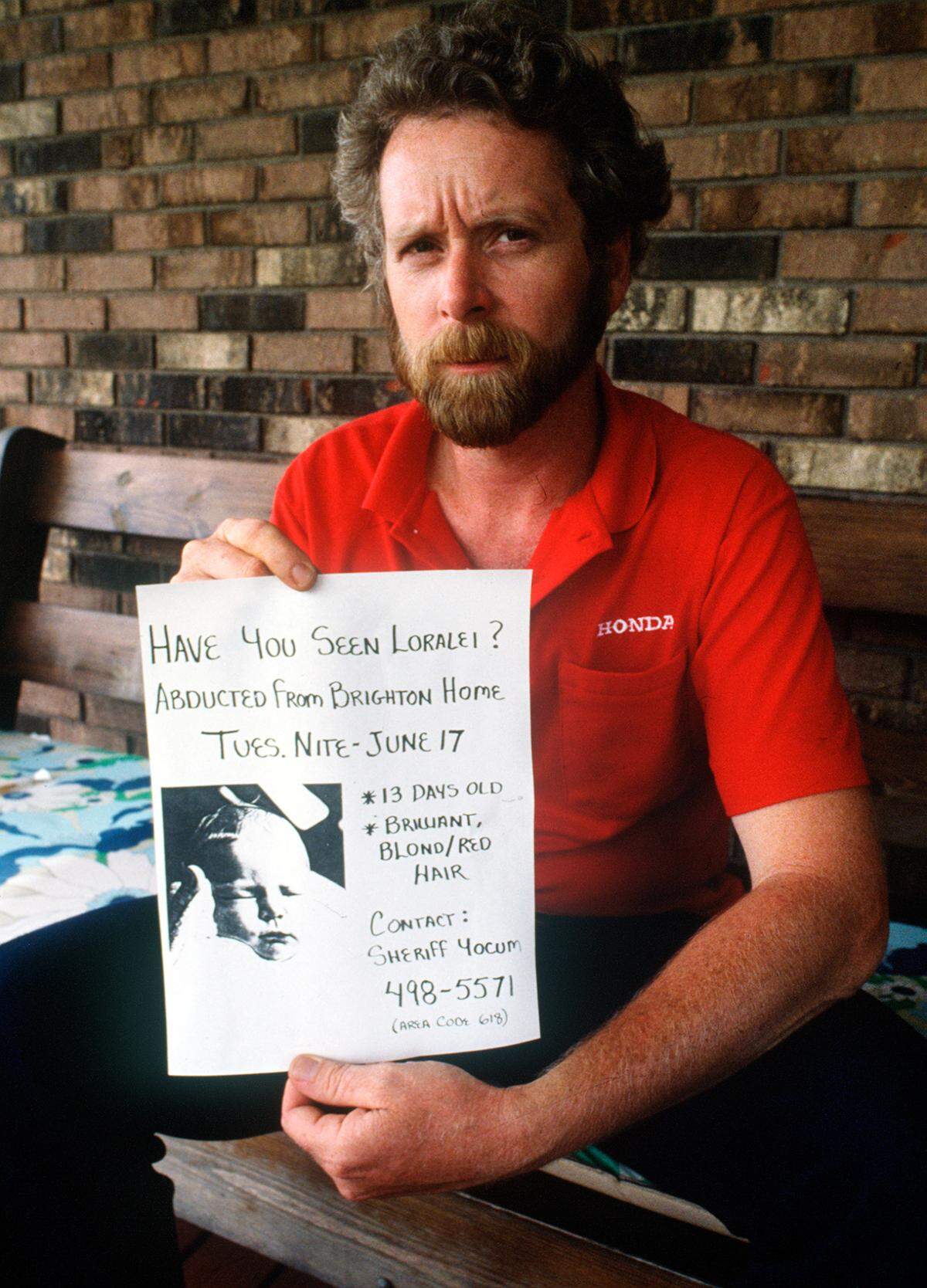
Paula Sims was a household name in the metro-east in 1990, when she was convicted of first-degree murder in the death of 6-week-old Heather Sims the year before. She later admitted to the 1986 killing of her other daughter, 13-day-old Loralei Sims.
Illinois Gov. J.B. Pritzker commuted Paula Sims’ life sentence in March, making her parole-eligible for the first time.
Her attorney, Jed Stone, will argue at a Springfield hearing on Thursday that Sims, 62, committed the crimes while suffering from postpartum psychosis, a rare mental illness that causes some new mothers to experience delusions, hallucinations and paranoia.
“Because of her age, because of her rehabilitation, because of her acceptance of responsibility, she is ready to be released from prison,” Stone said last week in a interview from his Waukegan office.
“Prisons are the most expensive solution to America’s criminal-justice problem. To house a geriatric woman who is of no threat to herself or to others at a cost of about $40,000 a year for the rest of her life is an abomination.”
Stone said knowledge and understanding of postpartum psychosis and depression have evolved over the past three decades, and recent changes in Illinois law allow them to be considered as mitigation factors in sentencing.
Sims is an inmate at Logan Correctional Center for women, about 30 miles northeast of Springfield. She was incarcerated at Dwight Correctional Center until it closed in 2013.
An Illinois Prisoner Review Board member interviewed Sims recently and submitted a report to the full board to help with its decision-making on the case, according to spokesman Jason Sweat.
Widespread coverage
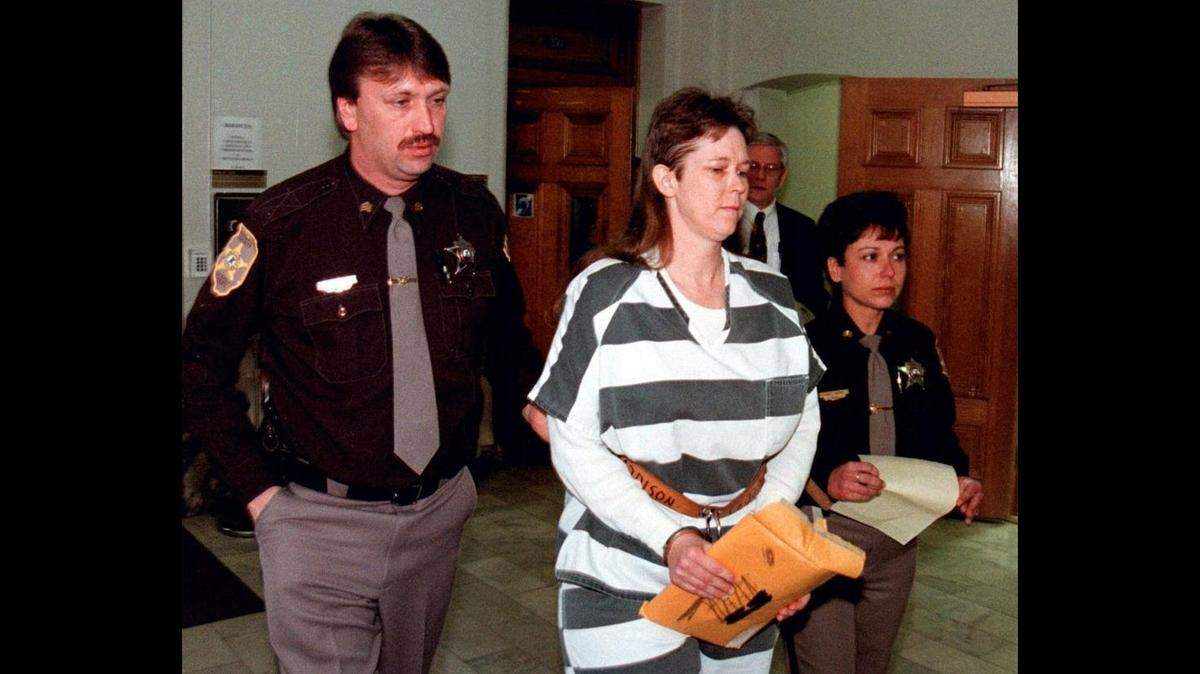
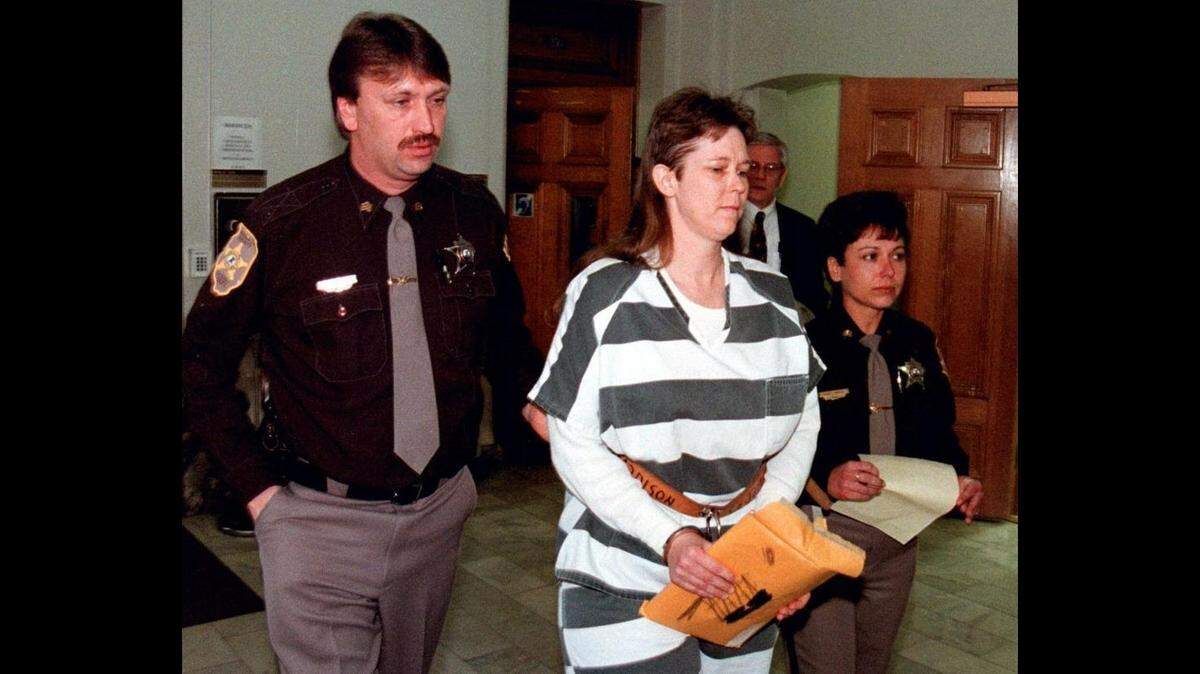
Sims’ sensational, four-week trial in 1990 made headlines across the United States. It was moved from Madison County to Peoria County because of intense publicity in the St. Louis region.
The jury convicted Sims of first-degree murder, concealing a homicide and obstructing justice in the suffocation death of Heather, whose partially-frozen body was found in a trash can, four days after Paula and her husband, Robert Sims, reported her missing from their Alton home.
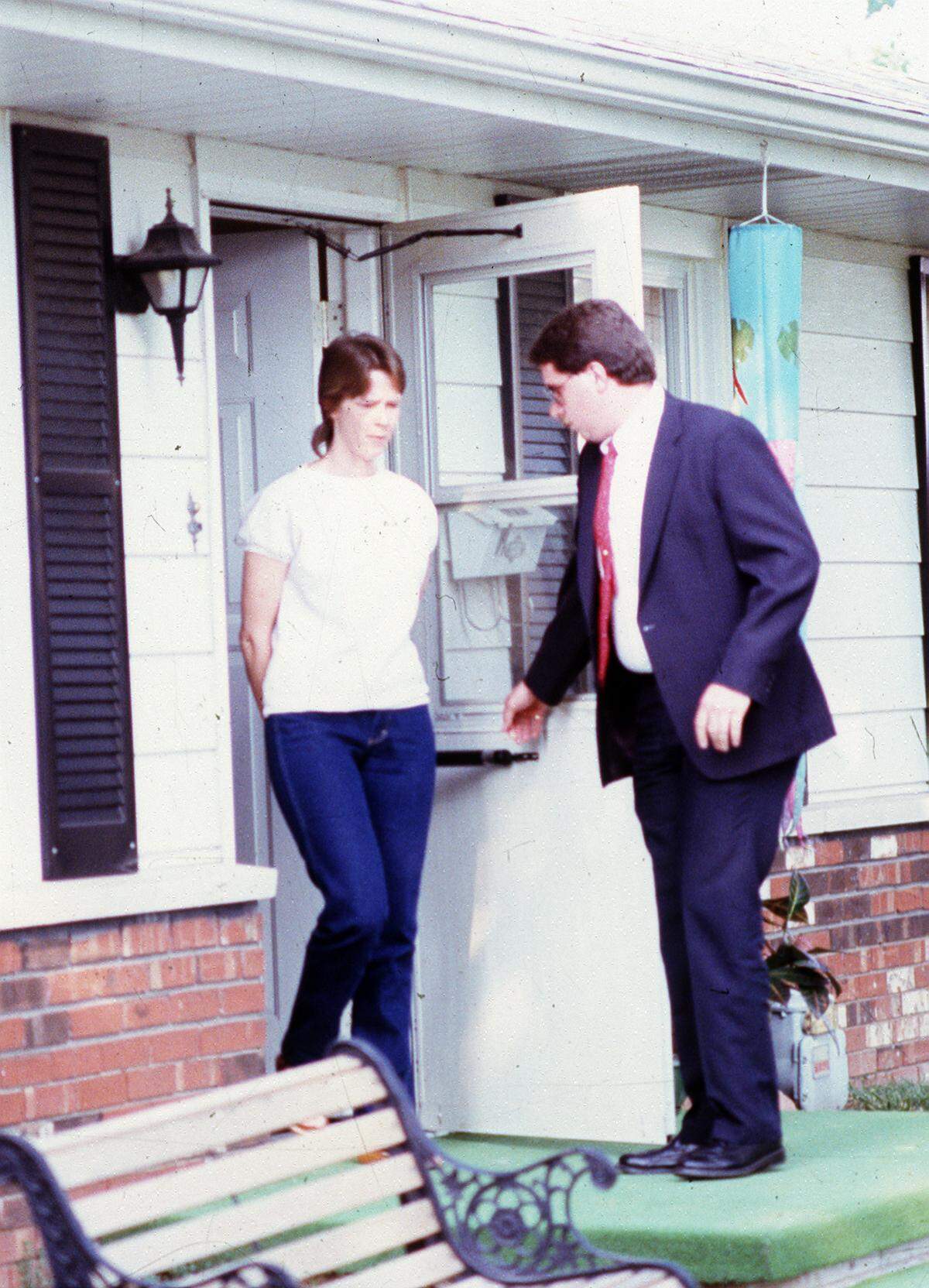
Three years earlier, Loralei’s skeletal remains had been found in a wooded area near the family’s former home in Brighton. In both cases, Paula Sims told police the babies were abducted by a masked gunman.
“Surely, lightening doesn’t strike twice in the same place,” former Madison County Assistant State’s Attorney Don Weber said at the time of her trial, summing up the case by quoting his wife’s reaction.
The jury asked Judge Andy Matoesian to sentence Sims to life in prison without parole instead of giving her the death penalty because of lingering questions about Robert’s involvement in Heather’s murder and the subsequent cover-up, according to one juror.
Authorities had openly speculated that Paula Sims may have killed her baby girls because Robert preferred boys. He was never charged with a crime. The couple divorced shortly after her conviction.
Paula Sims ultimately pleaded guilty in Jersey County to obstructing justice in the investigation of Loralei’s death.
Stone, 72, said he’s been representing Sims pro bono (free of charge) since the 1990s, when she wrote him a letter asking for help, because he believes in redemption for those who deserve it.
Stone has submitted Sims’ pleas for clemency to other Illinois governors, as well as requests for a new trial over the years. All were denied.
Pritzker didn’t grant Sims full clemency, but he commuted her sentence from life without parole to life with the possibility of parole.
Prosecutor weighs in
Weber prosecuted the Sims case under the late William Haine, Madison County state’s attorney from 1988 to 2002. His son, Tom Haine, now holds the office.
Haine, 36, sent a five-page letter to the Illinois Prisoner Review Board on Aug. 30, “strenuously” opposing parole for Sims. He began by quoting a 2001 order by Justice Clyde Kuehn, of the Fifth District of the Appellate Court of Illinois, upholding a lower-court ruling on one of her petitions.
“Paula J. Sims gave birth to three children, but she was a mother to only one,” Kuehn wrote. “Rather than nurture her two baby girls, she killed them.”
Haine argued that Sims lied about the crimes for years to avoid punishment and confessed only after she was found guilty of murder and wanted to avoid the death penalty.
Haine characterized Sims’ request for clemency as a “shifting and far-fetched psychological story” that shouldn’t change the conclusions of jurors at her trial or the decisions of judges who handled appeals, petitions and other court reviews over the years.
“Post-partum depression is a difficult mental illness and complicated issue,” Haine wrote. “But in this case, Defendant’s claims about her psychological state from decades ago have been fully litigated and her life sentence maintained.”
William Haine served as an Illinois state senator for the 56th district from 2002 to 2019. He died in August.
Weber went on to write a true-crime book about the Sims case titled “Precious Victims” with co-author Charles Bosworth, a former St. Louis Post-Dispatch reporter. It was made into a TV movie in 1993. Weber also served as a judge before returning to private law practice.

Disturbing details
Haine’s letter to the Illinois Prisoner Review Board summarized key facts and allegations in the prosecution’s 1990 case against Sims, stating that:
- Sims suffocated Loralei and threw her “small, lifeless body” into a wooded ravine 100 feet from the doorstep of her home in Jersey County.
Sims suffocated Heather and kept her body in a freezer before wrapping it in a trash bag and dumping it in a trash can in a public park in West Alton, Missouri.
Sims falsely told investigators that the same masked intruder took both babies and, in the second abduction, rendered Sims unconscious by striking her in the head.
Sims took significant steps to conceal information and avoid discovery of the two bodies to escape punishment.
Sims repeatedly lied to police, doctors, family members, friends and jurors.
Sims confessed to the killings only when facing the death penalty in hopes of getting a lighter sentence.
The Fifth District of the Appellate Court of Illinois affirmed Sims’ conviction in 1993.
The Illinois Supreme Court denied Sims’ request for leave to appeal in 1997.
Kuehn in 2001 upheld a lower-court decision to deny Sims’ petition for post-conviction relief, rejecting an argument that her attorney failed to provide an adequate defense.
Suffocation was considered Heather’s cause of death during the trial. However, Sims told author Audrey Becker in the early 1990s that she allowed both babies to drown in their baths. That was included in Becker’s book, titled “Dying Dreams: The Confessions of Paula Sims.”
Postpartum revisited
One of Haine’s arguments against the Illinois Prisoner Review Board granting parole for Sims is that her use of postpartum psychosis as an explanation for the murders is old news.
In Sims’ 1994 petition for post-conviction relief, she maintained that her Alton attorney, Don Groshong, failed to provide adequate representation, partly because he didn’t pursue an insanity defense based on the mental illness.
Groshong considered going that route, according to Haine, but he ultimately rejected it. Again, the state’s attorney quoted Justice Kuehn’s order:
“An insanity plea would have detracted from Paula’s claimed innocence. Moreover, Paula had never complained of depression-like symptoms, and an examination of her medical records proved consistent with this lack of complaint.”
Experts say postpartum psychosis occurs in one to two mothers per 1,000 who give birth. The resulting delusions and hallucinations can cause the women to hurt themselves or their children, according to Chicago-area psychologist and author Susan Feingold.
Stone has asked Feingold to answer questions at the parole hearing on Thursday at Crown Plaza Hotel in Springfield. The board also will hear from Bill Ryan, a prison-reform activist who knows Sims.
It’s unclear who else might speak at the hearing. Ex-husband Robert Sims, 63, and son Randall, 27, died in a Mississippi car crash six years ago. Paula Sims has no other close family, Stone said.
Haine isn’t expected to attend the hearing.
“Our office has made its position known, and now it’s in the hands of the Illinois Prisoner Review Board,” spokesman Philip Lasseigne said last week.
Sims is Inmate No. B07074 at Logan Correctional Center. Stone said she counsels other female inmates through a prison ministry and helps women all over the country understand and cope with postpartum psychosis and depression.
Stone called freedom for Sims a matter of “justice and mercy.”
“She’s really a genuinely decent woman who did an unspeakably bad thing, came to grips with it and struggled to understand it,” he said. “(She has) done everything she was asked to do to rehabilitate herself.”
Editor’s note: This story was corrected to state that Robert and Randall Sims died in a car accident in 2015 and Heather’s partially-frozen body was found four days after she was reported missing.
This story was originally published October 26, 2021 at 5:00 AM.