Considering backyard chickens? These are the restrictions for metro-east residents
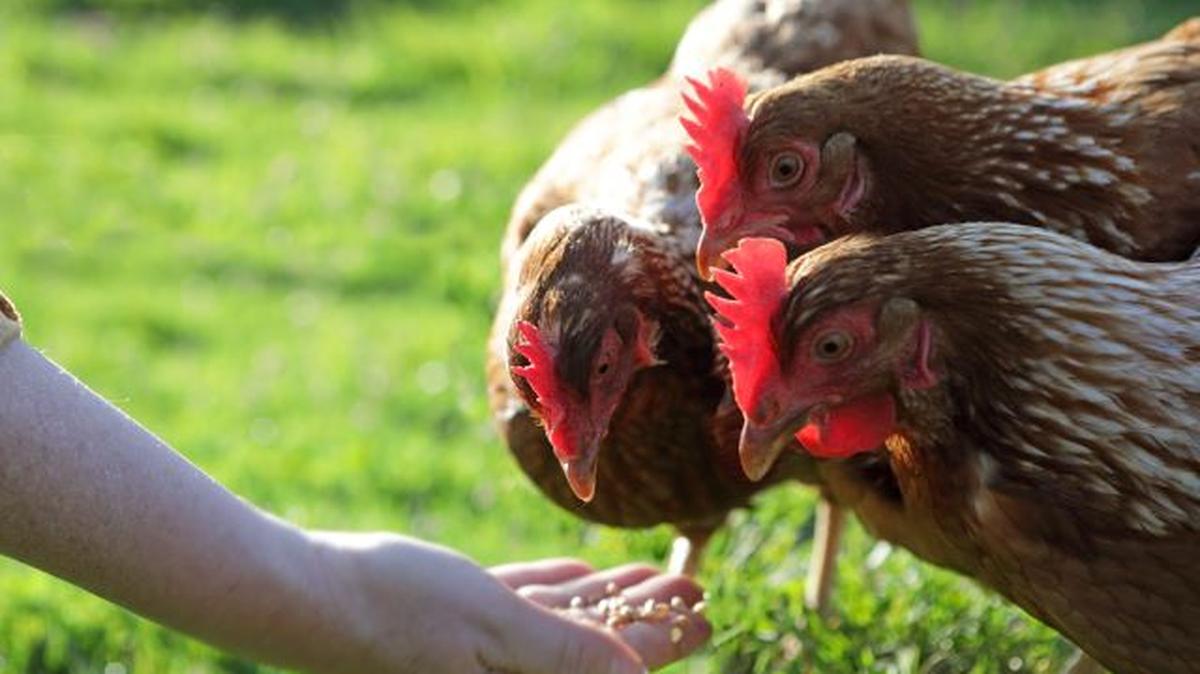
Backyard chicken ownership is becoming more popular in the U.S., and some Illinois municipalities allow the practice, with regulations.
Egg prices have increased in the past year, and the bird flu has caused supply to decrease. Raising your own chickens probably won’t save you money after considering all the start-up and maintenance costs, but many people are choosing to do so for other reasons, such as preventing commercial chickens from going to slaughter or wanting to keep them as pets.
Although backyard chickens are a popular choice, they’re not without health and safety concerns.
The U.S. Centers for Disease Control and Prevention reported in May more than 100 people from 29 states became sick from Salmonella after handling backyard poultry, leading to 33 hospitalizations. The number of related Salmonella cases increased to 409 by late August.
The CDC recommends backyard chicken keepers follow best safety practices to mitigate the risk of disease:
Wash your hands with soap and water immediately after touching your chickens, their eggs or anything in their area.
Don’t kiss or snuggle your chickens or eat or drink around them. Keep and clean your chicken supplies outside of your home.
Supervise young children around chickens and make sure they wash their hands properly after they are around them. Do not let children younger than 5 touch backyard chickens or chicks, as young children are at a higher risk of Salmonella illness.
Handle eggs safely. Collect them often, throw away cracked eggs, rub the dirt off them but don’t wash them with water, refrigerate your eggs and cook them to an internal temperature of 160 degrees to kill all germs.
Here’s an overview of metro-east ordinances on owning backyard chickens. It’s a good idea to read your local ordinance in full before obtaining chickens and reach out to local officials with any questions you may have.
Belleville
The city of Belleville requires residents to obtain a permit before keeping chickens. The permits are annual and must be renewed, and are limited to 50 for the city. The permit application fee is $25.
Belleville has several requirements to receive a permit, including that the tract of land is a single-family residence and the chicken enclosure is inspected and approved.
Only female chickens are allowed, and a permit allows for no more than six hens per tract. A permit-holder may not engage in chicken fighting, breeding, slaughtering or fertilizer production for commercial purposes, the ordinance says, and selling eggs is not allowed.
The city ordinance also outlines requirements for keeping a clean, dry, proper enclosure, giving adequate feed and clean water supply to the chickens and not allowing unreasonable noise or odor to emit.
Chickens are not allowed to roam off the designated tract of land, and a dog or cat that kills a chicken outside its designated tract is not held responsible by animal control and isn’t considered a dangerous or aggressive animal by the city for that reason alone.
Belleville ordinance committee members debated the regulations before the urban chicken ordinance went into effect in September 2023. The city has issued 15 permits so far and has not received any complaints about urban chickens, city clerk Jennifer Gain Meyer said in a recent email to the News-Democrat.
There is a Facebook group about Belleville backyard chicken ownership with more than 860 members, with the tagline “#decriminalizechickens” in its “About” section.
Swansea
The village of Swansea also requires a permit to own backyard chickens, with an application fee of $10. Swansea has 20 issued permits, director of building and zoning Greg Anderson said in a recent email to the BND. A permit is valid from Jan. 1 to Dec. 31 and must be renewed annually.
Urban chicken permits may only be allotted for single-family tracts, and the maximum number of chickens allowed on one tract is four. Only female chickens are allowed under the ordinance.
The permit does not allow for chicken breeding or fertilizer production for commercial purposes. Chickens must be kept in a clean, dry, odor-free enclosure or fenced area meeting safety requirements. Swansea has similar requirements to Belleville regarding noise and odor from the coop, and chickens must be provided with feed and clean water at all times.
Chickens may not roam at large, and a dog or cat that kills a chicken off its tract of land is not considered dangerous or aggressive.
Fairview Heights
The city code of Fairview Heights does not have an ordinance exclusively pertaining to chicken ownership, deputy clerk Veronica Gabriel said in a recent email to the BND.
O’Fallon
Backyard chickens are allowed in O’Fallon agriculture and rural residential zoning districts with no permit required, assistant city administrator Grant Litteken said in an email to the BND.
Collinsville
The city of Collinsville requires a permit to own chickens, and the permit does not guarantee the chicken coop meets the requirements in subdivisions with active restrictions.
The city limit of permits is 75, and a permit is valid for three years. Chickens are only allowed at single-family detached residences, with two to six chickens permitted.
Collinsville’s ordinance lays out requirements for minimum coop size and free range space, and residences are inspected before a permit is issued. Random inspections may also be conducted.
Edwardsville
Edwardsville’s city code allows for residents to own between two and six female chickens if they obtain a permit and follow regulations. The license fee is $50 and a $25 annual renewal is required. Up to 20 licenses may be issued in the city.
The ordinance requires adequate care of the chickens, coop and run space, passing city inspection, approval of abutting neighbors and HOA approval, if applicable.
Do you have a question about critters in Illinois for our service journalism team? We’d like to hear from you. Fill out our Metro-east Matters form below.