Mice — and their feces — head inside in cold weather. How to keep pests out of IL homes
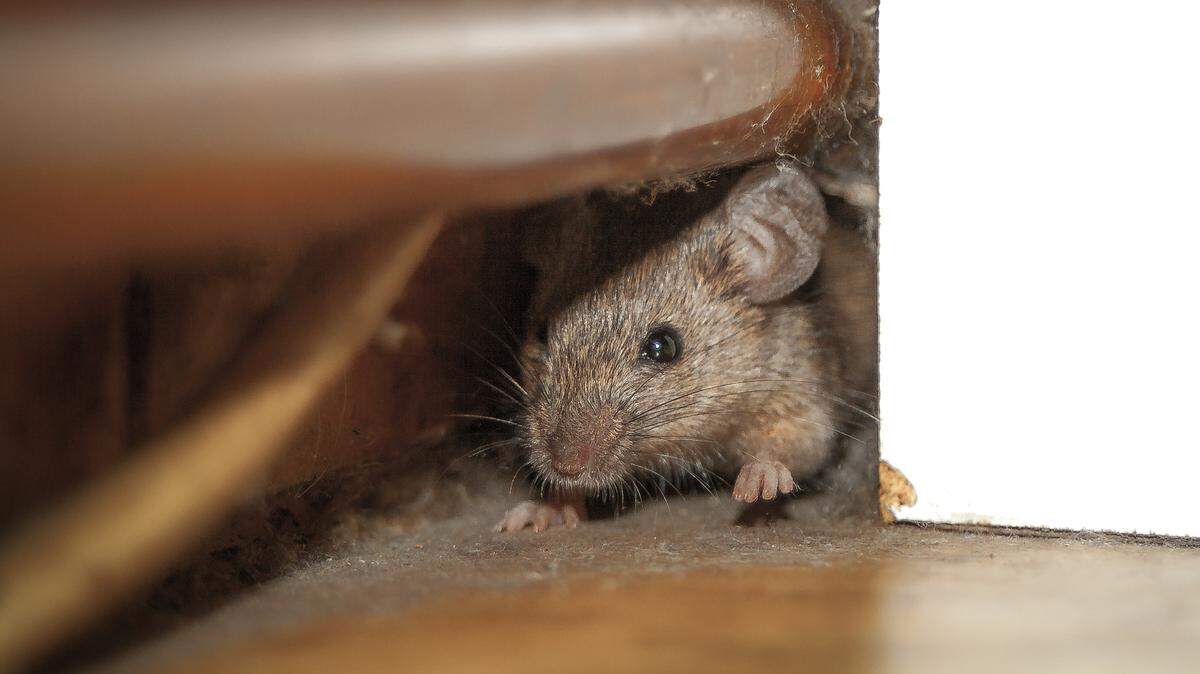
As the metro-east moves into a colder weather pattern this fall, certain bugs and rodents may seek shelter in homes and cause issues. In addition to being a nuisance, many rodents common to Illinois spread diseases.
Autumn is a good time of year to check your home for any potential pest entry points and get them sealed up properly, Mike Bentley, board-certified entomologist and vice president of training and technical services for the National Pest Management Association said in a recent interview with the News-Democrat.
Along with colder temperatures, fall and winter typically bring reduced food source availability to pests, making homes attractive refuges where they may find something to chew.
Here’s what to know about the rodent and insect species you may find in your southwest Illinois home this fall and how to mitigate them.
Rodent issues in Illinois
Mice are an issue across Illinois, Bentley said, while rats may also be a problem for people who live near bodies of water.
“It’s not uncommon for mouse populations inside homes and structures to flourish throughout these colder months because they’ve got access to all the food and shelter they really could need,” Bentley said.
Mice tend to seek out parts of the home that may not be disturbed often, such as closets, wall voids and spaces behind cabinets, to establish a nest and reproduce. It’s probably a good idea to check these places regularly, as mice can do a lot of chewing damage to electrical systems, cabinets and food.
A telltale sign of a mice population in your home is the feces they leave behind, Bentley said. Mice defecate in high volumes to communicate with each other, especially near their nests.
Their feces and urine can host Hantaviruses that are dangerous to humans and can lead to a “serious, life-threatening illness,” according to the Illinois Department of Public Health. Mice can also cause respiratory problems for people.
One challenge in preventing mice issues in a home is they only need an “impossibly small” entry point, Bentley said, about the size of a No. 2 pencil. Rats need about a quarter-sized hole.
“Exclusion is probably the most important thing,” Bentley said.
Another mitigation tactic Bentley recommended is storing firewood at least 20 feet away, but as far as possible, from the home. Woodpiles can harbor mice and other pests, and if your home is right next door, they may be more likely to look for a way inside. Brush piles also attract rodents.
More fall pests to look out for in Illinois
The invasive brown marmorated stink bug also seeks shelter in homes when temperatures drop.
“In the summer, they are living in and eating many fruits and vegetables,” Kacie Athey, specialty crops entomologist and extension specialist with the Department of Crop Sciences at the University of Illinois Urbana-Champaign said in an Oct. 17 press release. “They cannot tolerate extremely cold temperatures and seek enclosed areas to overwinter in, and our homes make great places for them.”
Stink bugs don’t cause the same caliber of issues as rodents and don’t destroy your home by chewing, but they may come in groups of hundreds or thousands and huddle together to survive the winter. When disturbed, their defense mechanism is their unpleasant odor.
Asian lady beetles also gather in large numbers in homes, and they leave behind a yellowish compound to deter predators that stains surfaces.
The most damaging and costly pest Illinois homeowners face is the termite, Bentley said. Termite infestations can cause significant, irreversible structural damage to homes. While termite activity tends to decline when temperatures are below 50 degrees Fahrenheit, any termites already in your home will continue to do damage, Bentley said.
The U.S. Environmental Protection Agency recommends homeowners follow best practices to prevent termites, such as keeping the soil around your foundation dry, fixing any leaks immediately, keeping vents free from blockage and inspecting for termites periodically.
Do you have a question about critters in Illinois for our service journalism team? We’d like to hear from you. Fill out our Metro-east Matters form below.
This story was originally published November 11, 2024 at 10:32 AM.