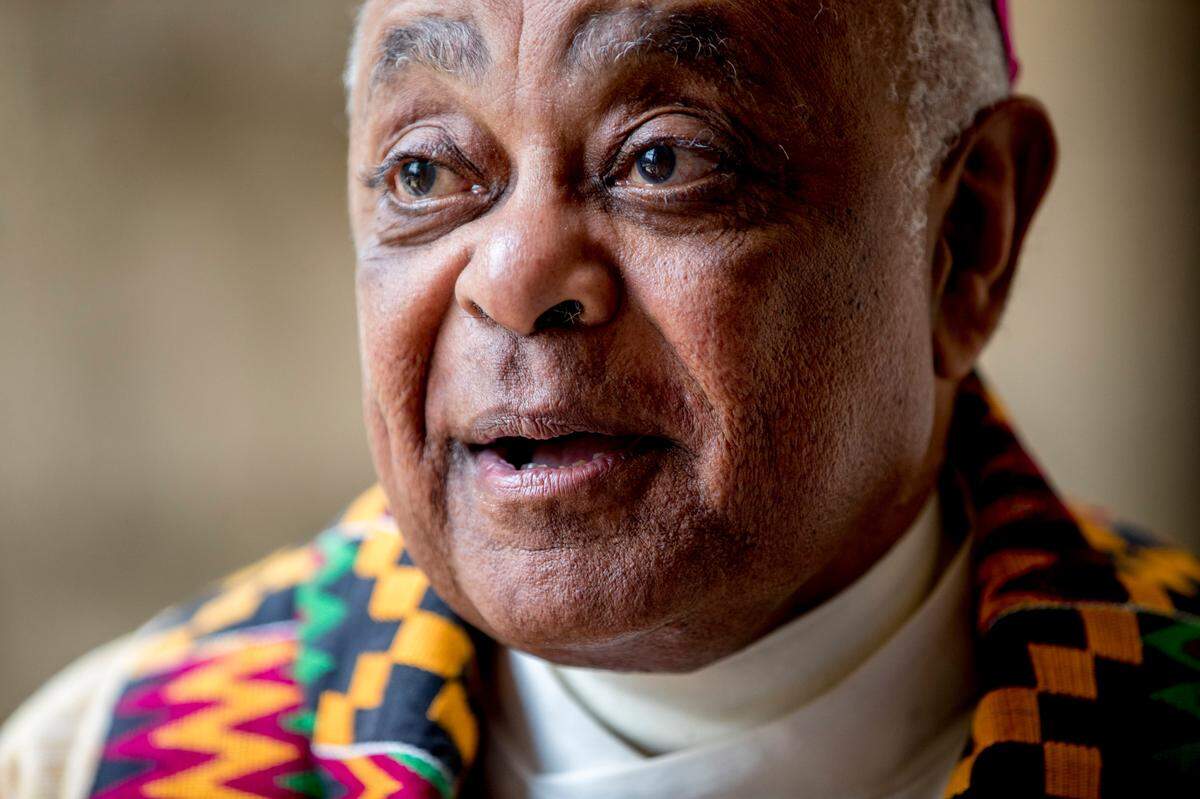
Former bishop of Belleville Diocese part of papal conclave to elect a new pope
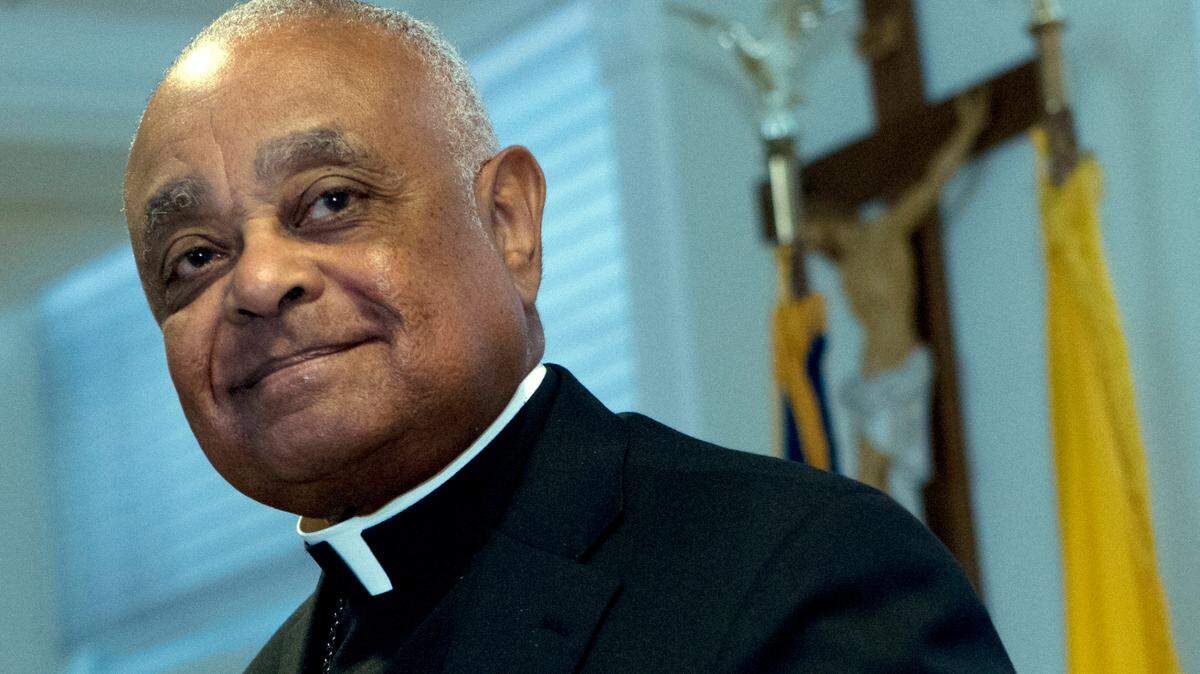
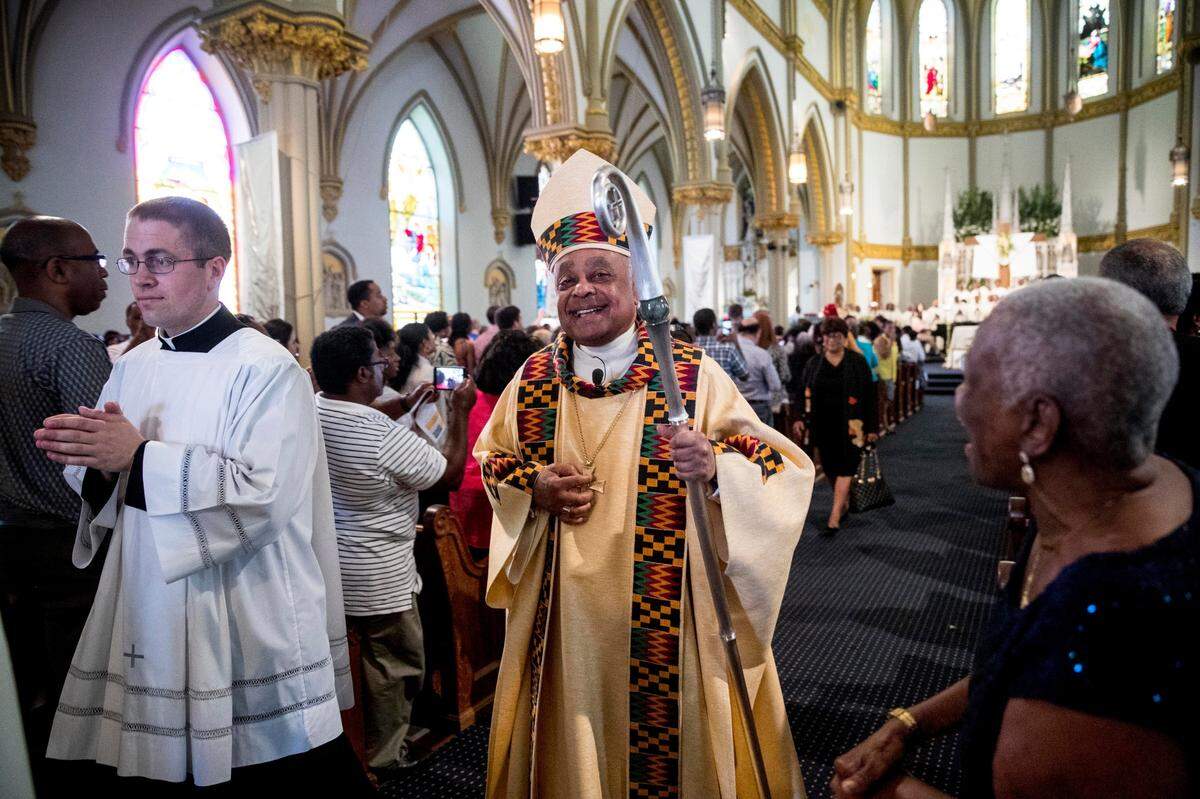
Among the 133 cardinals assembling in the Vatican’s Sistine Chapel Wednesday morning to elect a new leader of the Roman Catholic Church are 10 Americans and one former bishop of the Diocese of Belleville in southern Illinois.
Cardinal Wilton Gregory, 77, became the first African-American cardinal when he was elevated to the rank in October 2020 by Pope Francis, the popular pontiff who died last month at age 88. Cardinals younger than age 80 make up the body of electors.
Gregory, a native of Chicago, served as the seventh bishop of the Catholic Diocese of Belleville from 1993 to 2004. During his tenure locally, he was elected president of the U.S. Conference of Catholic Bishops as the crisis of sex abuse by Catholic clergy was escalating. In 2002, he pushed the conference to pass the Dallas Charter, which instituted a zero-tolerance policy for sexual abuse of minors.
Before announcing his retirement from full-time ministry earlier this year, he was appointed archbishop of Atlanta and eventually archbishop of Washington D.C., where he was pastor for former President Joe Biden, a Catholic. He continues to serve in the capital as archbishop emeritus.
Gregory was a supporter of Pope Francis, who has been seen as modernizing the papacy with more liberal views among Catholics. Gregory backed Francis on an environmental encyclical, in which he declared climate as a man-made crisis and called on world citizens to “live more sustainably.” While in Atlanta, Gregory followed Francis in supporting L.G.B.T.Q. members of the church.
Both views were viewed as divisive among more conservative Catholics and, according to multiple Catholic media outlets, could define the current conclave as a referendum on Francis’ papacy.
Cardinal Raymond Burke, 76, the former archbishop of St. Louis, also is among the electors at the conclave. He is known as a traditionalist, a scholar of canon law, and a conservative foil to Pope Francis’s more liberal views for the church. Burke was removed from leadership positions by the pope.
The conclave, the first in 12 years, began with Mass at St. Peter’s Basilica at 4:30 p.m. Rome time (9:30 a.m. Central time), followed by a short procession to the Sistine Chapel.
Cardinals are not allowed to leave the Vatican until a two-thirds majority agrees on the next pope. Phones, internet, television and any contact outside the Vatican walls are prohibited, a custom enforced to discourage the process from dragging on.
The conversations that could shape the voting began after Pope Francis’ death on April 21, as cardinals met in the Vatican both to plan his funeral and to discuss major issues facing the church.
Here are other known parts of the process, according to the New York Times through its wire service and from the Vatican News Service:
Timing: Generally, a conclave must begin 15 to 20 days after a pope’s death. This one is scheduled to start 16 days after Francis died. The date was chosen in part to allow enough time for preparations, said Matteo Bruni, the Vatican’s spokesperson.
Preparations: These have included closing the Sistine Chapel to tourists and making special arrangements, such as installing the stoves in which the cardinals’ ballots are incinerated after voting.
Secret ballots: The cardinals vote by hand, writing in the name of the man -- and it must be a baptized Roman Catholic man -- they want to be pope. One vote will take place Wednesday afternoon. The following days, cardinals will vote twice in the morning and twice in the afternoon.
Smoke: Up to twice a day, at the end of the morning and the end of the afternoon, the ballots are incinerated, sending a plume of smoke into the sky above the Sistine Chapel. If a two-thirds majority has not reached a consensus, chemicals are added to turn the smoke from the burned ballots black. When a new pope has been chosen, the smoke is colored white. Onlookers gathered in St. Peter’s Square at the Vatican keep their eyes trained on the chimney atop the Sistine Chapel.
The announcement: After a new pope is chosen, a senior cardinal steps onto a balcony of St. Peter’s Basilica and proclaims into a microphone, “Habemus papam,” a Latin phrase meaning, “We have a pope.” The cardinal announces the new pope, and the name he has chosen to go by as pontiff.
The pope then emerges, dressed in a white cassock, and gives his first blessing as pontiff to the crowd gathered below.
How long will it take? It is unclear how long the conclave will last. Each of the last two popes -- Benedict XVI, in 2005, and Francis, in 2013 -- was elected in two days. After the death of Clement IV, in 1268, the cardinals needed 33 months to find a successor.
This year, if the conclave hasn’t reached a decision by Saturday afternoon, the cardinal electors would get Sunday off for prayer and informal conversations. But they would still not be allowed to leave the Vatican.