
Metro-east solar company uses farmers instead of mowers to do their lamb-scaping
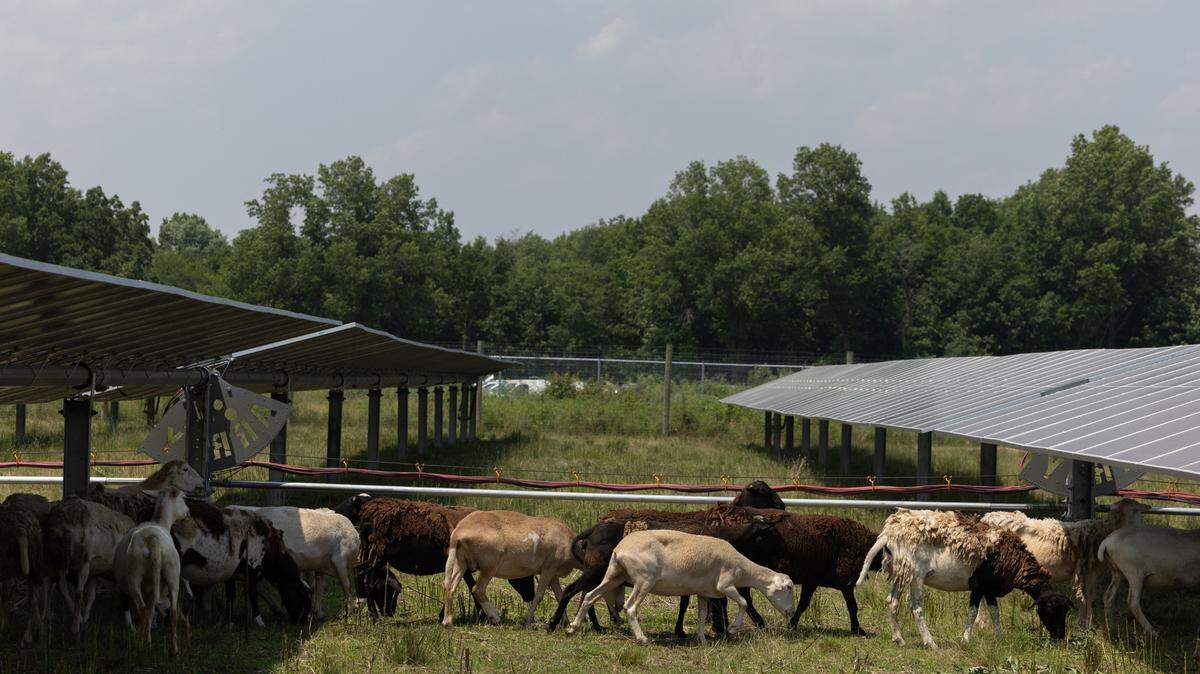
To keep solar farms from getting overrun with weeds, energy companies like Pivot Energy have been trading in traditional lawnmowers for an unconventional means: sheep.
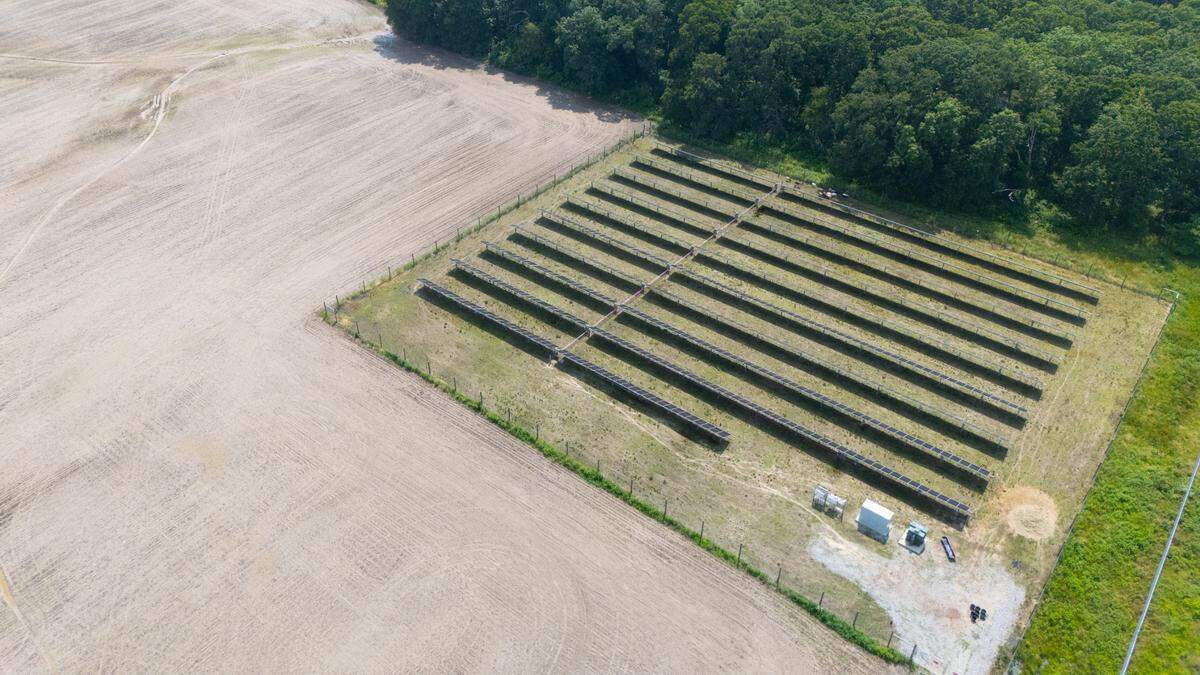
The field of agrivoltaics has been steadily growing and is mutually beneficial to farmers and solar companies alike. The logic to using the sheep is simple: where lawnmowers and weed whackers are unwieldy and difficult to maneuver amidst the metal stands, dangling wires and large solar canopies, sheep are able to nimbly move around and gobble down the green.
It’s a practice that Pivot Energy has brought to the fields of the metro-east.
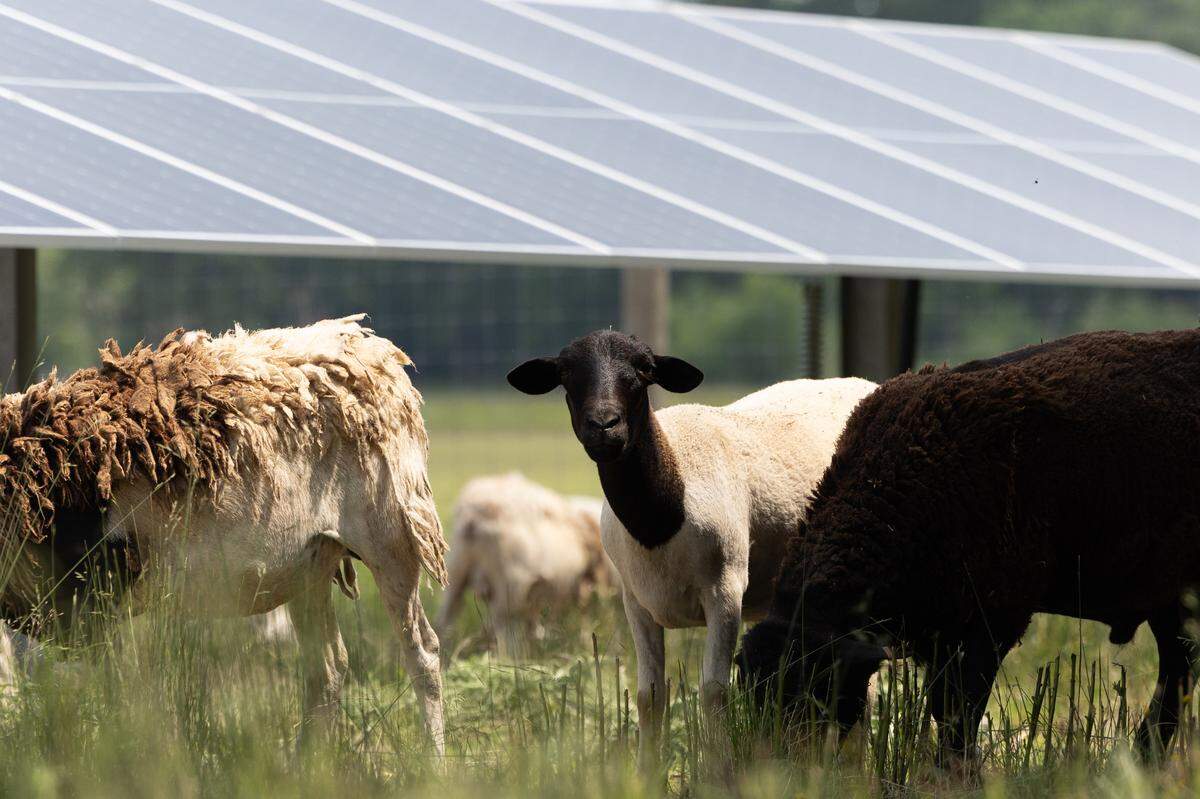
Utilizing the sheep comes with the benefit of establishing partnerships with agricultural entities, keeping local farmers and shepherds employed in non-traditional way, an official with Pivot says. While solar companies get a low-cost means of keeping their locations tidy, farmers get new grazing land for their livestock.
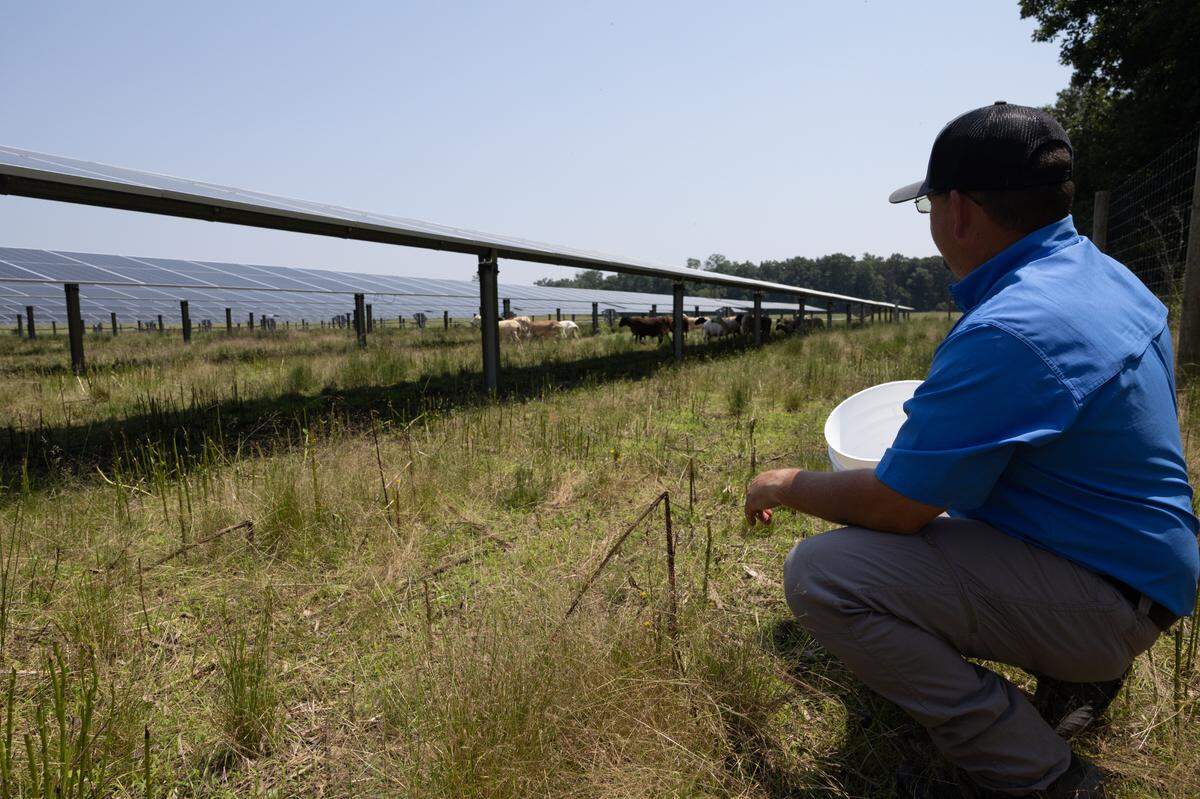
“As farmers, we’re always looking to build our herd,” says Curtis Thompson, owner of Freedom Farms in Kinmundy in Marion County. “To do that, we always need new pastures. This helps provide that — it’s a win-win.”
Thompson, who is a realtor as his primary career, says he has been solar grazing since 2020 and says the contracts help provide extra funds for the farm he runs in his free time. He is a member of the American Solar Grazing Association, a coalition of farmers with a goal of “upholding our nation’s agricultural heritage while embracing new opportunities.”
Thompson’s sheep graze at a handful of sites in the metro-east. They’re currently grazing in Salem, but solar farms in East St. Louis also benefit the flock.
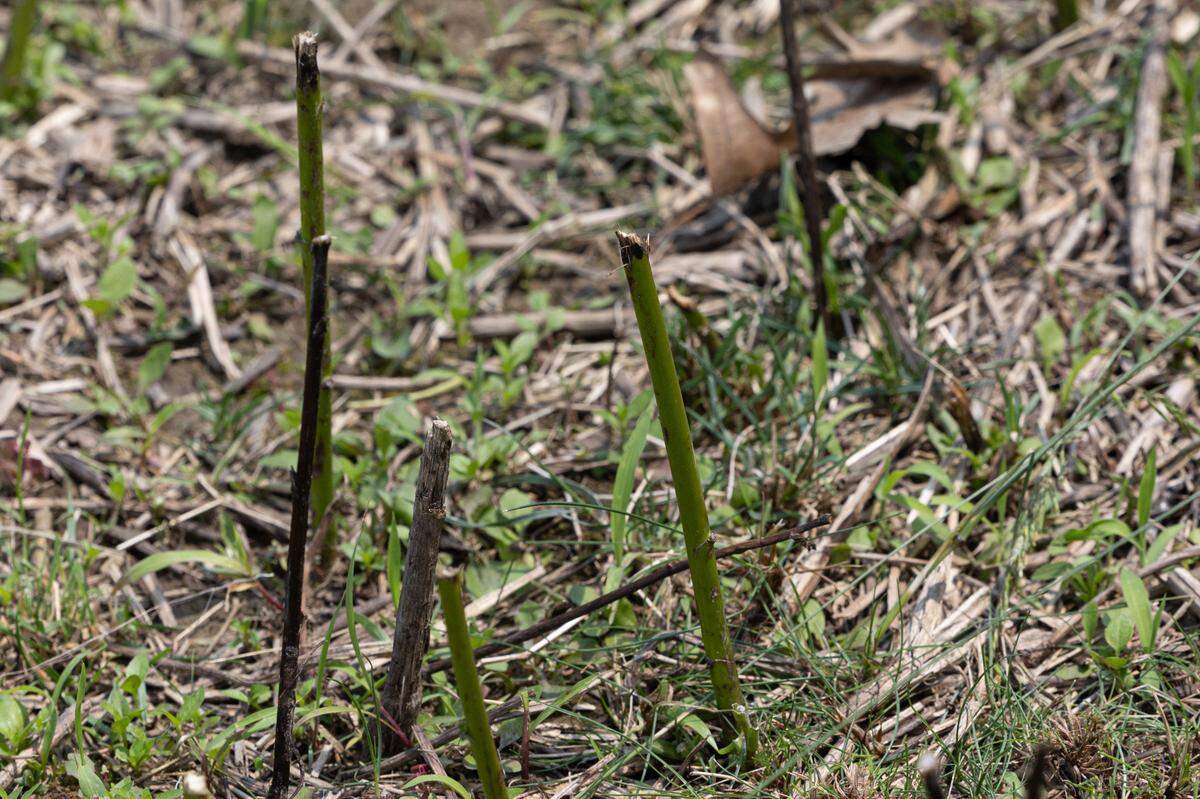
These ravenous ruminants provide an easy, simple way to landscape requiring little oversight, he says. Smaller sites typically require a week’s time for the sheep to graze, while larger locations will keep sheep on site throughout the growing season, which runs from March to June. When Thompson has a grazing contract, he says he simply drops the sheep off, leaves them there for a week or so and picks them up when the foliage has been acceptably grazed.
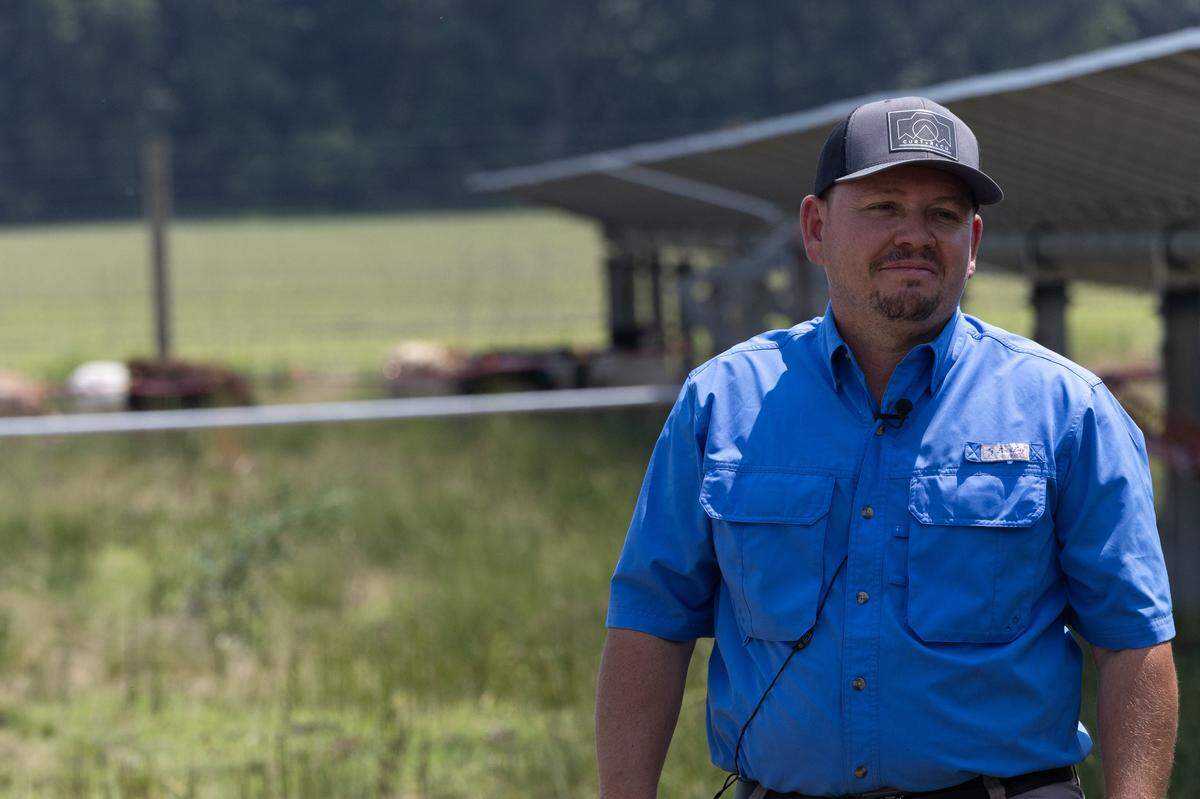
Using other animals, like cows and goats, bring concerns about safety of both themselves as well as the solar equipment, Thompson says. The same can’t be same for sheep.
“They tried goats and goats will chew through wires, they tried cattle and they’ll tear the panels, but there’s never been any safety concerns with sheep,” he said. “All we have to do is drop them off and check on them periodically.”
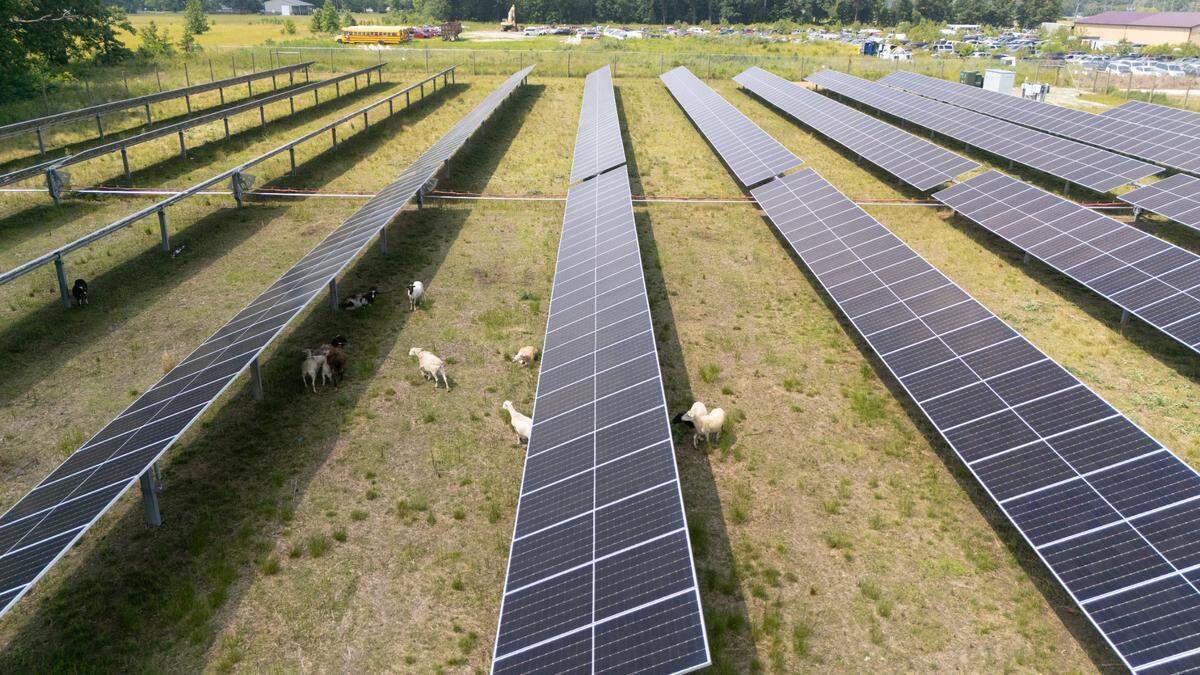
Pivot Energy has more than 80 solar sites, and 98% of them use sheep as a means of landscaping, said Angie Burke, director of operations and maintenance for Pivot Engergy.
“The sheep are kind of specially built to do this for us,” Burke said. “Instead of paying someone to come mow and landscape four five times a year, we’d rather pay a farmer to come out here and do the lamb-scaping for us.”
Burke, who lives in Denver and provides training for those interested in participating in agrivoltaics, says there are actually fewer risks involved in using sheep than more conventional methods, like lawnmowers.
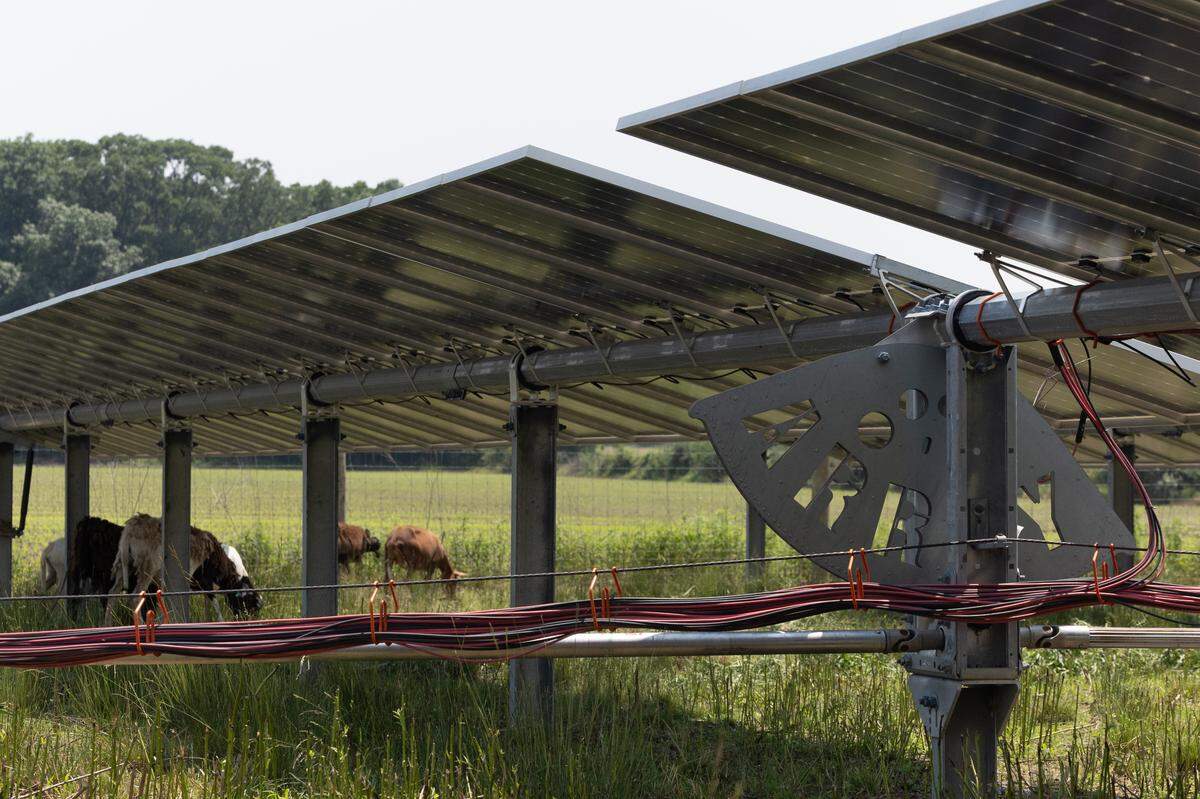
“We personally feel that having sheep on site actually decreases the risks of damage compared to mechanical landscaping,” she said. “The sheep aren’t likely to knock a stone up that will break the glass of a solar panel or clip one of the wires, and we either don’t have to adjust or only have to minimally adjust the site to accommodate the sheep. It’s also cost competitive, with the added benefits of improving the land and the farmer.”
Pivot Energy doesn’t own most of the land it uses to build their solar farms, but leases it from farmers. By allowing sheep to peruse the greenery, the companies go an extra step toward paying farmers and keeping their herds growing.
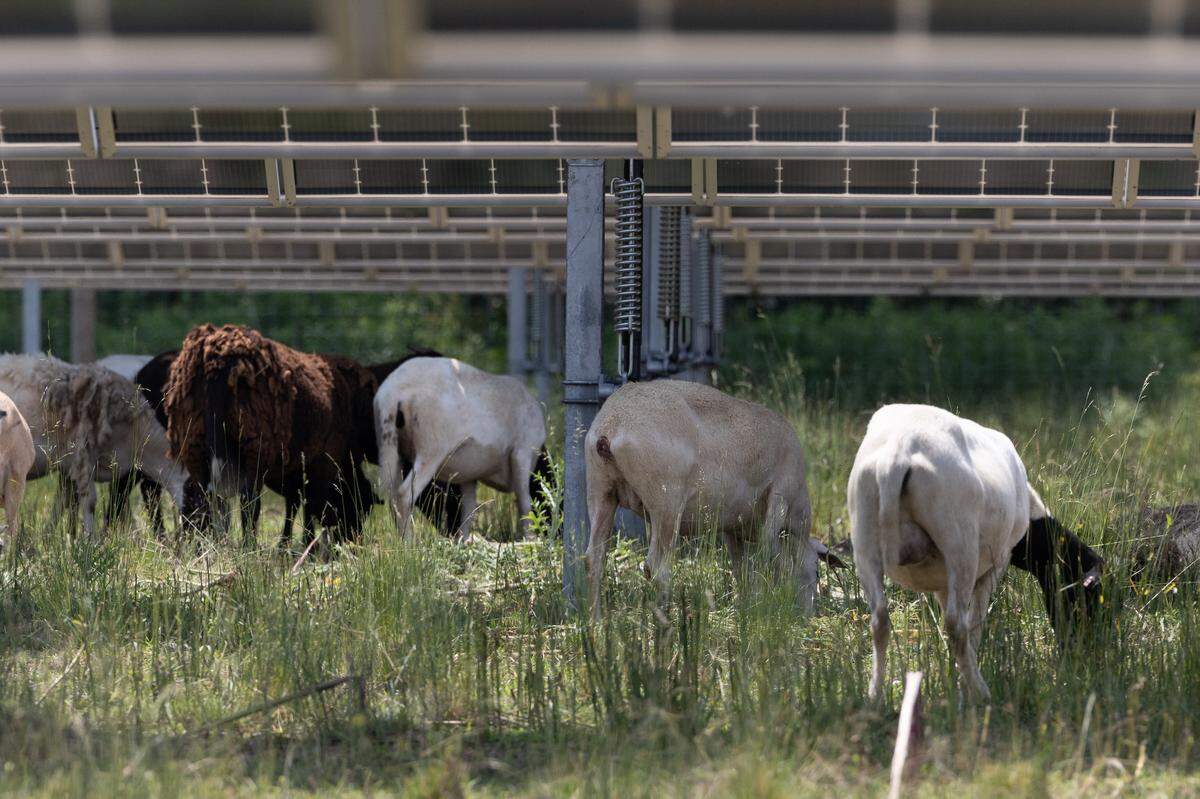
Pivot energy is considering implementing the use of chickens or pigs, Burke said. Some sites already utilize llamas and alpacas. Most of the farmers are contracted months in advance and often go to multiple sites, with preference given to repeat contracts in it for the long run.
“I have a lot of sheep contacts in my phone now,” Burke said.
This story was originally published June 11, 2025 at 5:30 AM.