East St. Louis under EPA deadline to find funding to stop sewage spills
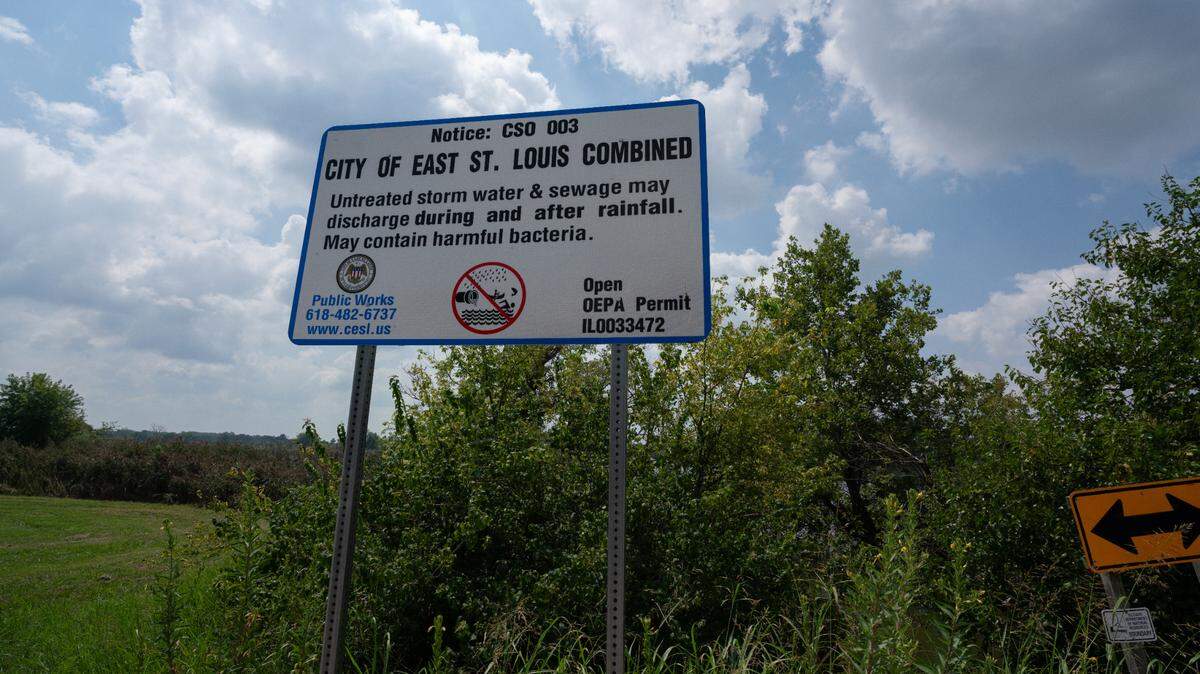
East St. Louis is under a deadline to find funding to improve its sewer system as part of a phased plan to stop spilling untreated sewage into the community.
The city and state, along with the federal government, have reached an interim agreement to temporarily pause litigation against East St. Louis over the sewage spills so that the city can prepare the long-term control plan, the U.S. Department of Justice announced Thursday.
A trial in the civil lawsuit had been scheduled for Dec. 14. U.S. District Judge David W. Dugan approved a stay in the case and removed the trial from the court’s calendar in a March 19 order.
The 2024 complaint in U.S. District Court for the Southern District of Illinois accused East St. Louis of allowing sewage to spill from city pipes despite two orders from the U.S. Environmental Protection Agency to address the problem in 2022 and 2023. It sought to require the city to stop the sewage spills and pay civil penalties.
“Funding is the sole obstacle prohibiting compliance, mitigation, and implementation of the long-term control plan,” the city stated in an April 8 status report to the federal court.
East St. Louis Mayor Charles Powell III, City Manager Robert Betts and city attorney Grey Chatham, Jr. did not immediately respond to a request for further comment Friday.
The plan is due to the Illinois EPA no later than June 30, 2027. It is required for the city to renew its state permit regulating discharges from a municipal sewer system.
The city submitted a draft plan to the state in late 2023, which the Illinois EPA described as deficient in part because it contained “imprecise deadlines.” The agency is seeking clarification and additional information from East St. Louis, court records state.
The draft discusses possible work the city could undertake on the system to stop the sewage spills. It also states that East St. Louis officials have had conversations about selling the city’s sewer system to private company Illinois American Water.
In its status report this month, the city said it is “actively pursuing” grant funding from the state and U.S. Army Corps of Engineers. It also has considered unspecified general-fund budget changes for the upcoming fiscal year, according to the report.
The EPA, along with the DOJ and the state of Illinois, say in their complaint against East St. Louis that sewage flows into the community and bodies of water, including the Mississippi River and Whispering Willow Lake at Frank Holten State Park, in violation of the Clean Water Act. Residents go to Frank Holten for fishing and boating, the complaint notes.
The complaint alleged that untreated sewage spills from East St. Louis outfalls into the Mississippi River and Whispering Willow Lake during “high-flow conditions,” such as heavy rain.
The American Bottoms Treatment Plant that receives sewage from East St. Louis had recorded at least 246 sewage overflows into the Mississippi River. That included 19 times when there had been no precipitation, which is prohibited by regulations, according to the complaint.
EPA inspectors observed toilet paper in vegetation along the banks of Whispering Willow Lake during an inspection of an outfall there.
The EPA, DOJ and state of Illinois allege that sewage also backs up into streets and buildings in East St. Louis, putting the community at risk of illness. Sewage carries bacteria, viruses and other harmful organisms.
This story was originally published April 10, 2026 at 12:40 PM.