Who relies on SNAP in Illinois? Data shows many recipients live in these counties
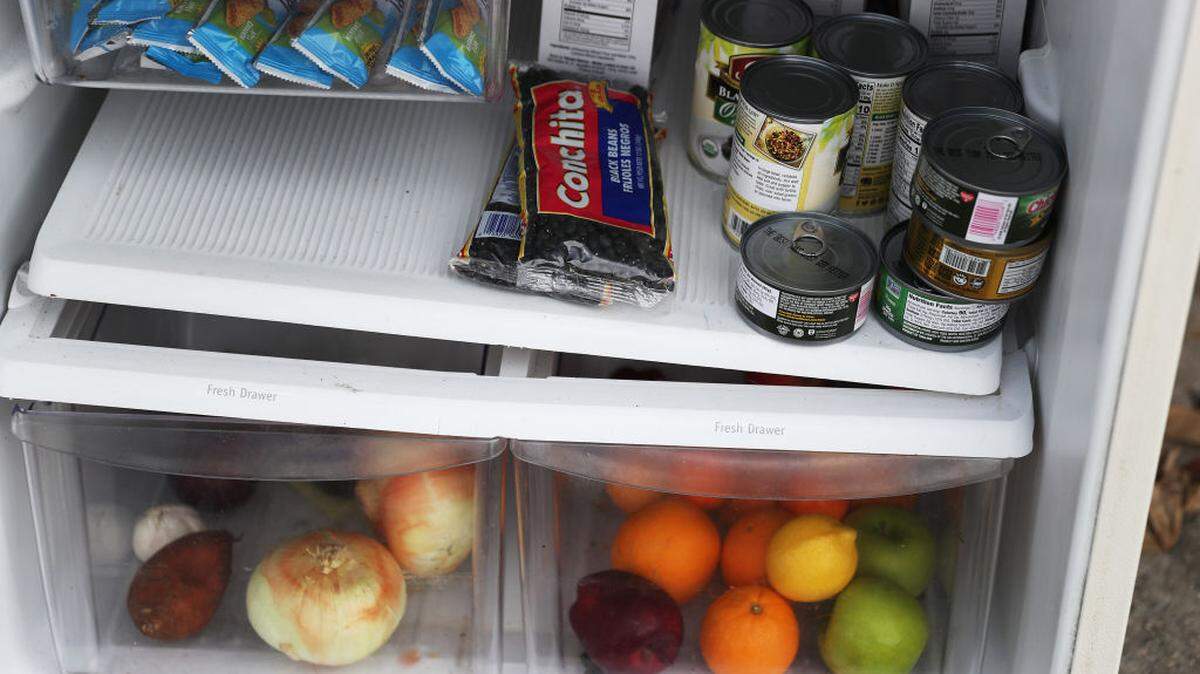
An estimated 150,000 Illinois residents may lose their food and nutrition benefits beginning Friday, May 1, after President Donald Trump’s “One Big Beautiful Bill Act” changed eligibility rules.
The effects of the eligibility changes will be felt across the state, as 1.68 million Illinois residents received Supplemental Nutrition Assistance Program benefits, commonly called food stamps, in March 2026. The 1.68 million figure represents an 11% decline from the number of SNAP recipients in March 2025.
The decline in SNAP recipients from last year “may be a result of the fear and confusion” from Trump’s bill, Summer Griffith, a spokesperson for the Illinois Department of Human Services, told the News-Democrat via email, but those individuals did not lose benefits because of the eligibility changes, which took effect May 1.
Approximately 655,000 of the 1.68 million SNAP recipients in Illinois are children, according to IDHS data, and the number of those receiving food benefits varies by county.
Illinois counties by number of SNAP recipients
Here’s how the top five and bottom five Illinois counties compare in the number of people receiving SNAP benefits, with data from the Illinois Department of Human Services:
Cook County had by far the greatest number of SNAP recipients, at 772,752, which corresponds with its population of more than 5 million. Across the metro-east, St. Clair County has the greatest number of SNAP recipients.
St. Clair County had the sixth-highest number of SNAP recipients in the state.
Here’s how the metro-east compared:
- St. Clair County: 42,831 people received SNAP benefits in February 2026
- Madison County/East Alton: 18,463
- Madison County/Granite City: 16,998
- Randolph County: 4,429
- Macoupin County: 5,520
How have SNAP eligibility requirements changed?
Trump’s bill expanded who is considered an able-bodied adult without dependents and as such must meet work requirements to be eligible for SNAP benefits. The new work requirement and subsequent loss in eligibility will affect SNAP recipients across the nation.
Those at risk of losing SNAP include those who haven’t worked, participated in a training program or volunteered a minimum of 80 hours per month, beginning Feb. 1; are between 18 and 64 years old; do not have children younger than 14; are able-bodied (physically and mentally able to work); and are not eligible for an exemption. Previously, work requirements only applied to those aged 19 to 54 without dependents.
The new, stricter eligibility requirements come just a few months after SNAP recipients’ benefits were in limbo nationwide due to a U.S. government shutdown.
The average monthly household SNAP benefit was $332 in December, according to the U.S. Department of Agriculture, with an average SNAP household size of 1.9 people.
You can use an online calculator from the Illinois Department of Human Services to see whether you are likely to be eligible for SNAP benefits. A separate state screening tool is also available to determine whether you may be affected by the updated work requirements.
Do you have a question about food assistance in Illinois for the News-Democrat? We’d like to hear from you. Fill out our Metro-east Matters form below.