Meet threatened turtles and explore rare habitat at this Edwardsville reserve
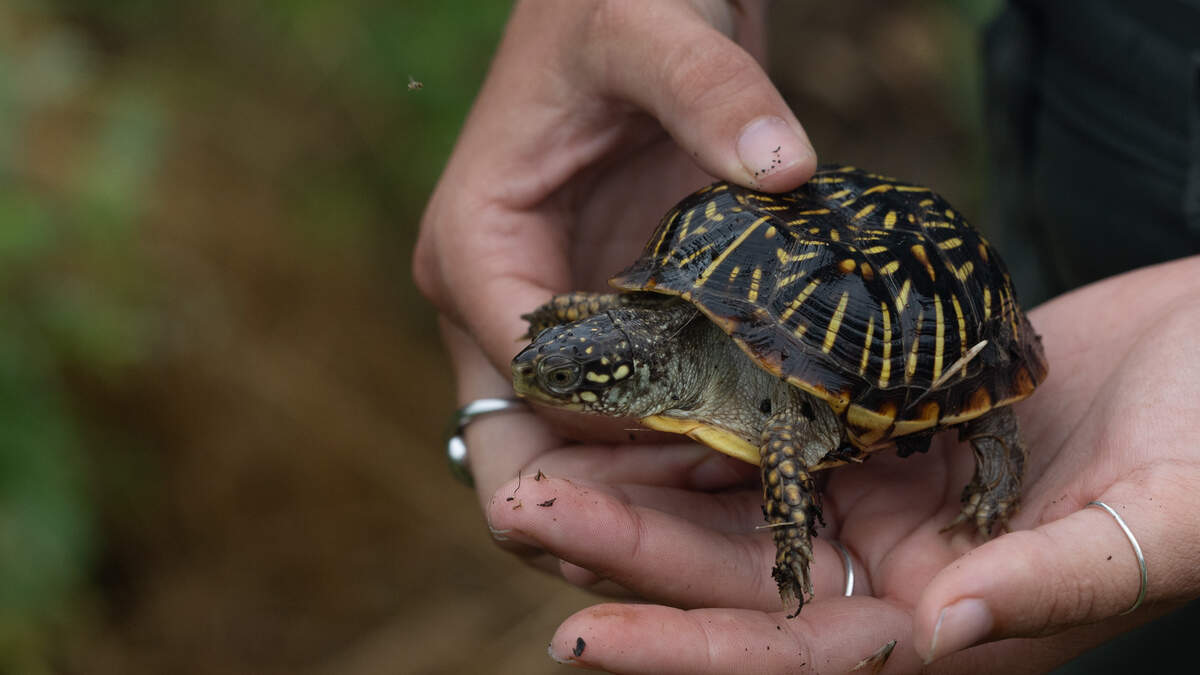
Just off I-255 in Madison County lies a 40-acre wildlife sanctuary that houses a state-threatened turtle species, prairie birds and unique frogs.
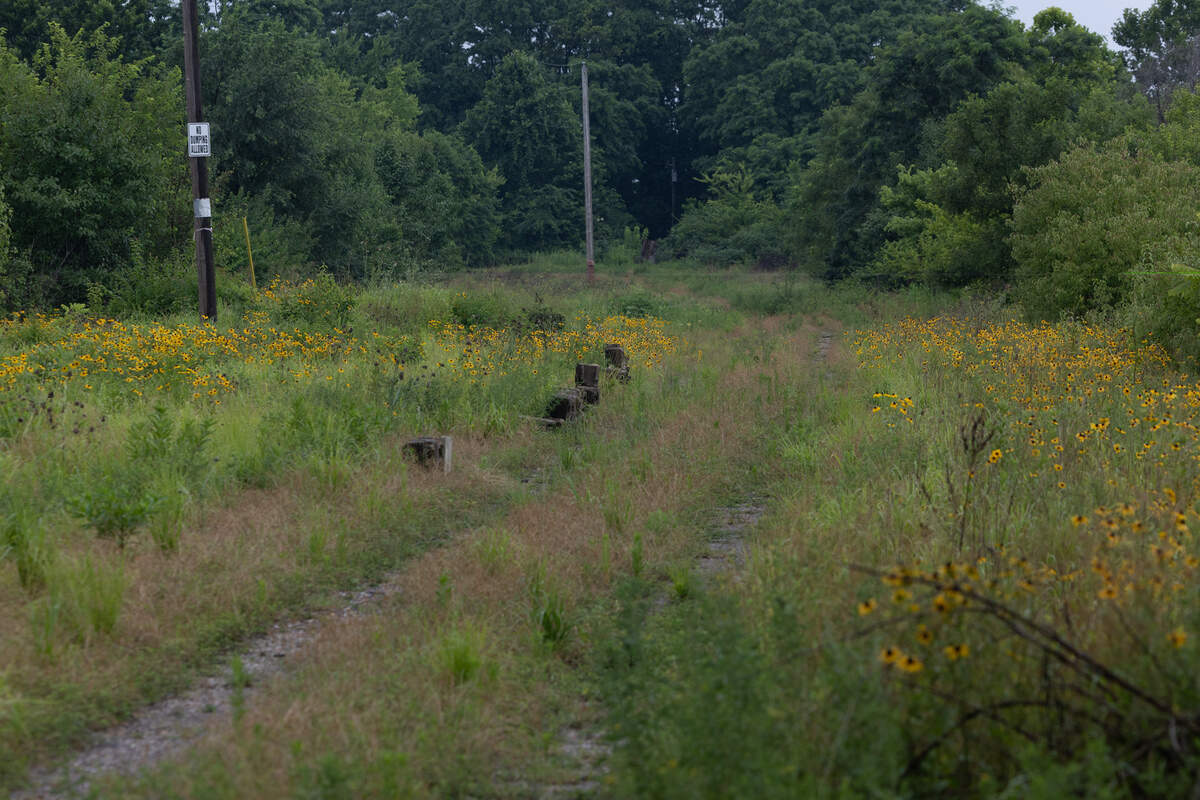
Knoll Family Wildlife Sanctuary is a 40-acre natural area of sand prairie owned by HeartLands Conservancy, a nonprofit conservation land trust.
HeartLands Conservancy acquired the land from the Knoll family in 2023 and quickly started on restoration efforts, Mary Vandevord, president and CEO of HeartLands Conservancy, told the News-Democrat.
Less than 1% of Illinois’ prairies remain due to widespread development, but conservation staff are working hard to restore and preserve the rare sand prairie habitat in Edwardsville.
‘Threatened’ ornate box turtles have refuge at the wildlife site
The ornate box turtle is one of the most notable species found at Knoll Family Wildlife Sanctuary, and the native species is considered “threatened” in Illinois due to habitat loss.
Ornate box turtles rely on prairie habitats, which have seen steep declines across the state. The turtles can live up to 30 years, according to the Illinois Department of Natural Resources.
Although prairie plants are drought-tolerant, the ornate box turtle doesn’t fare as well in hot weather.
Climate change and increasing temperatures have affected the species’ survival, as hot and dry summers influence sex diversity and lead to a greater population of female turtles and fewer males, Vandevord said.
“It’s one of our few sand-prairie-dependent species that we should protect, and it’s connected to this entire food web around it,” McAtee said.
Ornate box turtles are ecological indicators.
“If our ornate box turtle populations are doing well, then the habitat around it is doing well too,” McAtee said. “It’s all connected.”
A sanctuary for the Illinois chorus frog
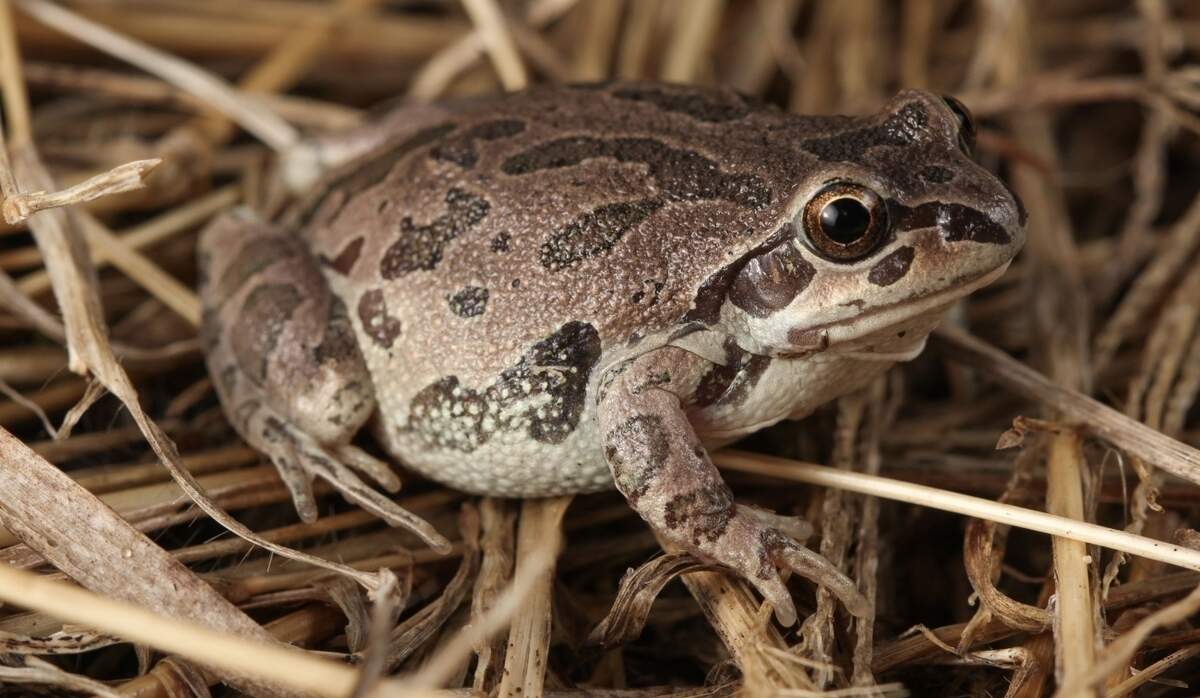
Another species living onsite is the Illinois chorus frog, though you’re unlikely to see them above ground unless it’s mating season, February through April.
The Illinois chorus frog lives in sand prairies and sandy floodplains, and similarly to the ornate box turtle, it’s threatened in the state due to the decline in sand areas.
Researchers with Southern Illinois University Edwardsville are studying the ornate box turtle and Illinois chorus frog at the sanctuary and nearby areas to monitor populations and support the species’ survival. The researchers have tagged about 10 to 15 turtles, though McAtee said there may be double or triple that number on the property. The SIUE researchers have named one of the turtles Abby.
In addition to the state-threatened turtle and frog species, the wildlife sanctuary is home to an endangered type of grass, prickly pear cactus, hoary vervain, blackjack oak trees and primrose.
Volunteers needed
Because the sanctuary is under restoration and is a sensitive wildlife habitat, it is not open to the general public to visit without staff. You can explore the reserve through guided tours or by participating in volunteer events.
“The long-term goal is to try and get some trails out here so the public can come out and enjoy it and maybe see some wildlife,” Vandevord said.
Volunteers are needed to clean up dumped trash and remove invasive species onsite to restore the habitat, Anna McAtee, land conservation manager at HeartLands Conservancy, said.
Bradford pear trees are one of the problematic species spreading across the reserve, and it’s important to keep them in check for the area’s biodiversity, resiliency and ecosystem health, McAtee said.
“So really, all skills and talents are welcome to help us clean up the place and make it more open,” McAtee added.
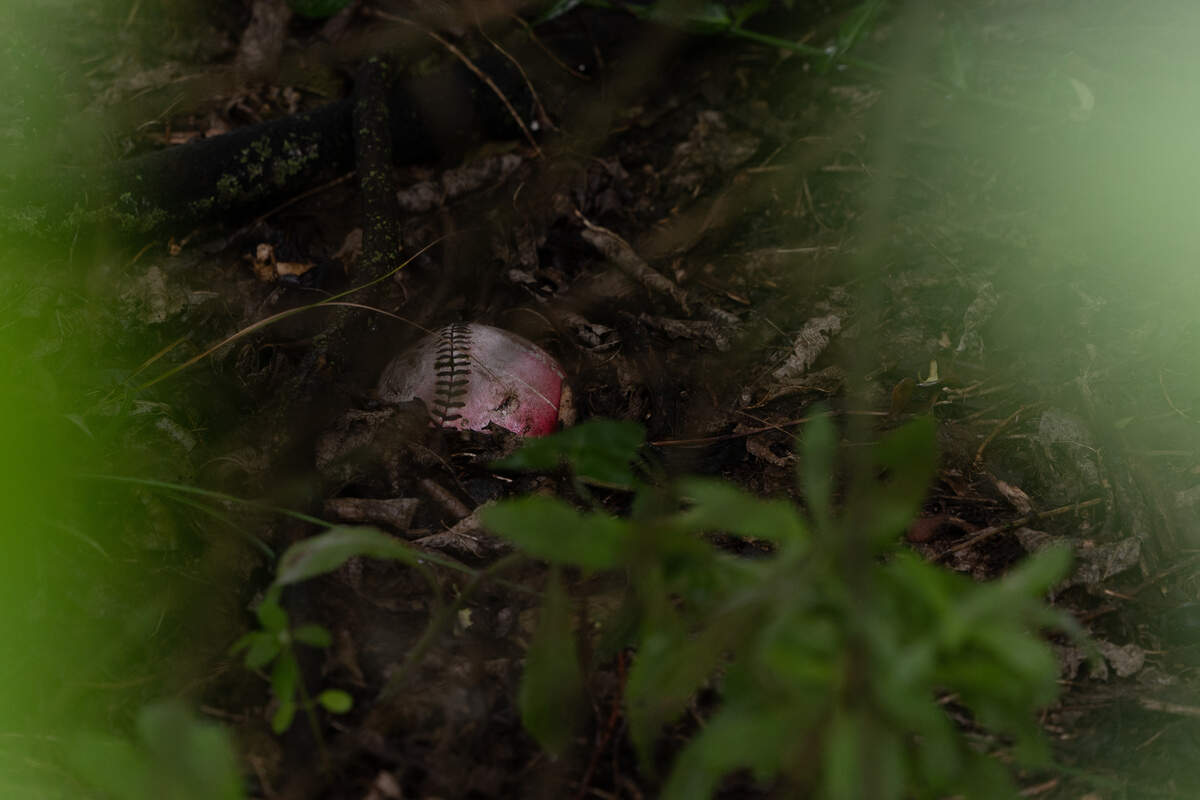
Someone recently dumped a defunct boat on the reserve, and volunteers and staff clean up all sorts of trash from the area. Volunteer events are typically held on a monthly basis, and you can fill out an interest form online to learn more.
Visiting another nearby sand prairie
While the Knoll Family Wildlife Sanctuary doesn’t yet have public access for those visiting without a staff member, Poag Sand Prairie is just down the road and is open to the public daily from sunrise to sunset.
Poag Sand Prairie is also owned by HeartLands Conservancy, and consists of 18.5 acres of rare sand prairie habitat. The Illinois chorus frog and prairie birds are found there, and you can explore a 0.75-mile mowed trail.
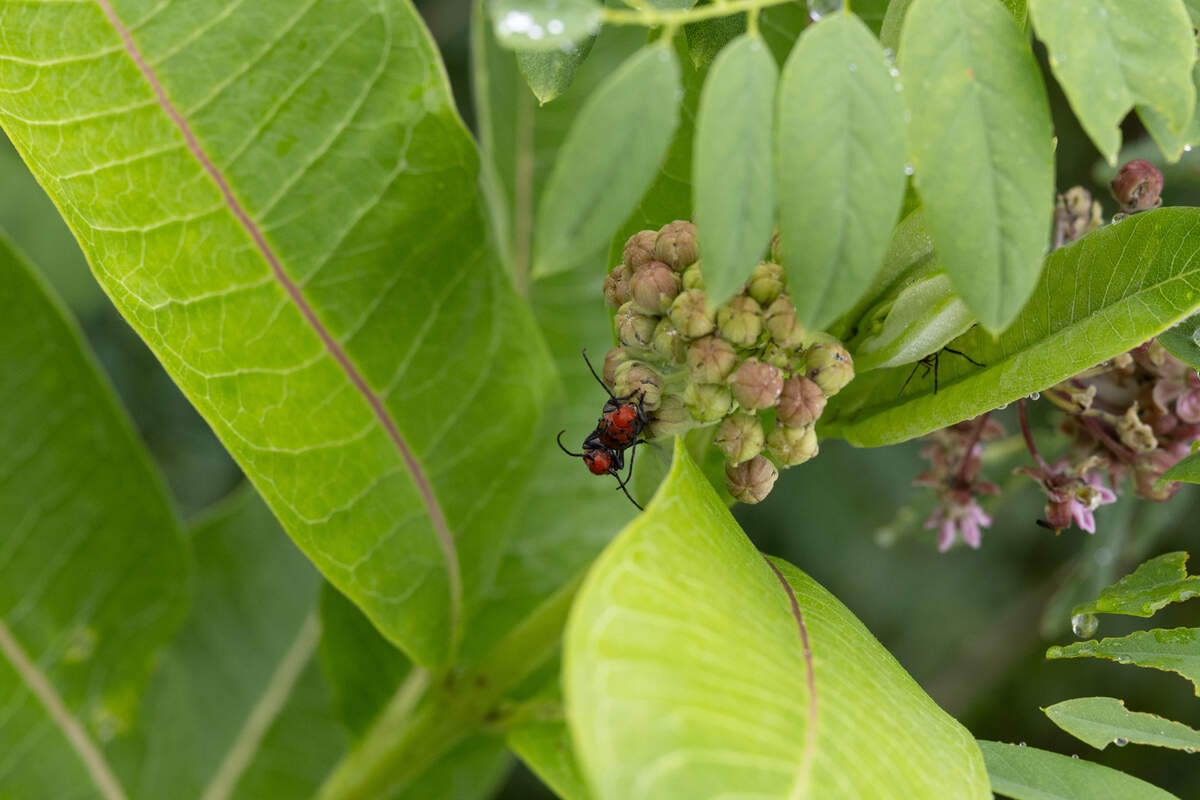
Unique species found on or nearby the sand prairie property include the tiger salamander, bobwhite quail, eastern prickly pear, purple-headed sneezeweed and Ohio spiderwort, according to conservancy staff.
Do you have a question about wildlife or the environment in Illinois for the News-Democrat? We’d like to hear from you. Fill out our Metro-east Matters form below.