Notable Belleville residents lived in houses that are gone or headed for demolition
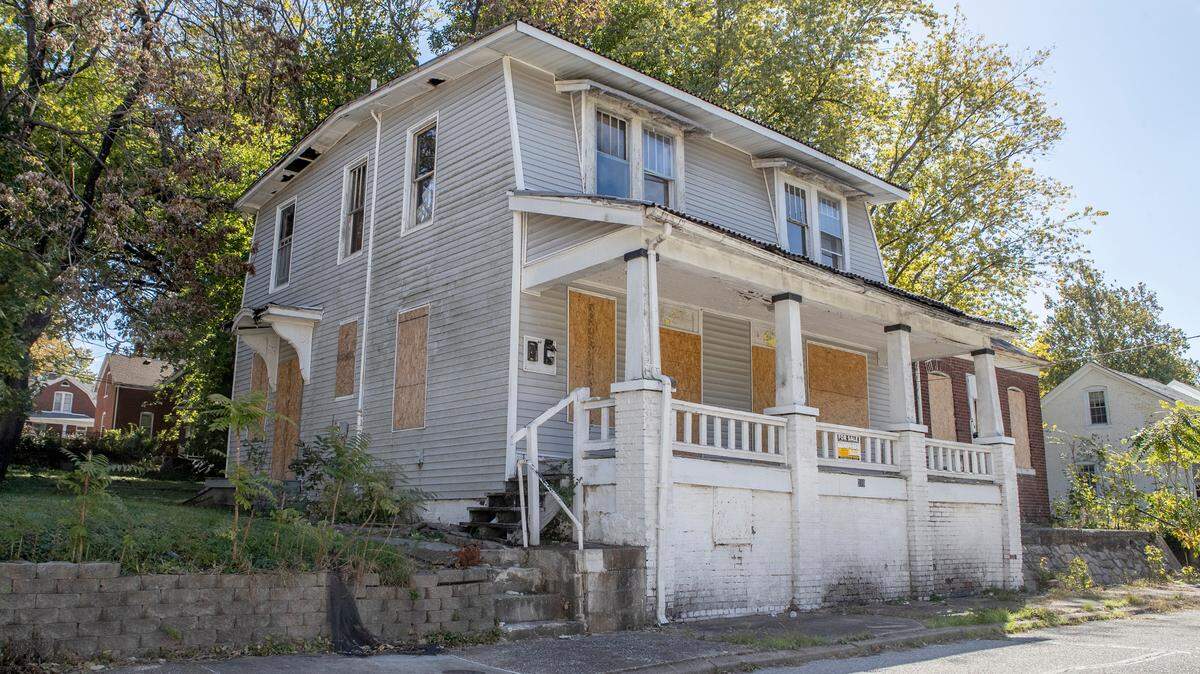
Deterioration and safety issues have prompted the city of Belleville to tear down 19th and early 20th century homes that some residents consider historically or architecturally significant.
Historians are particularly concerned about losing examples of an architectural style that was popular among working-class German immigrants in the 1800s.
German American folk houses, also known as German American street houses, were constructed of brick and built close to the street with small or non-existent front yards that left more room for gardens and livestock in back.
“They are in neoclassical or Greek-revival style, most often with symmetrical (mirror-image) front facades and little ornamentation except for the cornices at the top of the front wall,” said Bob Brunkow, historian for Belleville Historical Society.
Here are a few examples of demolished or soon-to-be-demolished German American folk houses and other historic homes in Belleville with notable former residents:
- A German American folk house at 818 W. Washington St. built in 1865. Once owned by John Mathes, a German brick mason and first local bricklayers union president who oversaw construction of the Cathedral of St. Peter and St. Luke Catholic Church. Torn down in 2015.
A German American folk house at 316 E. B St. built in the 1860s. Once owned by Milo Hilgard, a plumber who joined the U.S. Army, served on General “Black Jack” Pershing’s staff during World War I and received the Army Distinguished Service Medal. Torn down in 2015.
An Italianate-style home at 522 E. D St. built in the 1890s. Once owned by George W. Shipman, president of Western Keg, which was part of a key industry that produced kegs for nail factories. Torn down in 2020.
A German American folk house at 301 N. First St. built in 1852. It was the childhood home of Navy Commodore William Braunersreuter, who facilitated the Spanish surrender of Guam to the United States during the Spanish-American War. Torn down in 2020.
A German American folk house at 303 (307) S. Church St. built in the 1870s. Once owned by Henry Wilhelm, a shoemaker. Torn down in 2020.
A frame home in the style of German American folk houses at 1013 Freeburg Ave. built in the 1890s. Once owned by Peter Zink, board member for the United Mine Workers of America local and official with the Illinois United Mine Workers of America. Torn down in 2020.
.jpg "326, 324 N 1st St Belleville (1).jpg")
A German American folk house at 326-324 N. First St. built about 1870. Once owned by Burkhardt Krug, who immigrated from Saxe-Coburg-Gotha, Germany, served in the American Civil War, moved to Belleville to become a cooper (barrel-maker) and raised sons who continued the trade. Now being prepared for demolition.
A two-story frame home at 218 N. 11th St. built around 1875. Once owned by Martin Schnipper, St. Clair County sheriff during Prohibition. Also housed a saloon operated by his father. Now being prepared for demolition.
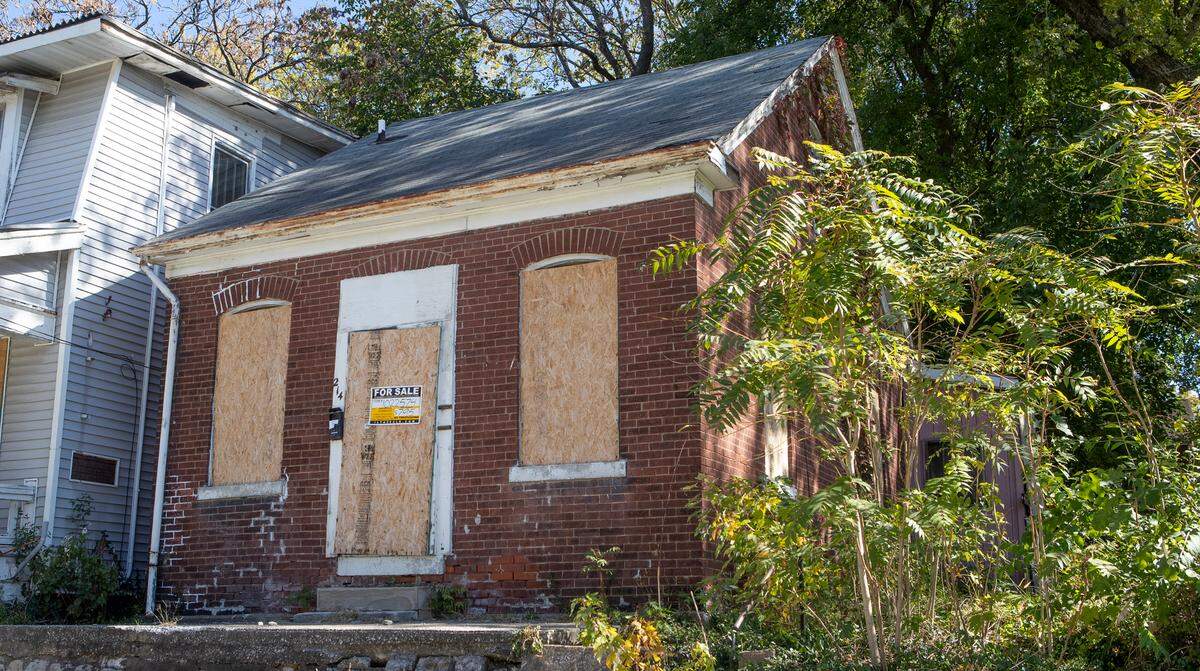
A German American folk house at 214 N. 11th St. built in 1874. Once owned by Italian immigrant Dominic Gannotte, who worked in the coal industry. Now being prepared for demolition.
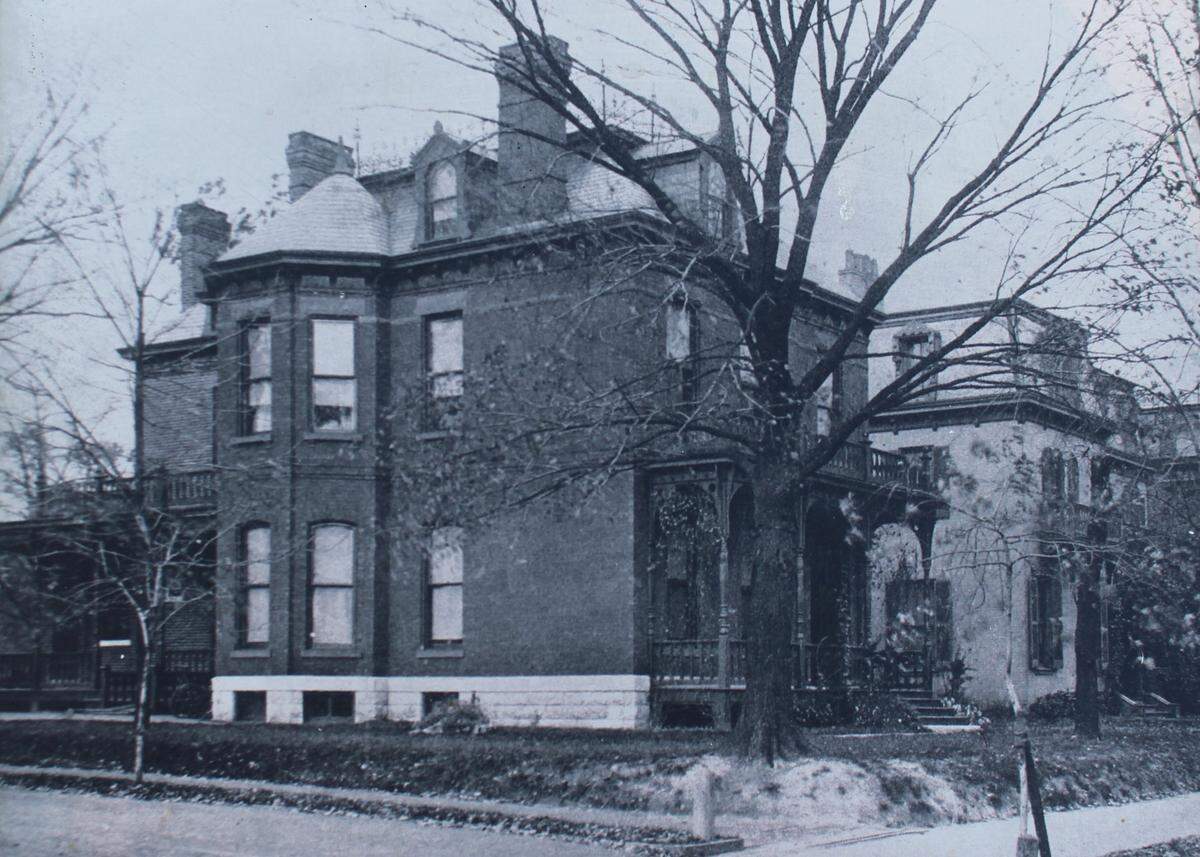
An Italianate-style brick “mansion” at 107 E. D St. built in 1884 by German immigrant Amson Baer, a mule-trader. Later owned by the families of Dr. Frank Auten and Dr. Benjamin Twitchell. Recently removed from this year’s demolition list due to interest from potential renovators.
This story was originally published November 10, 2022 at 6:00 AM.