
Early childhood program in O’Fallon District 90 making positive impact on young families
To see young children go from shy to social and reassure parents and give them tools and resources has been the driving force behind those who operate the Birth to Three program in O’Fallon schools.
The early childhood program in O’Fallon School District 90 is not only making a daily impact in young families but recently was recognized with a quality designation.
Birth to Three has received Quality Confirmation status with BabyTalk, an educational non-profit organization based in Decatur, Illinois, whose mission is to positively impact child development by nurturing healthy and responsive relationships during the critical early years.
Its family engagement model is used by District 90. Their confirmation to use the BabyTalk program is valid for five years. Their statewide Learning Institute offers support in addition to ways to engage, connect and nurture families.
Gina Harding, director of early learning, Before and After Care, and Title 1 in the district, said she was very proud of the team for their hard work.
“I look forward to great success in the future,” she said. “This is because of their hard work and commitment to the District 90 families and children they serve. The designation is only reached when the highest levels of quality have been demonstrated through observations, interviews, and on-site reviews.
Kristi Holliday is the supervisor, and she works with three other home visitors — Kayce Anderson, Jennan Bolk and Julie Ritter. They currently work with 55 children and 47 families. Their year runs July 1 to June 30, and the families must go through an approval process.
Harding described Holliday as “dedicated, passionate and very hardworking.”
Holliday said being there to offer help has been rewarding.
“We’re not the child’s teacher. We’re here for family support. But it’s a huge thing, to establish a good relationship and it really helps with a child’s transition to preschool,” she said.
“It’s a positive experience for parents. They see that we want what is best for them,” Holliday added.
Kayce Anderson is in her third year as a home visitor, working with 16-17 families. She begins with some mothers when they are pregnant, and then is there for the growth and development of the child.
Jennan Bolk and Julie Ritter have prior experience in early education and see the benefits of this targeted program. Ritter said early intervention is crucial for speech development.
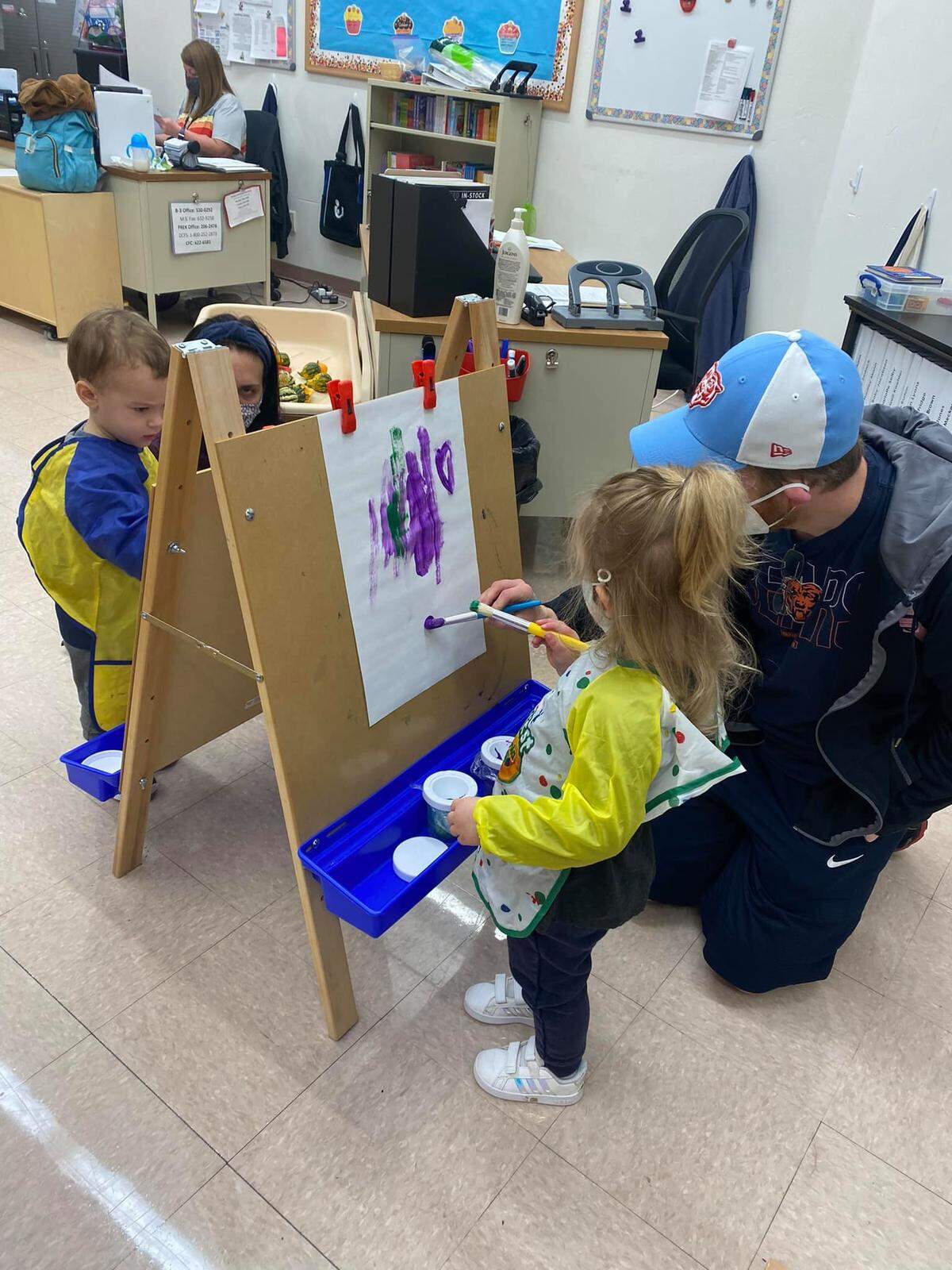
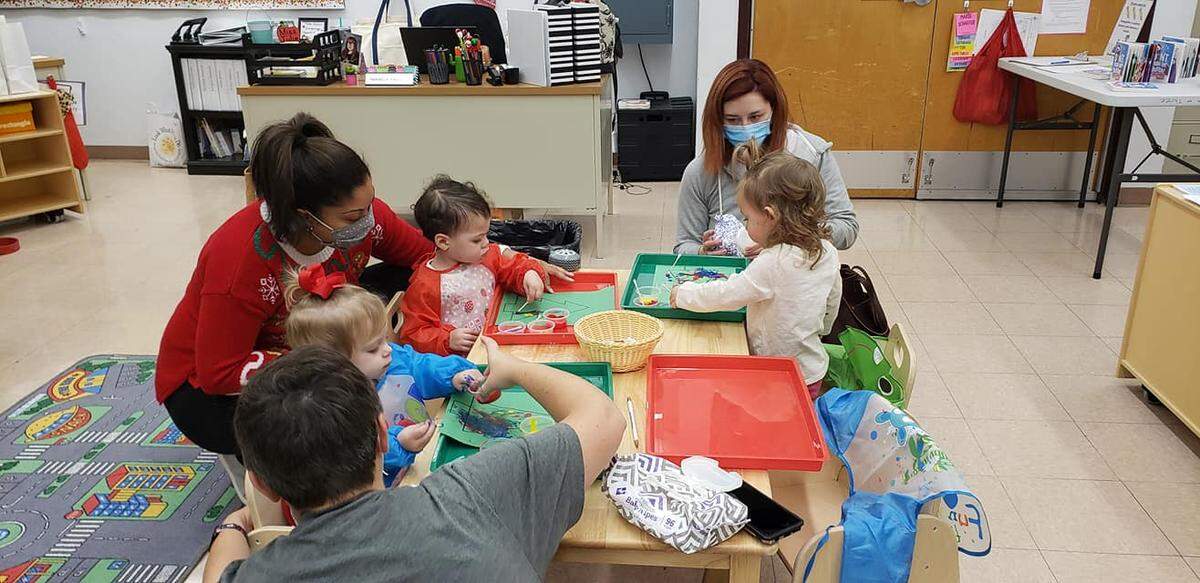
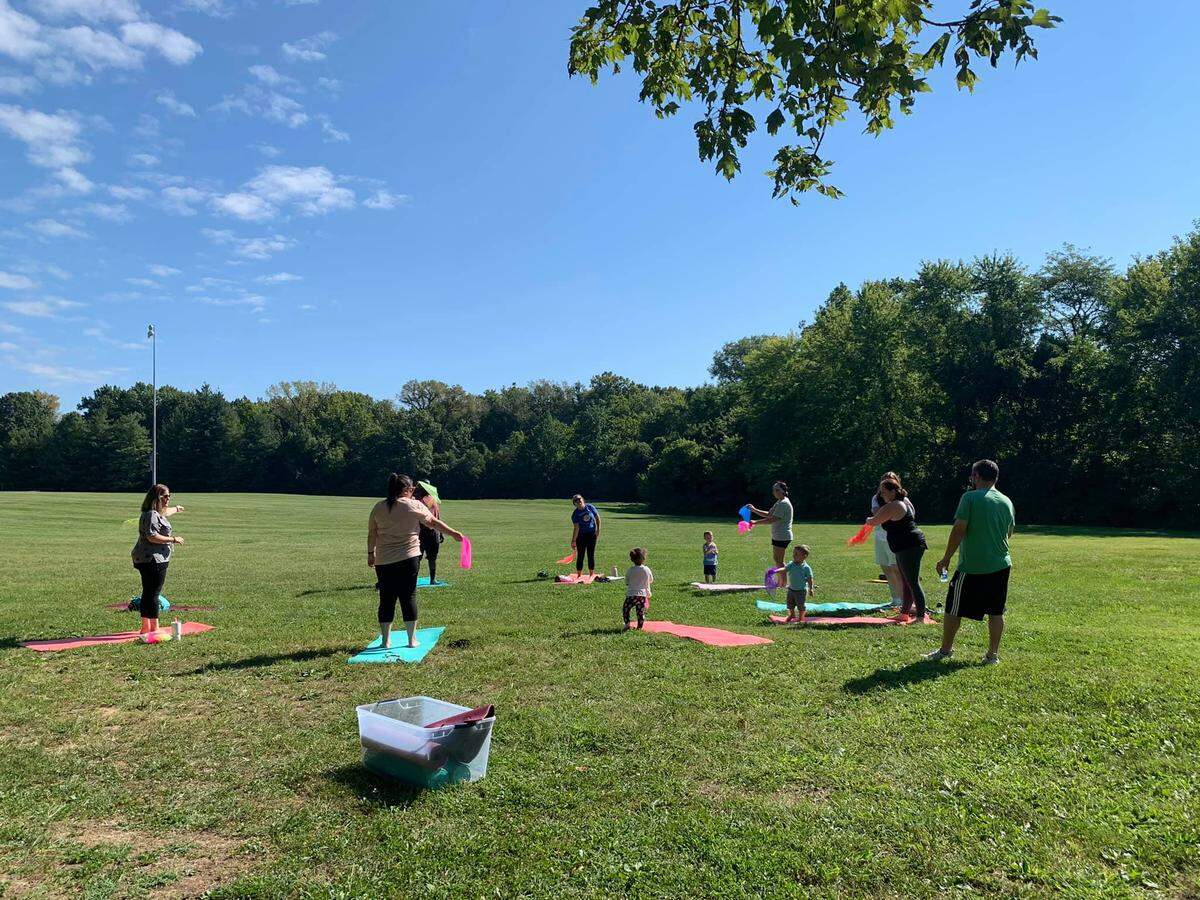
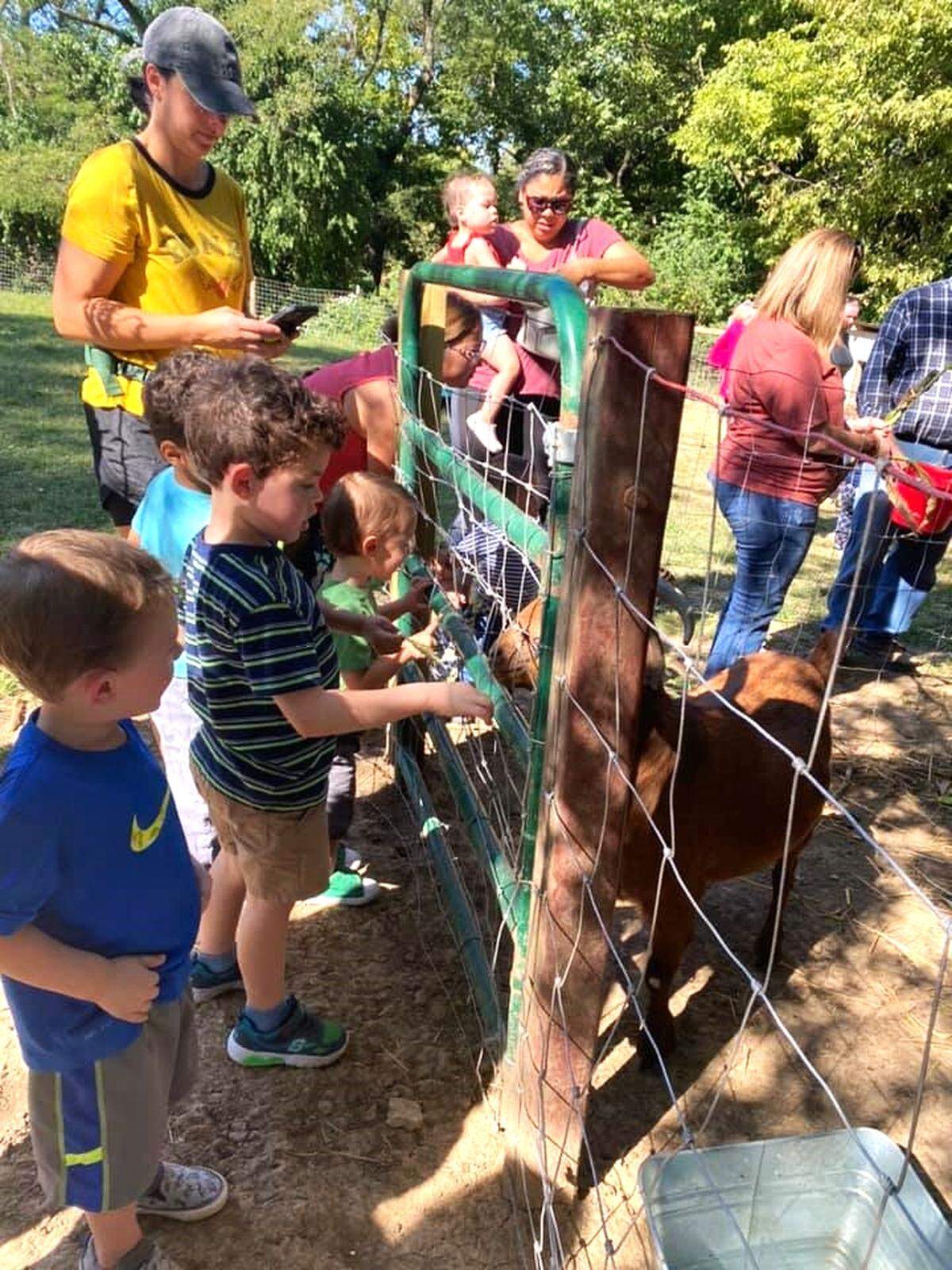
The home visitors provide screenings, work closely with the parents on their concerns, conduct educational events once a month for parents, and then schedule play groups and field trips so that they all can socialize, which is an important component to development.
“It’s a big aspect of it. The families have become really good friends,” Ritter said. “The children need to be exposed to other children.”
“We work with many military families. Some have just moved here. It’s good for them to make a connection. Getting community support is important,” Anderson said.
Messages of gratitude
Ritter said they receive messages of gratitude and continue relationships after the child ages out of the program.
“We know the impact when parents message us and tell us thanks for everything,” she said. “We really get close to some of the families.”
Holliday said the mother’s group is their biggest help in recruiting new families for the program.
Much of the past two years’ activities have been on Zoom, but they are still beneficial.
“People have gotten used to it,” Holliday said.
She described presentations on such topics as discipline and potty training as “wonderful.”
One of the detriments to the COVID-19 pandemic has been the isolation for families.
“We see this in 2-year-olds. They have not been around people for their whole life. They were kept in the house. We’ll be seeing this in the next few years, how that slowed down some development,” Anderson said.
Holliday said it’s been a stressful time for families, particularly if older children were in remote learning and adults worked virtually from home.
Building a Home Library
Books are a part of every visit, too, so families can build a library. Holliday said grant money is used to purchase the books. They encourage moms to read to their children, even in the womb.
“It’s a way for parents to connect to their child. It’s very important,” Bolk said.
Just another set of eyes is significant, too.
Holliday said a parent thought her son may be autistic, and they helped with early intervention because they saw him.
Reassuring parents is another aspect of the program, Ritter said.
“They might not be confident. But we need to tell them they’re doing a good job, they are doing everything they can,” she said.
‘We see people become lifelong friends’
All noted the program will be stronger with the BabyTalk learning institute’s help.
The educators expressed thanks to their administration — Gina Harding and Superintendent Carrie Hruby — for their support, as well as the community partners who provide meals and other items.
They have seen shy children blossom, and mothers too — from a mom who did all the talking for a youngster to having them become very outgoing, and the confidence both gained.
The success stories keep them motivated.
“We see people become lifelong friends. We get close to them and watch the kids grow up,” Ritter said. “We stay in contact with them and they know they can reach us when they need to.”
Of note, this is the fourth year of the program, which received a five-year grant.
This story was originally published March 1, 2022 at 1:27 PM.