Calls mount for changes at Amazon after tornado, but no one commits to IL code revisions
READ MORE
More coverage of the Amazon warehouse disaster
Read more of the BND’s stories following a tornado that killed six at an Amazon warehouse in Edwardsville on Dec. 10, 2021.
Expand All
More elected officials on Wednesday called for a review of safety policies at Amazon’s warehouses following a deadly tornado earlier this month, but none have yet committed to leading an investigation into possible building code revisions.
Democratic U.S. Sens. Tammy Duckworth and Dick Durbin, along with 13 U.S. representatives from Illinois, sent a letter Wednesday to the president and CEO of Amazon, Andy Jassy, urging him to “develop and implement a stronger emergency action plan at Amazon warehouses.”
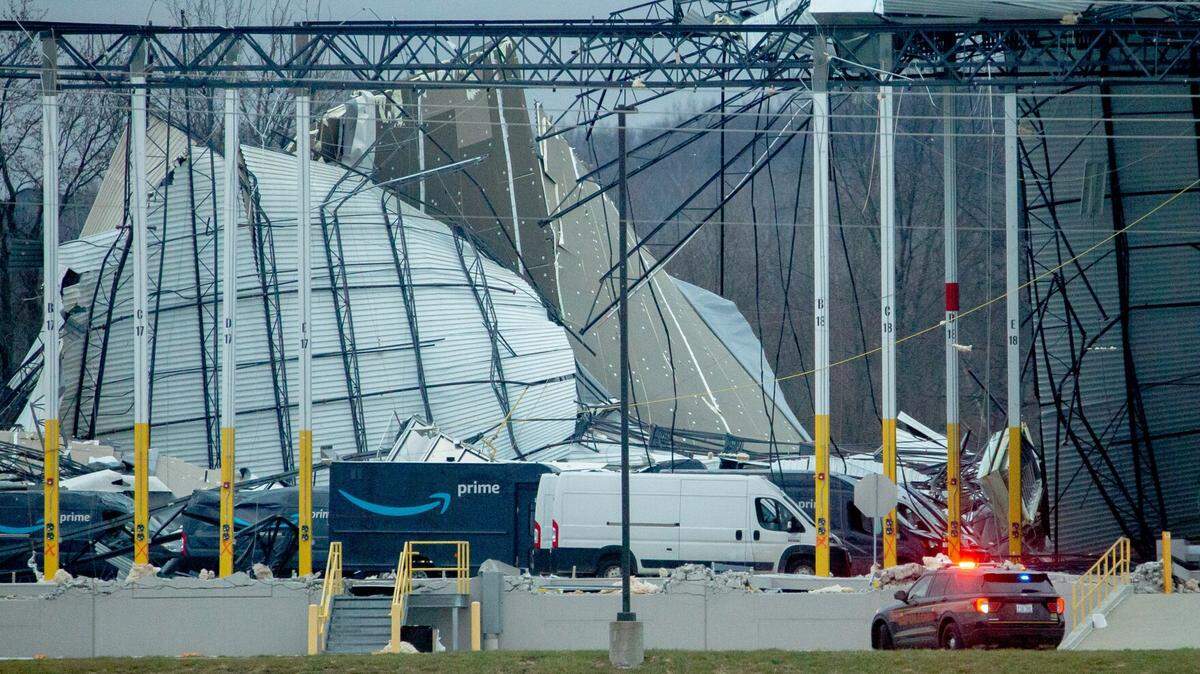
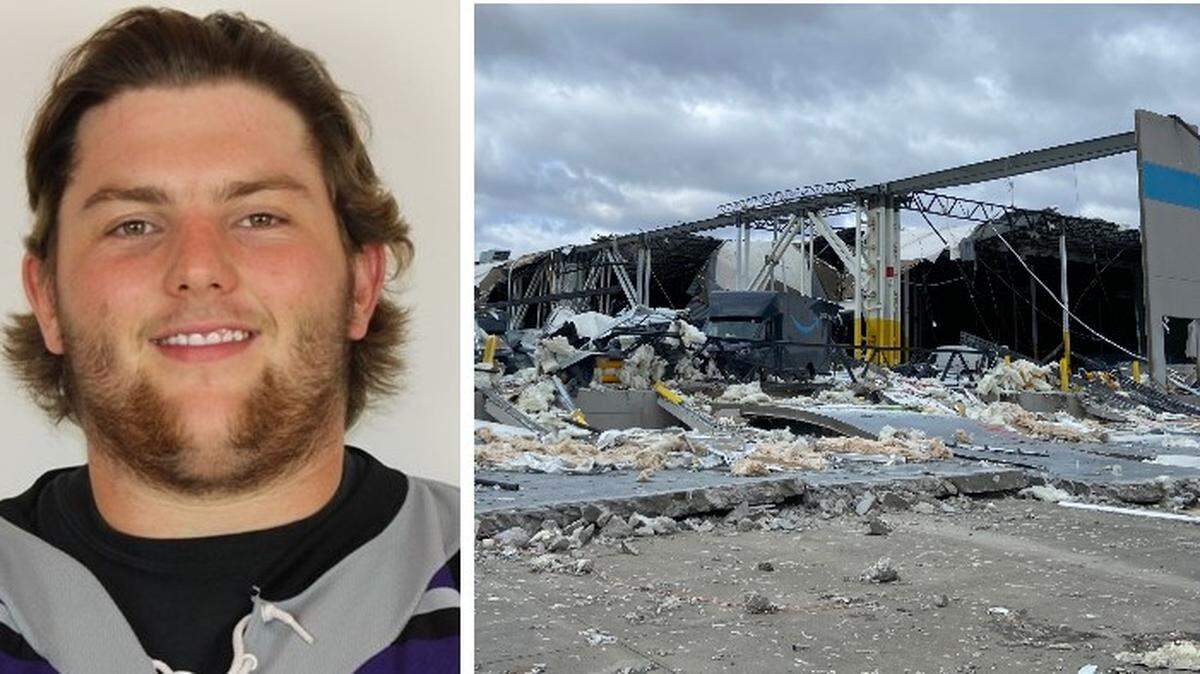
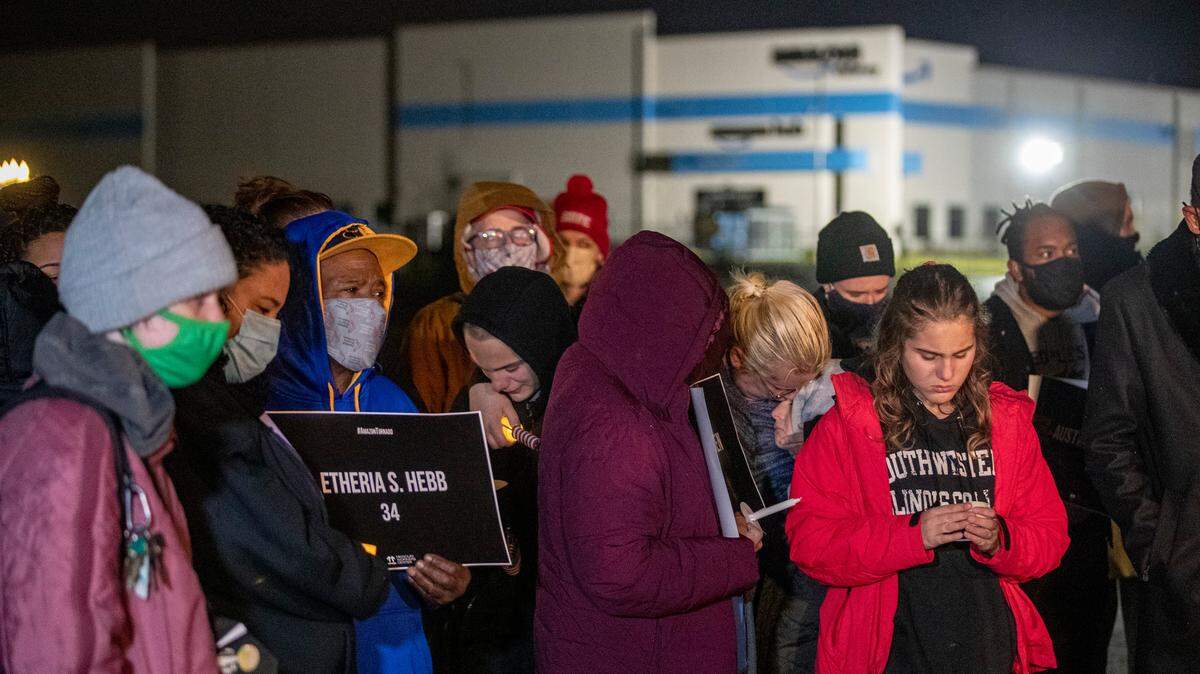
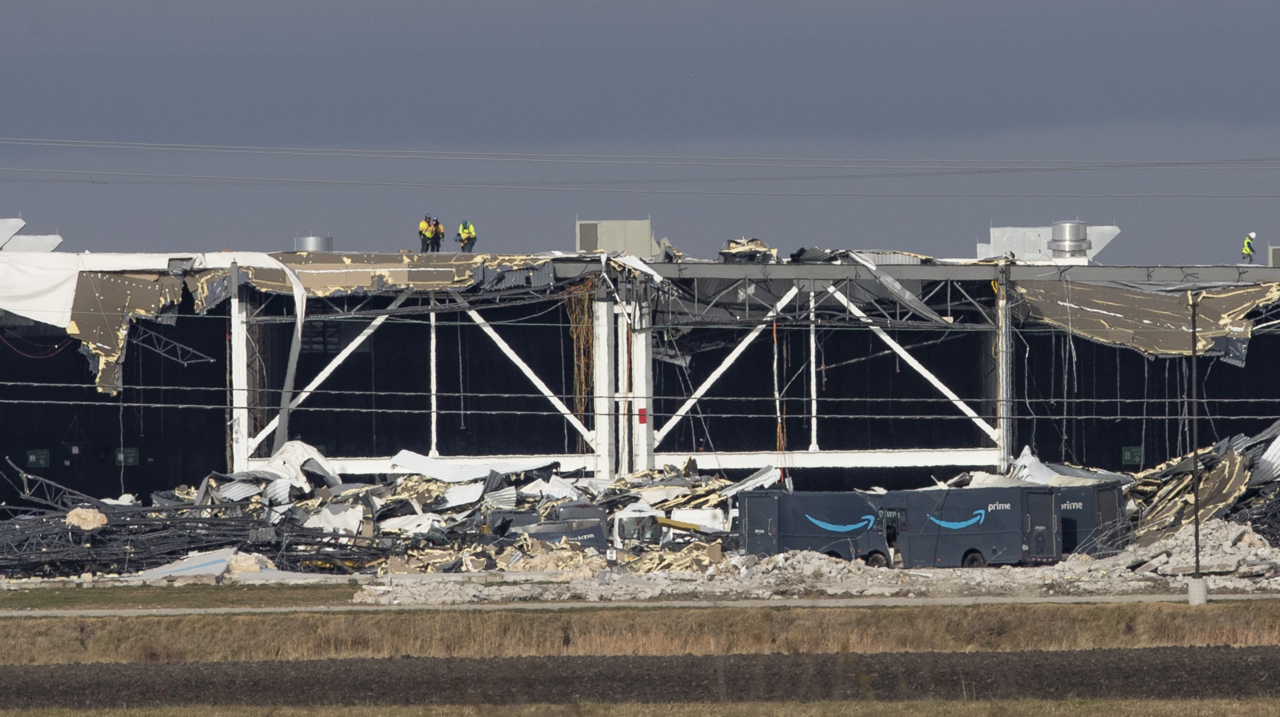
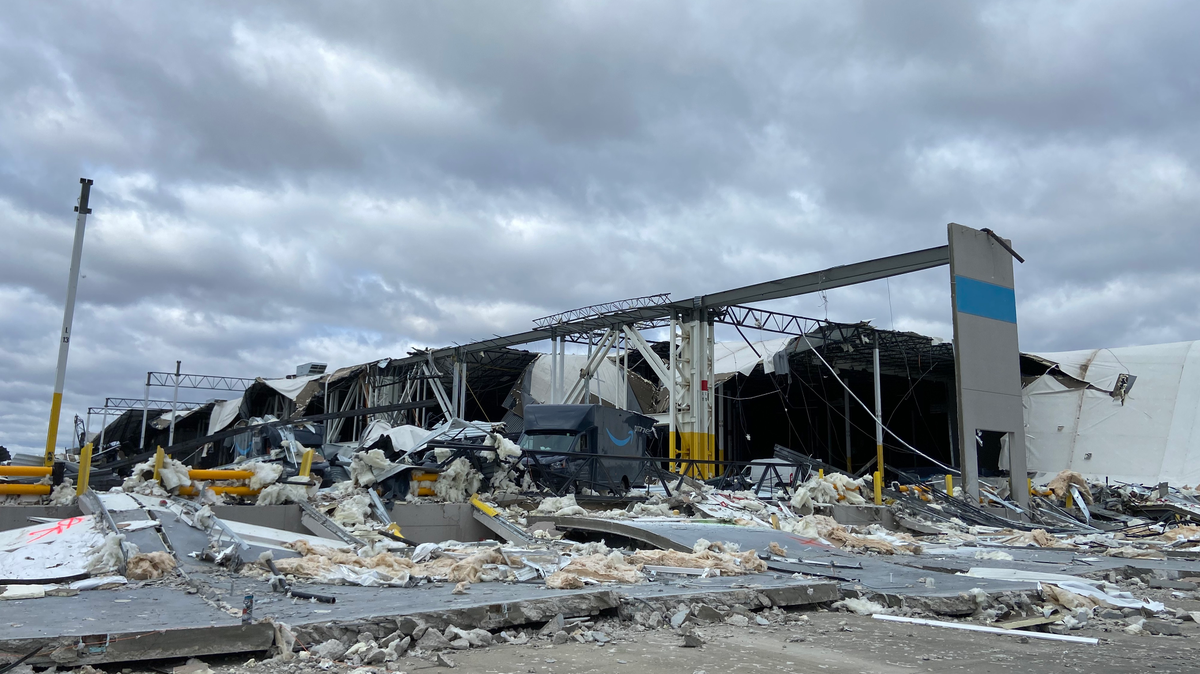
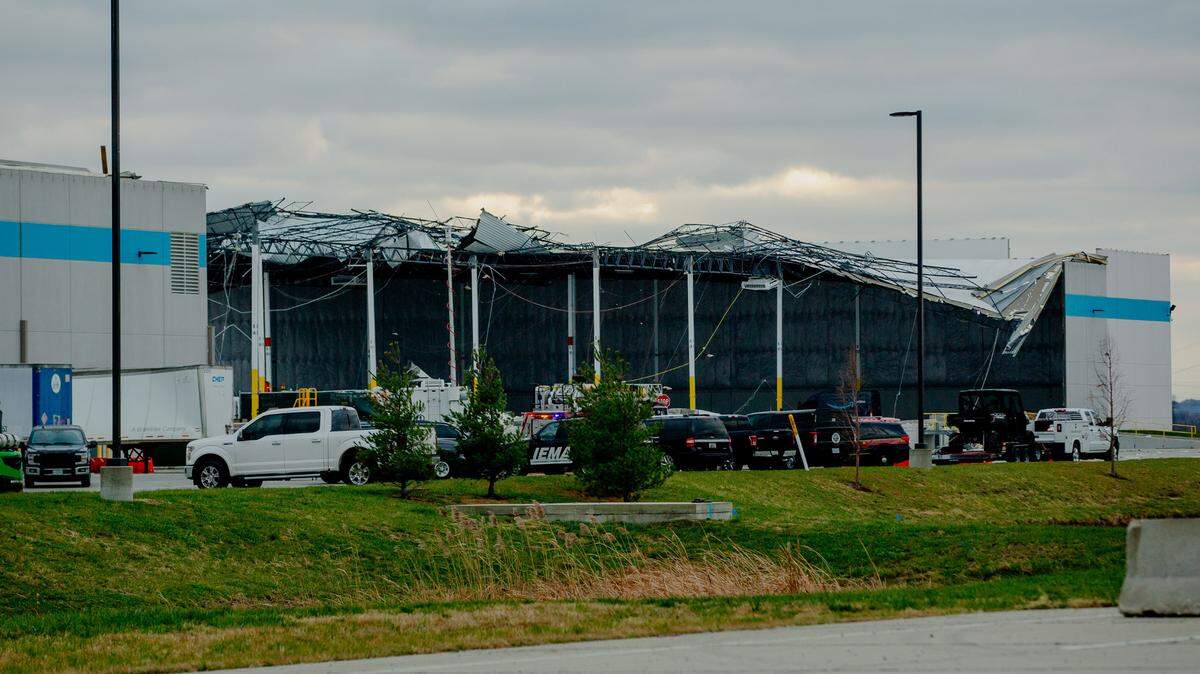
Six people died on Dec. 10 in the tornado that hit the Amazon warehouse in Edwardsville.
It isn’t the first time a tornado has caused deaths in similarly constructed building, said Larry Tanner, an architectural engineer who worked at Texas Tech University for 20 years testing shelters. For instance, eight people died in a Joplin, Missouri, Home Depot in 2011, Tanner said.
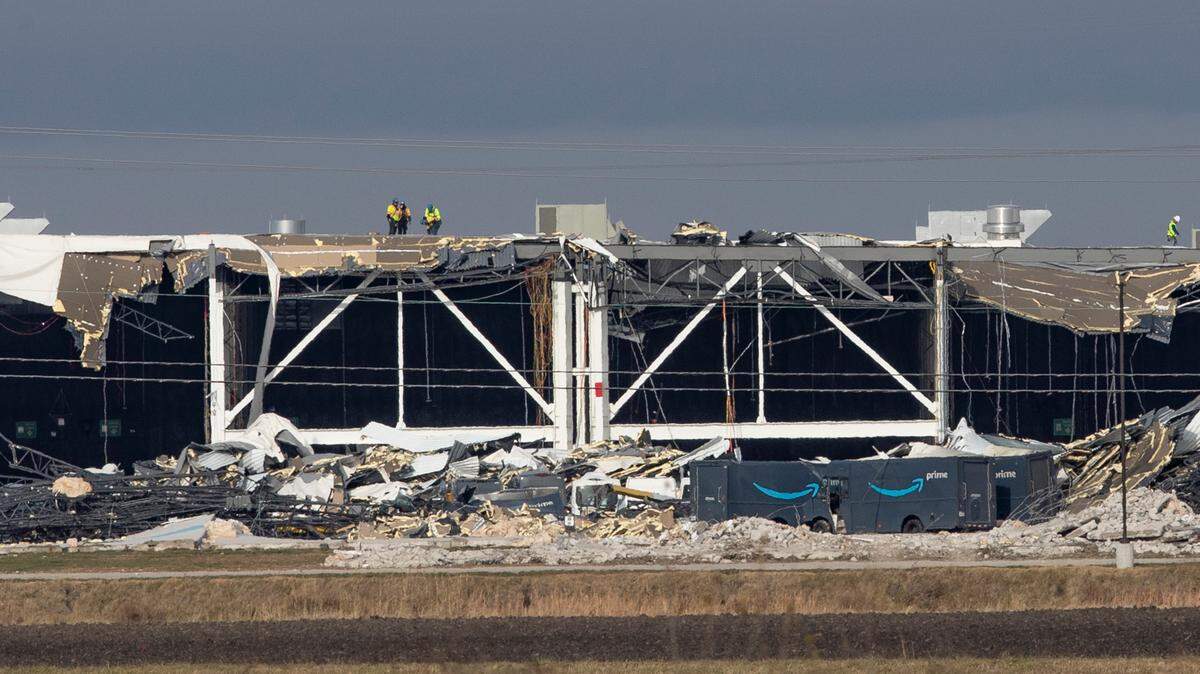
“They all fail similarly in that the winds are sufficient enough from 130 mph to lift up the roof decking, the steel decking, and when you lift those up, you start a chain of failures,” Tanner said. “That same set of dominoes has occurred forever in these storms. The taller the building, the longer the spans, the greater catastrophe.”
“That’s not to say the buildings aren’t built properly. They are built to code,” he added. “You really can’t prevent these buildings from failing under high winds, but what you can do is you can protect the people that are inside the buildings.”
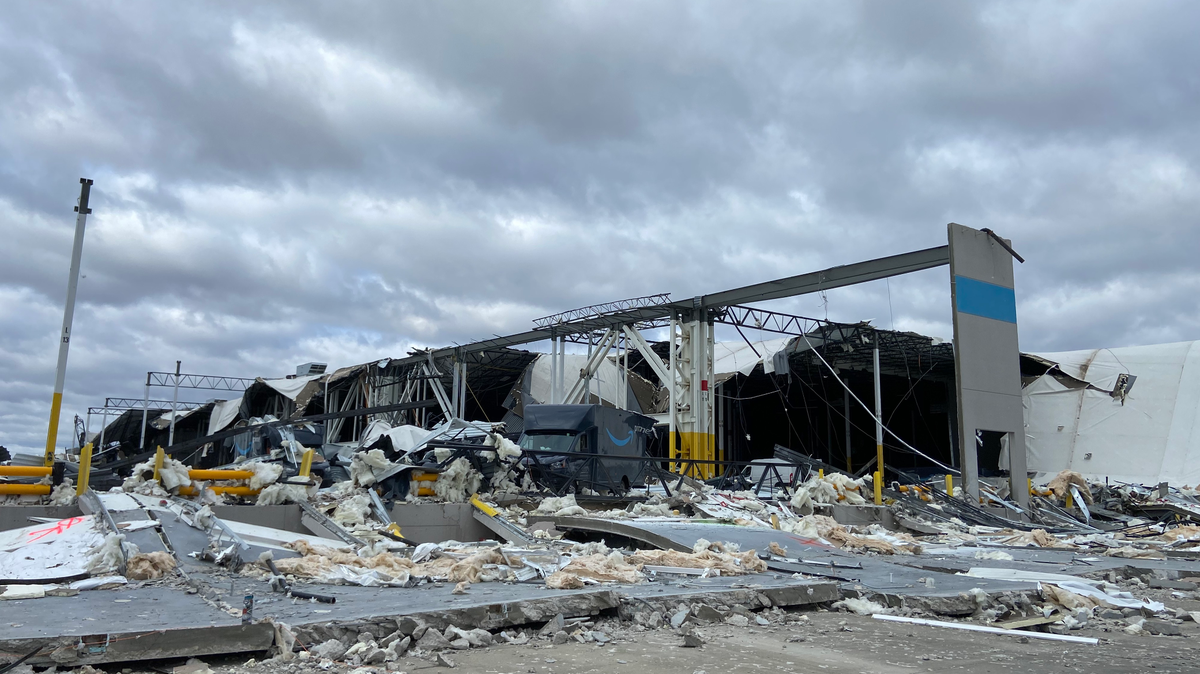
In Edwardsville, the EF-3 tornado hit estimated peak winds of 150 mph, and toppled about 150 yards of roof and concrete walls at the warehouse on Gateway Commerce Drive.
Duckworth and Durbin welcomed an investigation by the Occupational Safety and Health Administration, or OSHA, but that investigation will not examine the construction of the structure or whether it met building codes or whether those codes should change, according to an OSHA spokesman.
An Amazon spokeswoman has said the warehouse was built to code.
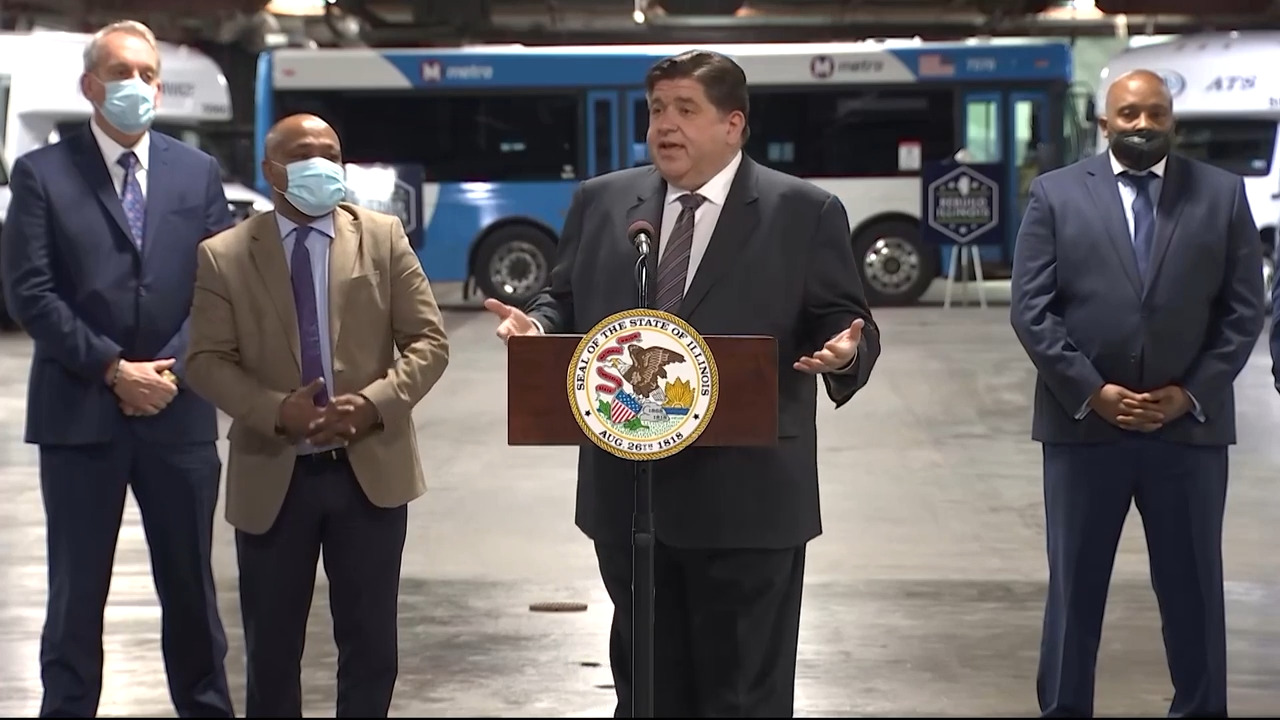
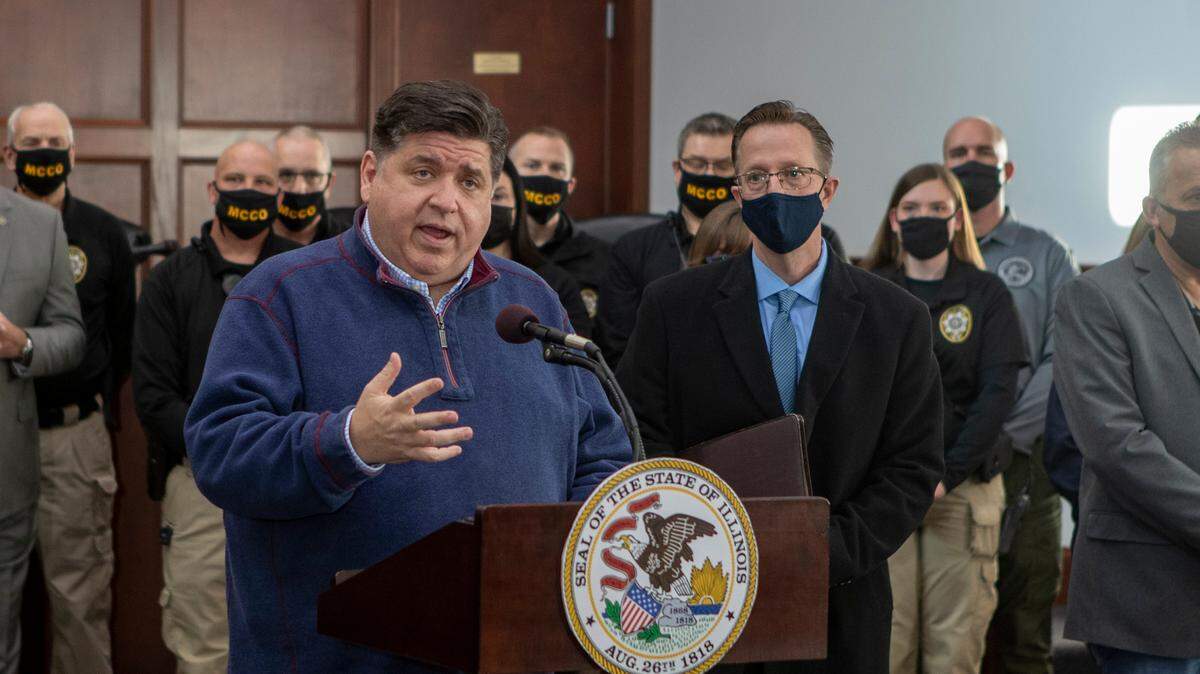
Illinois Gov. J.B. Pritzker said at a news conference held near the warehouses last week that, even if the buildings were up to current standards, codes may need to be updated because of increasingly unstable weather patterns due to climate change.
“It makes us wonder, to say, there are legislators here too, about whether or not we need to change code based upon the climate change that we’re seeing all around us,” Pritzker said in the news conference on Dec. 13. “Suffice to say that’s something we’re deeply concerned about.”
Yet neither Pritzker nor any local elected officials have said they will lead the charge in going beyond whether existing code was followed and investigating how it might be changed.
A spokeswoman for Pritzker has not returned multiple requests for comment since Dec. 15. Edwardsville Mayor Art Risavy could not be reached for comment on Tuesday or Wednesday.
The warehouse’s construction came into question after Amazon officials said the six people who died were not in the building’s shelter in place area. The Edwardsville facility measured 1.1 million square feet, said Amazon spokeswoman Kelly Nantel at a Dec. 13 news conference in nearby Pontoon Beach.
“By the time the (tornado) warning came through, it was a matter of minutes. It moved very quickly,” Nantel said.
Thirty-nine people were in the shelter area on the north side of the building, while the six people who died and a seventh person who was injured were on the south side where there was no shelter, said Amazon senior vice president of global delivery services John Felton at the same news conference. It’s not clear why the workers didn’t make it to the shelter area.
The north and south ends are constructed the same. The shelter area is safer during a tornado because there are no windows there, Nantel said.
State Rep. Katie Stuart, D-Edwardsville, urged OSHA to do an audit of building codes. But after OSHA said it doesn’t review building codes, a representative from Stuart’s office said the “important thing” is to “determine if it provides for adequate protection and safety in buildings such as these warehouses during natural disasters.”
Stuart did not return multiple requests for comment on who would be making those determinations.
A representative from Amazon could not be reached for comment on Wednesday regarding the senators’ letter but last week Nantel said the company welcomed all investigators reviewing what happened.
“Obviously we want to go back and look at every aspect of this. There’s always going to be tremendous learning after any type of catastrophic event like this,” Nantel said at the Dec. 13 news conference. “We want to make sure our policies, our practices are consistent with any learnings that we have from this event.”
State Sen. Chris Belt, D-Swansea, said building codes “should be looked into,” but said he hasn’t started an investigation into how codes could be improved. Other metro-east officials did not respond to requests for comment.
Pritzker said at the Dec. 13 news conference he was still focused on recovery but pledged to look at possibilities for revising code.
“We will work on it together, again, to examine what happened here, the effects of the tornado on the building, the architect’s design, the engineer’s design and so on.”
How could codes be changed?
Tanner, the architectural engineer, said it’s relatively easy to construct tornado shelters in warehouses, though he hasn’t heard of any building codes to require them.
In 2015, the International Building Code — a minimum set of building standards followed by most municipalities in the U.S. — updated its recommendations for buildings such as schools where a tornado poses a high risk for loss of life, Tanner said. He worked with school districts to update buildings and make them safer by including shelters in gymnasiums, locker rooms, classrooms and other locations.
“It costs more per square foot, but it’s well worth it,” Tanner said.
Warehouses could be constructed so interior walls are shorter than the exterior walls, making them less likely to collapse. Locker rooms, break rooms or restrooms could be built with reinforced concrete blocks.
Those are things lawmakers could mandate through legislation, he said. Illinois has done it for schools, for instance.
“For those kinds of companies, it’s really a drop in the bucket. It’s really not all that expensive,” Tanner said. “It’s so logical and all these big companies with these big warehouses, they have big bucks, they have big dollars. They have much deeper pockets than school districts, that’s for sure.”
Reporter DeAsia Paige contributed to this report.
This story was originally published December 23, 2021 at 5:00 AM.