Experts say Illinois warehouses need storm shelters. Would that drive businesses away?
READ MORE
More coverage of the Amazon warehouse disaster
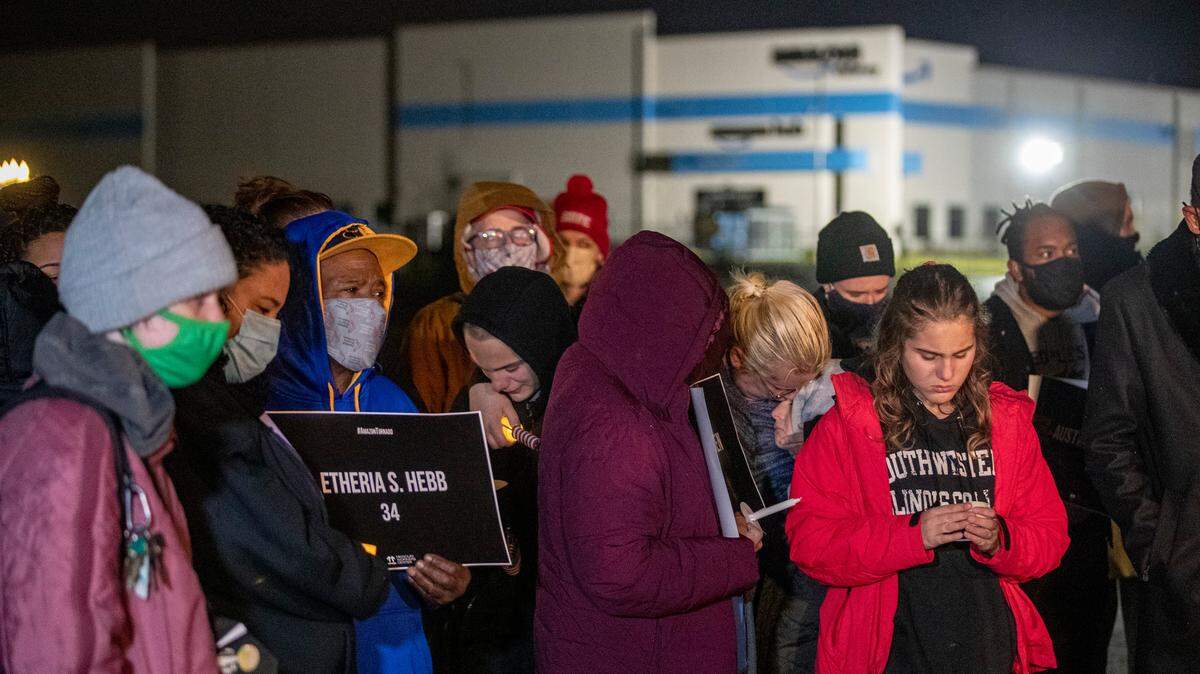
Read more of the BND’s stories following a tornado that killed six at an Amazon warehouse in Edwardsville on Dec. 10, 2021.
Expand All
Requiring storm shelters is the best way to protect warehouse workers from deadly tornadoes, experts told lawmakers in a hearing Monday roughly two months after six workers died in an Amazon facility in Edwardsville.
But concerns about losing business to overregulation were also on the table.
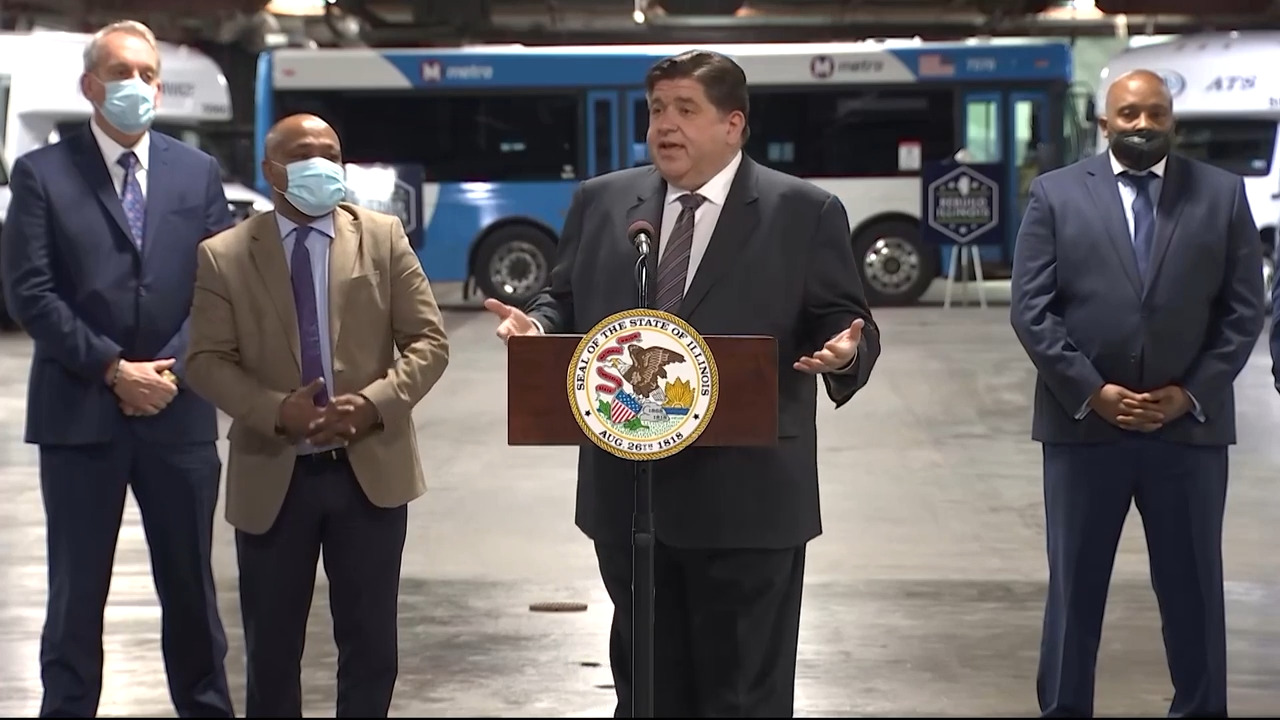
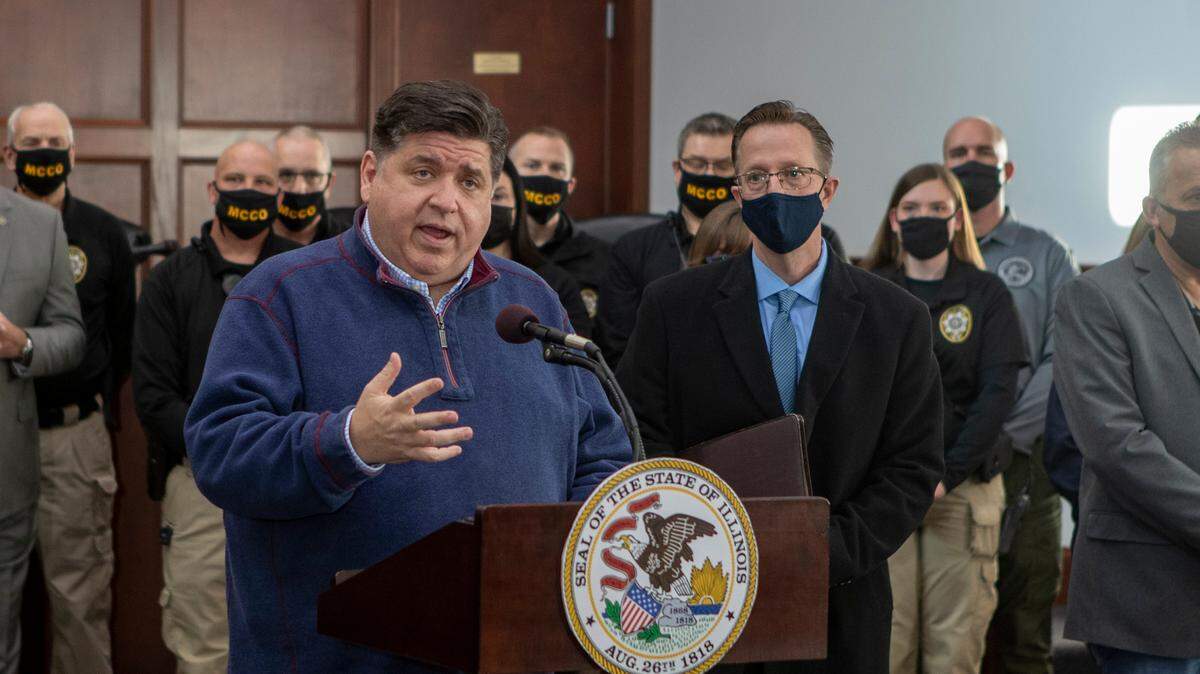
State Rep. Katie Stuart, D-Edwardsville, held the virtual hearing with metro-east lawmakers, storm shelter experts, union officials and warehouse company representatives. Gov. J.B. Pritzker promised in late January lawmakers would hold hearings, and Stuart said her office has been gathering information on possible changes.
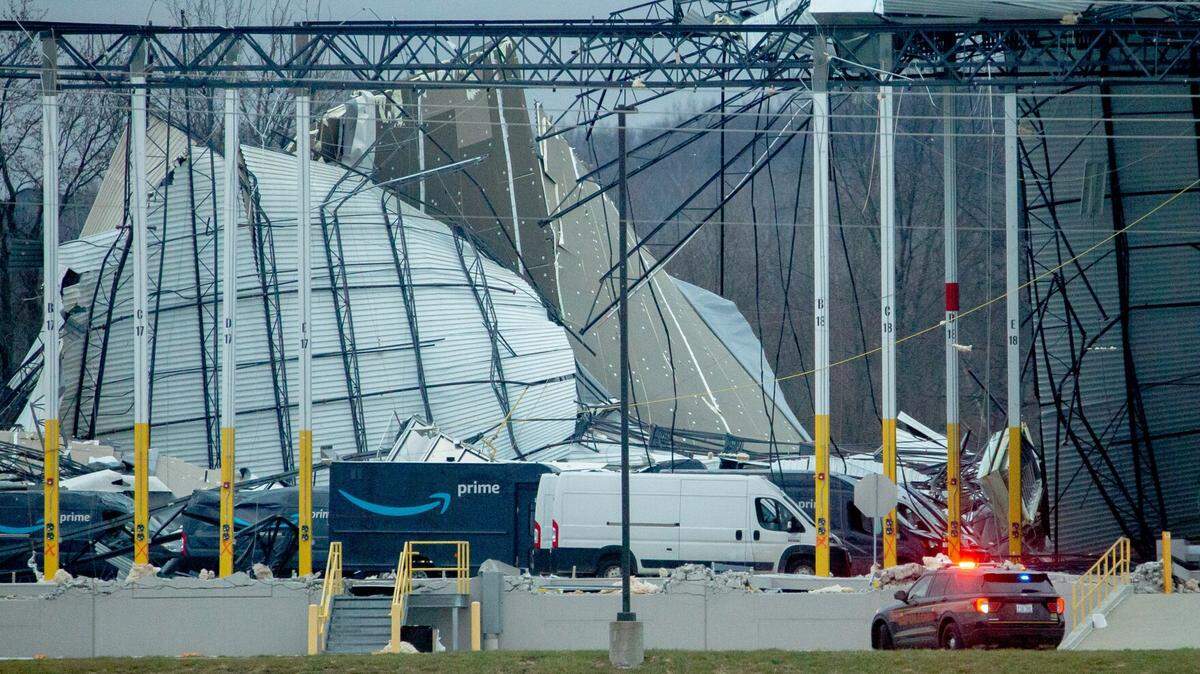
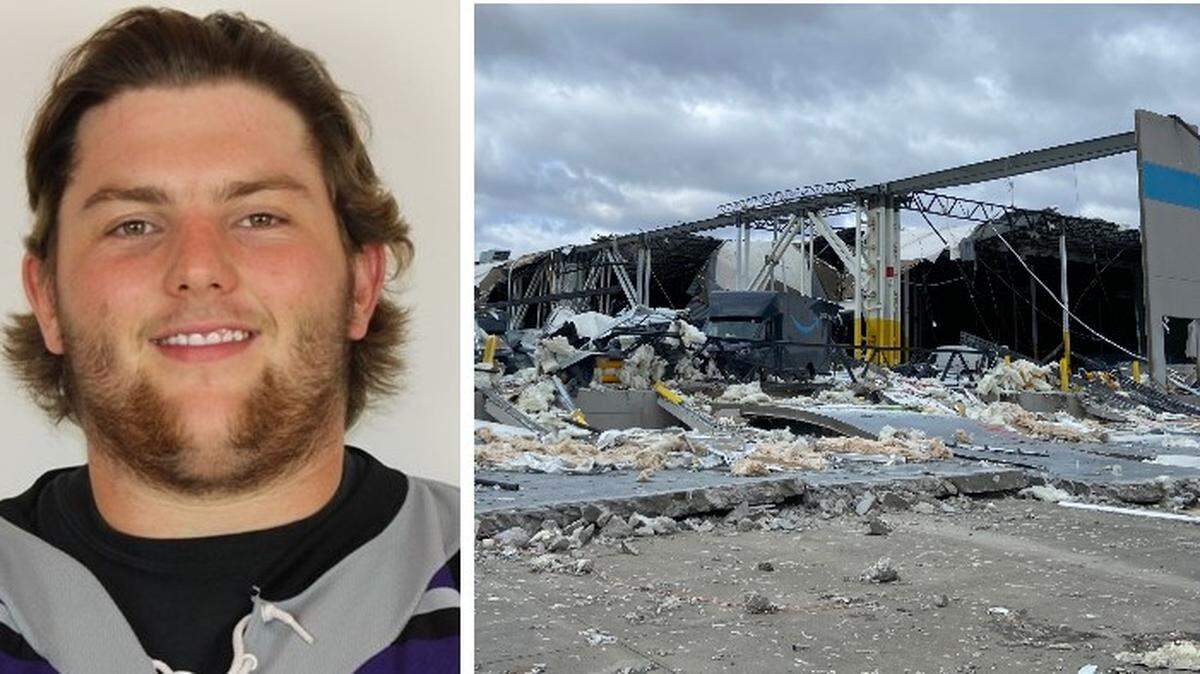
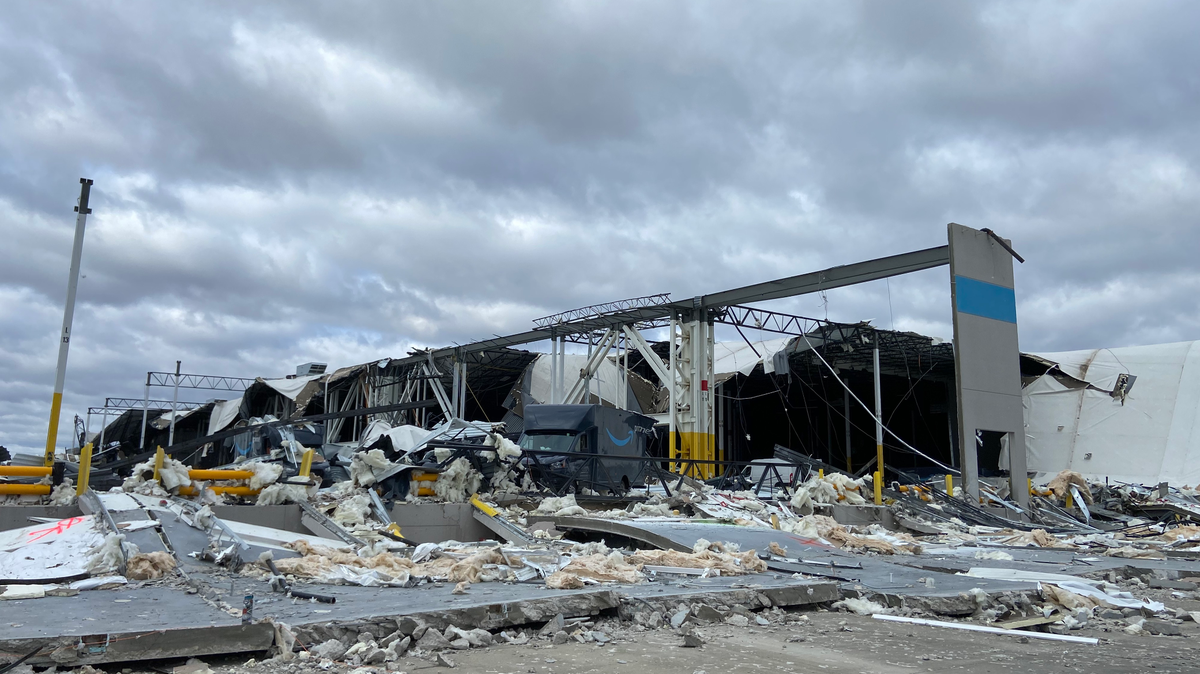
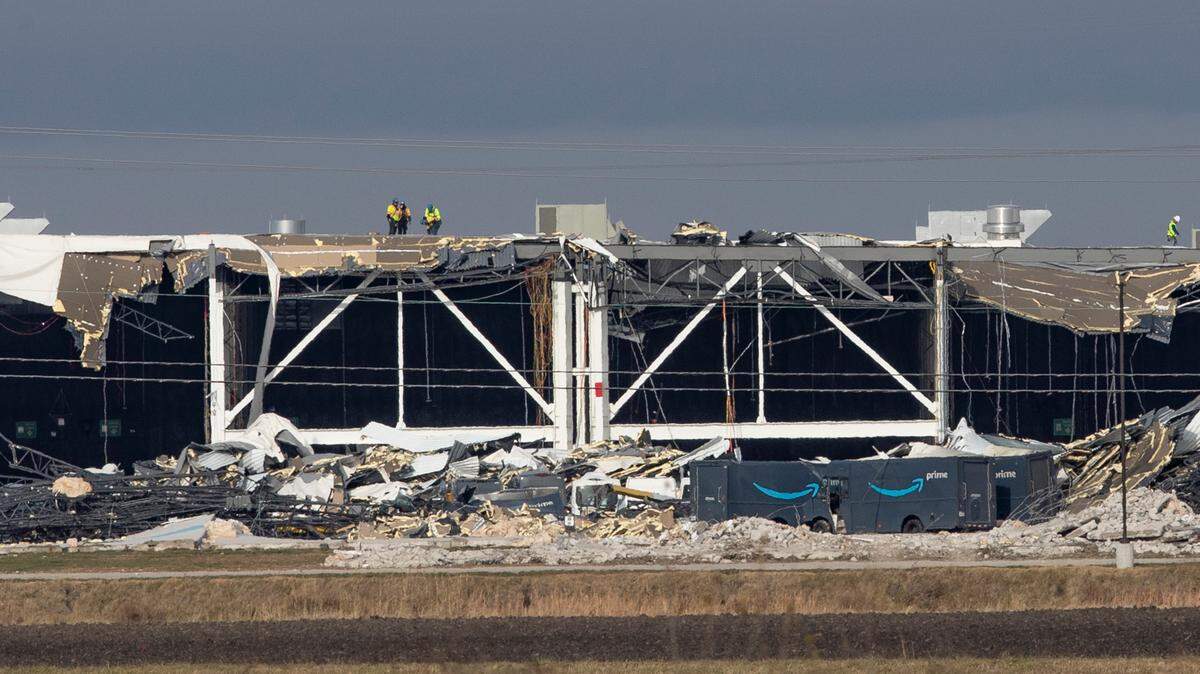
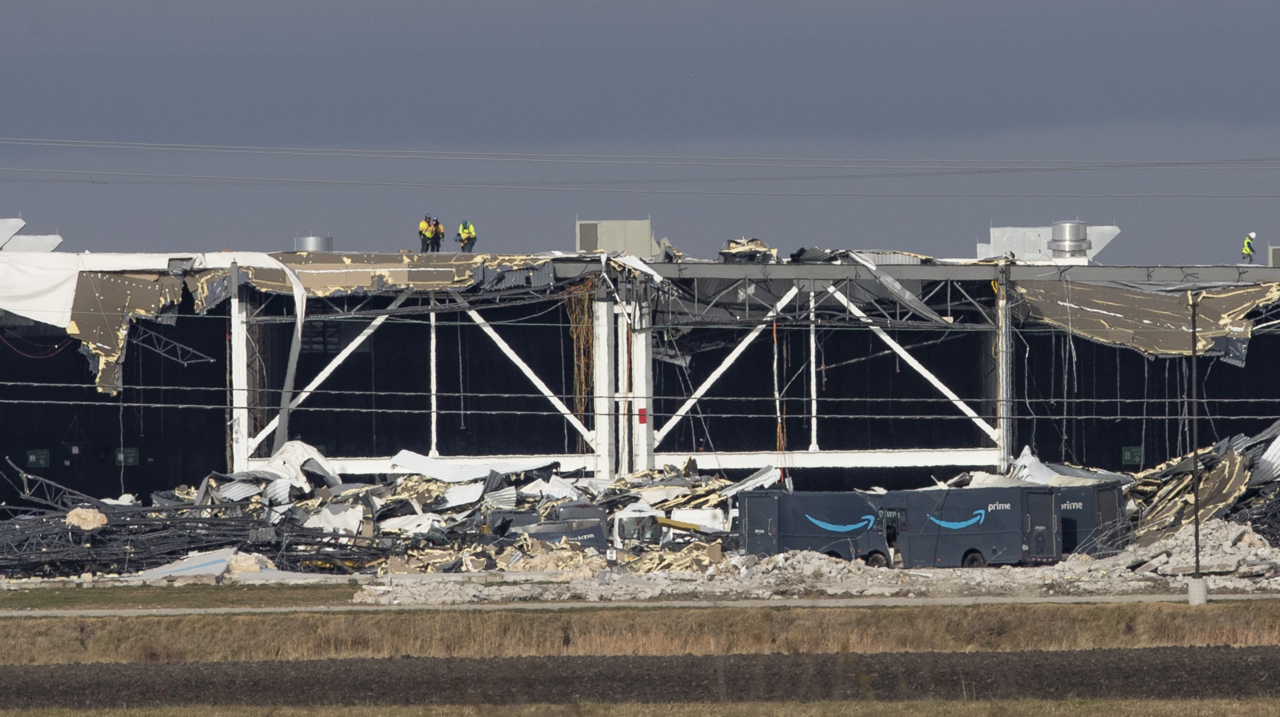
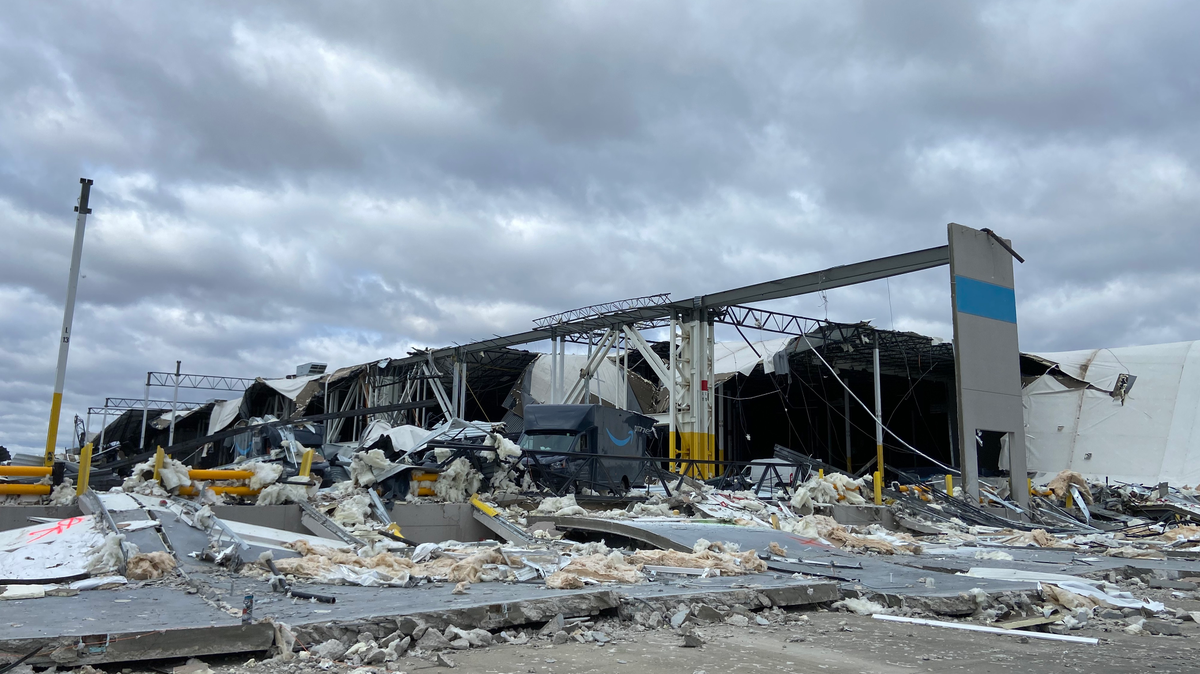
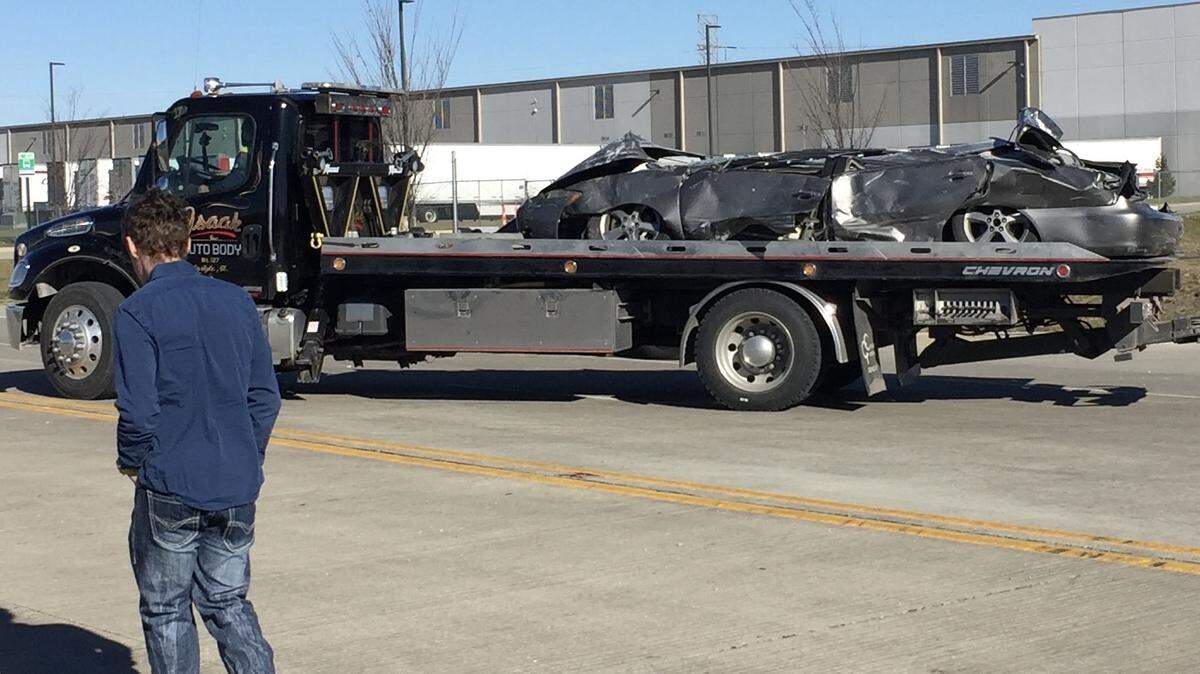
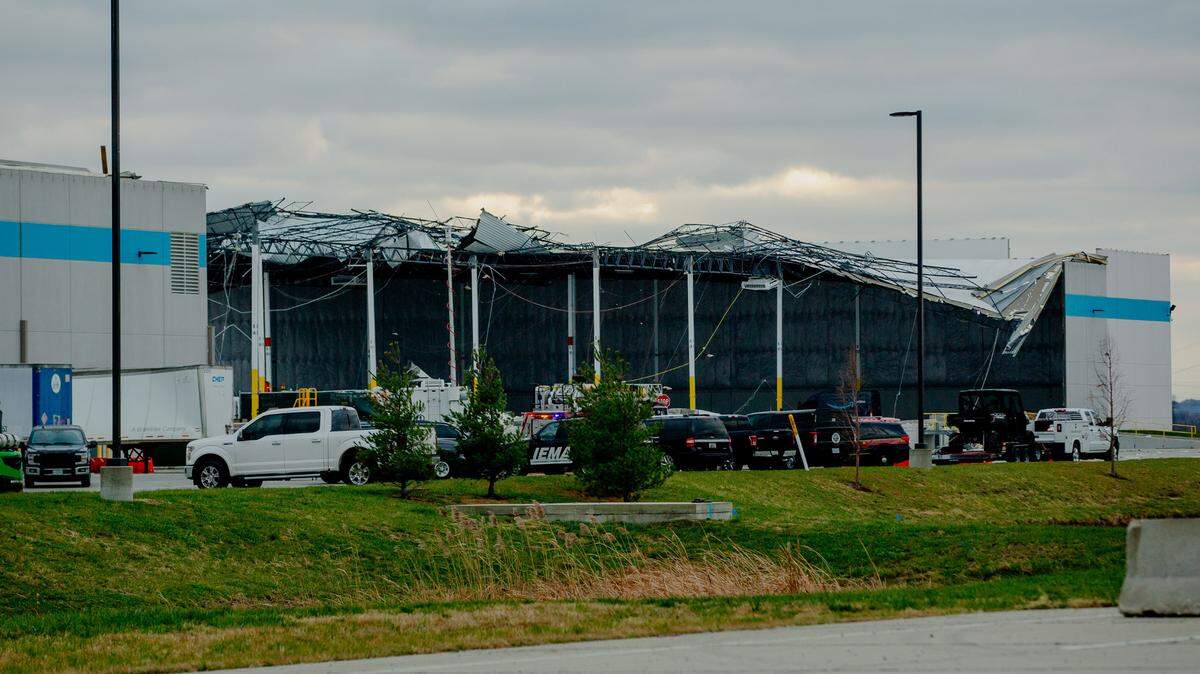
The EF-3 tornado ripped through the 1.1-million-square-foot warehouse on Gateway Commerce Drive around 8:30 p.m. on Dec. 10. Winds up to 150 mph toppled concrete walls and caused the roof to collapse.
“The tenth of December was a really scary and devastating day for all of us but especially for the families of the victims,” Stuart said. “Today I’m hoping we can continue that process of gathering information so we can make sure we can take action to make changes to prevent these kinds of tragedies in the future the best we can.”
The best way to keep workers safe is for state and local governments to adopt and enforce the latest building codes for storm shelters, said Marc Levitan, director of the National Institute of Standards and Technology. The federal agency studies disasters to advise on improving code.
“Most tornado fatalities occur inside buildings,” Levitan said. “Tornado fatalities are a building problem.”
The Edwardsville Fire Department had to call in help “from great distances” to respond to the disaster, said Fire Chief James Whiteford in a letter read aloud in the hearing. Funding and staffing for public safety continues to be an issue, he said, but officials should study and update building codes to prevent tragedies that require a massive emergency response.
“This tornado highlights the need to review and likely change building requirements for large warehouses,” Whiteford said.
Storm shelter requirements are already defined by the International Building Code that would withstand a strong tornado, said Jim Bell, director of operations for the National Storm Shelter Association. But to force businesses to build storm shelters, the state or local government has to require it. Illinois already requires storm shelters for schools, for instance.
No shelters built to the international code have failed, Bell said.
The spaces made available to workers in the Amazon warehouse were not “hardened” spaces built to withstand a tornado, Bell said.
“It was just an area within the building that was away from outside walls and it was deemed the safest place to be in the building.”
It can be difficult and expensive to adapt an existing building to include a storm shelter, but relatively cheap modular shelters can be built within them, Bell said. Basements are not necessary, he added. They would be difficult to build and keep dry in an area of the metro-east prone to flooding.
Union workers who built the warehouse were not to blame for its collapse, said Randy Harris, Midwest director of LECET, a group that advocates for union labor to developers. The design of those buildings is simply not meant to stand up to a tornado.
“It’s not on the construction contractor and certainly not on the construction workforce that the disaster happened the way it did,” Harris said. “Hopefully we can figure some things out and protect workers in these sites as we move forward.”
Business loss concerns
Gavin Stoddard, CEO of Decatur-based Parke Warehouses, warned against overreaching standards.
“We welcome any workplace standards that will protect our most valuable asset, which is our employees, but we caution against any proposed standards that will be applied too broadly or overreach their intended goals,” Stoddard said.
Not all warehouses are used for the same purposes or operated like an Amazon facility, he said. Some buildings may have fewer employees and mostly store goods. Other companies may have put higher safety standards in place voluntarily.
Metro-east lawmakers were also concerned about possibly losing businesses to Missouri if Illinois were to require “enhanced standards” in warehouses, said state Rep. Jay Hoffman, D-Swansea.
“It’s vitally important to provide for the safety of the employees, and it also is important to be able to make sure you can be competitive when dealing with others areas of the United States and, quite frankly, Illinois dealing with Missouri,” Hoffman said.
Levitan gave the example of Moore, Oklahoma, a city repeatedly devastated by tornadoes. It changed its construction requirements to include significant protections, and some worried the cost would drive people away. It didn’t, Levitan said.
“The small increased cost associated with that did not drive people to leave that community,” Levitan said. “It’s not completely analogous to commercial construction, but it is a data point.”
Including a storm shelter in the Amazon warehouse would have added roughly 2% to the overall cost, St. Louis Public Radio reported, citing Bell.
Despite the relatively low cost, states and municipalities often get locked into “a race to the bottom” trying to attract business, Stuart said.
“You’re sometimes offering lots of tax incentives to pull a business into your community versus the next community,” Stuart said. “I would like to think that every community would want to adopt the highest standards they could for worker safety, but you worry that they’re going to get some pushback at times. That’s something we have to be cognizant of.”
The Occupational Safety and Health Administration, or OSHA, opened an investigation that will review whether Amazon had a “proper emergency action plan,” U.S. Department of Labor spokesman Scott Allen said in an interview in December.
No legislation has yet been filed requiring higher safety standards for warehouses. Stuart filed a bill (HB 5302) that would create a task force to find ways for the Illinois Department of Labor to ensure employees can report safety concerns and make suggestions.
This story was originally published February 15, 2022 at 7:00 AM.