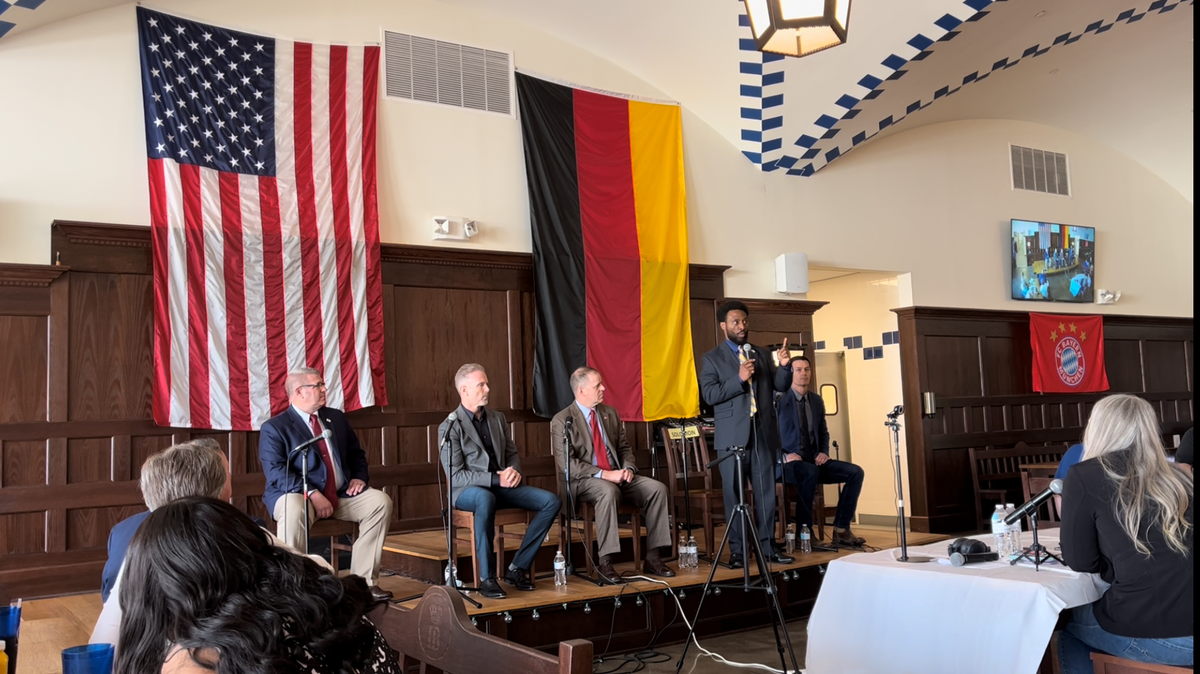
Voting Republican for Illinois governor? Here are the candidates and their platforms.
READ MORE
More on the Republican candidates for governor of Illinois
Expand All
Editor’s note: This story was updated at 1:40 p.m. Saturday to include statements from Darren Bailey’s campaign.
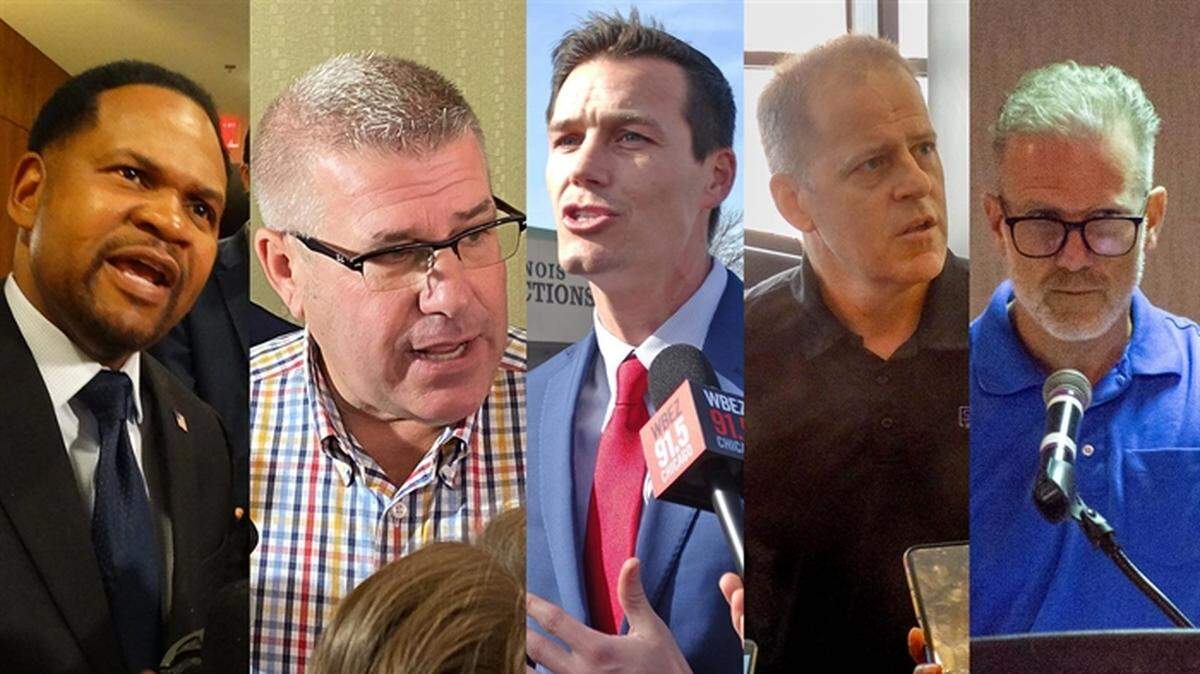
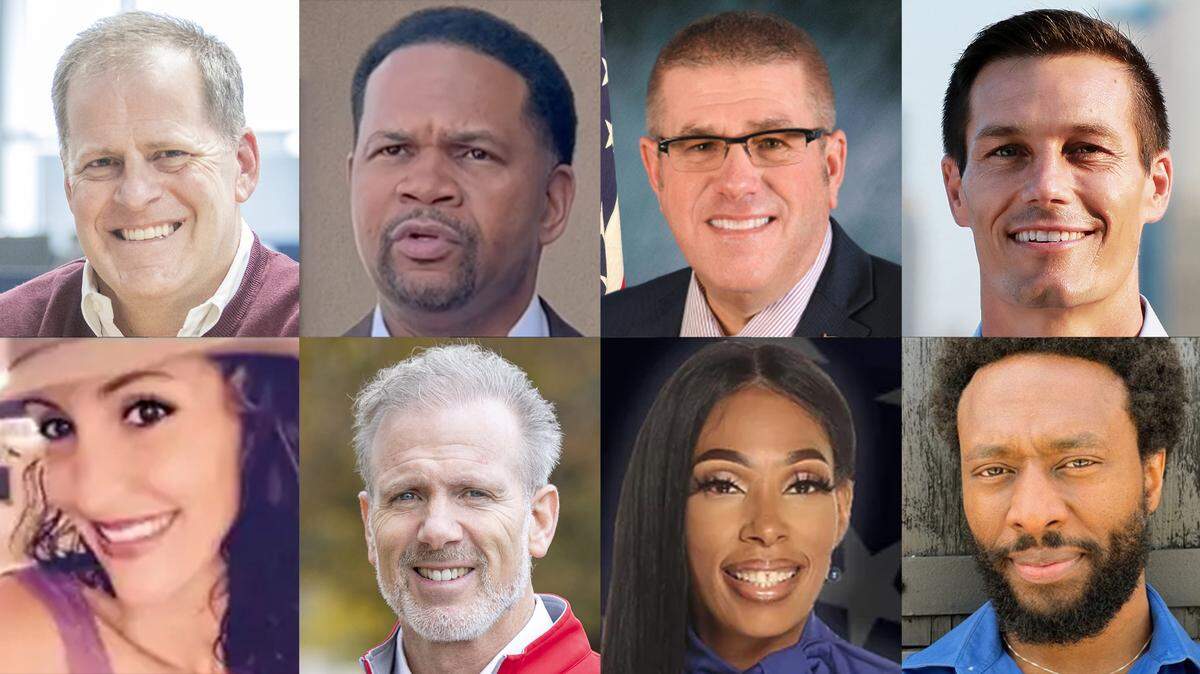
While there are only a few Democratic candidates for governor, there are eight Republicans who have filed to run against incumbent Gov. J.B. Pritzker.
The candidates come from around the state promising to be the antithesis of Pritzker with their conservative platforms. Each says they have enough statewide appeal to win in the June 28 primary election.
With the candidates all running on similar platforms, the primary election will be a competition of dedication to the GOP agenda. What do the candidates think of former President Donald Trump? What would they specifically do as governor to address crime and parental involvement in schools?
Here’s an early look at each of the GOP candidates for governor in Illinois, their ideas and the controversies that have bubbled up so far.
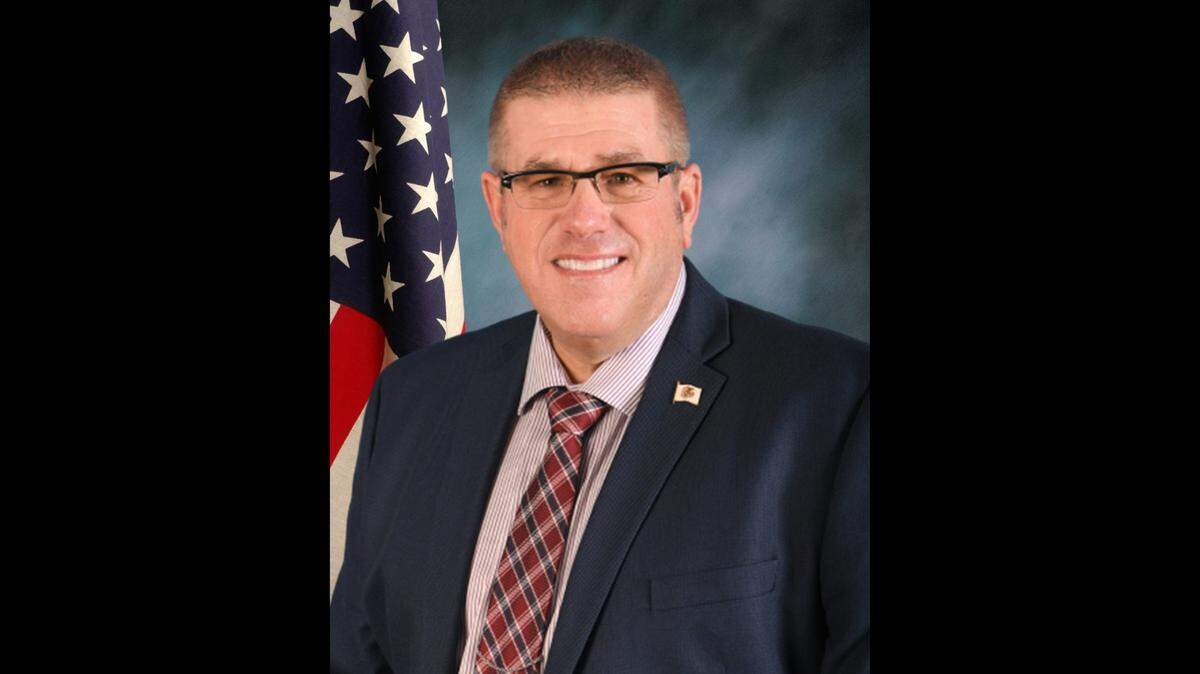
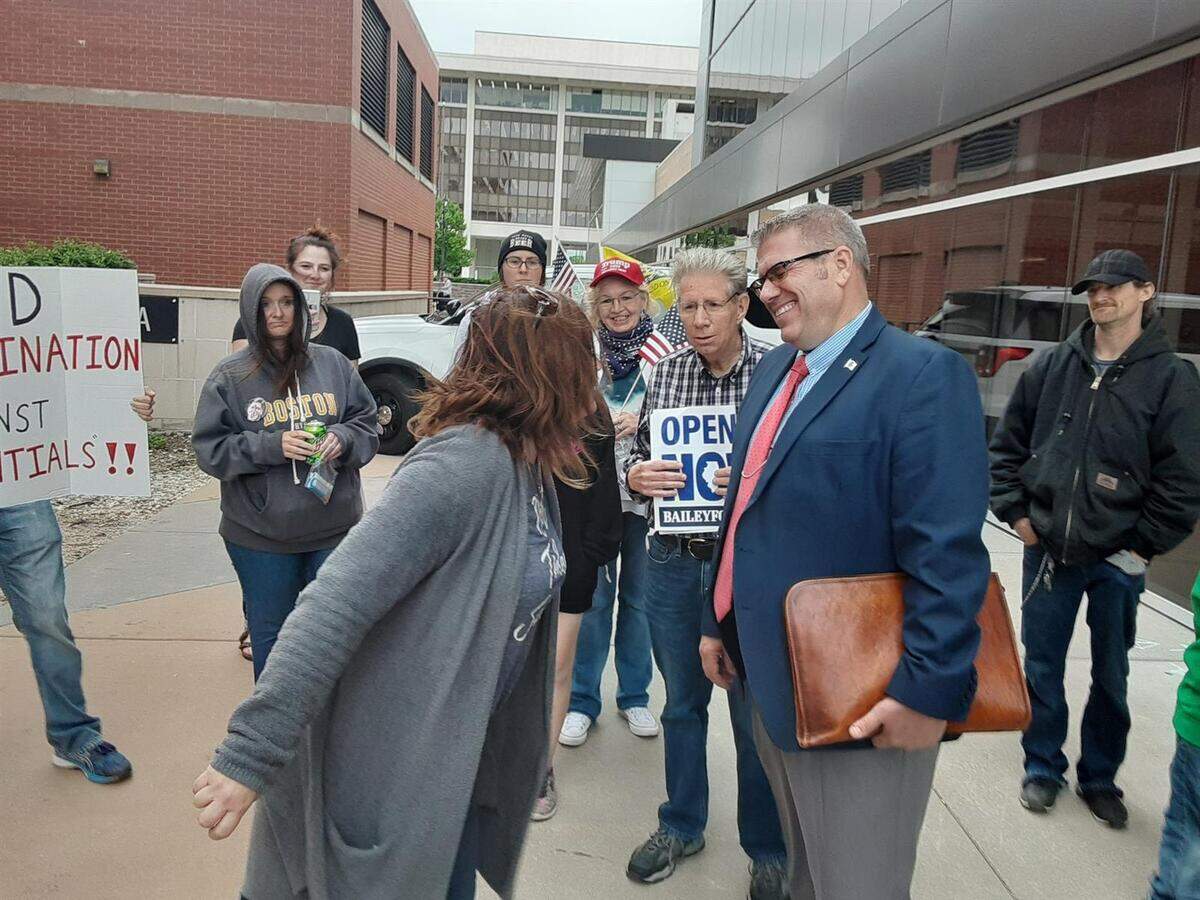
Darren Bailey
The farmer and state senator from Xenia in rural Clay County first gained prominence in the metro-east during the pandemic for his legal challenges to Pritzker’s COVID-19 restrictions.
Bailey won an exemption from a Clay County judge to the statewide stay-at-home order in May 2020. That lawsuit is still pending. The move, which Pritzker called “a stunt,” still won Bailey favor among southern Illinoisans frustrated with coronavirus measures. That same month, he was removed from the House floor for refusing to wear a mask.
Bailey, 56, was born in Louisville, about 15 miles northeast of Xenia. He was raised on the family farm and now owns and operates his own more than 12,000-acre farm growing corn, soybeans and wheat. Bailey also runs an excavating and logistics company, and he and his wife, Cindy, founded and operate two Christian schools. After graduating from North Clay High School, he studied at Lake Land College in Mattoon. He went on to serve for 17 years on the high school’s board.
Bailey was elected state representative for the 109th District in 2018, and was then elected to the 55th District in the state Senate in 2020. He declined to sign up for the state pension benefit available to lawmakers.
Bailey’s campaign website listed the following issues as policy focuses: reopening schools and the economy during the COVID-19 pandemic, advocating for “common sense education reform,” and promoting government transparency, among others.
Bailey’s main goals include defending police and eliminating the gas tax, a spokesman wrote in an email. Bailey would also advocate for a “zero-based budget” in which every state department would have to start at zero and justify their budgets before money is allocated to them. His office would work with departments and lawmakers to review budgets quickly “to ensure the essential services Illinoisans need are not interrupted,” spokesman Joe DeBose said.
Bailey was not available for an interview for this story.
As a state representative, Bailey was among a group of legislators who co-sponsored a resolution to urge Congress to “declare the City of Chicago the 51st state of the United States of America and separate it from the rest of Illinois.” Bailey later backed down on that stance as a gubernatorial candidate, WBEZ reported. “Illinois is better off together,” he said.
Bailey likened the resolution to a “warning shot,” and said he intended for it to send a message saying what works for Chicago doesn’t always work for the rest of the state, the Chicago Sun-Times reported in May.
“I am going to fight to make Illinois stronger from the north to the south from the east to the west as a whole and to make Chicago the great city that it should be,” Bailey said, according to the newspaper.
Bailey’s stance on the Jan. 6 U.S. Capitol insurrection wasn’t clear until earlier this year. Six days after the insurrection, he tweeted that the GOP should support Donald Trump, “our Republican president,” The Chicago Tribune reported.
“When Darren heard the news, he and his wife immediately prayed for our nation,” DeBose wrote in an email. “He is a firm believer in law and order and will demand it as Governor.”
In February, Bailey ended a news conference in Springfield after a reporter asked about a Republican National Committee declaration calling the insurrection “legitimate political discourse.” Bailey later said anyone who breached the Capitol “should be tried or should be punished,” The Chicago Tribune reported.
Stephanie Trussell of Lisle is Bailey’s running mate. Born in Chicago and raised on the city’s west side, Trussell moved to DuPage County in 1994 with her family. Trussell has worked in management roles in Chicago, including Goodwill Industries, the Renaissance Hotel and the mayor’s Office of Tourism. She’s the host of The Stephanie Trussell Show on talk radio station WLS-AM 890.
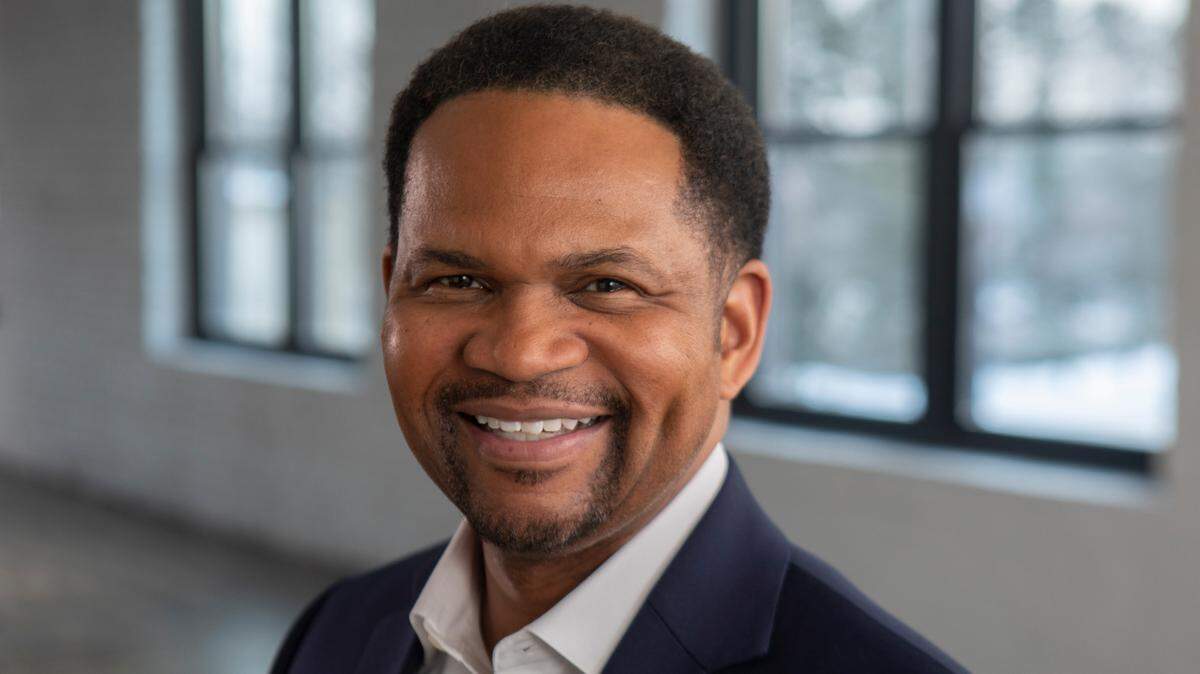
Richard Irvin
The first Black mayor of Aurora, the state’s second most populous city, is running on a “tough on crime” platform supported by one of Illinois’ biggest Republican donors. Billionaire Ken Griffin donated $20 million to Irvin’s campaign, funding the candidate’s goal of boosting his profile downstate.
“What I know about southern Illinois is we have people who care about our state here,” Irvin said during a campaign stop in Maryville. “We’re going to need someone to take it back.”
Irvin was born and raised by a single mother in what he described as the projects of Aurora. He joined the Army and fought in combat before leaving the service. Using his military benefits, he graduated from Robert Morris University in Chicago and then got his law degree from Northern Illinois University. Irvin served as a prosecutor in northern Illinois from 1998 to 2003 and then worked as a criminal defense attorney for nearly 15 years, The Chicago Tribune reported.
Democrats have targeted Irvin’s record defending criminals. He said his record as a defense attorney doesn’t detract from his promise to “continue to be tough on crime and criminals” if he were elected governor.
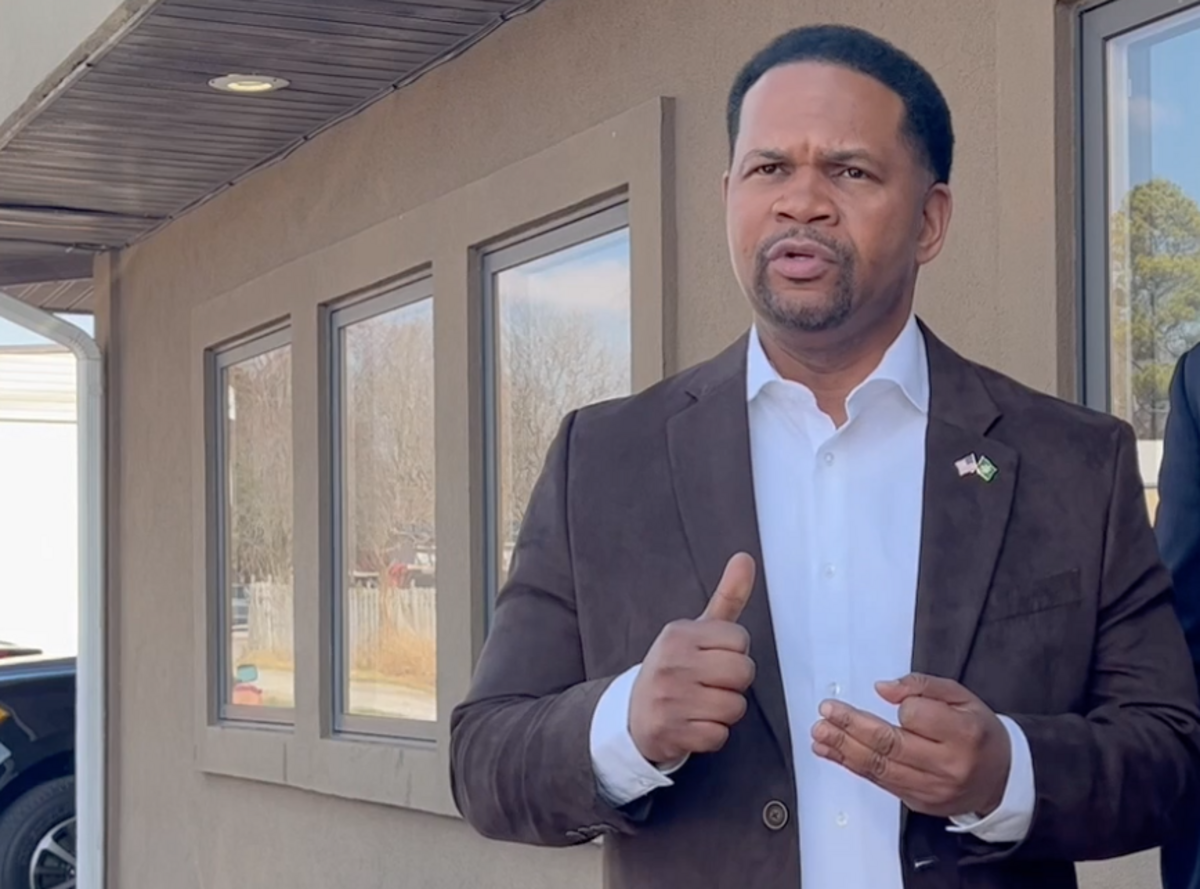
“I don’t think those things are mutually exclusive. My experience as a lawyer has prepared me to be able to address crime,” Irvin said. “My time as an attorney representing the Constitution of the United States of America and the Constitution of Illinois ... gave me insight into how criminals think.”
Criminal justice reform passed last year “doesn’t help the community,” Irvin said. The reform was celebrated by Black lawmakers from the metro-east, who said it helps reverse decades of injustice. Irvin said it “doesn’t help the community, it helps the individual that breaks the law.” As governor, Irvin said he would focus on policies that protect victims and support police. He would work to reverse criminal justice reform passed last year by the General Assembly.
For his record on fiscal management, he points to his record as mayor of Aurora since 2017. Opportunity zones allowed him to focus on economic development in underserved areas, he said.
Irvin’s level of support for former president Trump is unclear. The candidate has taken Democratic primary ballots in three of the last four election cycles, NPR Illinois reported, raising questions about his dedication to the GOP.
Irvin has disputed that portrayal, saying he “voted in some down ballot local races to make sure in this Democratic stronghold that I’m in, that we continue with some conservative values here.” He’s not the only GOP candidate to take a Democratic ballot or have his dedication to the GOP questioned. Bailey took one in 2008, according to news blog Capitol Fax.
Irvin said he supports some of Trump’s ideas such as tax cuts, but has not said whether he voted for him. He believes anyone who broke the law on Jan. 6 “should be rightfully prosecuted,” The Chicago Tribune reported. But Illinoisans should be focusing on “conservative ideologies” at home, he said.
“Making sure we reduce taxes, making sure that we have less government, making sure that we focus on improving people’s lives the best way we can, that’s what we should be focusing on in this area,” Irvin said.
Irvin said he chose his running mate to help him connect with downstate issues. State Rep. Avery Bourne of Morrisonville took office in 2015. She lives in the farmhouse her family has called home for more than 150 years, Irvin said.
“We need someone that is from that part so we can always represent that portion of our state,” Irvin said.
Emily Johnson
UPDATE: Johnson and her running mate were removed from the ballot because of problems with their petition sheets. Mahlen’s name was crossed out on some sheets, and another objection alleged he did not meet residency requirements, the State Journal-Register reported.
Johnson, a far-right candidate from Wheaton, filed last week for governor with running mate Brett Mahlen of Orland Park. They’re running under a group called “We Are The People Illinois.” The website describes them as “a group of over 200 (growing by the day)“ Illinoisans whose aim is “to investigate the fraud in the 2020 Election.”
“I have never waivered (sic). I have always stood by Trump,” Johnson wrote in a flyer on the group’s website.
No contact information was listed on the site for the group, Johnson or Mahlen. State records show Johnson shares a home address with James Johnson Jr., a chiropractor in Wheaton. A call to the clinic was not returned. An Orland Park church lists Brett Mahlen as an associate pastor, but a call for Mahlen there was not returned.
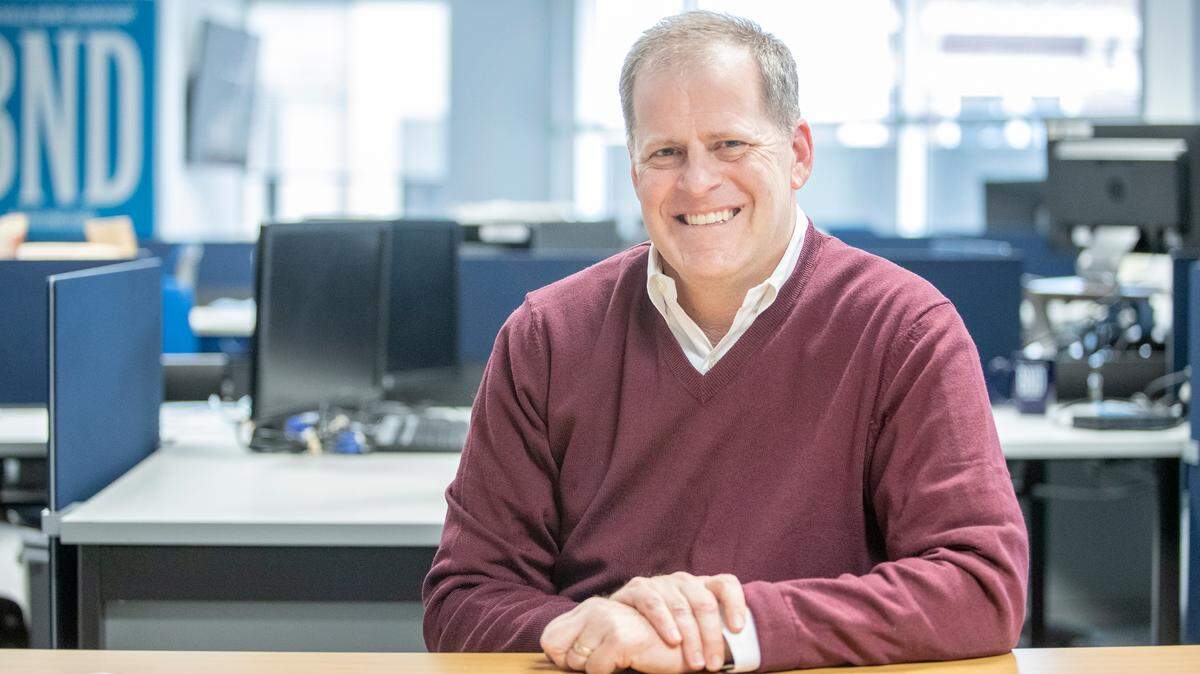
Gary Rabine
Rabine, a 58-year-old businessman from the affluent northern Illinois village Bull Valley, said he decided to run for governor because of how Illinois treats businesses.
“It’s really, really sad that we’ve let our state get to be a state that’s a laughing stock when it comes to how we treat businesses,” Rabine said in an interview with the BND during a stop in Collinsville.
Rabine started in the paving industry out of high school. He scaled up his business to do paving across the country, and says he decided to keep his business in Illinois.
“People say, ‘You’re from Illinois, really? When are you going to get out?’” Rabine said. “I’m not going to buy into that. I want to fight for our state. I fight for it for business and families in Illinois.”
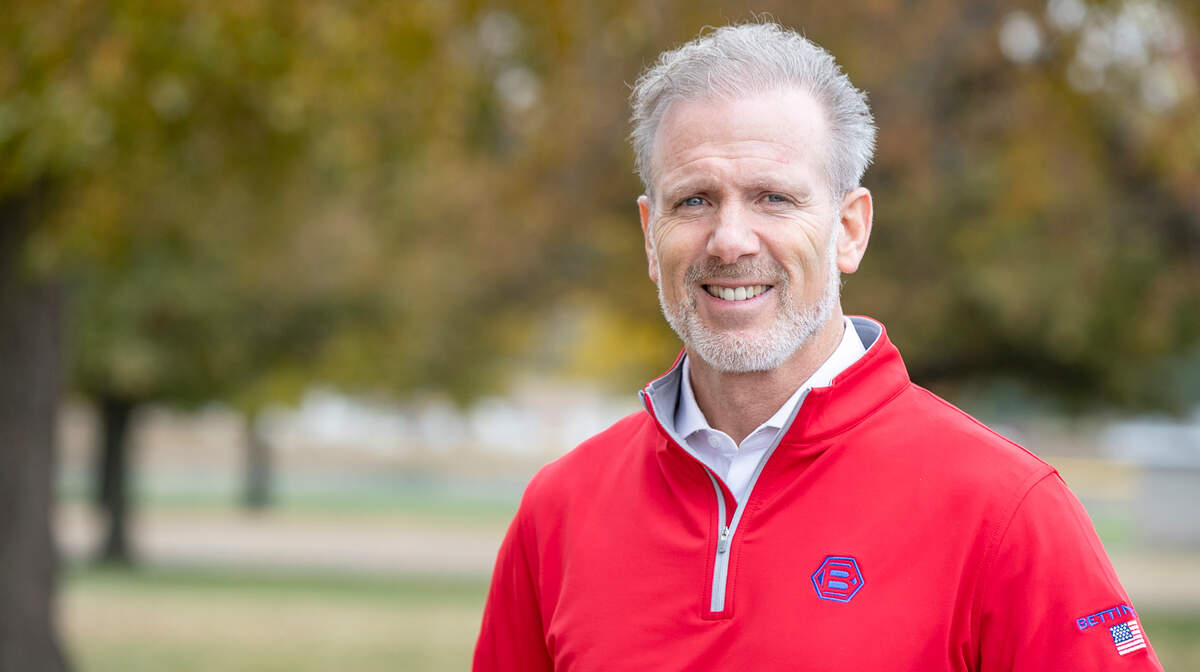
Rabine wants to cut taxes on businesses and property owners. He believes the state will have to temporarily “tighten the belt to do it,” but that more business owners and residents would eventually come to Illinois and broaden the tax base. Lower taxes on more people would make up for lost revenue, he figures. He did not specify where Illinois would have to cut spending.
WCIA reported that Rabine owes more than $10,200 in delinquent state taxes from a company he dissolved in 2019. The Illinois Department of Employment Security filed a tax lien in 2017 against Rabine Utility Pavements, LLC, according to the Champaign-based television news station.
Rabine said he was unaware of the lien and that he plans to pay any “legitimate” debt.
The candidate said he wants to address “this crazy movement where we don’t care about the culture of a family anymore.”
“We’re saying we’re throwing down all these crazy laws and rules from the governor’s office and our legislators instead of allowing our parents to get involved in our and locally decide how we educate our kids,” Rabine said.
Rabine said he would push to reverse criminal justice reform passed in Illinois last year, and he wants parents to be involved with school curricula.
Rabine’s running mate is Aaron Del Mar of Palatine. Del Mar is a businessman and highway commissioner for Palatine Township.
Paul Schimpf
Schimpf, 51, is the only candidate from the metro-east running for governor. The former state senator and Marine veteran from Waterloo said he wants to bring “common sense, conservative leadership we can trust,” but that he’s “not just running on outrage.”
“There are some people in the Republican party who are looking for a ‘burn-it-down’ candidate who can make people yell and shake their fist, but that’s not me,” Schimpf said.
“If you look back through my life at what I’ve done as a Marine Corps officer and an elected official for the state of Illinois, what I really stand for is leadership. I’m not a bomb-thrower. I’m a builder, not a burner.”
Schimpf was born on Scott Air Force Base while his father was serving overseas in the Army. His mother was a public high school math teacher, and his father became a public high school accounting teacher after leaving the military. Schimpf grew up in Waterloo.
He graduated from the U.S. Naval Academy in Annapolis, Maryland, then entered the Marines. Schimpf later got his law degree from Southern Illinois University and then went to work as a military attorney. During the trial of dictator Saddam Hussein in Iraq, Schimpf served as the United States’ top legal advisor to Iraqi prosecutors. He retired from the Marines in 2013, and he was elected to a four-year state senate term in 2016 but did not run for reelection.
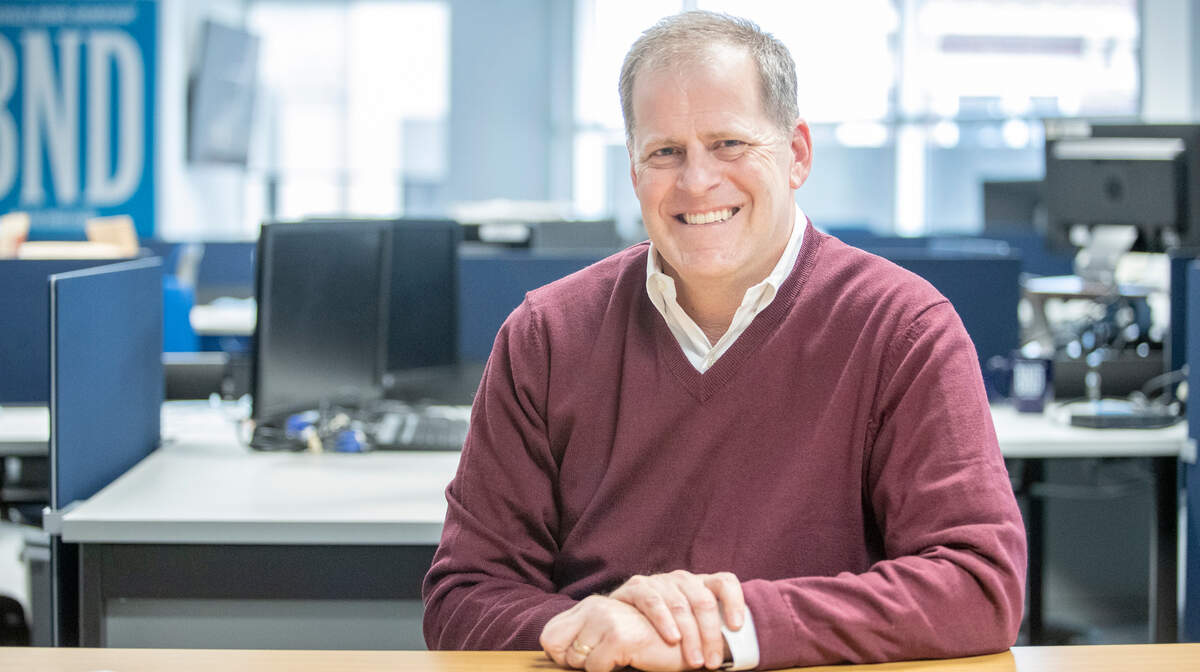
The only way to solve Illinois’ problems is by “listening to people across the political spectrum,” he said. In Illinois, Republican governors such as Bruce Rauner have clashed with a General Assembly controlled by Democrats.
He detailed a three-pillar policy agenda in an interview with the Belleville News-Democrat. It includes “parents rights, restoring safe communities and safe families, and restoring trust in government.”
Schimpf proposed a “parents bill of rights” that would give parents and local school boards control over education, and it would require curriculum transparency. Parents wouldn’t have “veto power” over curriculum and he wouldn’t want to overburden teachers with requirements, but syllabi and lesson plans should be available.
His public safety goals include supporting law enforcement and making people in Illinois they can safely “go to downtown Chicago.” Schimpf said he would make violence against a police officer a hate crime with enhanced punishments and work with local communities to address crime.
Schimpf proposed managing property tax hikes by requiring all increases to be approved with a vote. That means property taxes would only go up if a community approved a property tax increase through a ballot referendum.
“This is something that is probably going to get a lot of pushback because it’s a pretty radical change, but something has to be done,” Schimpf said. “Property taxes do represent a threat to people’s financial security.”
Government transparency has suffered under Democrats, Schimpf said. There wouldn’t be a “tug-of-war” between the executive and legislative branches if he were elected governor, he said.
“The legislative branch will be asking for information and the executive is trying to limit how much they give. That will end when I’m governor,” Schimpf said.
Schimpf’s running mate is Carolyn Schofield of Crystal Lake northwest of Chicago. She’s a member of the McHenry County Board and executive committee member for the Chicago Metropolitan Agency for Planning, a regional public transportation agency.
“What I was looking for was somebody to complement my experience with that extensive knowledge of local government,” Schimpf said.
Keisha Smith
UPDATE: Smith was removed from the ballot because she did not file to run with a running mate.
Smith is a candidate from Chicago who filed to run for governor without a running mate. The state requires gubernatorial candidates to file with a candidate for lieutenant governor, according to State Board of Elections spokesman Matt Dietrich.
“Filings can’t be amended when the filing period closes so this could be grounds for an objection,” Dietrich wrote in an email. “If an objection is filed, our board would decide whether to sustain or overrule it following our objection procedure.”
Smith did not respond to a request for comment.
Max Solomon
Soloman is a private practice attorney and former adjunct political science instructor at South Suburban College. The Hazel Crest resident “proudly identifies as ‘Christian, Conservative, Republican’ and ‘in that order,’” according to his website.
His website hits on GOP talking points including “indoctrination” in schools “with sexual and sociopolitical ideologies.” Solomon supports state funding for private schools, and he supports homeschooling. He opposes mask and vaccination mandates.
Solomon’s running mate is Latasha Fields, a native of Baton Rouge, Louisiana. She moved to Chicago in 2011 and lives there with her family. For more than 15 years, Fields “has been an outspoken critic of the one-size-fits-all public school system,” according to Solomon’s campaign website.
Solomon did not respond to an interview request.
Jesse Sullivan
Sullivan is a 37-year-old venture capitalist from the central Illinois town of Petersburg. He decided to run for governor because his values moved him to “fix the broken politics of Illinois.”
“We need an outsider who has a moral backbone that’s rooted in my Christian faith that says, ‘I’m going to be not doing self-dealing behind closed doors but actually representing the people.”
Sullivan graduated from Saint Louis University in 2007 with a degree in theology, then studied global government and diplomacy at the University of Oxford in England. He later obtained his MBA from Stanford Business School.
He grew up in a farming family with eight children, and today supports his own family by investing. Sullivan’s venture capitalist firm invests largely in developing countries, according to his campaign site. In a previous nonprofit venture, Sullivan largely relied on cryptocurrency to fund investments, according to The Chicago Tribune.
Though donors with ties to cryptocurrency and tech support his campaign, Sullivan would not “do the bidding of his big crypto currency donors or any others,” the candidate said at an event hosted by Normal-based radio station Cities 92.9.
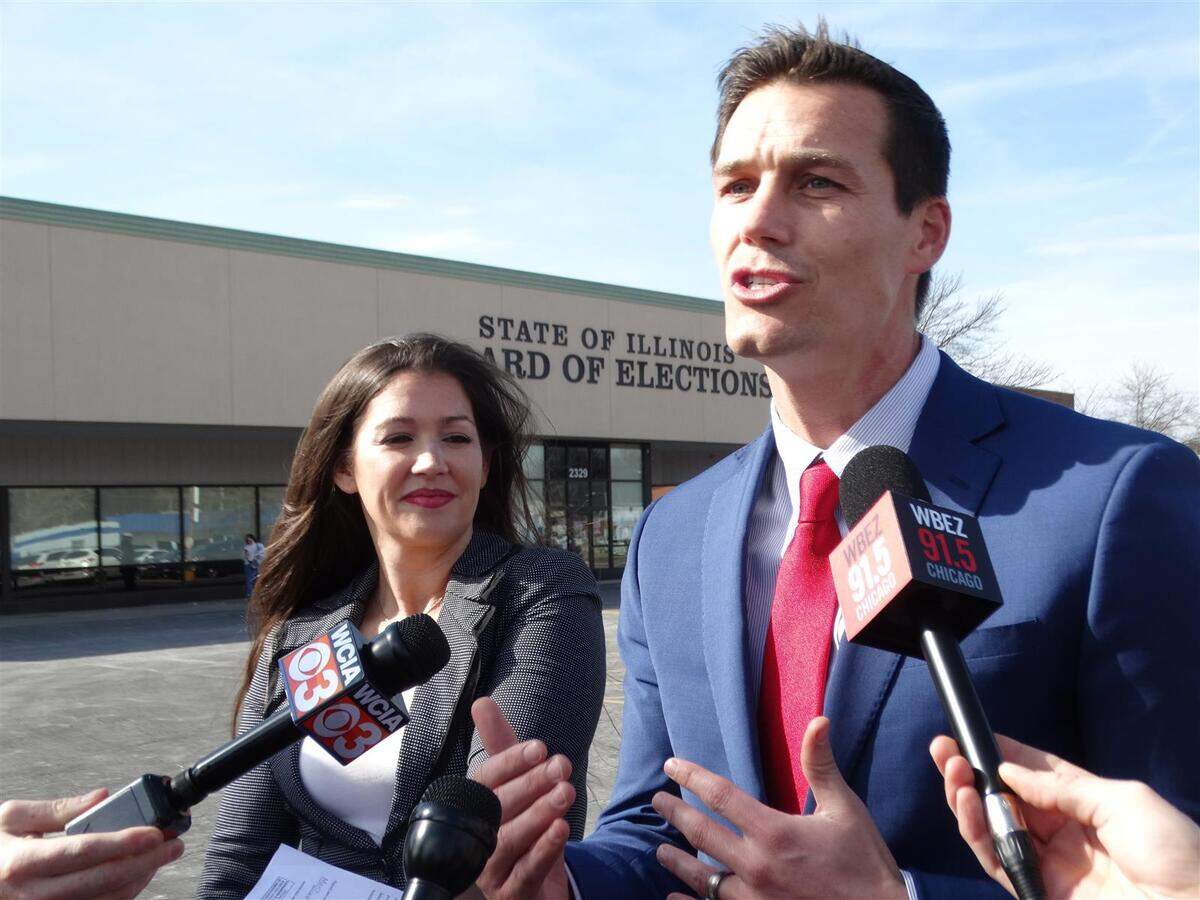
Sullivan calls himself a “political outsider” and has disputed portrayals of his past support of former President Barack Obama. A magazine Sullivan founded while at Saint Louis University called on readers to support Obama’s Global Poverty Act, Politico Illinois reported. A note in the magazine said it doesn’t endorse specific presidential candidates, “although Jesse Sullivan does.” A spokesman told Politico Sullivan has “voted for Republicans for nearly a decade” and believes Democrats “have been lying to him and to voters.”
Like the other GOP candidates, Sullivan said he would focus on “family values,” public safety and fiscal responsibility as governor.
Sullivan wants to reverse a sex education law passed last year that orders the Illinois State Board of Education to update curricula with information about gender identity, among other topics, by August. Supporters said the law will help protect LGBTQ students and educate others on acceptance. The law calls for new standards to be based on those developed by Advocates for Youth, a nonprofit organization dedicated to modernizing sex education policies.
Sullivan opposes teaching K-12 children about gender identity. Sullivan said if he were governor, he would replace members of the state board as spots become available.
“To bring into our curriculum transgender identities and gender identity as a choice is not right or acceptable,” Sullivan said. “It has nothing to do with being loving or accepting. It has to do with teaching a certain ideology at a young age when I don’t think it’s appropriate.”
Similar to Rabine, Sullivan wants to cut taxes in order to attract residents and businesses to Illinois. He would reduce the size of government by “running agencies well” and lower spending by eliminating some administrative positions at schools. He also wants to direct state funding for private school education.
The candidate introduced a “Safe Streets” plan that includes priorities such as filling police vacancies, defending qualified immunity and appointing an “anti-violence” director who reports to the governor. Sullivan also introduced a 10-point anti-corruption agenda.
Sullivan’s running mate is Kathleen Murphy, a former aide to former Republican state Rep. Jeanne Ives when she ran for governor against Bruce Rauner. Sullivan said he chose her because “she is someone who is driven by her faith.”
This story was originally published March 18, 2022 at 5:00 AM.