A Fairview Heights man almost died from COVID-19. His recovery is slow and painful.
Kevin Anderson insisted on driving himself to Memorial Hospital in Belleville, even though staff at an urgent-care facility in Collinsville suggested calling an ambulance.
The Fairview Heights man had a splitting headache, chills and a 104-degree temperature. Tests later confirmed he had contracted the coronavirus, which causes the respiratory disease COVID-19.
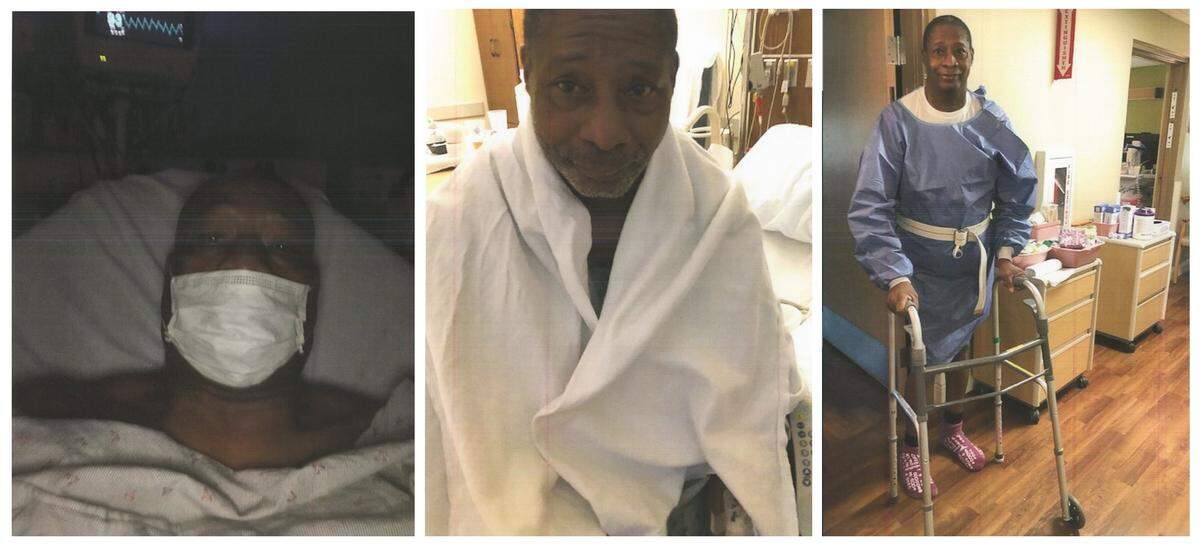
“By the time I got there, I was delirious,” said Anderson, 61, who works at a juvenile-detention center in St. Louis. “I was sweating so bad. They hooked me up to an IV, but I kept pulling out the tubes. A week later, they put me in a (medically-induced) coma, and I was on a ventilator for 15 days. I got blood clots in my leg from being in bed so long. It was a mess.”
Anderson spent more than a month in the hospital and its rehabilitation center before he went home on May 1. He had to learn how to swallow and walk again, and he’s still undergoing therapy for pain, weakness and limited movement on his right side.
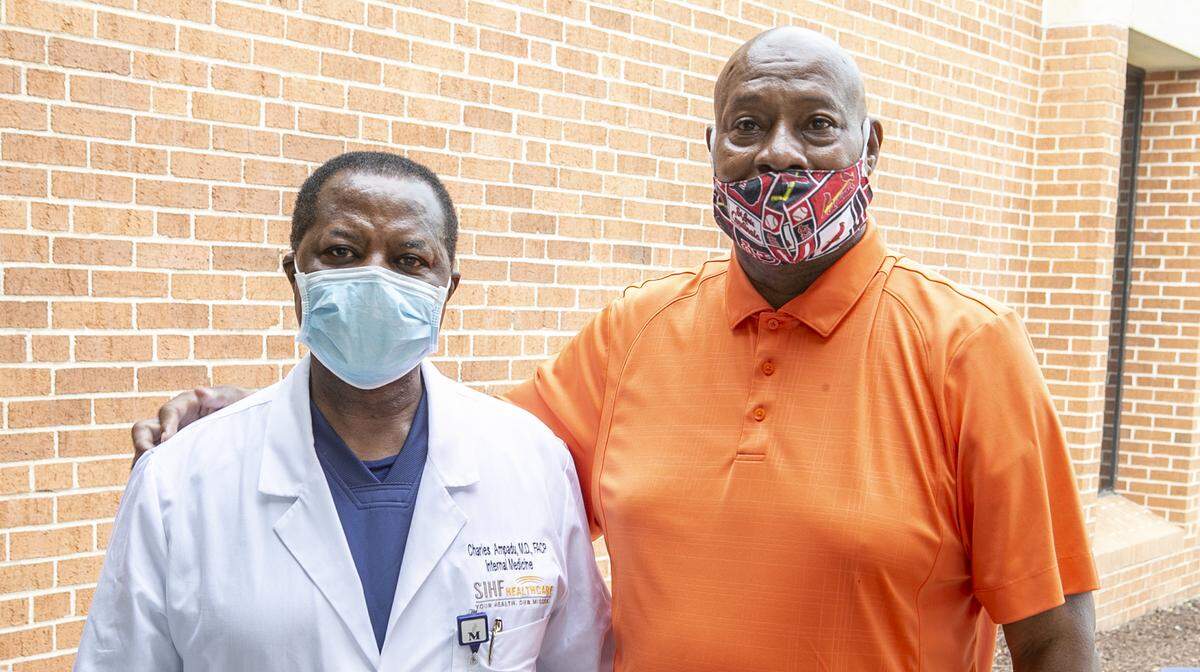
But Anderson was so grateful for the care he received at Memorial, he had a certificate printed and framed to thank doctors, nurses and other staff. He presented it to Dr. Charles Ampadu and nurse Heather Hanna on Friday.
“He was very lucky that he was able to make it back home,” Hanna said, noting many people that sick don’t survive. “That’s a long time to be intubated.”
Hanna cared for Anderson in a COVID-19 unit, formerly used for cardiac patients, before and after he was sent to the ICU for intubation due to respiratory distress.
Volunteer and coach in southwestern Illinois
Anderson became something of a local celebrity on May 14, when KSDK-TV Channel 5 in St. Louis told his story in a news segment. He wiped away tears talking about the health-care workers who put their “lives on the line” to save his life.
“They’re one in a million,” he said.
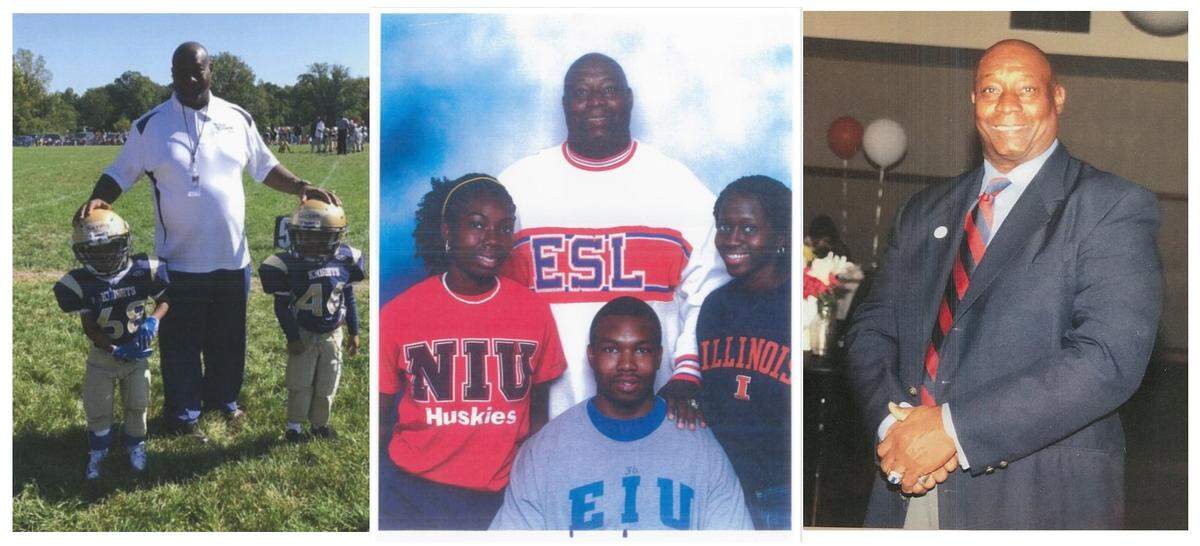
Anderson is an East St. Louis native who graduated from Assumption High School in 1977 and studied business and economics at Tennessee State University in Nashville on a football and basketball scholarship. He met Marilyn, his wife of 41 years, in college. She’s a manager at Dillard’s.
The couple have three grown children, Jacques, April and Kevin Jr., and two grandchildren. Anderson is particularly proud that all of his kids hold graduate degrees.
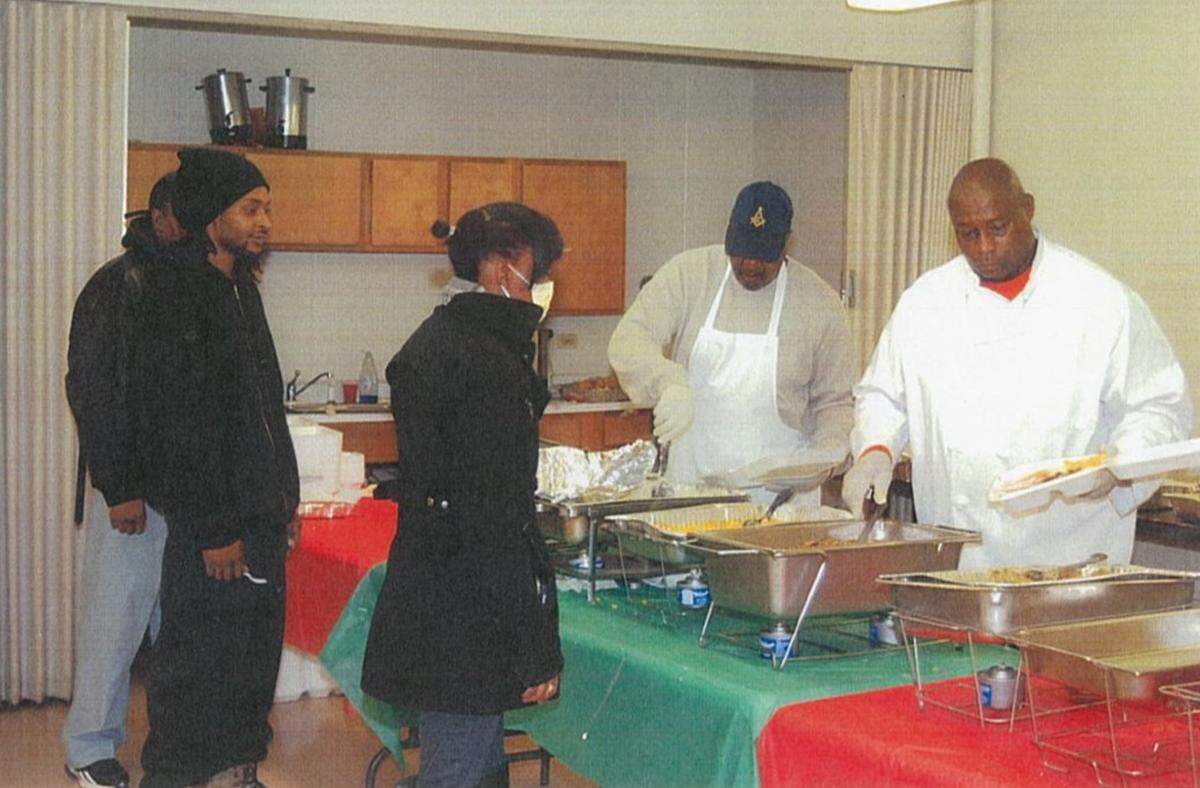
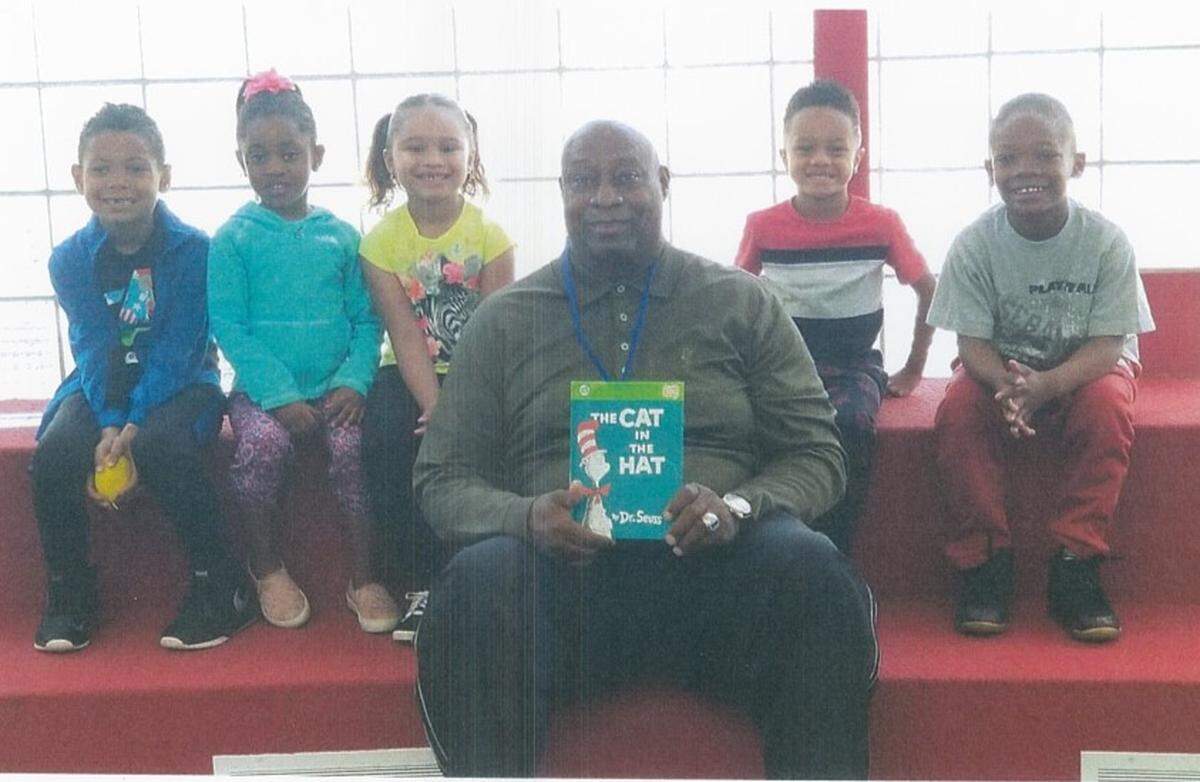
Anderson is well-known in the community because of his many volunteer projects, including serving meals to the needy on Thanksgiving and Christmas and raising money to buy books for East St. Louis Public Library. He coaches basketball at the East Belleville YMCA, baseball at the Jackie Joyner-Kersee Foundation center in East St. Louis and football for Belleville’s Little Knights. He’s active at Mount Sinai Baptist Church in East St. Louis.
Anderson has worked as a deputy sheriff, car salesman, security guard and loan officer. He became a youth care monitor at Hogan Street Regional Youth Center, a juvenile-detention facility in North St. Louis, about two years ago.
“I think I got COVID from one of the kids,” he said.
Anderson could be right. On March 24, the Missouri Division of Youth Services reported that a young resident at Hogan had tested positive for the coronavirus.
Coronavirus symptoms started with night sweats
Anderson has two underlying health conditions, diabetes and high blood pressure, that are known to make people more vulnerable to COVID-19, according to infectious-disease specialists.
His symptoms started with night sweats on March 26. He felt progressively worse the next day at work and decided to stop by Anderson Hospital ExpressCare Center on Illinois 157 in Collinsville on the way home. Then he drove to Memorial, where he was quickly admitted.
Anderson wasn’t allowed to see family for 35 days because of coronavirus-related visitor restrictions at the hospital. They communicated with doctors and nurses by telephone, and daughter April, 32, a Spectrum manager who lives in Fairview Heights, kept friends updated via Facebook.
At the same time, daughter Jacques, 30, a lawyer, was dealing with the chaos and trauma of living in New York City, a pandemic hot spot.
“Things were crazy,” she said. “It was during the peak of (the city’s) fight against the coronavirus. Thousands of people were dying each day. I couldn’t even go to the grocery store, let alone take a cab to the airport and fly home.
“It was a very stressful time for sure. I prayed that (Anderson) was going to make it. I was hopeful. I think as soon as you give into fear, that’s the first step to failure. He’s a fighter. He’s a very strong-willed person. I just knew that he was going to pull through.”
Jacques recently traveled to Illinois to visit her dad, but she noted that New York City is far from back to normal as most businesses still are closed and most residents are staying in.
Full recovery from COVID-19 could take months
Anderson weighed about 270 pounds before getting the coronavirus. He dropped about 70 pounds during his hospitalization.
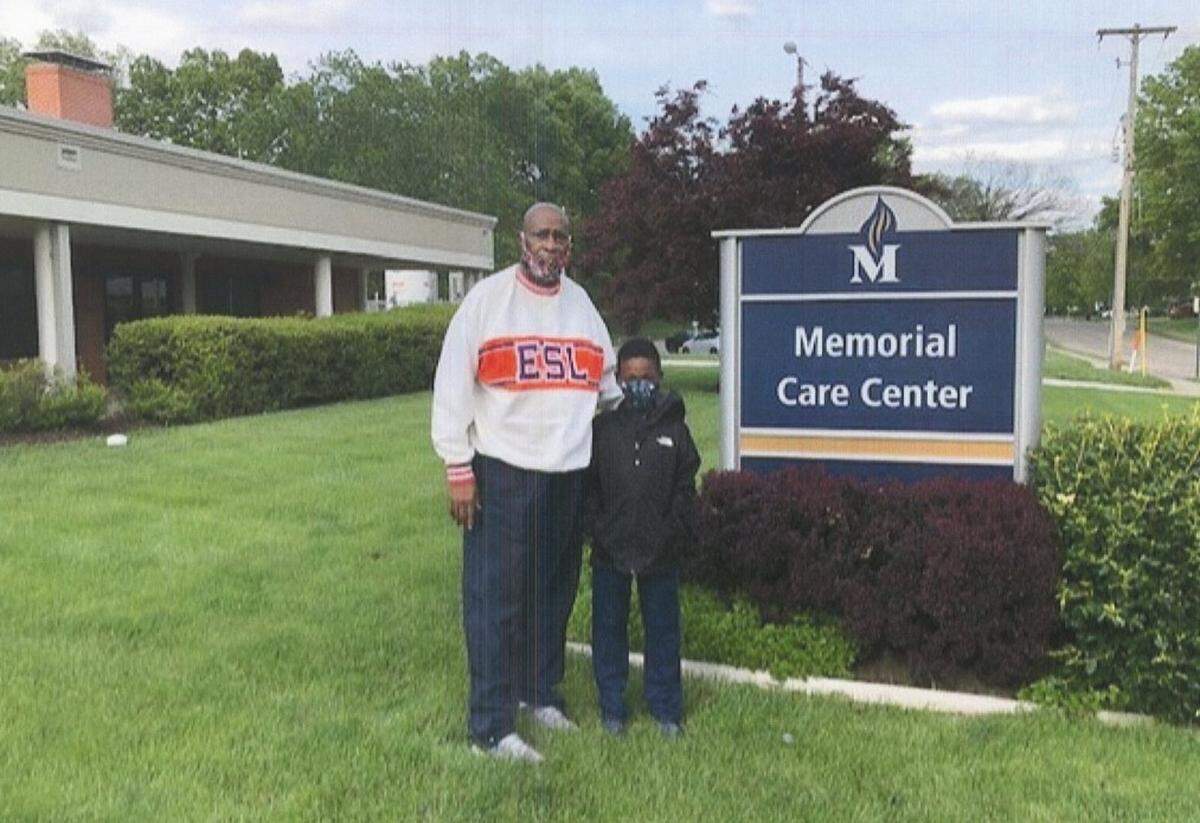
Nurse Hanna remembers him wanting to get out of bed right away after being taken off the ventilator, not realizing he had to build up to walking gradually. He used a walker while undergoing therapy at Memorial Care Center.
Anderson also couldn’t swallow food or liquids at first.
“He was extremely weak,” said Denise Read, speech language pathologist at Memorial. “After that many days of being intubated, he really needed to gain his strength and his ability to swallow consistently and in a timely fashion.”
Read described Anderson as “highly motivated,” judging by his willingness to listen carefully and follow all her instructions.
“I’m just so grateful that I was able to work with him as part of a team to restore his health and well-being,” she said. “He was very ill.”
Anderson continues to experience pain during his recovery from coronavirus, particularly on his right side, where his movement has been limited since he was taken off the ventilator. His hand is swollen, so he can’t make a fist. He has lost muscle mass and flexibility in both arms, legs and knees. Sometimes his 8-year-old grandson, Ramon Gates Jr., rides along with him to therapy.
Anderson misses going to work and doing all the other things he used to do in the community, but he’s trying to be patient and accept that recovery could take weeks or months.
“I’m lucky to be alive,” he said. “I came out of it with the grace of God.”
This story was originally published June 6, 2020 at 5:00 AM.