It’s set to be a bad year for ‘very aggressive’ pest species in IL. Here’s why
As spring has arrived and the metro-east has warm, rainy days in the forecast, residents can expect one problematic pest to emerge earlier than usual.
Illinois and the greater Midwest will see a variety of bugs and insects thrive this season, including mosquitoes and ants. Cockroaches may also be an issue in the metro-east.
Spring and summer are peak pest seasons, according to the National Pest Management Association’s bug barometer, which is a seasonal pest forecast for the U.S. But one particularly troublesome disease vector, the tick, is expected to cause more issues this year. The bug barometer reports Illinois and surrounding states are likely to see higher than average tick populations.
“Given that Illinois saw warmer temperatures with wet conditions, we’re anticipating that ticks are expected to potentially emerge earlier than usual this spring,” Laura Rosenwald, entomologist with the National Pest Management Association, said in an April 10 interview with the News-Democrat.
What to know about tick season in Illinois
There are three primary tick species found in southwestern Illinois and the St. Louis region. One is the American dog tick, which feeds on domestic dogs and humans.
The species often latches onto a pet dog and is then brought into the house to find human hosts. The American dog tick is also the primary vector of Rocky Mountain spotted fever, which is a serious disease that can be deadly.
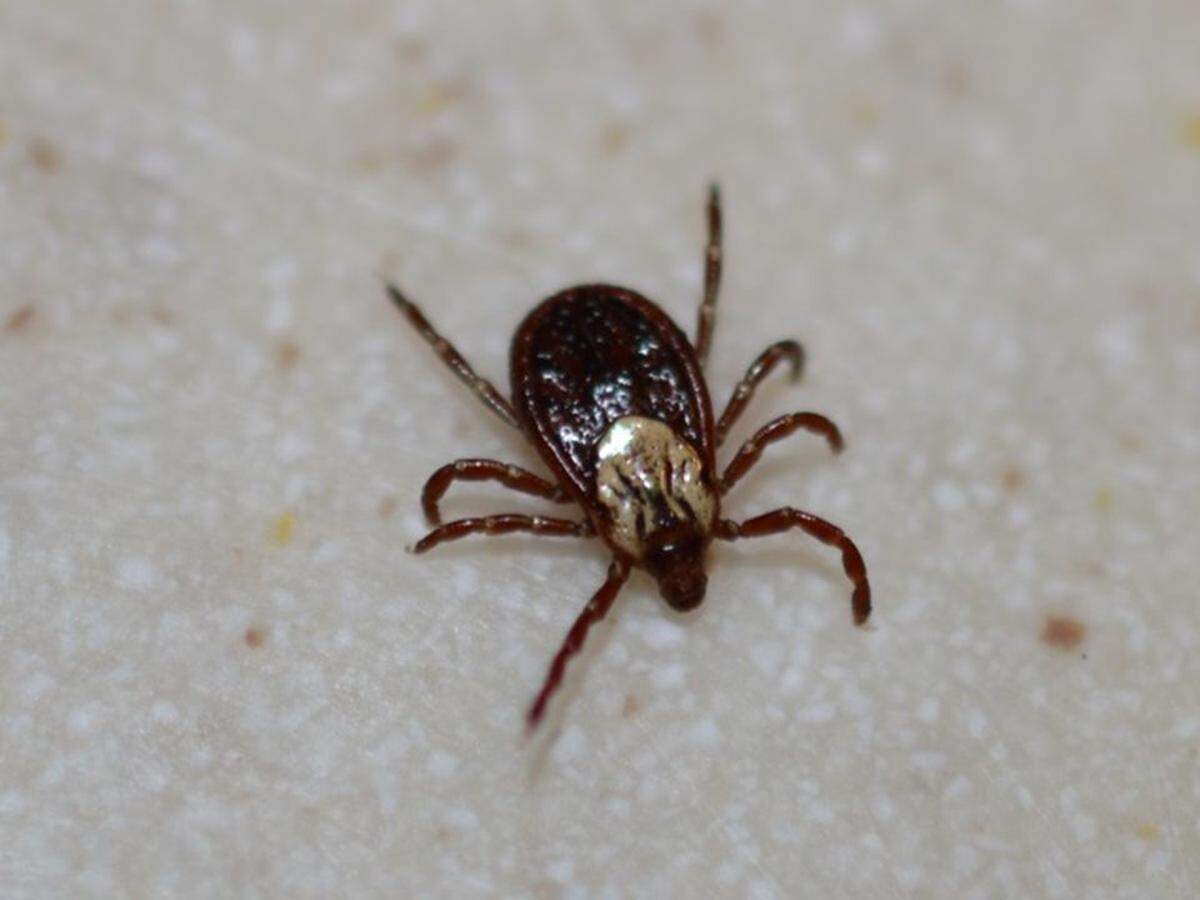
“Ticks are a very big concern public-health wise,” Rosenwald said.
Perhaps more common locally, the blacklegged or deer tick generally seeks out deer, but also feeds on mice and humans. These are the main transmitters of Lyme disease.
The lone star tick is also found in the greater St. Louis region, and the adult female is easily identified by a white spot, or lone star, on its back.
The U.S. Centers for Disease Control and Prevention describes the lone star tick as “very aggressive,” and it seeks out human hosts. A lone star tick bite can cause Alpha-gal syndrome, which makes people allergic to red meat and some other animal products.
Ticks are considered the second-greatest public health threat of all the pests, Rosenwald said, with mosquitoes at No. 1.
How can you protect yourself from ticks?
To protect yourself from tick bites, as well as mosquitoes and other pests, Rosenwald recommends people wear long sleeved-shirts, long pants and insect repellent when spending time outdoors in the spring and summer.
Insect repellent should include deet, picaridin or oil of lemon or eucalyptus to be most effective, Rosenwald said.
It’s a good idea to inspect yourself for any ticks before coming inside, and keep the grass in your yard well-trimmed around trees and any fence lines, Rosenwald added. Leaf litter provides great shelter for ticks, so you’ll want to remove it.
Other best practices include keeping your firewood off the ground, keeping your yard clean and creating a barrier with landscaping, gravel or woodchips, Rosenwald said.
Since pets commonly bring in ticks, another important mitigation strategy is keeping your dog or cat up-to-date on monthly preventative medicine for fleas and ticks, prescribed by your veterinarian.
For mosquito prevention, Rosenwald recommends making sure you have no standing water in your yard, as even a bottle cap full is enough for the pests to breed. You may also consider avoiding being outside in peak mosquito hours, dawn and dusk, as well as using a small fan at outdoor gatherings.
Do you have a question about critters in Illinois for our service journalism team? We’d like to hear from you. Fill out our Metro-east Matters form below.