Daylight saving time ends soon in Illinois. When to set your clocks back an hour
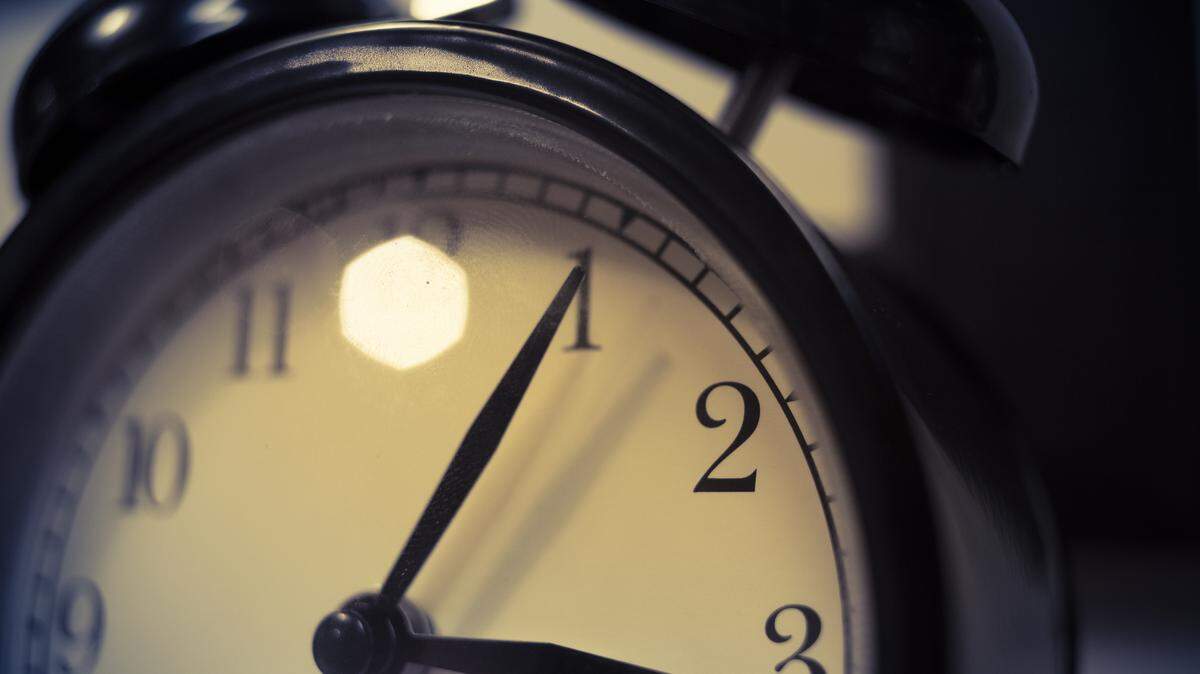
It’s almost time for Illinois residents to “fall back” and change their clocks. Daylight saving time ends at 2 a.m. Sunday, Nov. 2.
After Saturday night, Belleville residents will see sunsets earlier than 5 p.m., and the days will gradually get shorter until mid-December. The next 5 p.m. sunset will take place in Belleville Jan. 12, 2026.
Lawmakers in Illinois and across the nation have introduced many bills aiming to end the practice of clock-changing, but the biannual switch between daylight saving time and standard time persists in most of the U.S.
Why have state legislators been unsuccessful in choosing permanent daylight saving time, and does “falling back” really give you an extra hour of sleep? Here’s what to know.
The history of daylight saving
Daylight saving time was made a legal requirement by the Uniform Time Act of 1966, the U.S. Department of Transportation’s Bureau of Transportation Statistics reports.
State governments cannot independently change time zones or the length of daylight saving time, but they can exempt themselves from the practice.
“States do not have the authority to choose to be on permanent Daylight Saving Time,” the U.S. Department of Transportation website reads.
Next year’s daylight saving time will begin Sunday, March 8, 2026.
How does daylight saving affect sleep?
While Illinois residents will gain an hour Sunday, the time change might not actually translate to more sleep.
Only “a minority of people” actually get an extra hour of sleep on the fall night when daylight saving time ends, according to a 2020 article from Harvard Health Publishing.
“During the following week, many people wake up earlier, have more trouble falling asleep, and are more likely to wake up during the night,” the article reads.
The end of daylight saving time has also been linked to other issues, such as increased collisions with deer, a 2022 article published by Current Biology reports.
While you might be less well-rested when the time changes this November, an Oct. 30, 2024, article from Mass General Brigham offers tips on how to reduce sleep loss:
- Try going to bed and waking up a little bit earlier on the few nights leading up to the time change.
- Avoid consuming caffeine after 2 or 3 p.m.
- Consider eating dinner an hour earlier for a few days.
Do you have a question about living in Illinois for the News-Democrat? We’d like to hear from you. Fill out our Metro-east Matters form below.