3 rivers in Illinois are now ‘critical habitats’ with wildlife on the line
AI-generated summary reviewed by our newsroom.
- USFWS designated about 3,814 miles across 17 states as critical habitat on April 24.
- IL designations include the Kankakee, Embarras and Mississippi rivers.
- Mussels can serve as water health indicators; some can filter up to 20 gallons daily.
The U.S. Fish and Wildlife Service has designated three rivers in Illinois and several in Missouri as “critical habitat” areas for endangered species that play an important role in water quality.
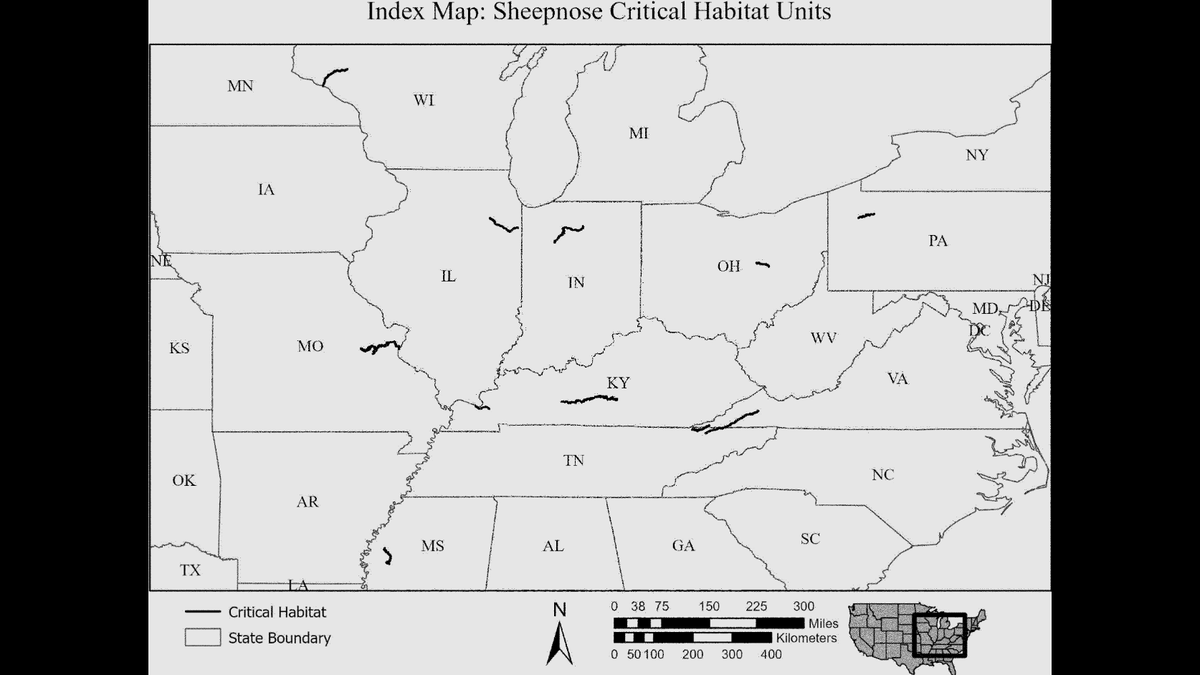
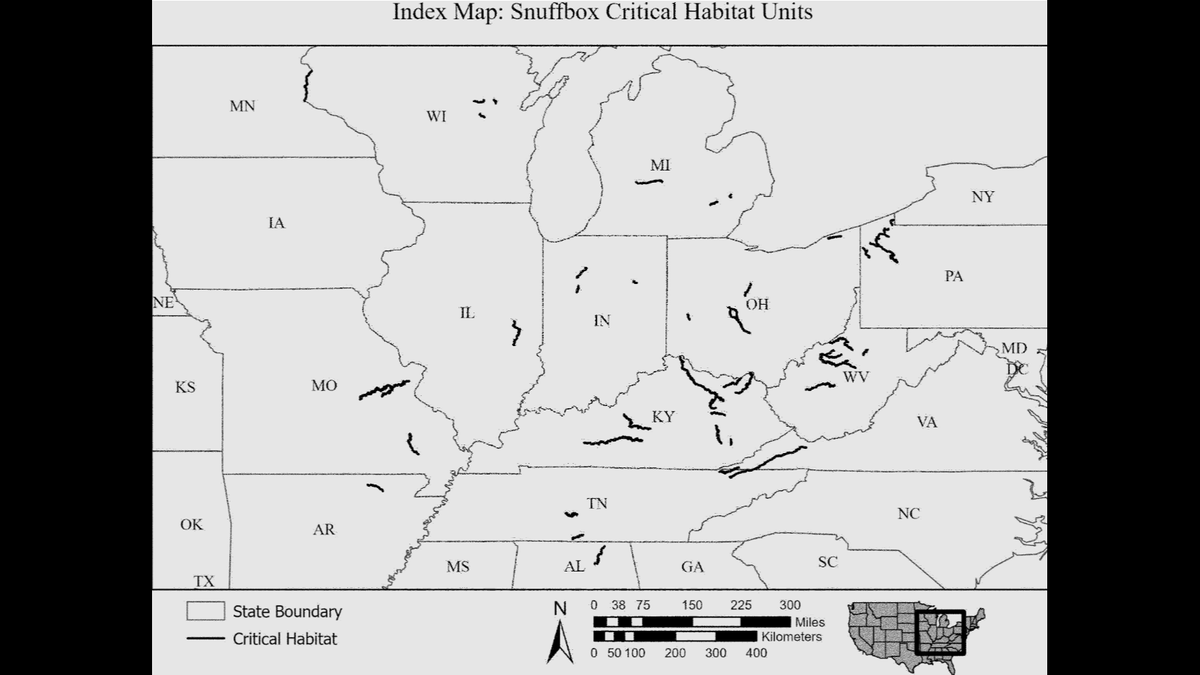
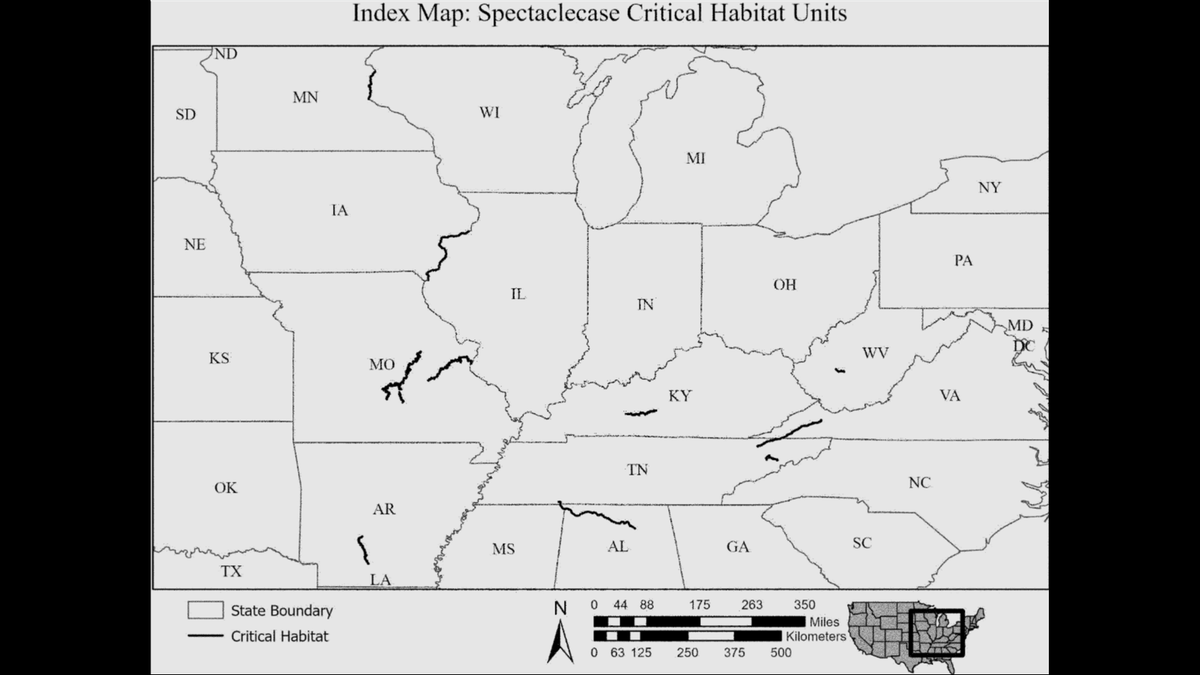
The federal agency announced April 24 it was designating roughly 3,814 river miles across 17 states critical habitat for four endangered freshwater mussel species: the rayed bean, sheepnose mussel, snuffbox mussel and spectaclecase mussel.
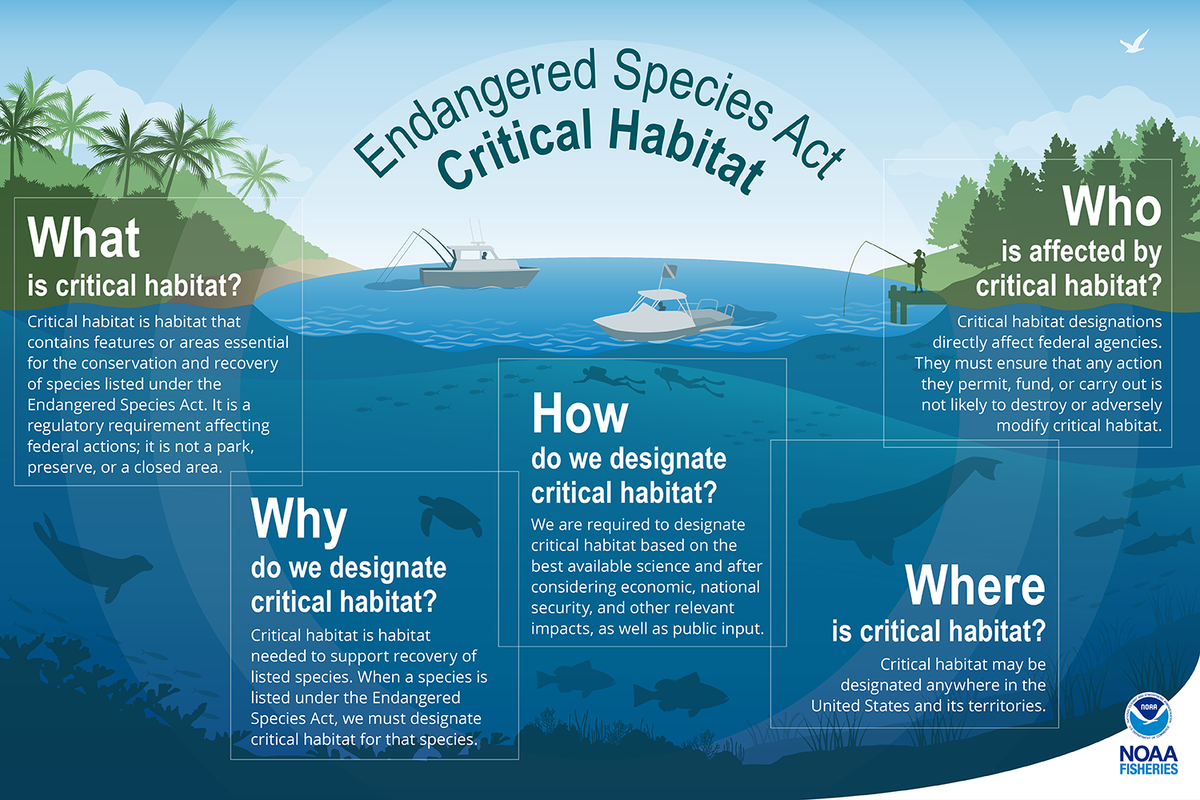
“Critical habitat is a tool to guide federal agencies in fulfilling their conservation responsibilities by requiring them to consult with the U.S. Fish and Wildlife Service under section 7 of the Endangered Species Act if their actions may ‘destroy or adversely modify’ critical habitat for listed species,” USFWS spokesperson Ashley Peters wrote in an email to the News-Democrat.
The designation not only aids in protecting areas necessary for a species’ conservation, but also requires the USFWS to gather more information about a species. This increases the knowledge the USFWS can share with federal agencies and helps promote conservation efforts, Peters continued.
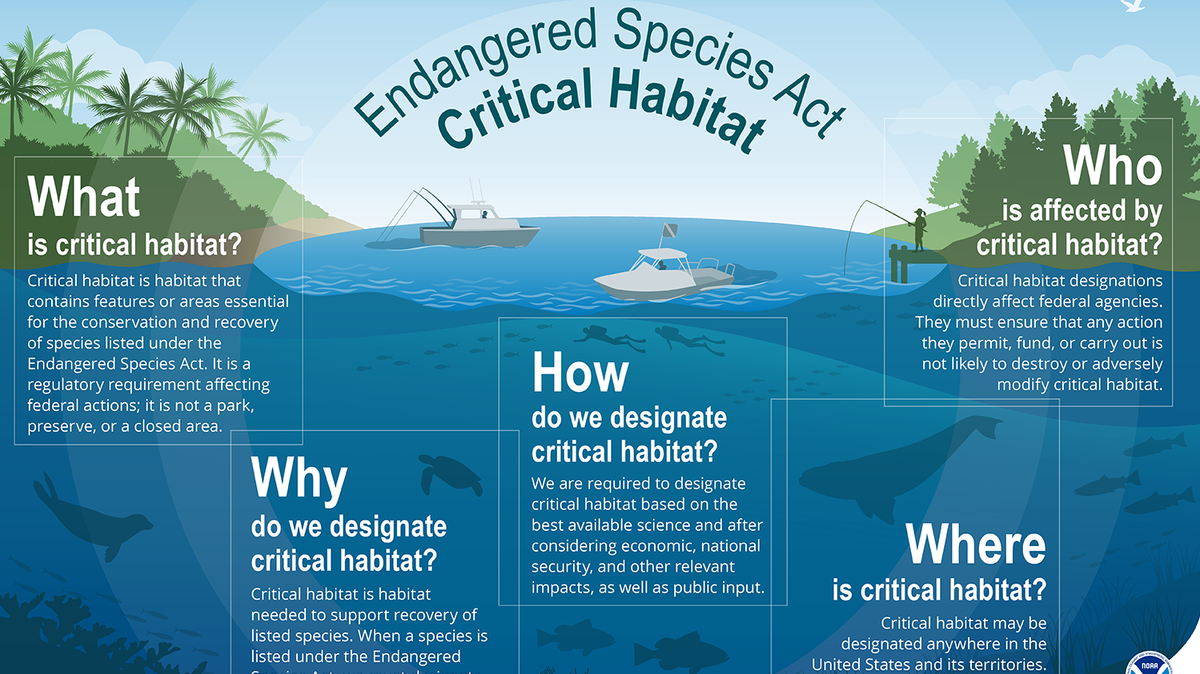
A critical habitat designation does not affect land ownership, and it does not create preserves or protected areas or authorize government or public access to private land, the USFWS reports. The designation can affect development that involves federal agencies.
Which Illinois rivers have ‘critical habitat’ designations?
In Illinois, critical habitat designations included the sheepnose mussel within Kankakee River, the snuffbox within Embarras River and the spectaclecase within parts of the Mississippi River.
The sheepnose, snuffbox and spectaclecase mussel species also have critical habitat designations in the Meramec River flowing through St. Louis County.
- The sheepnose mussel can grow up to 5.5 inches long and can live up to 30 years, according to the USFWS. The species was once found in 79 streams, rivers and a canal, but is now only in 22 waterways.
- The snuffbox mussel is smaller and reaches less than 3 inches in length, and can live up to 20 years. Its range has declined from more than 210 streams, rivers and other waterways to only 85.
- The spectaclecase mussel can grow up to 9 inches long and can live for more than 100 years. Its habitat has declined from 61 rivers and streams to about 40, the USFWS reports.
Why mussels are important to maintain water quality
Mussels are critical for water quality, and some estimates say a single mussel can filter up to 20 gallons of water each day. The USFWS reports mussels filter food, sediment and pollutants from the water, and they also serve as great indicators of stream health.
“Mussels play a vital role in freshwater ecosystems. They can be thought of as livers of the river — once you have a bunch of mussels, it’s basically a filtering mechanism and cleans the river. Mussels also provide food for other creatures and are good indicators of a river’s health,” Sara Schmuecker, biologist at the USFWS Illinois-Iowa Field Office, wrote in an email to the News-Democrat.
An ideal mussel habitat includes clean, clear, flowing water and stable substrates, and the mollusks are intolerant of pollution. Habitat destruction, dam construction and draining of wetlands all pose risks to the livelihood of individual mussels and species.
Competition from invasive species, such as the invasive zebra mussel, also threatens mussel survival. The zebra mussel species harms native mollusks by directly colonizing them and eating their food.
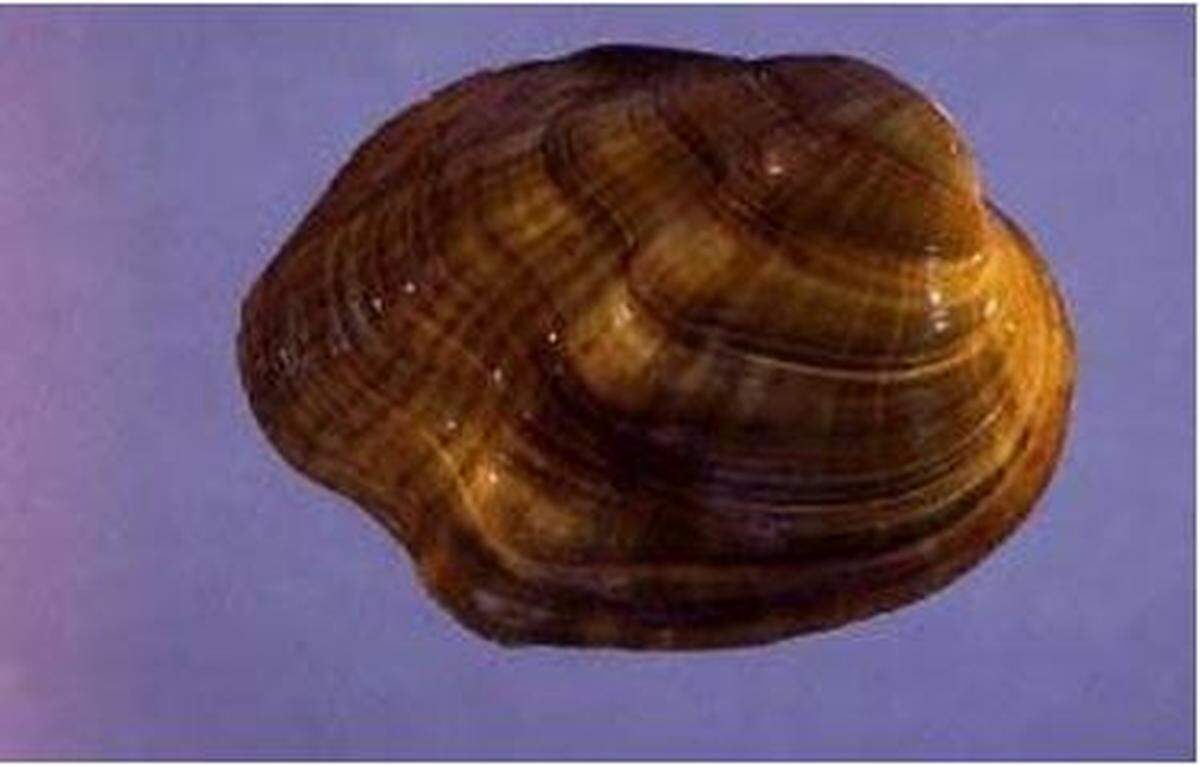
The USFWS declared one mussel species native to Illinois, the tubercled-blossom pearly mussel, extinct in 2023.
Officials with federal and state agencies participate in propagation programs to promote the conservation of mussel species. The Illinois Department of Natural Resources reports mussels may be the “most endangered group of animals in North America.”
How can you support mussel conservation?
The USFWS recommends a few best practices to support mussel populations:
- Reduce fertilizer use.
- Stabilize shorelines or allow natural vegetation buffers to grow along stream edges.
- Leave mussels where they are found — don’t collect mussels.
- Carry canoes and kayaks over shallow waters to avoid crushing mussels.
- Wash boats to avoid the spread of invasive species.
Do you have a question about animals or the environment in Illinois for the News-Democrat? We’d like to hear from you. Fill out our Metro-east Matters form below.