Endangered wolves & tiny foxes roam an hour from Belleville. How you can visit them
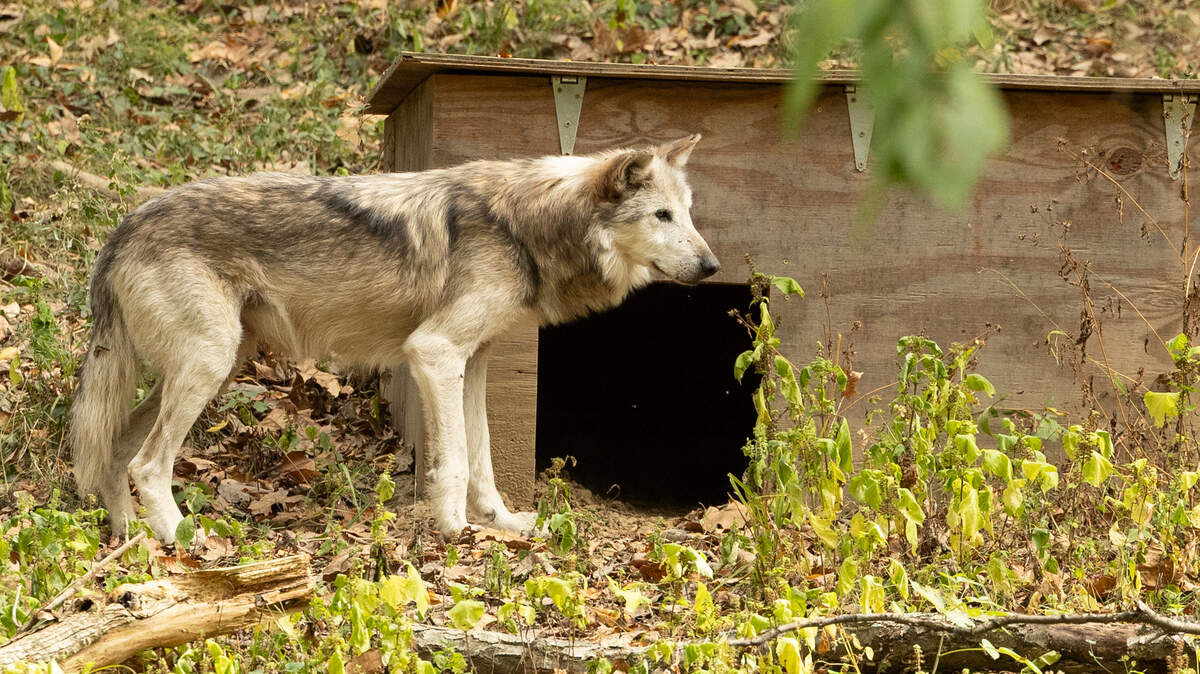
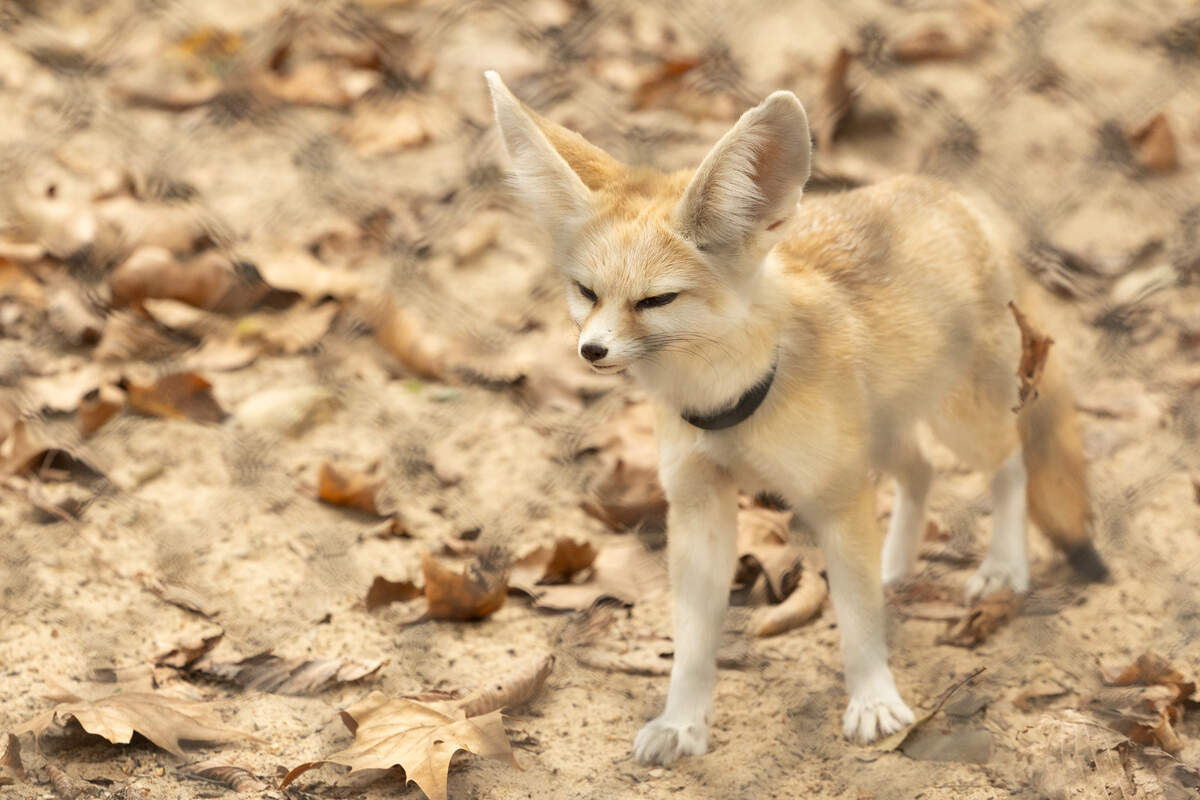
Less than an hour’s drive from Belleville, visitors can explore the Endangered Wolf Center, which houses eight canid species, from a 2-pound Fennec fox named Daisy to the “rarest large carnivore” in the nation, the American red wolf.
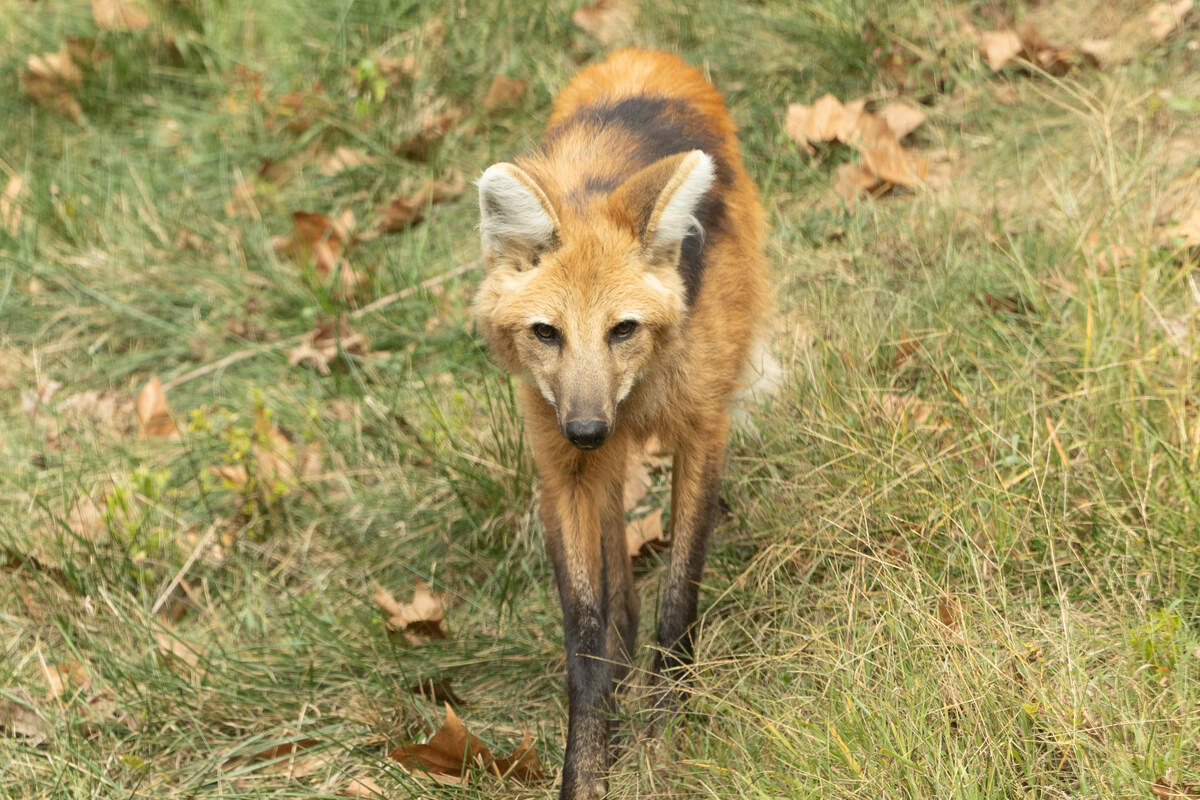
The nonprofit Endangered Wolf Center in Eureka, Mo., is home to the Mexican wolf, maned wolf, American red wolf, African painted dog, swift fox, fennec fox, Arctic fox and red fox.
In addition to providing educational opportunities for visitors, the center has played a critical role in repopulating one endangered species.
“When the Endangered Wolf Center was founded, there were only seven Mexican wolves left in the entire world,” Jimmy Parsons, communications and media coordinator, said in an Oct. 15 interview with the News-Democrat.
While the Mexican wolf is still endangered, populations have seen major recovery progress in recent years. Now, estimates say there are about 296 Mexican wolves in the wild, and about 300 in human care.
“Every single Mexican wolf can trace their roots back to the Endangered Wolf Center,” Parsons said.
Although the center houses critically endangered species and animals from other continents, some of the care they receive is similar to what you may do for your pet dog at home.
The facility is certified through the Association of Zoos and Aquariums, and the center’s staff use positive reinforcement training methods to teach the animals to accept medical care in a low-stress setting, as well as various methods of enrichment to improve mental and emotional wellbeing.
Enrichment, now commonly used for domestic dogs, was first popularized in zoos as a way to protect captive animals from mental distress and allow them to perform natural, species-specific behaviors in their enclosures.
The center’s animal care staff employ a comprehensive enrichment program for the animals, from hanging a deer carcass for the African painted dogs to enact part of the natural predatory sequence to filling Kong dog toys with treats for some of the smaller species to forage.
The interactions staff have with the animals onsite depend on whether the individual is part of the active release program or if they are unable to be released into the wild. For example, the center’s Arctic fox, Artie (a staff favorite), was formerly a pet and would not be successful in the wild.
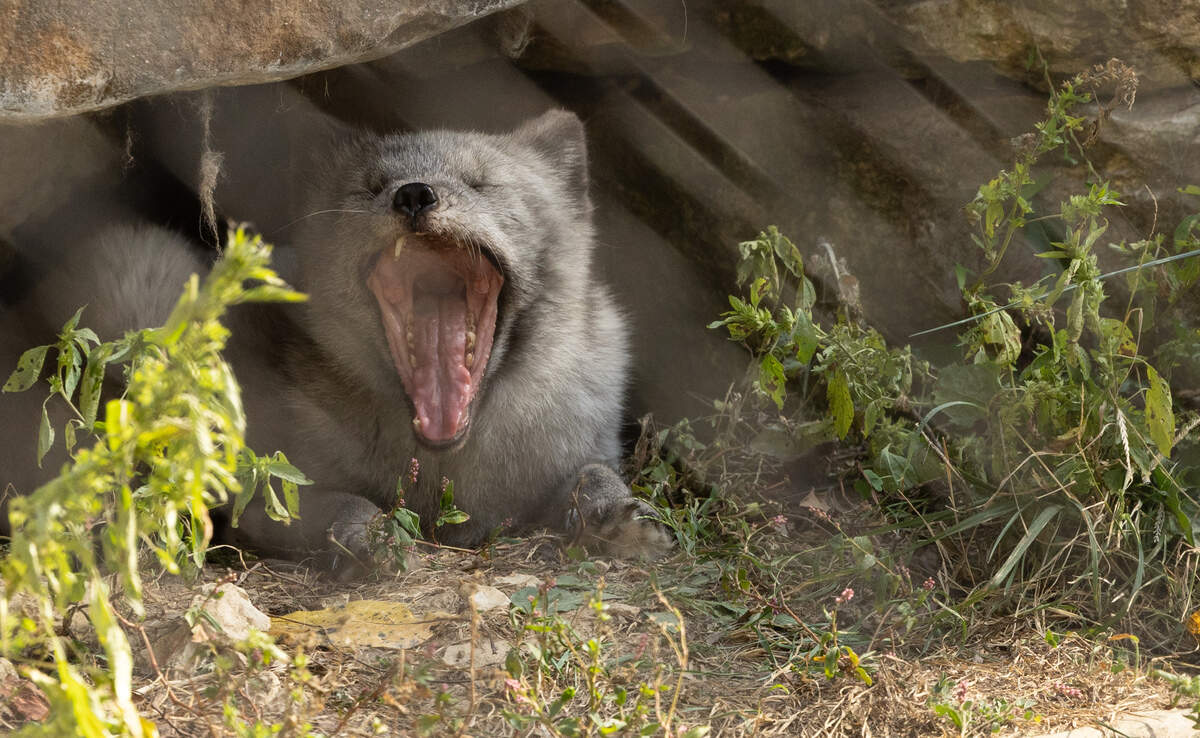
When Artie’s owner realized a fox did not make an appropriate household pet, they surrendered him to the Missouri Wildlife Rescue Center, and he then made his way to the Endangered Wolf Center.
For animals who have the potential to succeed in the wild, one of the release programs the center uses is the puppy fostering program for Mexican wolves. The program involves taking pups born at the center and placing them with mothers in the wilderness of New Mexico to support genetic diversity in wild populations.
Wolves are family oriented and “instinctually nurturing,” according to staff, so they raise the transferred pups as their own.
Common misconceptions about wolves
There are many common ideas of wolves derived from popular culture, from “the big bad wolf” in Grimms’ Fairy Tales to stories of “alpha” wolves battling it out for dominance.
“But in reality, wolves are really shy,” Parsons said.
The idea of alpha wolves frequently getting into violent confrontations over dominance is based on research from the 1930s on two packs of captive wolves. Many animal trainers do not consider the study to be representative of wild wolves, or of captive wolves raised in natural family units.
The Endangered Wolf Center often houses wolves in family units when possible, and one of the habitats includes two Mexican wolf parents, Maya and Rhombus, and their son, River.
Rather than despotic rule over their offspring, Parsons described the Mexican wolves’ relationships as similar to those of a typical human family. While the occasional disagreement may occur, Parsons said the wolves tend to get along well.
“If you have brothers or sisters at home, it’s pretty similar,” Parsons said.
Additionally, the wolves’ interactions with humans differ from what some may expect. Parsons said when animal care experts enter habitats to check on their pups, the adult wolves “run in the opposite direction.”
While wolves are shy and perhaps slower to conflict than some may expect, they are still very different animals from domestic dogs and even other canidae. Because the center’s wolves are part of an active release program, staff are careful to minimize interactions with them to preserve their wild nature and set them up for success when they are placed in their natural habitats.
Visiting the Endangered Wolf Center
The Endangered Wolf Center is open daily, other than Tuesdays, from 9 a.m. to 4 p.m. Reservations are required and can be made online or by calling 636-938-5900.
Visits are done in guided tours, and there are several options available depending on your interests. The endangered species tour, considered the center’s “signature tour,” runs for 90 minutes and costs $21.20 for an adult and $16 per child ages 4 to 14.
Discounts are available for veterans with identification and members. Toddlers age 3 and younger have free entry with their adult.
Optional add-on experiences include an animal trainer experience, at $26.50 for an adult and $21.20 per child. The experience runs 30 minutes and allows visitors to see trainers use positive reinforcement methods to train the animals.
Other options include an enrichment experience add-on and a “Foxy Fun Encounter,” which offers close-up experiences with the center’s fox species.
The Endangered Wolf Center is located at 6750 Tyson Valley Road in Eureka, Mo., which is about 48 minutes from Belleville by car. Six Flags St. Louis is located less than 20 minutes down the road from the center.
Do you have a question about animals in Illinois for the News-Democrat? We’d like to hear from you. Fill out our Metro-east Matters form below.