Forecasters eye ‘very strong’ El Niño: What it could mean for the metro-east area
AI-generated summary reviewed by our newsroom.
- NOAA reports a 61% chance of an El Niño emerging between May and July.
- NWS St. Louis says there is about a 25% chance the El Niño would be very strong.
- A developing El Niño would tend to produce a slightly warmer, drier winter in Illinois.
A very strong El Niño pattern could develop in the next month or two, which could affect the weather in Illinois this winter.
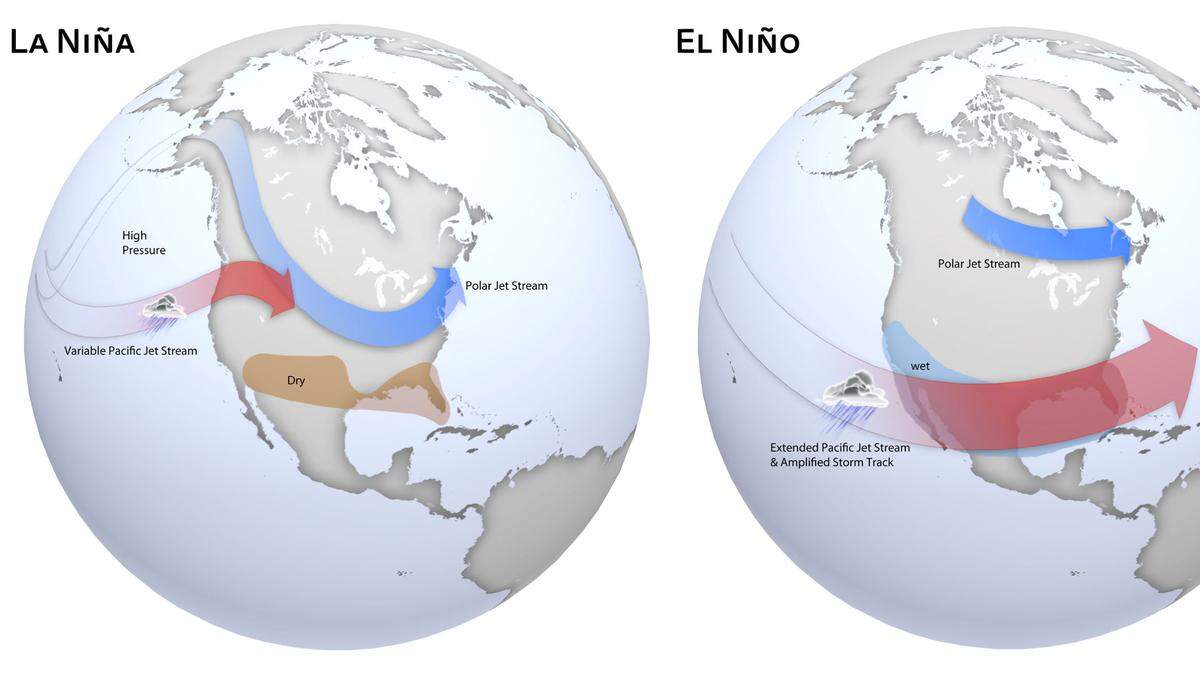
The terms El Niño and La Niña refer to climate patterns determined by tradewinds and water temperatures. El Niño occurs when tradewinds are weakened and warm water is pushed east, the National Oceanic and Atmospheric Administration reports, while La Niña has the opposite effect.
The term “super” El Niño is informal and is not officially used by NWS meteorologists, but has been popularly used by some media outlets because the forecast calls for the possibility the expected El Niño pattern could be strong.
The National Weather Service Climate Prediction Center reports there’s a 61% chance of an El Niño pattern emerging between May and July, and if it does develop, it could range anywhere from very light to very strong, Melissa Delia, meteorologist with the NWS St. Louis office, told the News-Democrat in a May 8 interview.
“When we talk about how strong it is or how weak it is, it’s really talking about how strong or how cool or warm our sea surface temperatures are,” Delia said.
There’s about a 25% chance we will see a “very strong” El Niño pattern, Delia said.
How could El Niño affect Illinois winter weather?
The effects of El Niño are most often felt in Illinois in the winter, Delia said, an El Niño pattern would prime Illinois for a slightly warmer and drier winter than usual.
“That doesn’t mean we can’t get snow or that it’s not going to be cold,” Delia said.
We’re currently in an ENSO-neutral state, which occurs roughly 40 to 50% of the time. If an El Niño pattern does emerge, it could last anywhere from 3 months to a little over a year. El Niño patterns generally occur more frequently than La Niña patterns, according to the National Oceanic and Atmospheric Administration.
What about spring and summer weather in Illinois?
The Climate Prediction Center reports the metro-east has a 33 to 40% chance of seeing above-normal temperatures from May through July, with equal chances of above- or below-normal precipitation.
Typical temperatures in Belleville range from about 56 to 79 degrees in May, 65 to 87 degrees in June and 68 to 90 degrees in July, according to NOAA data from 1991 to 2020.
Do you have a question about the weather or the environment in Illinois for the News-Democrat? We’d like to hear from you. Fill out our Metro-east Matters form below.