Mother Baltimore: The Charade

I’ll preface this by saying I’m an avid D’Angelo fan. I watched his Verzuz maybe more times than I’d like to publicly admit.
I listen to his music and watch his old concerts throughout the day. I’m mesmerized by his ability to take fans on a historical yet sonically-pleasing journey of sounds inherent of Black culture, as he seamlessly blends elements of funk, jazz, R&B, soul, rock and gospel.
I also have his last album “Black Messiah” on vinyl and recently hung it in my living room. This week, I re-listened to the most politically-tinged single from that album: “The Charade”. Here are some of its lyrics:
Degradation so loud that you can’t hear the sound of our cries/All the dreamers have gone to the side of the road which we will lay on/Inundated by my media virtual mind (expletive) in streams/All we wanted was a chance to talk/ ‘Stead we only go outlined in chalk/Feet have bled a million miles we’ve walked/Revealing at the end of the day, the charade
D’Angelo co-wrote this song before Trayvon Martin’s death, which sparked the Black Lives Matter Movement, but when listeners got their chance to hear the song in 2014 (when the “Black Messiah” was released), it was hard to separate that event from those lyrics. They now speak to the deaths of Eric Garner and Michael Brown — both of whom were killed just months before the album’s release — as well.
Today, as this time marks a year since George Floyd’s death and the protests across the world that followed, it’s even harder to separate those lyrics from current times.
The last line of the chorus moves me: “Revealing at the end of the day, the charade”. “Charade” is probably one of the best words that describe last year’s actions. After George Floyd was killed by police in Minnesota, corporate brands announced changes to their racist names, sports leagues wore jerseys with words like “Education Reform” on the back, and diversity became a buzzword in newsrooms.
All of these things, and a lot more, happened during a time that’s referred to as a “racial reckoning,” as if racism is something that was invented in 2020 that we suddenly must face. Where was that level of mainstream awareness when Trayvon Martin, Michael Brown, Laquan McDonald and Rekia Boyd were killed? What was so different about George Floyd’s death that prompted people to finally take a stance against racism in this country?
I still have no idea. What I do know is that the level of awareness that was pervasive during late May/early June of last year has died down and Black people have continued to be killed by police.
A charade, indeed.
Have a story tip or just want to talk? Contact me at 618-239-2624 or dsutgrey@bnd.com.
Since January, the BND has hosted listening sessions with Black residents in southwestern Illinois in an effort to improve our coverage of those communities. Our next one is on Tuesday, June 8 at 6 p.m. via Zoom. Click this link to RSVP.
Now, here’s the latest news in southwestern Illinois:
East St. Louis has a rich musical history. It deserves to be celebrated.
June is Black Music Month. Throughout the month, the BND will be releasing articles that highlight Black artists from East St. Louis. In this introduction piece, BND reporter DeAsia Paige writes about the importance of East St. Louis’ musical legacy, which includes launching the careers of Tina Turner, Chuck Berry and Miles Davis.
More on music in the metro-east:
Musicians from East St. Louis, Illinois talk about how the city influenced their careers
Family of Miles Davis celebrates documentary, restored East St. Louis home
Are police efforts to solve more East St. Louis criminal investigations working?
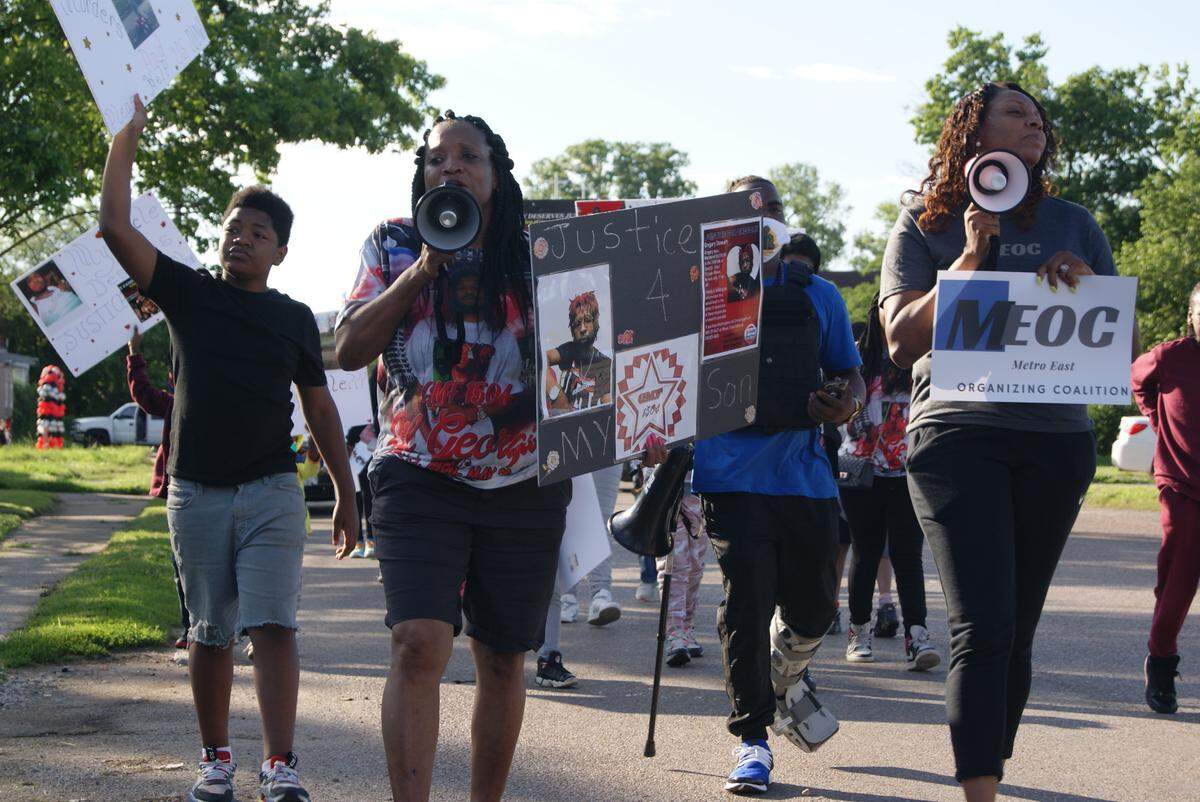
Reporters Lexi Cortes examined the progress of East St. Louis criminal investigations through the frame of Gregory Stewart, a 31-year-old man, who died in the city last year. His family wants justice. “We need answers,” Stewart’s mom La’Tatia said during a rally last Saturday. “These people need to be arrested and charged and held accountable for what they did to my son.”
More on East St. Louis criminal investigations:
Families come together to seek justice in Stop the Violence rally in East St. Louis
Illinois State Police introduces new unit designed to reduce crime in East St. Louis
It could soon be illegal for Sauget company to burn group of chemicals linked to cancer

During Memorial Day weekend, a bill that would ban toxic chemicals aka PFAS (per- and poly-fluoroalkyl substances) from being burned passed in the General Assembly. Residents in the metro-east have expressed their concerns about the substances being emitted from a waste incinerator in Sauguet, and now their hopes can become a reality if Pritzker signs the bill into legislation.
More on Veolia’s waste incinerator in Sauget:
You could breathe air poisoned with cancer chemical from Sauget incinerator, lawsuit says
Duckworth pressing EPA to monitor metal emissions at southwest IL incinerator
What to watch
Mary J. Blige’s My Life

Speaking of Black Music Month, the Queen of Hip-Hop Soul returns to our screens in a new documentary that celebrates the 25th anniversary of her seminal album (you guessed it) “My Life”. Released in 1994, “My Life” is Mary J. Blige in her most vulnerable state, as she croons about depression and being in an unhealthy relationship. But the beauty of the album is Blige’s impressive ability to use music as her container for all of the pain and trauma, setting the stage for how generations of listeners, particularly Black women listeners, use Blige’s music as an outlet for their own pain. The documentary, which airs June 25 on Amazon Prime Video, will give viewers a behind-the-scenes look at the makings of the classic album.
(P.S.- If you’re a Mary J. Blige fan and need something to hold you over until the documentary, I’d recommend listening, if you haven’t already, to the deluxe/commentary edition of “My Life”, which was released last year. In it, you’ll hear Blige give background information about each song.)
What to read
Stop Hustling Black Death
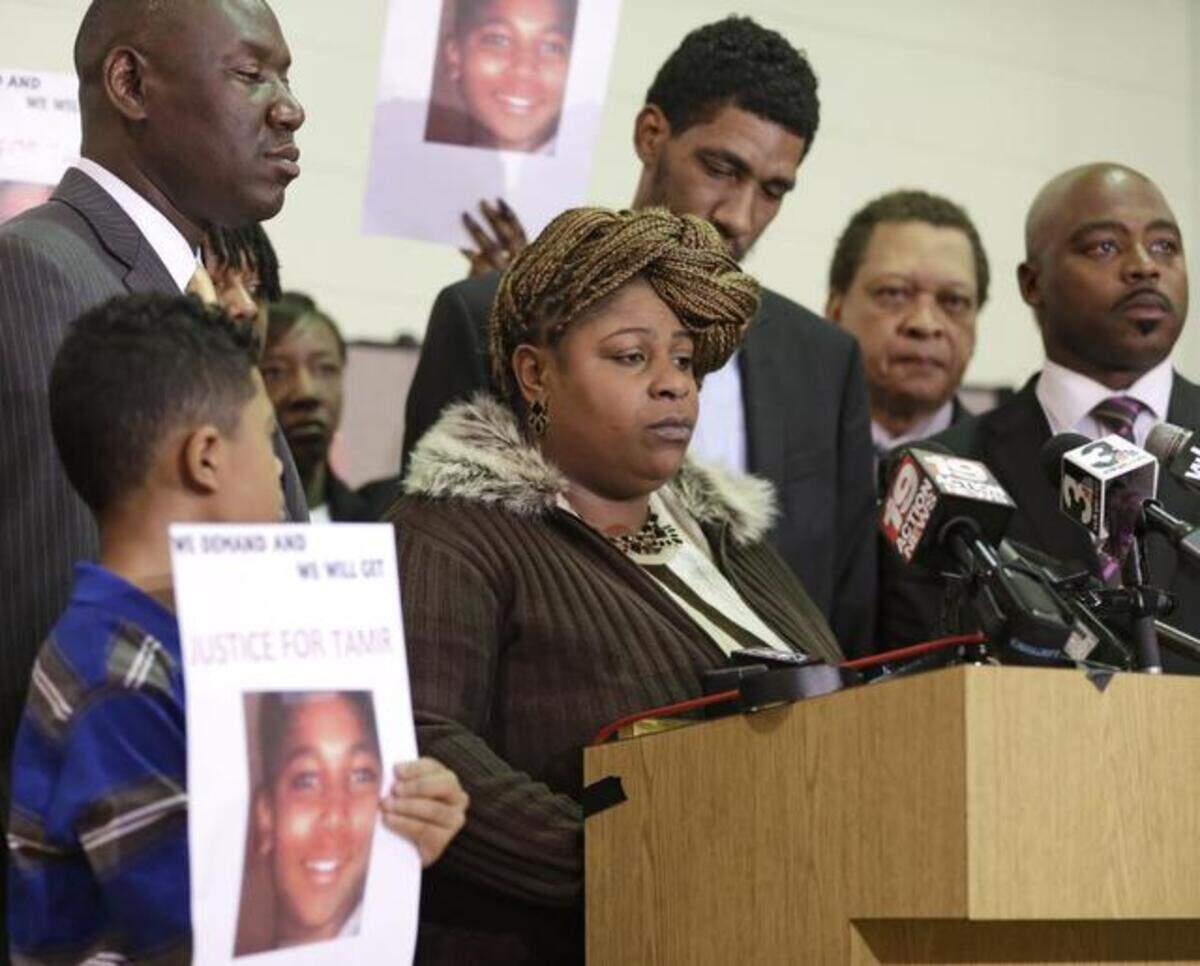
For The Cut, scholar Imani Perry talked to Samaria Rice, mother of Tamir Rice, about the dangers of celebrity activism that has become pervasive in the Black Lives Matter Movement. Tamir Rice, 12, was fatally shot by police in Cleveland, Ohio, in 2014, sparking outrage and protests across the country.
In wake of George Floyd’s death and its aftermath, Samaria Rice criticized prominent leaders and activists within the Black Lives Matter Movement for using her son’s death, and countless other victims of police brutality, for personal gain. Rice speaks about her grievances in this passage, which I think should always be considered as we attempt to bring awareness to police brutality :
They should not be standing on the front line like this was they child. You supposed to be uplifting the family, the community, teaching us how to love on each other, not bickering and fighting about who gon’ get the next case or who gon’ be on TV next. It’s a mess.
That’s all she wrote!
That completes this week’s edition of Mother Baltimore. I hope y’all enjoyed reading just as much as I enjoyed writing it. Talk to y’all in two weeks!
Did someone forward this newsletter to you? You can sign-up for Mother Baltimore here. If you’d prefer to unsubscribe from this newsletter, you can do so at any time using the “Unsubscribe” link at the bottom of this message.
This story was originally published June 4, 2021 at 11:06 AM.