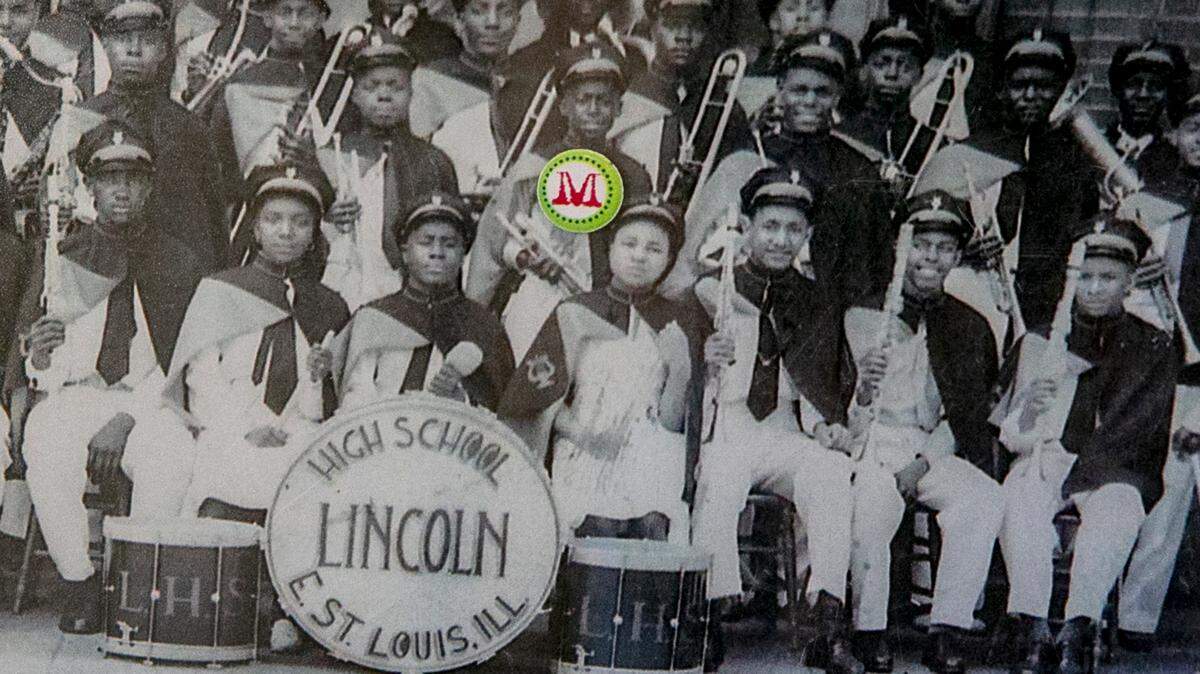
East St. Louis has a rich musical history. It deserves to be celebrated
READ MORE
More Coverage on Black Music Month
Read all of the BND’s articles that celebrate Black Music Month
Expand All
This story originally was published in 2021.
In the late 1950s, a teenager by the name of Anna Mae Bullock visited the now-defunct Manhattan Club at 1312 Broadway in East St. Louis.
She had recently moved to St. Louis, Missouri, from Brownsville, Tennessee, to live with her mom after the passing of her grandmother. Bullock, along with her older sister, frequented clubs in the area, but it was at the Manhattan where she became enthralled by the popular rock group Kings of Rhythm and its ostensibly charming band leader.
She said they were “the hottest band in town,” and she’d never seen a group like that before, one that was formally dressed while playing instruments. She was hooked. She wanted to have that same essence of cool. She wanted to sing in that band.
Proving that she could be in the band took time, but when Bullock took the mic one night at the Manhattan to perform B.B. King’s “You Know I Love You” to the band leader, she knew she had to give it her all. And she did. It’s likely that her voice wasn’t too far off from what she sounds like today: her signature raspy tone that sounds like an audible catharsis of deeply-rooted pain, a Black woman’s deeply-rooted pain.
The band leader, known as Ike Turner, was impressed. He later gave Bullock the stage name of Tina Turner, and that night in East St. Louis birthed the chart-topping duo of Ike & Tina Turner. But the group,which perhaps should be remembered as a partnership that was as abusive as it was pioneering, is merely a preface to the triumphant solo career of Tina Turner, the appropriately-dubbed Queen of Rock & Roll (and this year’s Rock & Roll Hall of Fame inductee) who was determined to have her voice be heard, just as she did as a teen.
And East St. Louis is partially responsible for that.
East St. Louis is also responsible for Rock and Roll pioneer Chuck Berry, who got his big break while performing at the city’s Cosmopolitan Club, and Jazz legend Miles Davis, who was raised in the city before launching his career in New York City.
The city has gone on to become a breeding ground for a wide range of Black musical creatives, from esteemed songwriters to genre-defying musicians, who are following in the footsteps of the iconic talent in East St. Louis that pre-dated them. And for Black Music Month, that deserves recognition.
Black Music Month
On June 7, 1979, President Jimmy Carter issued a decree that made June a yearly observance for honoring the various contributions of Black music to American culture.
However, it was the work of Black industry professionals such as Dyana Williams and Kenny Gamble who made Black Music Month official. Although the observance was declared by Carter, it wasn’t official until 2000 when Williams worked on drafting House Resolution 509, aka The African-American Music Bill, which was signed by President Bill Clinton.
In a 2013 interview with Ebony Magazine, Williams talks about the importance of celebrating Black Music Month.
“It’s something that we need to be proud of,” Williams said in the interview. “If you ask artists from different cultures, they’ll tell you how influential Black music has been to them. Ask Mick Jagger. Ask Paul McCartney. Ask Eric Clapton. Ask Kid Rock. Ask them how much Black music influenced their careers. The Rolling Stones got their group name from an old Muddy Waters record. In some cases, most white artists know our music better than we do. It’s important to know because it’s a source of inspiration and a motivating factor.”
Williams is right. Black music has influenced, and continues to influence, American culture. It was just three years ago when Hip-Hop, a genre created from the culture of working-class Black people in the Bronx, surpassed Rock as the most popular music genre in the country. And, one glance at current Billboard charts will tell you that Black artists makeup today’s most streamed songs.
By producing some of the biggest names in music, East St. Louis has played a significant role in the tradition that Williams mentions. Where would the landscape of music be today if Tina Turner hadn’t mustered the courage to do a solo performance at the Manhattan? Or if Chuck Berry decided not to fill in for a saxophone player in a band to perform in East St. Louis? Or if Miles Davis wasn’t raised in the city?
But the city’s rich musical culture is often forgotten.
Being a small town adjacent to a big city, East St. Louis is easy to overlook. It’s especially easy to overlook when crime and violence have unfairly become synonymous with the city’s name. And even easier to overlook when the city is a predominantly Black town (Black people make up about 97% of East St. Louis’ population). But East St. Louis has arguably laid the groundwork for the bulk of popular music, and that is worth celebrating.
ESTL Voices aims to do just that.
The BND series, which will be published in June, will highlight various Black artists who grew up or were born in the city. Each Sunday in June will feature a Q&A or profile of a different artist. Musicians included in ESTL Voices are:
Chuck Harmony: songwriter, producer and one half of vocal duo Louis York
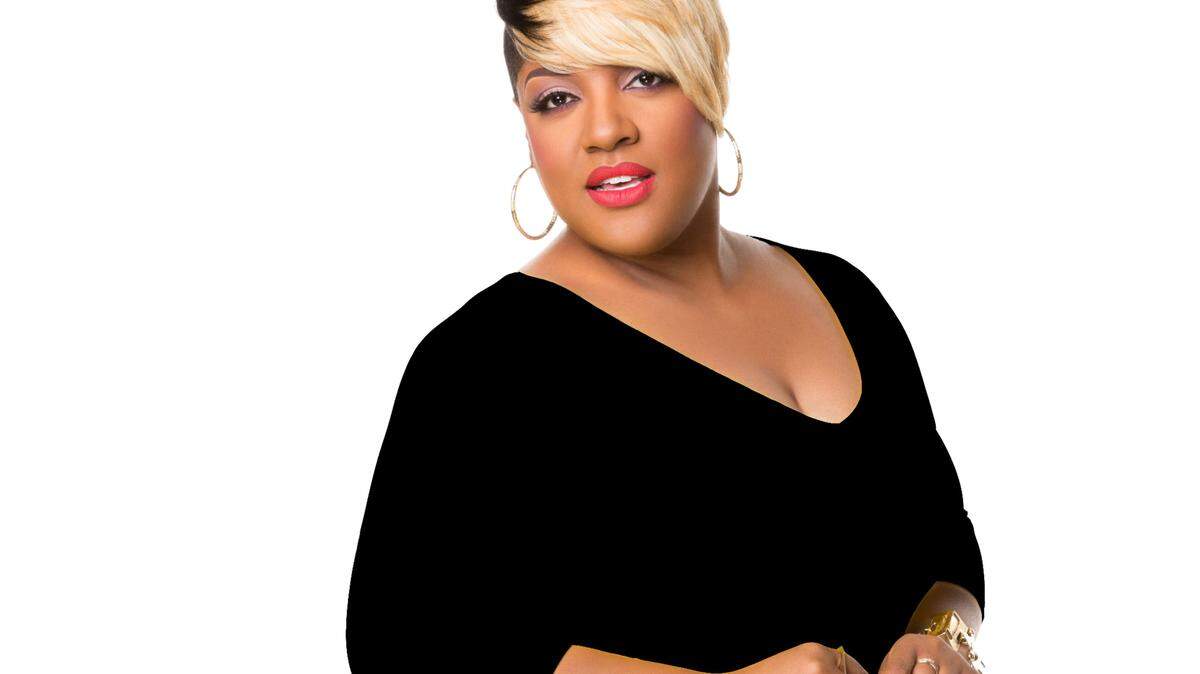
Anita Wilson: gospel singer/songwriter
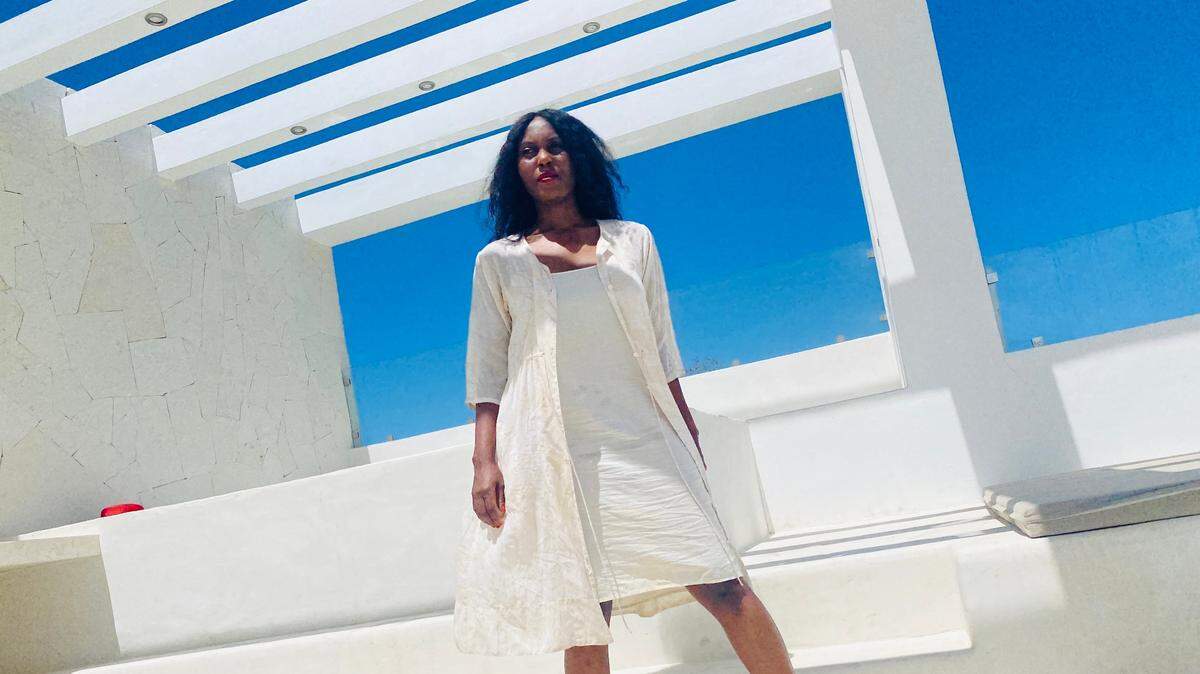
Arama Mara: songwriter, producer, singer and tech entrepreneur
And, of course- Miles Davis: legendary Jazz musician
While celebrating East St. Louis’ musical legacy as a whole, ESTL voices explores how the city contributed to the sound and artistry of the aforementioned musicians, and why East St. Louis is, as Chuck Harmony told me, fertile soil to launch successful music careers. Some artists included in the series started their musical journey by attending church in East St. Louis. For others, a local high school’s jazz band gave them the tools they’d need in their career.
But, for all of them, being in a nurturing, all-Black community such as East St. Louis where, as Arama Mara told me, “everybody knew everybody” gave them all the support and love they needed to pursue their dreams. And that, to me, is how the city should be regarded.
BEHIND THE STORY
MOREWho are our stars?
Help us tell more stories about people from the metro-east making an impact on the arts and culture scene in our region and beyond. Who are the emerging creative artists shaping the future of music, dance, the theater, film, sculpture, television, writing, photography and other arts? Tell us your ideas by completing this survey or contacting DeAsia Paige via email or phone 618-239-2624
This story was originally published May 30, 2021 at 5:00 AM.