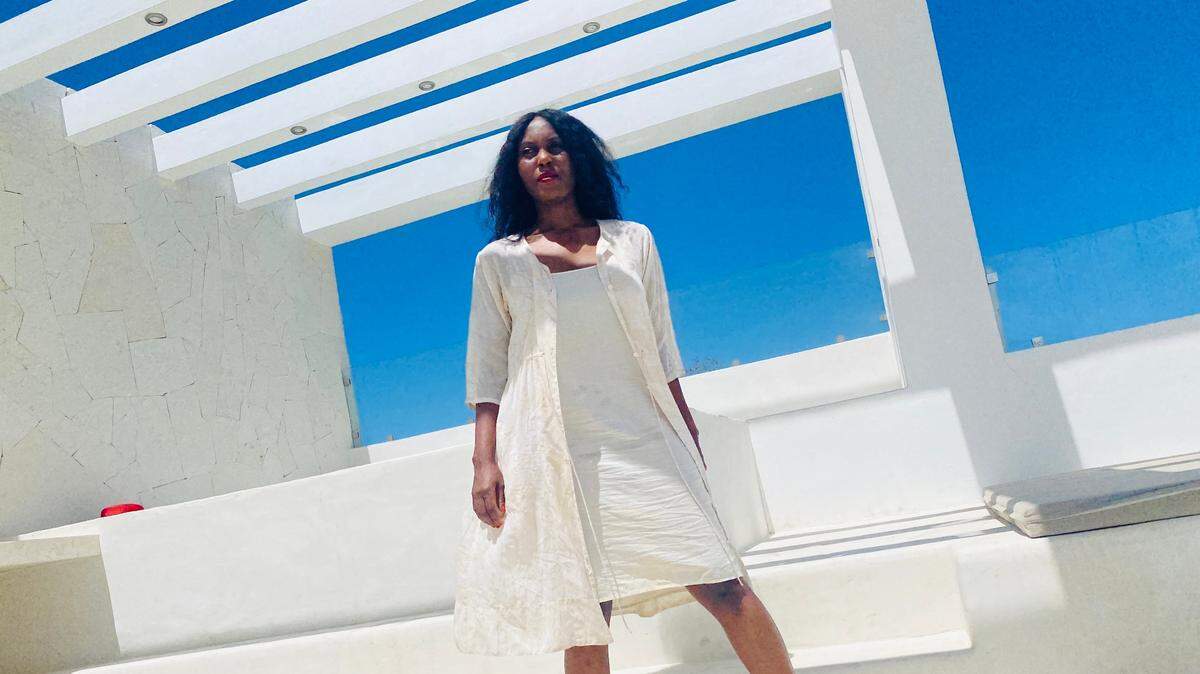
East St. Louis formed this Grammy-nominated gospel singer’s love for music
READ MORE
More Coverage on Black Music Month
Read all of the BND’s articles that celebrate Black Music Month
Expand All
Third in a four-part series. This series was originally published in 2021
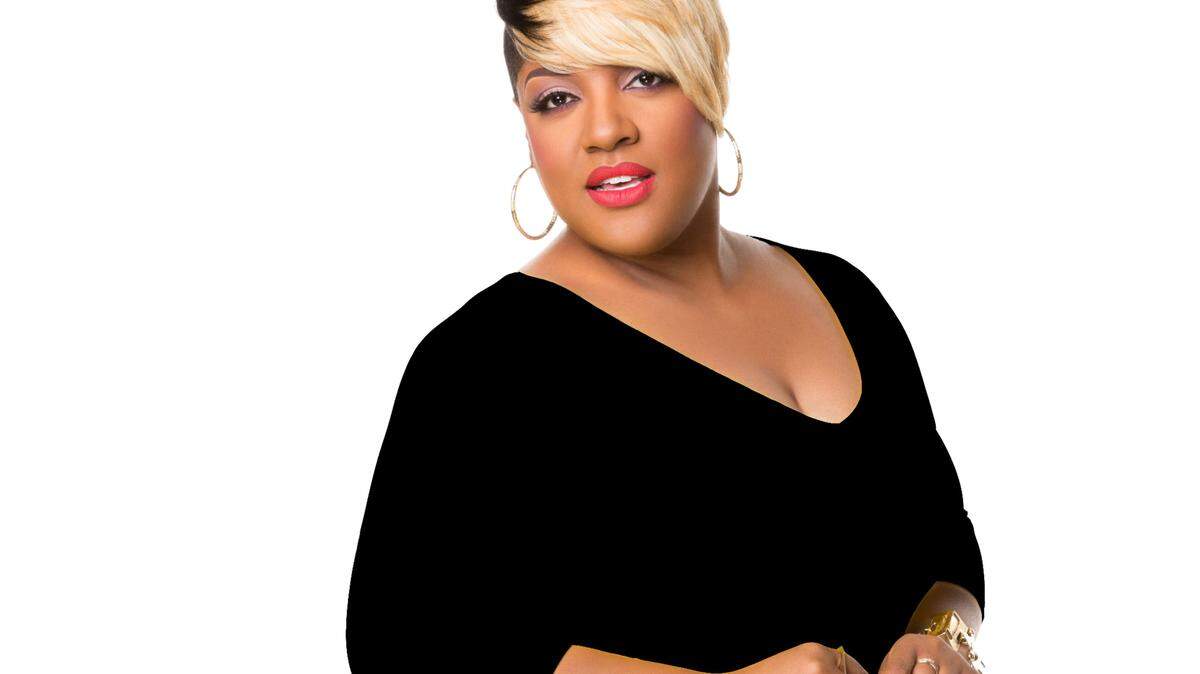
Performing live wasn’t something that Anita Wilson always enjoyed. In fact, when she was younger, she’d go out of her way to avoid singing in church.
But the gospel artist always grew up around music while living in East St. Louis, which, along with her undeniable vocal talent, made pursuing a music career an inevitable pursuit. The talent was there. The musical background was there. All she needed was a gentle push.
East St. Louis gave Anita Wilson the push she needed to have confidence in her voice, as she eventually started enjoying singing in school and in church.
The two-time Grammy nominee started her solo career in 2010 after a decade of singing with the legendary gospel group Donald Lawrence & Company. Her debut album “Worship Soul,” released in 2012, was met with critical acclaim. Along with being nominated for Best Gospel Album at the 2012 Grammy Awards, The New York Times listed the gospel album as among the best of that year.
Since the release of her breakthrough debut, Wilson, 45, has gone on to release three more albums - all of which are glistened by a mesh of gospel music, R&B, soul and house music.
Wilson’s affinity for all genres and being able to incorporate them into a sound that resonates with listeners started in East St. Louis, as her parents introduced her to the music of everyone from the Clark Sisters to Donny Hathaway. Being a teenager during the beloved “90’s R&B” era didn’t hurt, either.
Now, she’s working on her fifth album. Although Wilson lives in Chicago, returning to East St. Louis, where it all started, for a concert is a goal of hers.
“All of those years were very formative in just instilling my love and familiarity of music and just a breeding ground for me finding my own voice,” Wilson said about growing up in East St. Louis. “That’s my foundation.”
For the third installment of ESTL Voices, the Belleville News-Democrat talked to Anita Wilson about her time in East St. Louis and her new music:
Describe your musical upbringing in East St. Louis. Did you grow up singing in the church?
Wilson’s parents are the late Lady Anita L. Wilson and Pastor Fredrick Wilson Sr., who served a couple of churches in the East St. Louis area, including Friendship Missionary Baptist Church on Tudor Avenue.
“From a little girl, my father was also a singer and musician, my parents loved music. They had music playing in the house all the time, that’s why I love vinyl to this day. Every time I can remember being around the house, there was music playing, and it would range from everything from James Cleveland, Andre Crouch, Donny Hathaway as well as The Hawkins (Family). We were a Hawkins household. We love The Hawkins Family, the Winans, the Clark Sisters and Gladys Knight. The list just goes on and on of not just gospel music but all music.”
“The familiarity and the appreciation was there as a young child. We also did family concerts, so music was always a part of my life, although I didn’t like to sing when I was little. When those family concerts would roll around, they kind of had to make me sing. I had an older brother and an older sister, so I was spoiled and fell asleep before my part came, and they didn’t make me wake up, so my brother sang the high parts, too.”
What made you more comfortable with singing?
“I think that it was something I was being made to do at first, and I just wasn’t. I can remember my brother and sister in their pastimes they’d listen to music. My brother would start playing the piano a little bit, but I was in the other room learning raps and stuff. I would listen to rap music and R&B music. I was just kind of on my own page, so it was kind of a thing where my parents made me do it at first, but when I became an early teenager, I just began to get used to it and love it for myself as opposed to something that my parents were making me do.”
What was East St. Louis like when you were growing up?
“My whole life when I was growing up there was just church and school. I was a youngin, so it wasn’t much else to really experience, especially being a pastor’s daughter. My memories are at church, at choir rehearsal and some of those kinds of things. My mom worked for the (East St. Louis)School District 189. My father was also on the school board, so I can remember that. I can remember the Clyde Jordan Senior Citizen’s Center. They used to have all kinds of events there. There were a lot of fashionable women doing fashion shows and all kinds of things. So I can remember my influences in fashion started at an early age with my mom and her friends and as well as just kind of being social in the school district and looking forward to being in high school.”
“There’s a lot of love in East St. Louis. A lot of loving people, a lot of supportive people as well. And I can remember that fashion.”
How did the city cultivate and nurture your talent?
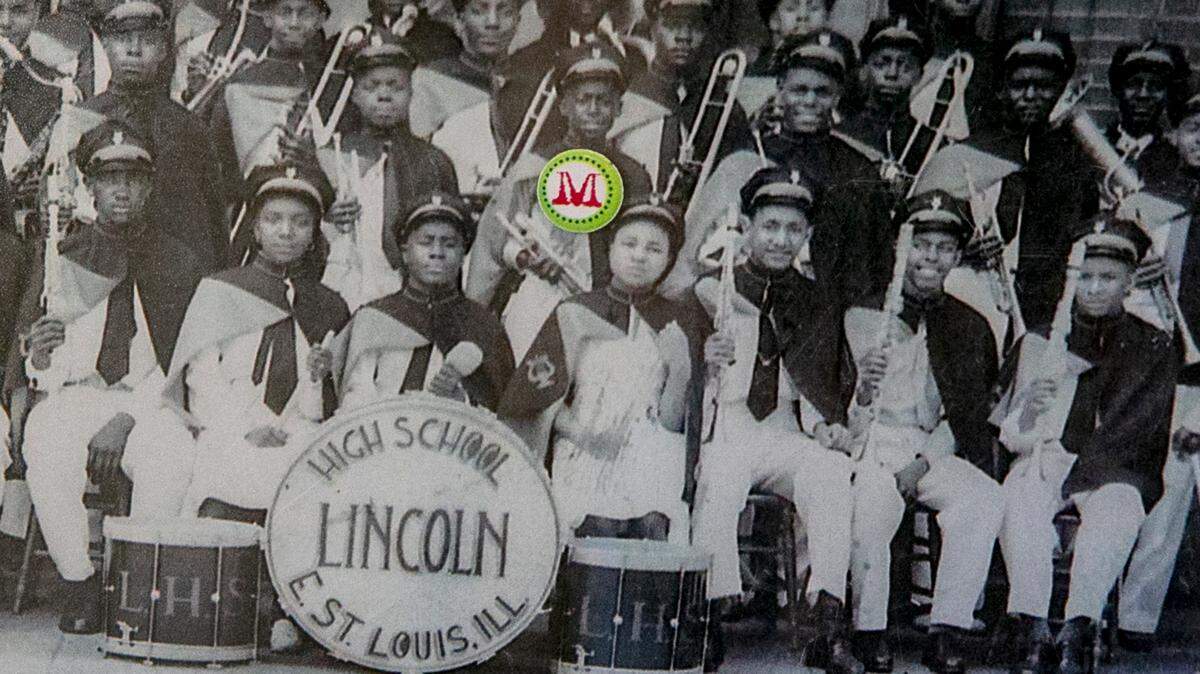
Wilson graduated from East St. Louis Lincoln High School (which closed in 1998) in 1994. During her time at the school, she was a member of its critically-acclaimed jazz band. She said being in the band, along with growing up in the church and being a fan of 90s R&B, became her music education.
“Mr. Ron Carter, who was the jazz band director, (helped me). I was a vocalist with the jazz band and that helped me to begin to sing live and get used to singing live in front of an audience and connecting with an audience and all of that good stuff. Of course, the one and only Miles Davis graduated from (East St Louis) Lincoln High School….some great music and some great talent came out of those halls in Lincoln High School.”
“That was my school, that was my training ground and that was my breeding ground. From my parents’ influence of music at home and at church….. I appreciate the fact that my family also had the balance of appreciating all music and not just gospel music….that had a lot to do with my music appreciation as well, knowing and appreciating all genres of music.”
What 90’s R&B artists were you listening to?
“Faith Evans, for sure. Brandy, for sure. Of course Mary J. Blige, Jodeci, Mint Condition, Lalah Hathaway. We’re fresh off the (Mother’s Day) Verzuz, so I love SWV.”
You started your career by singing background for Donald Lawrence. How did that happen?
Wilson moved to Chicago in 1999 and worked as a worship leader for a church. She said she started working for Donald Lawrence around 2004.
“I met Donald Lawrence while I was singing background at a recording here in Chicago, and that’s when he first heard me sing. I happened to lead a little bit of a song at that live recording and that’s when he heard me sing solo, and he got in touch with me after that. I was honestly surprised and I thought it was just for a quick engagement here while he had just moved to Chicago. I thought he just needed someone to fill in real quick. But it actually turned into a lifelong musical family that we have with Donald Lawrence & Company and his whole crew. I started singing and recording with him and traveling with him. I’m so blessed because I was and still am a fan of Donald Lawrence & Company, Donald Lawrence and Tri-City. It was an amazing experience to work so closely with him for all of those years and learn a lot about artistry and writing and producing and the industry and business and humility and integrity, all of those things.”
What made you want to take the leap in becoming a solo artist?
Wilson started recording for her 2012 debut album in 2010. Her first single, “Speechless”, dropped the following year.
“I had begun to write songs and teach them to the churches that I was working with….and they began to kind of reach people and go a little well at church where I would sing those songs. I began working with Rick Robinson, we were working at the same church, and he was encouraging me...and much like I was a kid, I wasn’t eager for the day to not sing background anymore and be a solo artist. That was not really my feelings about it. I totally enjoyed singing background with someone, especially Donald Lawrence & Company, but I just kind of saw the handwriting on the wall. One thing was leading to the other. I kind of just wanted to be a writer for other people, but I saw that, little by little, we had a list of songs that felt special for me to do something with.”
“(Going solo) was something I heard for most of my life just even being in East St. Louis. (It was) like, ‘Girl, you need to be on the radio. You can really sing, girl. You need to be on the radio,’ but I never believed my own hype. I still don’t believe my own hype. I just kind of ignored that. I just took that with a grain of salt for years. But when we began to have a list of songs, I kind of felt inspired to do an album.”
Your last album “Dance Soul” (2020) is a collection of house-inspired remixes of your popular songs. It’s a sound that’s different from what you’ve done before. What was going through your mind when you had the idea for the album, given that house music originated from Chicago?
“What was very interesting to me was that in the LGBTQ community, my friend told me that the club can be a spiritual experience for them because they had been ousted in churches and turned away from people and not accepted, and they’re not able to have a spiritual outlet. So many times when they go to the club, people from the outside looking in would paint that as something else, but that’s also a place where they can go and be free, so I thought about (doing) gospel house. I thought about all these different settings where the music can reach people, so when I thought about celebrating 10 years as a solo artist, I wanted to do something different and that idea dropped on me to kind of re-imagine some of the songs with four on the floor and get everybody on the dance floor and just have fun with these different vibes,
“But the lyrics remain. We’re talking about the love of God. We’re talking about self-love. We’re talking about salvation, so I just like to think out of the box. That’s been natural state for me since I started. I just do things exactly the way that I’m inspired to do them and don’t hold myself to any bond.”
What are you working on now?
“I’m working on my (next) full-length album. We’re starting to mix it. We’ve been working on it during the pandemic, so it’s been a first to even do an album the way that we’ve been working on it in getting files and people from all over the country and outside of the country to send files in and get songs done, but it has gone very well and very smoothly. I’m excited about these new vibes that we’ve come up with. I’m excited to release it. It’ll be releasing this year, starting in the next couple of months.”
What does Black Music Month mean to you?
“I appreciate the celebration of our music, of Black music. I appreciate the name of it, Black Music Month, because I think over the years, language has changed in some ways and we’ve gotten politically correct in how we say this or that, so some people say African-American, some people say people of color, some people say other stuff. But when I look at old documentaries from the 70s and 80s, and a lot of them include groups of all colors, groups of all genres, and the name that they say that influenced their sound is Black music. You look at the Bee Gees, you look at different groups from back in the day and they were saying that they wanted Black music, they liked the Black music sound……...For somebody like me, Black Music Month is every month, so I’m glad it is on the calendar to be celebrated every year across the board.”
Arama Mara will be the fourth and final installment for ESTL Voices. The piece will be published on Sunday.
BEHIND THE STORY
MOREWho are our stars?
Help us tell more stories about people from the metro-east making an impact on the arts and culture scene in our region and beyond. Who are the emerging creative artists shaping the future of music, dance, the theater, film, sculpture, television, writing, photography and other arts? Tell us your ideas by completing this survey or contacting DeAsia Paige via email or phone 618-239-2624
This story was originally published June 20, 2021 at 6:00 AM.