
SIUE freshmen will pay 5 percent higher tuition this fall
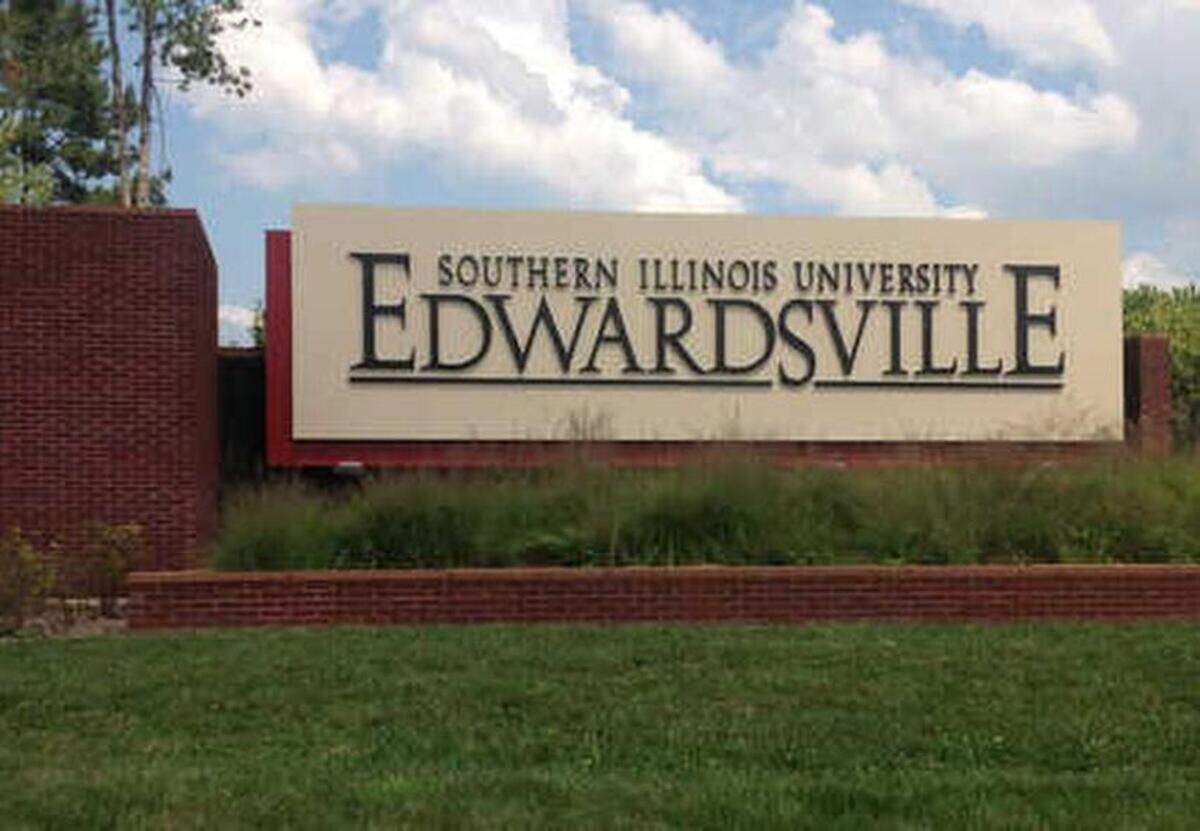
Tuition at both campuses of Southern Illinois University will increase after votes by the board of trustees Thursday, including a 5-percent tuition hike at SIUE.
Under the proposal from SIUE administrators, tuition will increase 5 percent or $420, which brings the tuition rate for incoming freshmen to $4,386 per semester or $8,772 per year. Those rates assume the student is taking 15 hours per semester in undergraduate classes or 12 hours for graduate and professional students.
Graduate tuition will increase 4 percent to $7,613 per year. Dental school tuition will increase 3 percent to $29,998 per year, while pharmacy tuition will hold at the same rate of $23,448 per year.
The trustees also approved a new tuition surcharge for business majors and minors equivalent to 15 percent of the tuition rate for majors and a one-time $525 charge for minors. Other high-cost programs such as engineering and nursing already have surcharges, which administrators say helps offset the higher cost of those programs.
For families considering SIUE, spokesman Doug McIlhagga said the financial aid levels promised in award letters for Pell grants and MAP grants will adjust to the higher rate.
“The best thing about this right now is that we generally get (new tuition rates) in May,” he said. “Coming earlier, this will help us get truly accurate numbers in front of prospective students and their families.”
In Illinois, students have a tuition guarantee by law: they pay the tuition rate set at their freshman year for four years. After four years, tuition rates would go up based on previous rate increases.
Fees, however, can and do change every year. From intercollegiate athletics to facilities to information technology, student fees at SIUE will tack on an estimated $1,360.50 per semester to the tuition rate. That would set the total cost at $5,746.50 for a 15-hour undergraduate semester at SIUE.
One of SIUE’s top selling points has historically been that it is the lowest-cost four-year university in the state of Illinois. McIlhagga said they don’t anticipate that to change.
“That should still be the case; the movement isn’t that large,” he said. “We are researching that, but we would anticipate that we will still be the lowest-cost university.”
In Edwardsville, some of the increasing fees include:
▪ Student welfare and activity fee will go up $25.45 to $145.05 per semester, a 21.3 percent increase and the biggest jump this year. This includes a new sub-fee for career development services and a campus recreation project for artificial turf at the Rec Plex.
McIlhagga said some of the services in the Student Success Center had been supported by state appropriations, and when that funding was cut, it had to be shifted somewhere else — in this case, to the student fees.
▪ Intercollegiate athletic fees will go up $5.70 to $193.65 per semester, an increase of 3 percent intended to support SIUE’s “continual evolution as an NCAA Division I institution.”
▪ Facilities fee will go up 60 cents per credit hour to $21.25 per credit hour, an increase of 2.9 percent, intended to offset construction and renovation costs.
▪ Information technology fee will increase 20 cents per credit hour to $7.75 per hour, an increase of 2.6 percent to offset campus technology costs.
▪ Textbook rental fees will decrease 70 cents per credit hour to $16.30 from $17 per hour, a 4.1 percent decrease. For a student taking 15 hours of classes, that would drop the cost from $255 to $244.50. The students receive their textbooks from the university and return them at the end of the semester, eliminating most of the need to search out and buy textbooks for classes. Electronic textbooks are contributing to the rationale for reducing the cost, McIlhagga said.
▪ Nursing program fees will go up $78 per class to $320, a 32.2 percent increase. This is the first such increase since 2010, according to the proposal.
▪ A new fee will be added: $200 per semester for pharmacy students to pay for clinical programs.
▪ Housing and meal plans will increase 3 percent across the board.
Other changes included:
▪ Changing the program in which high-achieving students from Wisconsin, Iowa, Indiana, Kentucky, Missouri, Tennessee and Arkansas paid in-state tuition rates. The in-state rate would now be available to all new and continuing undergraduate students from any state beginning in the fall of 2017, without the requirements of higher GPA and ACT scores.
Students who are the descendants or siblings of SIUE graduates also will be able to pay in-state tuition, regardless of residency. Other graduate and international students will continue to pay the out-of-state rate of 2.5 times in-state tuition.
▪ The Carbondale campus has requested a 3.9 percent increase in tuition, which would bring annual tuition to $9,450 and bring in $2.9 million in new revenue. Graduate tuition would go up 5 percent. Most SIUC fees will remain the same this year, with the exception of the student medical insurance.
The board of trustees sometimes approves a different increase than that proposed by the universities: on at least one occasion, the universities have requested as much as a 5 percent increase and the board authorized 1 percent or even frozen tuition. However, McIlhagga said this year, they accepted the proposals without changes.
Elizabeth Donald: 618-239-2507, @BNDedonald
This story was originally published February 9, 2017 at 1:17 PM with the headline "SIUE freshmen will pay 5 percent higher tuition this fall."