
Been to the Arch before? Here are 10 reasons you should go back.
The history is the same, but the telling of it has changed dramatically at the new Museum at the Gateway Arch in St. Louis.
"One thing this museum does is integrate new technology," said Samantha Fisher, director of communications for Gateway Arch Park Foundation, which assists the National Park Service. "The other museum was dated. It hadn't been updated since the '70s."
That means new touch screens for interactive displays and giant video screens with breathtaking images of the Western wilderness as 19th-century explorers and settlers saw it.
The museum, which opens July 3, also is more accommodating for people who use wheelchairs and those with other disabilities, providing audio presentations, Braille descriptions and artifacts to touch.
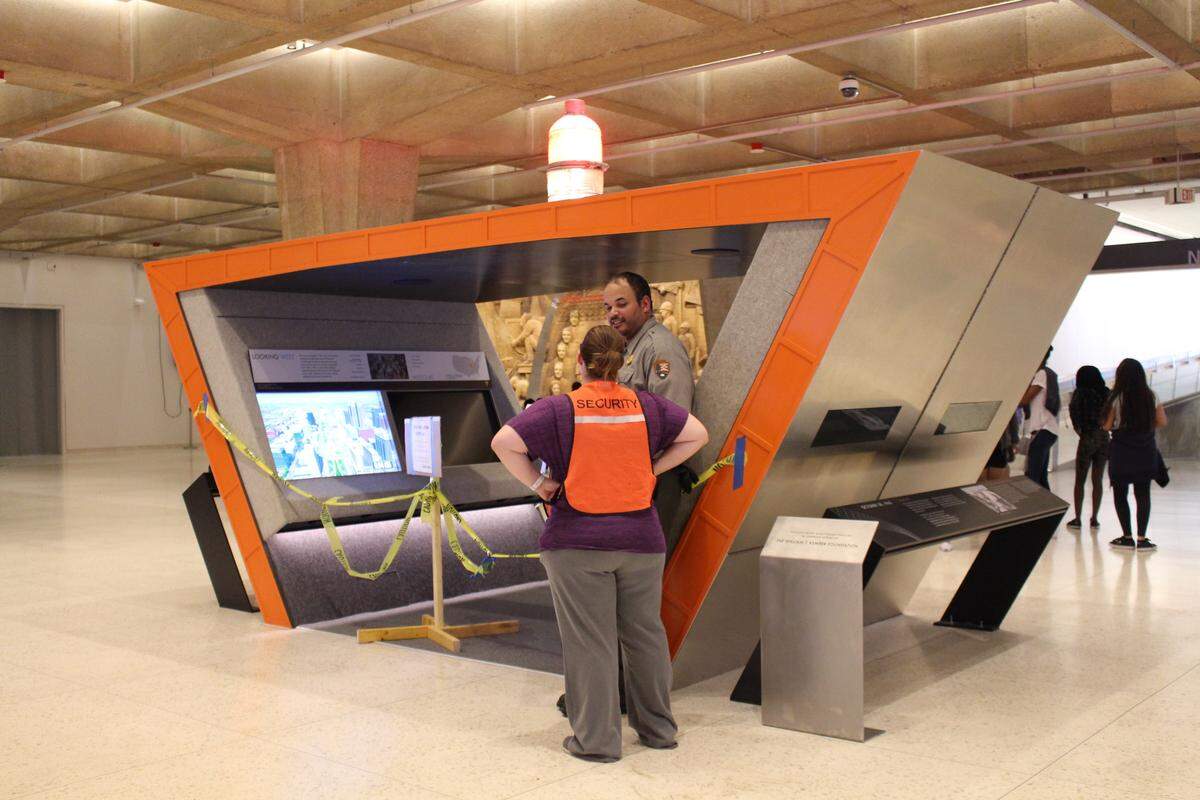
Do you have claustrophobia? There's now a replica of the Gateway Arch keystone with webcam screens, allowing you to pretend you're at the top, looking down on the city of St. Louis in real time.
"This is for people who can't make it to the top of the Arch because of physical limitations or anxiety about riding in the tram or there just aren't tickets available," Fisher said.
The new museum will open at 10 a.m. July 3. It's about the same size as the old one, but the space has been gutted and reconfigured. The gift shop is larger, and sandwiches now can be purchased at an Arch Cafe.
The entire underground complex covers 150,000 square feet, which includes a new 46,000-square-foot addition that will serve as a visitor center with a reflecting pool at the entrance, a wall of windows facing downtown St. Louis, bathrooms, event spaces and a classroom.
"The (Arch) legs will become exits only," said communications specialist Jenna Todoroff. "The entrance will be where people go through security and buy their tram tickets."
Admission to the museum and visitor center is free. Here are 10 other reasons you might want to visit:
1. You can get varied perspectives on Manifest Destiny. The old museum told the story of President Thomas Jefferson's vision and how the United States expanded westward in the 1800s, but it was mainly from the viewpoint of white men. The new museum also looks at the period through the eyes of women, Native Americans, Mexicans, African-Americans and others.
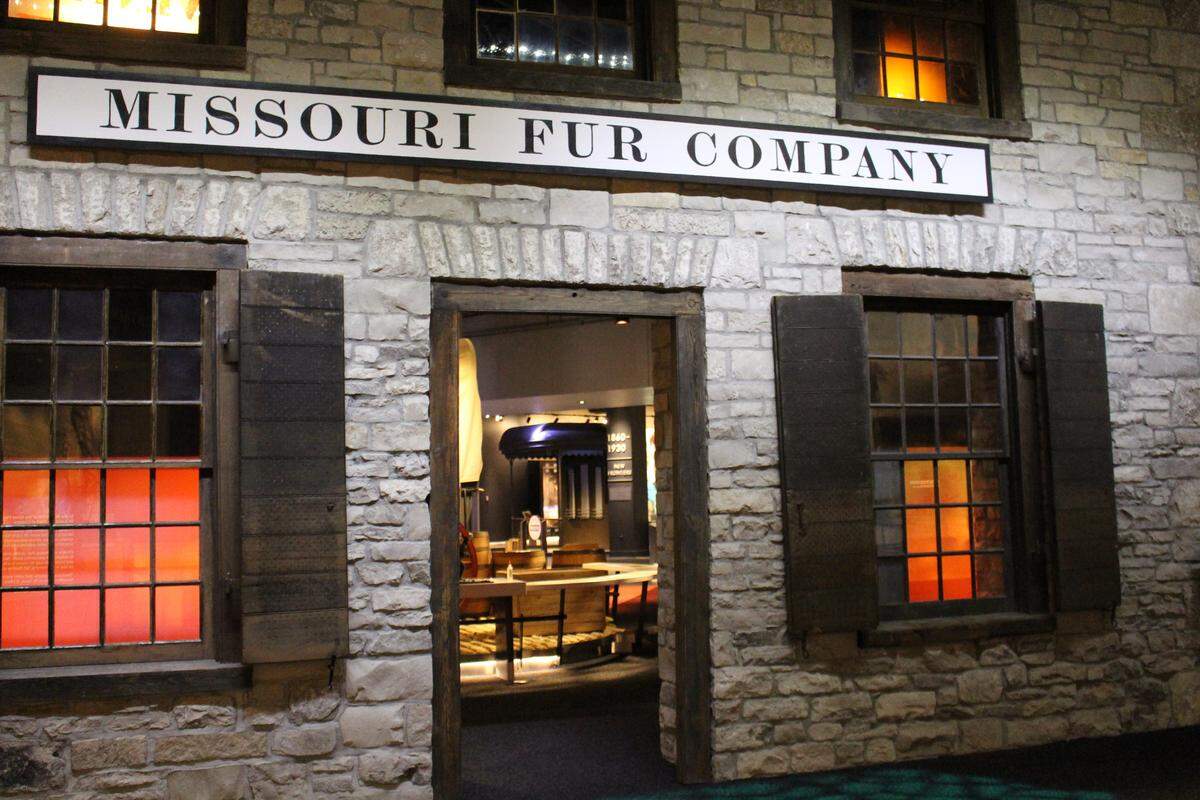
2. You can learn what happened before Lewis and Clark arrived. One of the museum's six galleries covers the Colonial era from the founding of St. Louis in 1764 to the beginning of Lewis and Clark's expedition in 1804. That slice of history wasn't part of the old museum. The gallery has a life-size model of a French-style, vertical-log house.
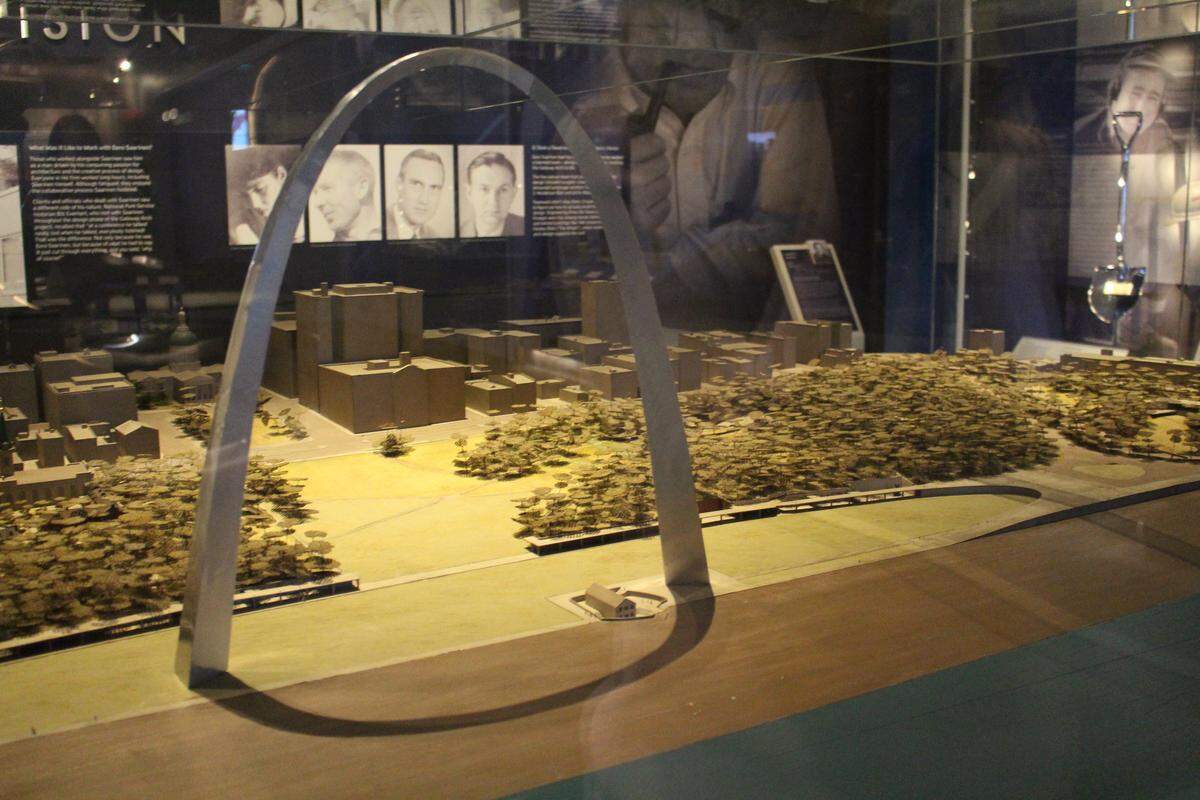
3. You can witness a modern engineering marvel. Another gallery focuses on construction of the Gateway Arch, a 630-foot-tall, stainless-steel monument completed in 1965. Displays include architect Eero Saarinen's giant model and smaller models of the other four finalists in the design contest that Saarinen won. This subject was largely overlooked in the old museum.
4. You can view artifacts on display for the first time. The most dramatic is a facade of the Old Rock House, an 1818 rubble-stone building that was disassembled and stored when the city of St. Louis demolished hundreds of structures along the Mississippi riverfront to make way for the park. It even has original window frames and shutters.
5. You can see how St. Louis recovered from a devastating fire. One of the museum's largest displays is a detailed 20-by-6-foot model of the St. Louis riverfront as it looked in 1852, after the city rebuilt from an 1849 fire that started on a steamboat and spread, destroying more than 400 buildings and dozens of boats. At least three people died, including a fireman.
6. You can meet little-known historical figures. Cameos throughout the museum introduce people like Samantha Packwood, an 8-year-old girl who rode sidesaddle on a mule for six months as her family made the journey out West. Her black leather saddle is on display, along with a covered wagon and other artifacts.
7. You can celebrate a historically accurate riverfront mural. In planning for the museum, the National Park Service found that many paintings of early St. Louis depicted it as a community of mostly white men, so it commissioned artist Michael Haynes to create a watercolor mural with African-Americans, women and others to more accurately show the city's diversity.
8. You can walk to the Arch more easily. The new museum and visitor center are part of a $380 million, five-year renovation of Gateway Arch National Park that also included redevelopment of Luther Ely Smith Square and construction of a land bridge over Interstate 44, connecting the Arch grounds to downtown St. Louis.
9. You can check out what else is different on the Arch grounds. The CityArchRiver project also demolished the Arch parking garage off Washington Avenue, replaced it with a natural amphitheater and discovery garden and elevated flood-prone Leonor K. Sullivan Boulevard along the Mississippi riverfront.
10. You can enjoy other activities on July 3 and 5. In conjunction with the museum's opening, the foundation will host live music, food trucks, a kids' scavenger hunt, yoga and other activities on July 3 and 5. For more information or a complete schedule, visit www.archpark.org/grandopening.
This story was originally published June 14, 2018 at 6:32 PM with the headline "Been to the Arch before? Here are 10 reasons you should go back.."