What COVID-19 restrictions could southwest Illinois be facing over the holidays?
It’s not a pleasant thought.
Metro-east residents are starting to consider the possibility that COVID-19 restrictions could keep them not only from eating in restaurants this winter, but also from getting haircuts and manicures, shopping at some of their favorite stores or undergoing elective surgeries.
That’s because positivity rates on coronavirus tests have continued to rise in Region 4 since Oct. 28, when Gov. J.B. Pritzker reimposed tighter restrictions, also known as Tier 1 resurgence mitigations, which stopped indoor dining at restaurants and bars.
State officials have 14 days (through Wednesday) to re-evaluate the situation under Restore Illinois plan guidelines. If they determine that Tier 2 mitigations are necessary to slow a surge in COVID-19 cases, it would mean two weeks of slightly tighter restrictions, including:
- Reduced party seating at outdoor restaurants, from 10 to six per table
- Reduced maximum size of social gatherings, from 25 to 10 people
- Limited participation in group recreational activities (lesser of 25 people or 25% of capacity)
“If it’s staying pretty stable, then those Tier 1 mitigations could remain in place,” Illinois Department of Public Health spokeswoman Melaney Arnold said Thursday. “If it appears to be getting worse and the positivity rate is increasing, then yes they could move up in the tiers.”
Tier 2 mitigations, which are listed on the Restore Illinois website, have changed since July, when resurgence guidelines were first added to the plan. They’re much less strict than before. Officials from IDPH and the governor’s office didn’t respond to multiple requests for information on when or why the changes were made.

Tier 3 is much stricter
Perhaps most concerning for some metro-east residents is the prospect that continued positivity rate increases on coronavirus tests could lead to much more restrictive Tier 3 mitigations in late November, just in time for the holiday season. This would:
- Stop elective surgeries and procedures at hospitals
Close “non-essential” retail (not including grocery stores, pharmacies, etc.)
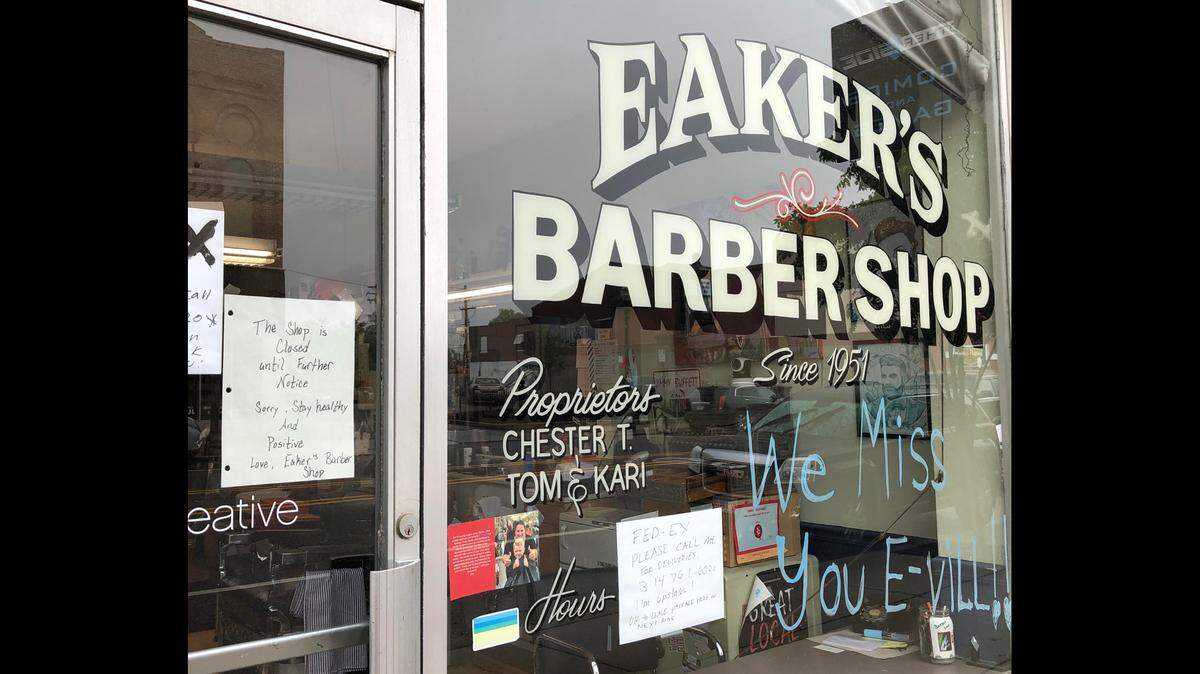
Suspend salon and personal care operations
Prohibit organized indoor and outdoor recreational activities
- Require all non-essential office employees to work remotely
If imposed, these restrictions would no doubt remind people of the state’s coronavirus “shutdown,” which started in mid-March and lasted more than two months. The Pritzker administration created the Restore Illinois plan in May to restart the economy in five phases.
Pritzker hasn’t mentioned imposing Tier 2 or Tier 3 mitigations in Region 4, but he recently imposed Tier 2 mitigations in Region 1 in northwest Illinois, Regions 7 and 8 in northeast Illinois and Region 5 in southern Illinois. All other regions are in Tier 1.
At the governor’s daily news briefing on Thursday, he even brought up the possibility of statewide mitigations to deal with the COVID-19 surge.
“If the current trajectory continues, if our hospitals continue to fill up, if more and more people continue to lose their lives to this disease, we’re going to implement further statewide mitigations, which nobody — and I mean nobody — wants,” he said.
On Monday, the United States surpassed 10 million COVID-19 cases since the pandemic hit in mid-March, according to an international database maintained by Johns Hopkins University & Medicine in Maryland.
IDPH has reported record-breaking statistics for Illinois, including 97 coronavirus-related deaths in a single day announced Thursday.
“Things are not good in the state,” Arnold said. “They’re not good in the country, and they’re not good worldwide. We’re headed in the wrong direction. We’re not in a good place right now, and people need to understand that. This can be a very serious disease. Hundreds of thousands of people have been hospitalized, and hundreds of thousands have died.”
Region’s rate on the rise
Metro East Region 4 consists of seven counties — St. Clair, Madison, Bond, Washington, Clinton, Monroe and Randolph — under the Restore Illinois plan.
Resurgence mitigations can be triggered when seven-day rolling average positivity rates on coronavirus tests hit 8% or more for three days in a row; or there are seven days of rate increases coupled with seven days of rising hospitalizations or a reduction in hospital and ICU bed capacity that could threaten surge capabilities.
Region 4’s positivity rate was 8.1% on Oct. 20, 8.2% on Oct. 21 and 8.2% on Oct. 22 with the latter being reported on Oct. 25. This met the three-day threshold, prompting Pritzker to announce Tier 1 mitigations on Oct. 26 and put them in place on Oct. 28.
Subsequent positivity rates hit 8.7% on Oct. 28, 9.1% on Oct. 29, 9.7% on Oct. 30, 10.2% on Oct. 31, 10.1% on Nov. 1, 10.7% on Nov. 2, 10.7% on Nov. 3, 11.3% on Nov. 4, 12% on Nov. 5 and 12.4% on Nov. 6, the latest figure available from IDPH.
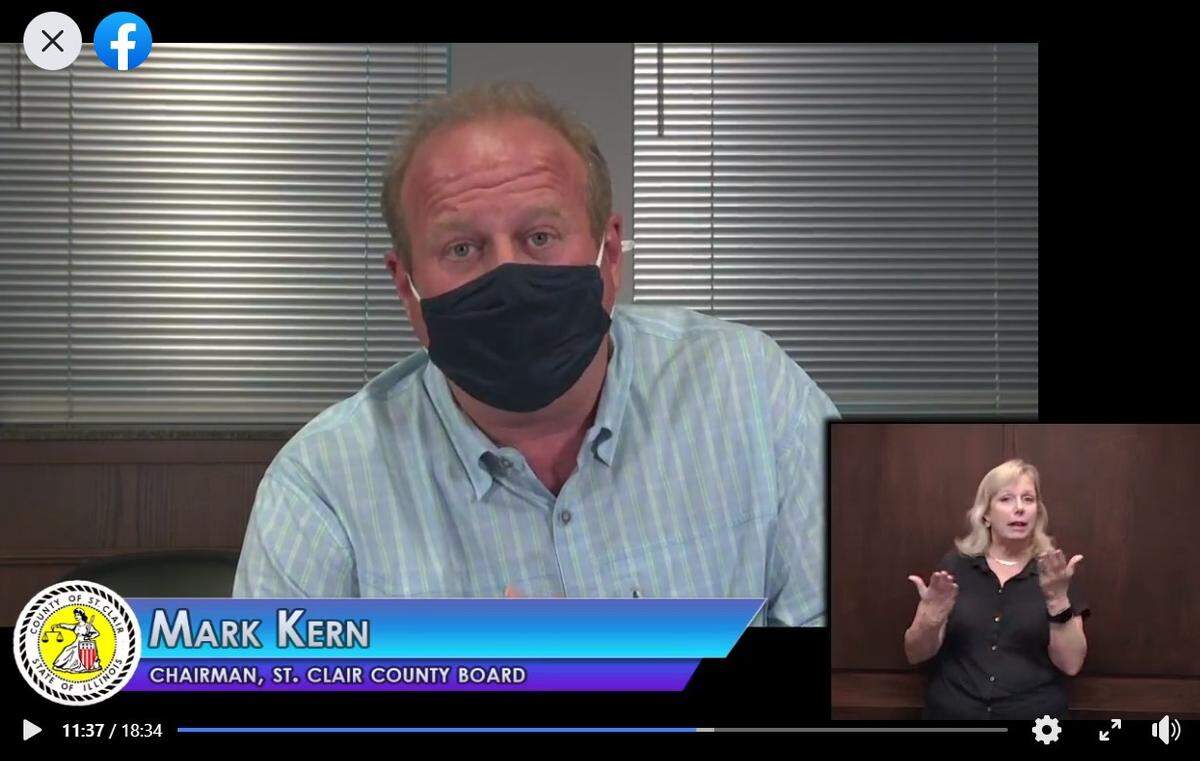
“Our rolling average has been increasing every day since late last month,” St. Clair County Board Chairman Mark Kern said Monday as part of the county’s daily Emergency Management Agency briefing on Facebook.
“So we’ve got to get this turned around, and we’re not going to do it with numbers like we have today. Wear your mask, watch your distance, certainly wash your hands, and really I think people just need to be more careful. If you don’t need to go out, you really shouldn’t be going out right now.”
Region 4’s seven-day rolling positivity rate is the average of 9.7% for St. Clair County, 13.1% for Madison, 18.1% for Bond, 15.3% for Washington, 18.5% for Clinton, 14.2% for Monroe and 11.3% for Randolph, according to IDPH.
In order to have Tier 1 mitigations lifted, the region would need three consecutive days with a positivity rate of 6.5% or lower.
Small businesses hit hardest
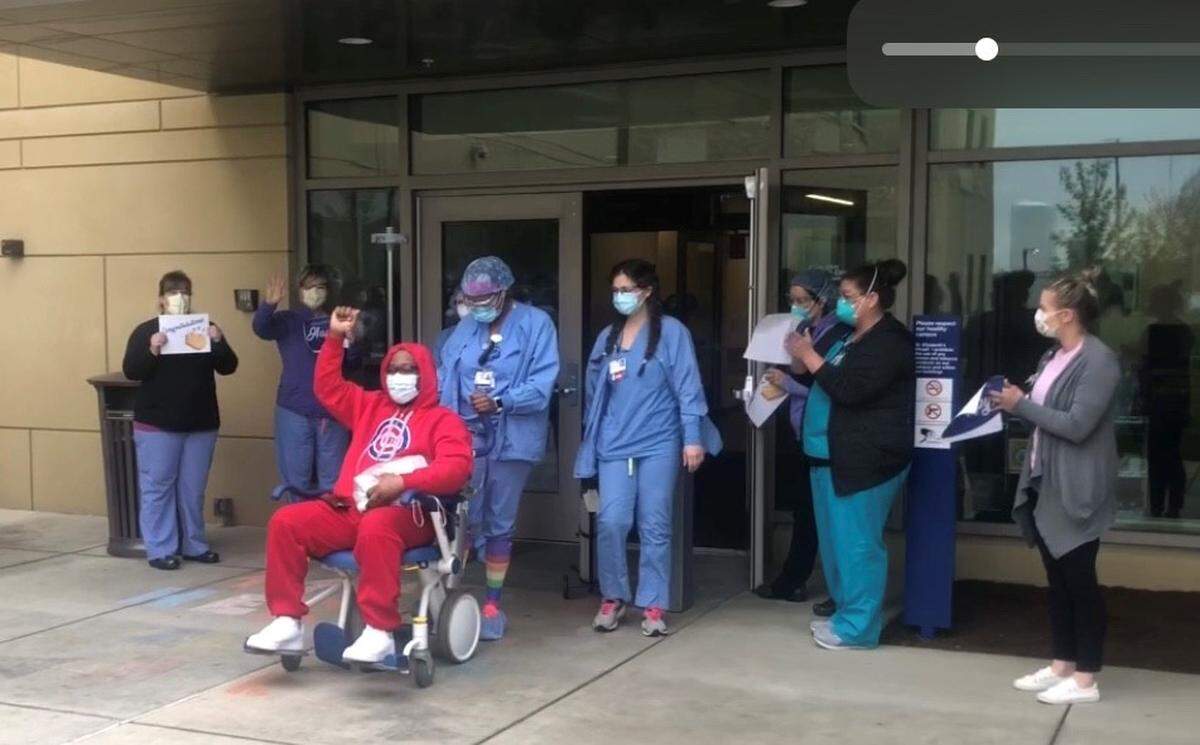
Tier 1 mitigations affect small restaurants and bars more than other businesses because they prohibit indoor dining at a time when fall temperatures can drop dramatically, discouraging customers from eating or drinking outside.
Some metro-east restaurant owners have refused to stop serving customers indoors, arguing that they’d rather pay fines than endanger their livelihoods.
The idea that the state could close retail stores again is infuriating to Roger Wigginton, a Belleville City Council member, frequent Pritzker critic and owner of Don Rodgers Ltd., an independent clothing store that’s considered non-essential under the Restore Illinois plan.
“It’s ridiculous,” he said, noting that Christmas is the most important time of the year for many retailers. “I’m totally against it.”
Last spring, Wigginton considered it unfair that corporate giants such as Walmart were allowed to sell non-essential items when he could have done a better job controlling crowds and enforcing COVID-19 safety precautions in his small store.
Wigginton, 71, said he continued to receive inventory and invited regular customers to make appointments and view new clothing lines, and he plans to follow the same playbook if Tier 3 mitigations are imposed.
“I’ve been through six recessions in 44 years,” he said. “I am not going to let this pandemic or this governor put me out of business.”
Hospitals taking note
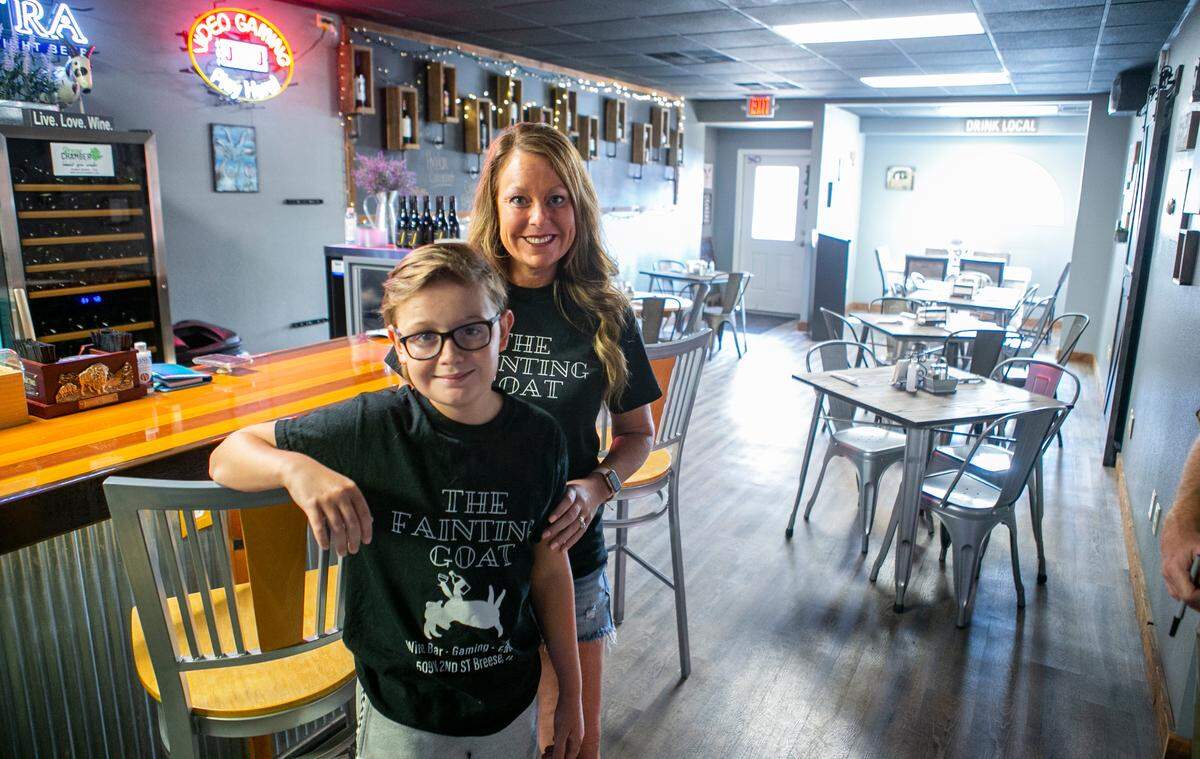
Region 4 hospitals wouldn’t be subject to tighter restrictions unless the state imposed Tier 3 mitigations under Restore Illinois guidelines. But on Tuesday, BJC Healthcare announced it would reschedule some elective surgeries at Memorial Hospital Belleville and Barnes-Jewish Hospital, Christian Hospital and Missouri Baptist Medical Center in St. Louis.
Laura High, BJC media relations manager emailed the following statement:
“To prepare for an expected surge in hospitalizations related to increasing community spread of COVID-19, BJC HealthCare is taking steps to manage bed capacity and support the well-being of our caregivers.
“Beginning Monday, November 9, several BJC hospitals will reschedule certain elective surgical procedures that require an inpatient or overnight bed, and that can be postponed safely. ... These measures will be in place through at least November 20, at which time we’ll review our current staffing and patient volumes, and assess ongoing needs.”
St. Elizabeth’s Hospital in O’Fallon hasn’t yet changed its policy on elective surgeries, according to a statement from Patti Fischer, president and CEO.
“After the state lifted its mandate, HSHS St. Elizabeth Hospital was able to restart electives in May and reschedule many of the procedures that were postponed early in the pandemic for our patients,” it read. “We are near pre-COVID levels in all service lines and continue to encourage our local residents to not delay their care.
“We do not want to get back to the point where the state halts elective surgeries. While they are elective, delaying needed care is never recommended. We continue to evaluate resources and the ongoing COVID numbers in the region, as is IDPH, and will manage the situation to the best of our ability.”
Mitigations at a glance
Below is a list of current Tier 1 mitigations in Region 4, as well as mitigations that could be imposed if Illinois officials determine that it’s necessary to move up to Tier 2 or Tier 3 to stop the surge in COVID-19 cases.
BARS
Current mitigations with Tier 1:
- Bars must close at 11 p.m. and can’t reopen until 6 a.m. the following day
- No indoor service
- All bar patrons should be seated at tables outside
No ordering, seating, or congregating at bar (bar stools should be removed)
Tables should be 6 feet apart
No standing or congregating indoors or outdoors while waiting for a table or exiting
No dancing or standing indoors
Reservations required for each party
No seating of multiple parties at one table
New mitigations with Tier 2:
- No tables exceeding six people
New mitigations with Tier 3:
- No change
RESTAURANTS
Current mitigations with Tier 1:
- All restaurants must close at 11 p.m. and can’t reopen until 6 a.m. the following day
No indoor dining or bar service
Tables should be 6 feet apart
No standing or congregating indoors or outdoors while waiting for a table or exiting
Reservations required for each party
No seating of multiple parties at one table
New mitigations with Tier 2:
- No tables exceeding six people
New mitigations with Tier 3:
- No change
MEETINGS, SOCIAL EVENTS AND GATHERINGS
Current mitigations with Tier 1:
- Limit to lesser of 25 guests or 25% of overall room capacity
- Reception halls are limited to lesser of 25 guests or 25% of overall room capacity both indoors and outdoors
No party buses
Gaming and casinos must close at 11 p.m. and follow mitigations for bars and restaurants, if applicable; also limited to 25% capacity
New mitigations with Tier 2:
- Limit of 10 people in both indoor and outdoor settings, applicable to professional, cultural and group gatherings but not to students doing in-person classroom learning, sports or polling places; doesn’t reduce overall facility capacity for offices, retail stores and other general businesses
New mitigations with Tier 3:
- Strictest limit to gatherings and room capacity
ORGANIZED GROUP RECREATIONAL ACTIVITIES
Current mitigations with Tier 1:
- No change
New mitigations with Tier 2:
- Limit of 25 guests or 25% of overall room capacity both indoors and outdoors
- Groups limited to 10 or fewer people
New mitigations with Tier 3:
Suspend organized indoor and outdoor recreational activities
RETAIL
Current mitigations with Tier 1:
- No change
New mitigations with Tier 2:
- No change
New mitigations with Tier 3:
- Suspend all non-essential retail; only essential retail open (i.e. grocery stores, pharmacies)
SALONS AND PERSONAL CARE
Current mitigations with Tier 1:
- No change
New mitigations with Tier 2:
- No change
New mitigations with Tier 3:
- Suspend salon and personal care operations
HOSPITALS
Current mitigations with Tier 1:
- No change
New mitigations with Tier 2:
- No change
New mitigations with Tier 3:
- Suspend elective surgeries and procedures
- Implement surge capacity
- Assess need to open Alternate Care Facility
OFFICES
Current mitigations with Tier 1:
- Continued emphasis on telework for as many workers as possible
New mitigations with Tier 2:
- Promote work from home when possible
New mitigations with Tier 3:
- Institute remote work for all non-essential workers
This story was originally published November 10, 2020 at 5:00 AM.