
Former Belleville bishop describes first papal conclave, election of Pope Leo XIV
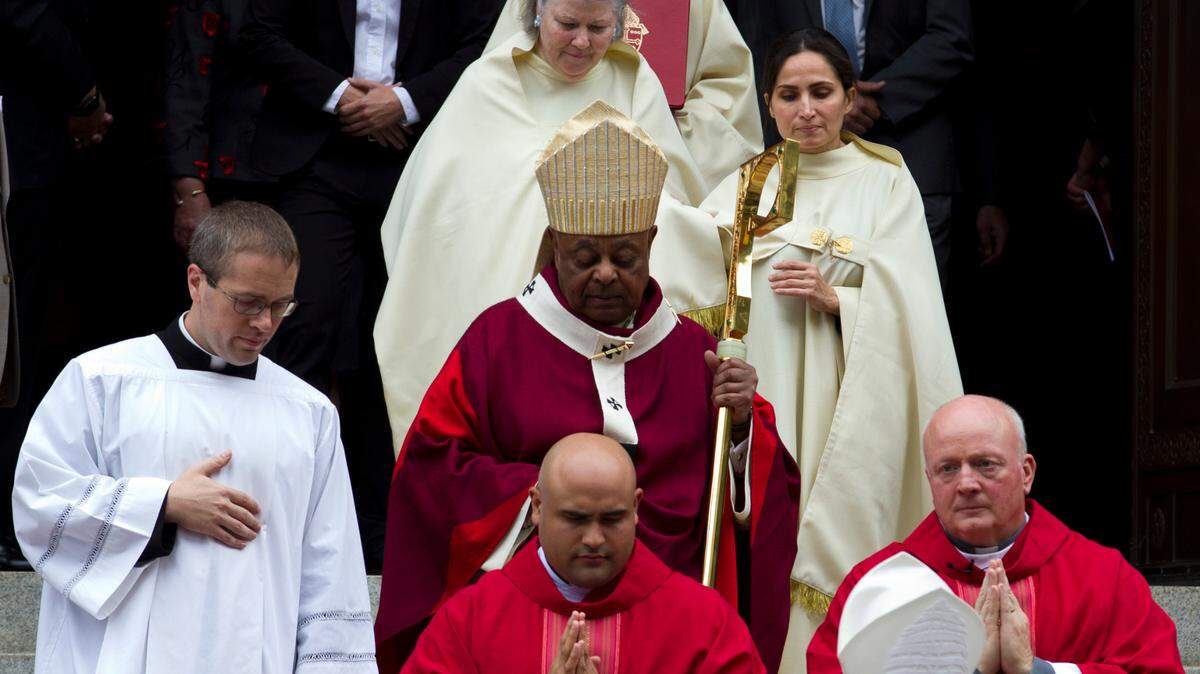
Among the 133 cardinals to assemble in the Vatican’s Sistine Chapel to elect a new leader of the Roman Catholic Church were 10 Americans and one former bishop of the Diocese of Belleville in southern Illinois.
Cardinal Wilton Gregory, 77, became the first African-American cardinal when he was elevated to the rank in October 2020 by Pope Francis, the popular pontiff who died last month at age 88. Cardinals younger than age 80 make up the body of electors.
It’s not known whose name Gregory wrote down on any of the secret ballots cast during the two-day conclave that sent black smoke through the chimney at least twice before white smoke signaled the election of a fellow Chicago native, the Most Rev. Robert Prevost, as Pope Leo XIV on Thursday.
It was Gregory’s first conclave and, in a televised discussion with Chicago media Friday, he called the experience “one of the most prayerful moments of my life.”
“I could not be more grateful that it happened in the Holy Year of Hope,” he said. “We are pilgrims of home, something that Pope Francis had initiated. I felt comfortable saying to Pope Leo — from one South Sider of Chicago to another — ‘I promise you my respect, my fidelity and my love.’”
Gregory said he believes the Cardinal electors made the right choice in Pope Leo XIV.
“It was just an amazing opportunity to see such a diverse assembly of humanity, obviously coming from many different perspectives, facing many different challenges, but coming together for a common purpose — to find Peter’s successor.
“And I think we did well.”
Gregory served as the seventh bishop of the Catholic Diocese of Belleville from 1993 to 2004. During his tenure locally, he was elected president of the U.S. Conference of Catholic Bishops as the crisis of sex abuse by Catholic clergy was escalating. In 2002, he pushed the conference to pass the Dallas Charter, which instituted a zero-tolerance policy for sexual abuse of minors.
Before announcing his retirement from full-time ministry earlier this year, he was appointed archbishop of Atlanta and eventually archbishop of Washington, D.C., where he was pastor for former President Joe Biden, a Catholic. He continues to serve in the capital as archbishop emeritus.
Gregory was a supporter of Pope Francis, who has been seen as modernizing the papacy with more liberal views among Catholics. Gregory backed Francis on an environmental encyclical, in which he declared climate as a man-made crisis and called on world citizens to “live more sustainably.” While in Atlanta, Gregory followed Francis in supporting L.G.B.T.Q. members of the church.
Both views were viewed as divisive among more conservative Catholics and, according to multiple Catholic media outlets.
But Pope Francis appointed a large majority of the conclave’s electors as Cardinal, including Gregory in 2020 and Prevost in 2023.
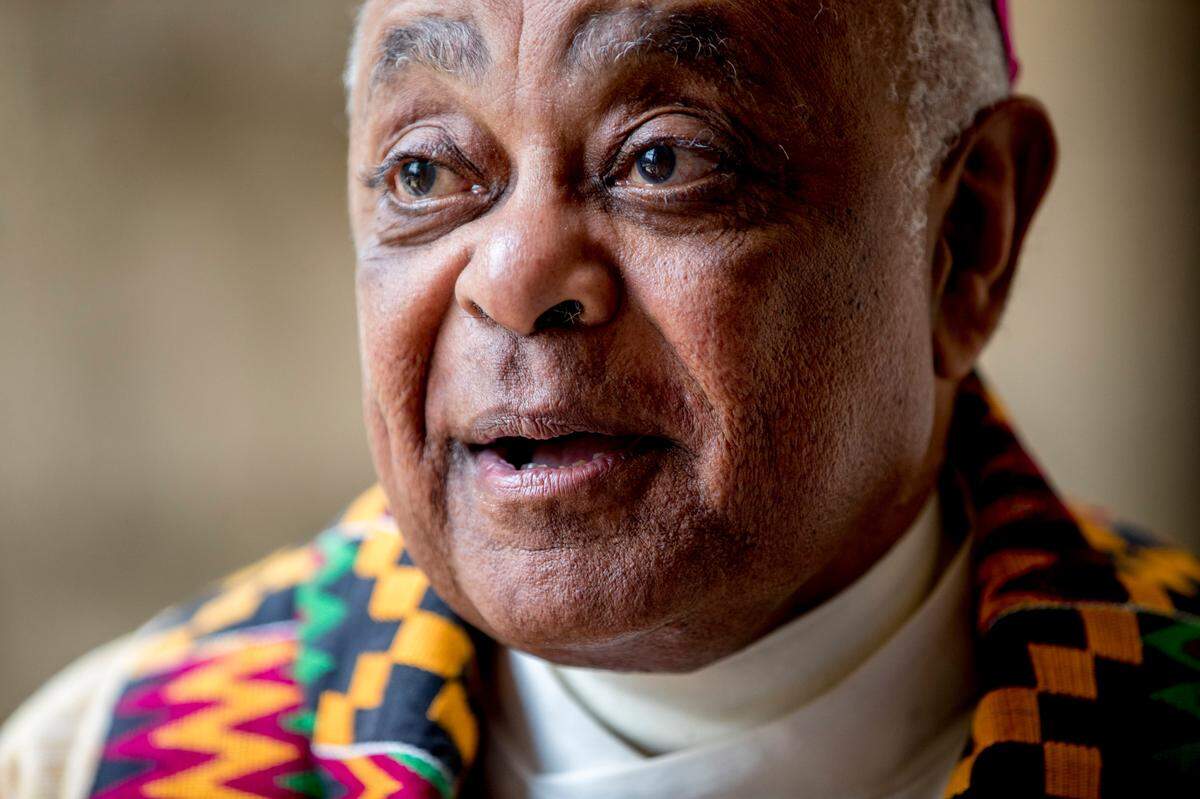
Cardinal Raymond Burke, 76, the former archbishop of St. Louis, also was among the electors at the conclave. He is known as a traditionalist, a scholar of canon law, and a conservative foil to Pope Francis’s more liberal views for the church. Burke was removed from leadership positions by the pope.
The conclave, the first in 12 years, began with Mass at St. Peter’s Basilica Wednesday morning, followed by a short procession to the Sistine Chapel.
They didn’t leave the Vatican until at least a two-thirds majority agreed on Pope Leo XIV. Phones, internet, television and any contact outside the Vatican walls were prohibited, a custom enforced to discourage the process from dragging on.
Here are other known parts of the process, as outlined by the New York Times through its wire service and from the Vatican News Service:
Timing: Generally, a conclave must begin 15 to 20 days after a pope’s death. This one began 16 days after Francis died. The date was chosen in part to allow enough time for preparations, said Matteo Bruni, the Vatican’s spokesperson.
Preparation: These included closing the Sistine Chapel to tourists and making special arrangements, such as installing the stoves in which the cardinals’ ballots are incinerated after voting.
Secret ballots: The cardinals vote by hand, writing in the name of the man -- and it must be a baptized Roman Catholic man -- they wanted to be pope. The first vote took place Wednesday afternoon. They voted twice more Thursday morning and once more in the afternoon before signaling the election of a new pontiff.
Smoke: Each morning and afternoon, ballots were incinerated, sending a plume of smoke into the sky above the Sistine Chapel. Chemicals were added to turn the smoke from the burned ballots black Wednesday afternoon and Thursday morning. Onlookers were gathered in St. Peter’s Square at the Vatican and cheered when the white smoke heralded an agreement among voters.
The announcement: Minutes later, Cardinal Protodeacon Dominique Mamberti stepped onto a balcony of St. Peter’s Basilica and proclaimed into a microphone, “Habemus papam,” a Latin phrase meaning, “We have a pope.” He then announced the new pope, and the name he had chosen to go by as pontiff.
Leo XIV then emerged, dressed in a white cassock, and delivered his first blessing as pontiff to the crowd gathered below.
This story was originally published May 9, 2025 at 11:37 AM.