Illinois reports increase in cases of disease that causes ‘explosive’ diarrhea
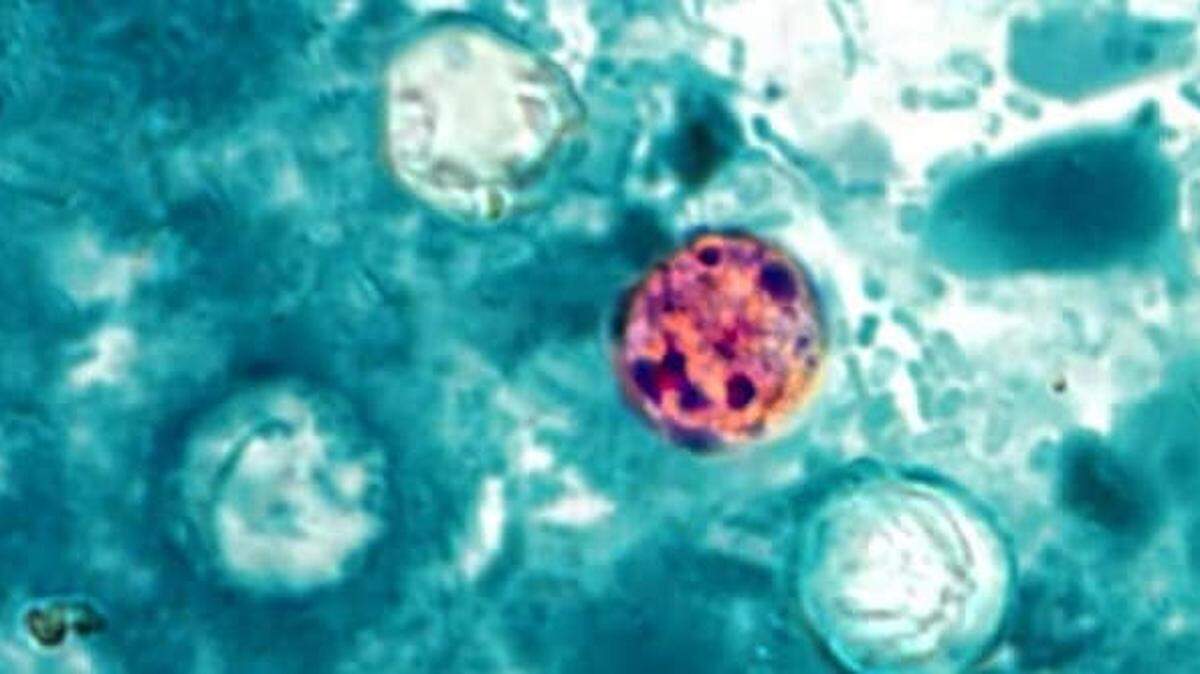
Illinois is one of at least 17 states reporting recent cases of cyclosporiasis, a disease that causes symptoms such as watery diarrhea, nausea, fatigue, cramping and more.
Across the nation, the U.S. Centers for Disease Control and Prevention has received reports of 145 cyclosporiasis cases acquired within the U.S. from May 1 through June 16.
Illinois has seen “higher-than-average” case numbers so far this year, consistent with what’s being seen in several other states, Illinois Department of Public Health officials said in an emailed statement.
“At this point, no single source or cause of this increase has been identified, and there is no evidence of a large outbreak accounting for all or most of these cases,” the IDPH statement said. “IDPH continues to work with the CDC and other public health partners to look for trends.”
As of July 9, Illinois health officials report 161 confirmed and probable cyclosporiasis cases statewide in 2026, including 74 domestically acquired cases, 73 resulting from reported international travel and 14 with an unknown travel status.
What is cyclosporiasis?
Cyclosporiasis is an infectious disease caused by the parasite Cyclospora, the Illinois Department of Public Health reports. It spreads from ingesting food or water that is contaminated by infected stool, but is not directly transmitted person-to-person.
The parasite is most often found in fresh produce such as raspberries, basil, cilantro, mesclun lettuce and snow peas, according to the state health department. Cyclosporiasis is seen more often in the summer months.
Common cyclosporiasis symptoms include “explosive” diarrhea, loss of appetite, bloating, fatigue, low-grade fever, cramps, nausea and vomiting, according to the Cleveland Clinic.
How can you prevent cyclosporiasis in Illinois?
IDPH officials recommend following best practices for food safety and hand hygiene to mitigate the risk of cyclosporiasis, including:
- Wash your hands with soap and water after using the bathroom or changing a diaper, as well as before and after handling, preparing or eating fresh produce.
- Wash produce thoroughly under clean running water and use a produce brush to scrub firm produce, such as melons, before eating, cutting or cooking.
- Refrigerate cut, peeled or cooked fruits and vegetables as soon as possible or within two hours. Store produce items away from raw meat or seafood.
- Remove damaged or bruised areas on fresh produce and peel them, if possible, before preparing, cooking or eating them.
Do you have a question about public health or healthcare in Illinois for the News-Democrat? We’d like to hear from you. Fill out our Metro-east Matters form below.
This story was originally published July 9, 2026 at 10:19 AM.