Turn around, don’t drown. Safety tips on how to drive around flooded roads in southwest IL
READ MORE
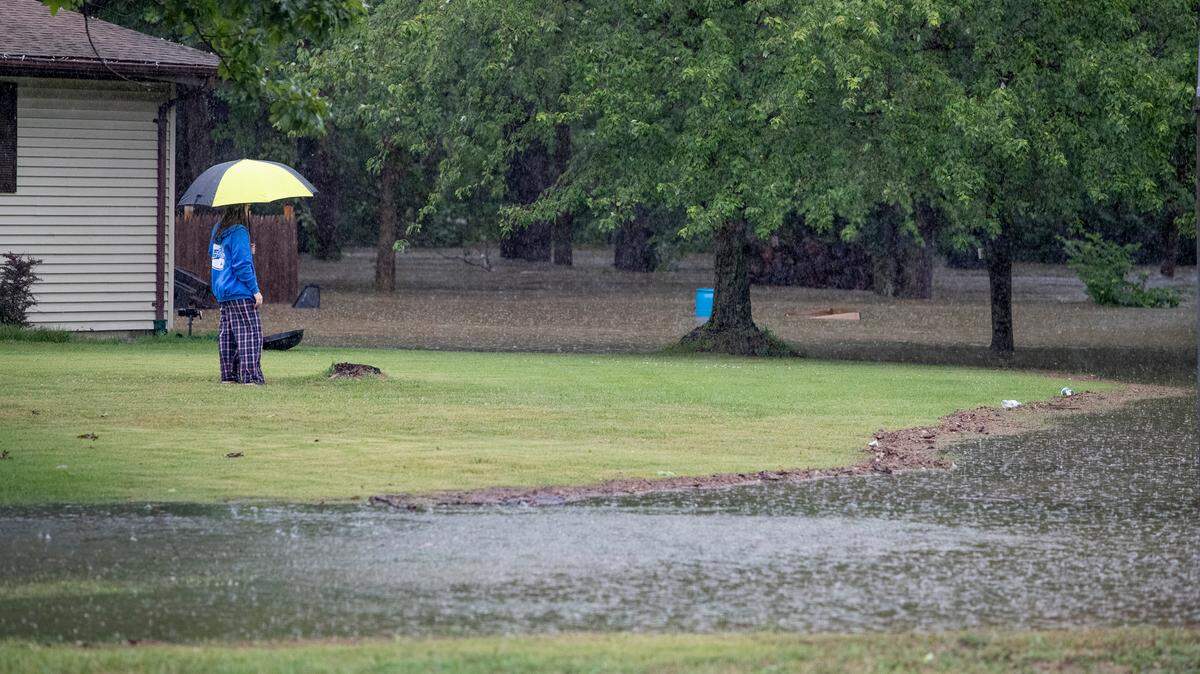
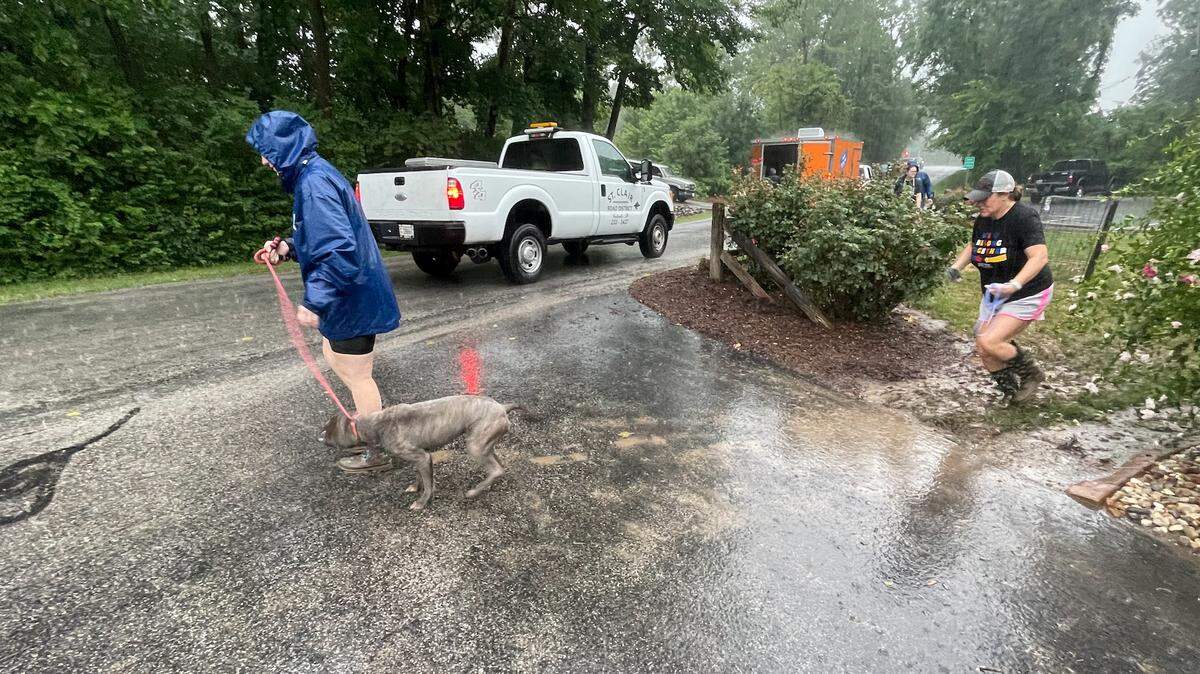
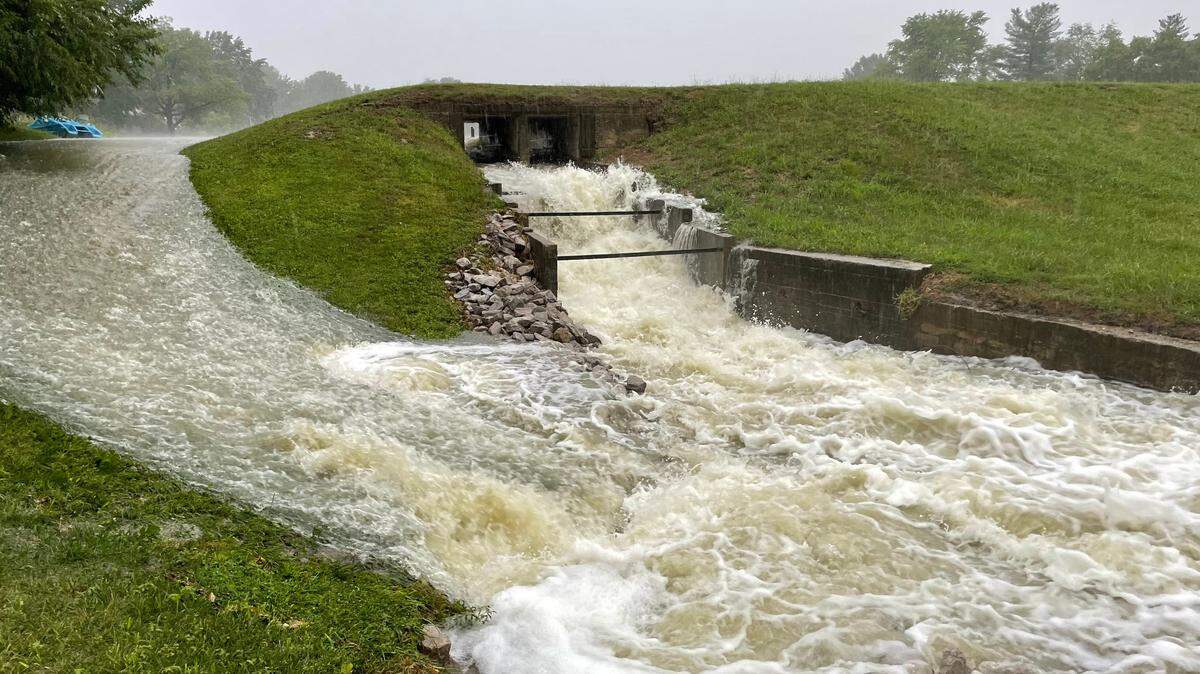
Flash flooding across southwest IL
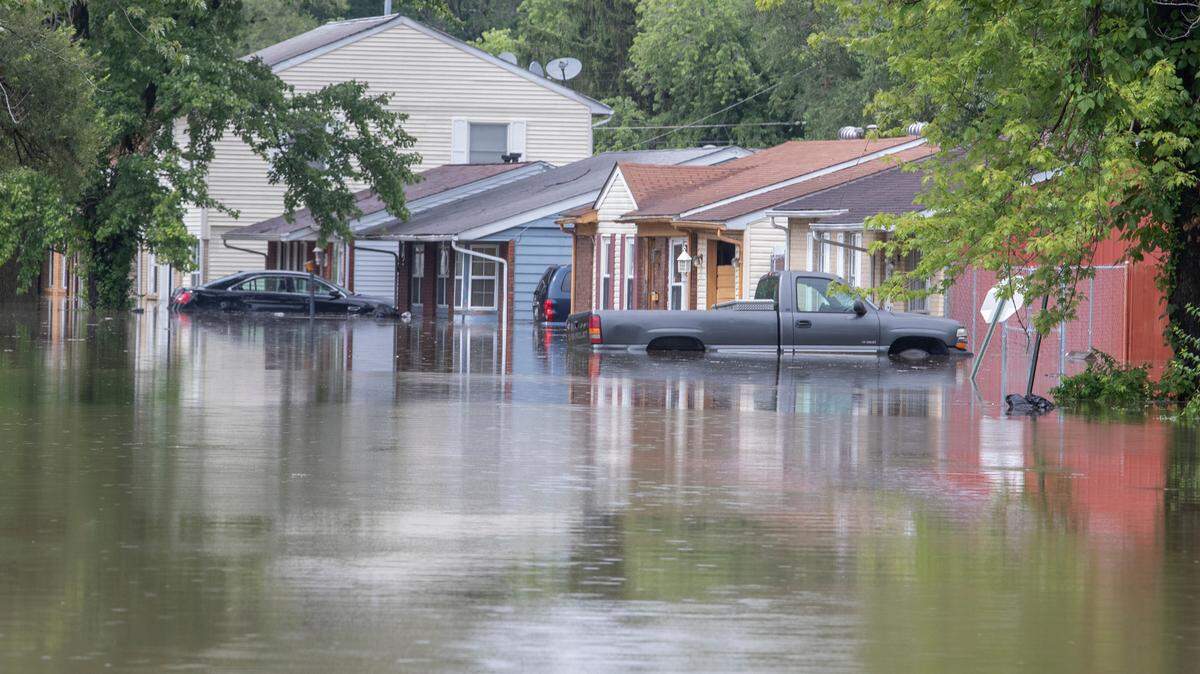
Over 12 inches of rain fell overnight on July 26 in some areas of the St. Louis and southwest Illinois regions, with the National Weather Service in St. Louis reporting “life-threatening flash flooding” in some communities.
Expand All
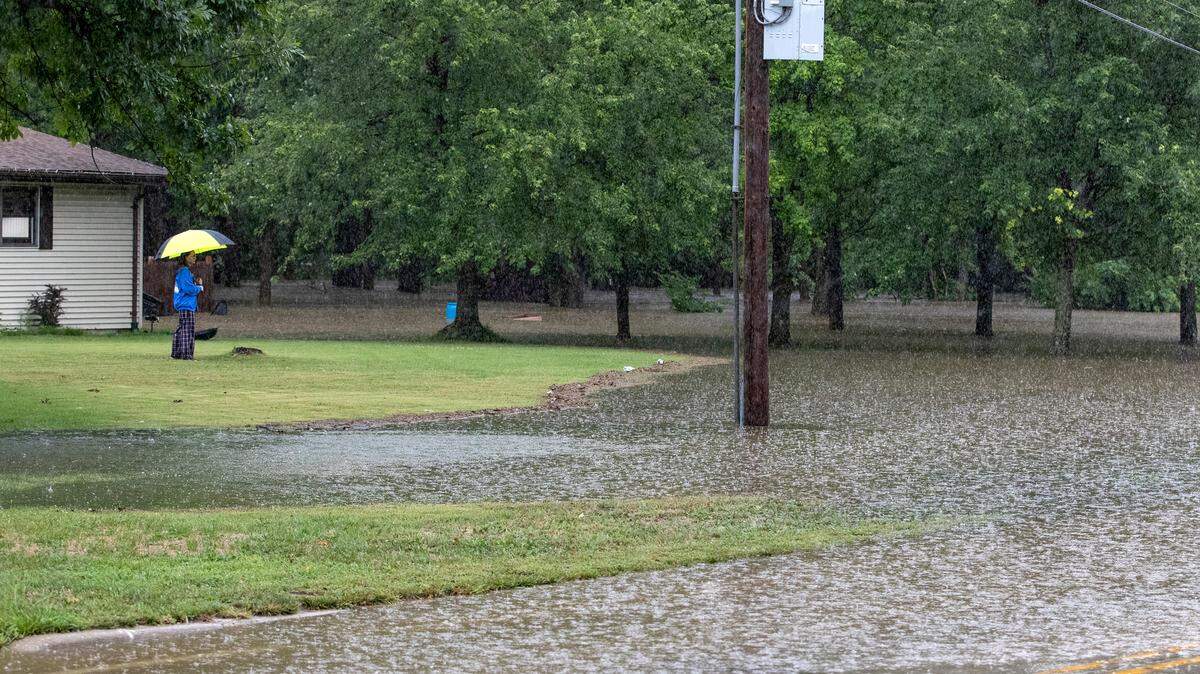
Belleville and several other metro east areas saw more than 6 inches of rain from Monday night to Tuesday morning, according to National Weather Service St. Louis.
Many southwest Illinois and St. Louis-area localities experienced flooding due to the rainfall.
“This is an extremely dangerous and life-threatening situation. Do not attempt to travel unless you are fleeing an area subject to flooding or under an evacuation order,” an emergency alert from the National Weather Service for the greater St. Louis area, sent around 3:30 a.m. Tuesday, read.
The Belleville area received more than 6 inches of rain through Tuesday around 7 a.m., NWS St. Louis estimates indicate.
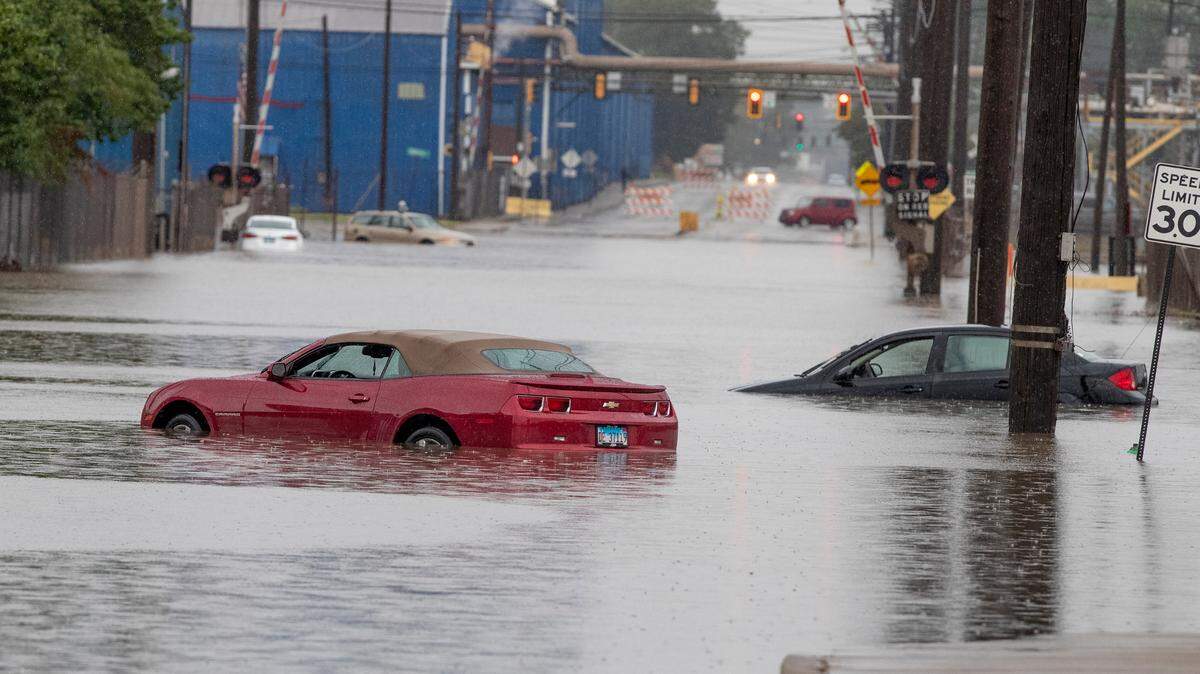
Rainfall of 6 inches or more reaches the bottom of most passenger cars and can cause loss of control and stalling, according to the NWS.
The News-Democrat spoke with Mark Fuchs, senior service hydrologist at the NWS St. Louis, about how people can maximize safety while driving in flooded areas.
Here’s what to know.
Driving in heavy rain and flooding
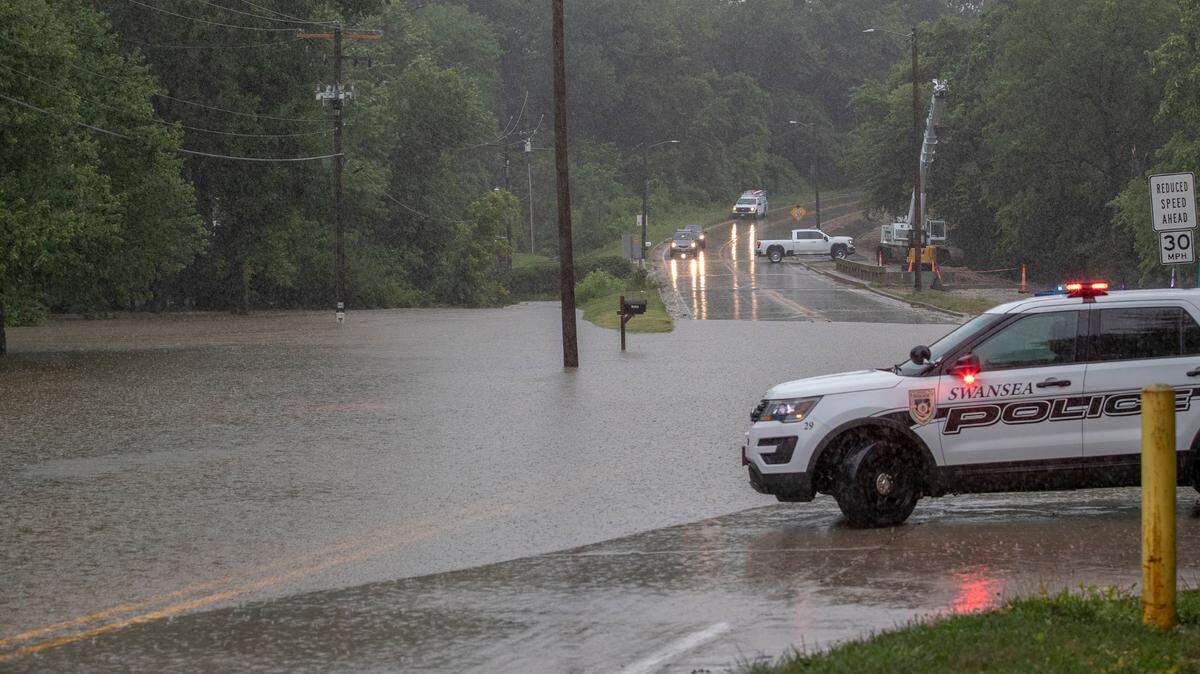
Motorists should never drive through flooded roadways, NWS guidelines say.
“If you see water on a roadway, covering a roadway, you don’t know how deep the water is,” Fuchs said. “We highly advise you to turn around, don’t drown. Because that water might be just a few inches deep, no problem, or it might be several feet deep, the bridge might be washed out.”
Even drivers with large pickup trucks are not exempt from flooding concerns.
“Truck size doesn’t matter, a lot of times. Especially if there’s no pavement there to drive on and you think there is,” Fuchs said.
Roads are closed for a reason, Fuchs said, and it’s important to heed traffic warnings.
“If there’s barricades out there, absolutely pay attention to them,” Fuchs said.
Drivers should be particularly careful driving through areas that have seen heavy rain at night, Fuchs said. Reduced visibility can cause a motorist to unknowingly enter a flooded area.
NWS safety tips also say to seek higher ground when possible, and to not camp or park your vehicle near creeks or streams.
What to do if your car is stuck in floodwater
If floodwaters surround your car, you should leave the vehicle and move to higher ground if you can do so safely, NWS guidelines say. You and your vehicle can be quickly swept away, particularly in higher waters.
You should not leave your car to enter moving water, according to The Ready Campaign, which focuses on public service around natural and man-made disasters.
Auto site cars.com provides this list of tips for when you’re trapped in your car in quickly rising water.
Do:
- Stay calm.
- Turn on your headlights and hazard lights.
- Unbuckle your seatbelt.
- Unlock your doors.
- Take any jackets or outer clothing off.
- Lower your window slowly. Most electric windows will work unless your car is completely submerged.
- If you can lower your windows, climb out, get to higher ground and call 911.
If the windows will not open, you’ll have to use a door to get out. But you won’t be able to open a door until the water pressure is equalized between the outside and the inside of your car. This means you’ll have to wait for water to enter the car and fill up to about your neck level.
Once the doors are open, swim to safety and call 911.
Cars.com also offers several tips on what to avoid doing when you’re trapped in your car in floodwaters:
- Don’t panic.
- Don’t use your energy trying to open the doors, because water pressure will keep them from budging (wait for the pressure to equalize).
- Don’t try to save any possessions.
- Don’t try to break windows to get out. If water pressure has not equalized, glass will explode inward toward you or other occupants.
- Once out, do not stay with your car. Get to high ground.
- Do not stand on the roof of your car. If your car is swept away, you’ll be carried away with it. You could also fall and injure yourself if the car shifts abruptly.
- Do not return to your car if you think the water level is going down. Water levels could rise without warning. Allow emergency personnel to tow your vehicle to a safe place.
More information about flood safety, including what to do if floodwater enters your home, is available online from the NWS.
This story was originally published July 26, 2022 at 12:47 PM.