Why has Illinois had so many tornadoes this year? We asked a weather expert
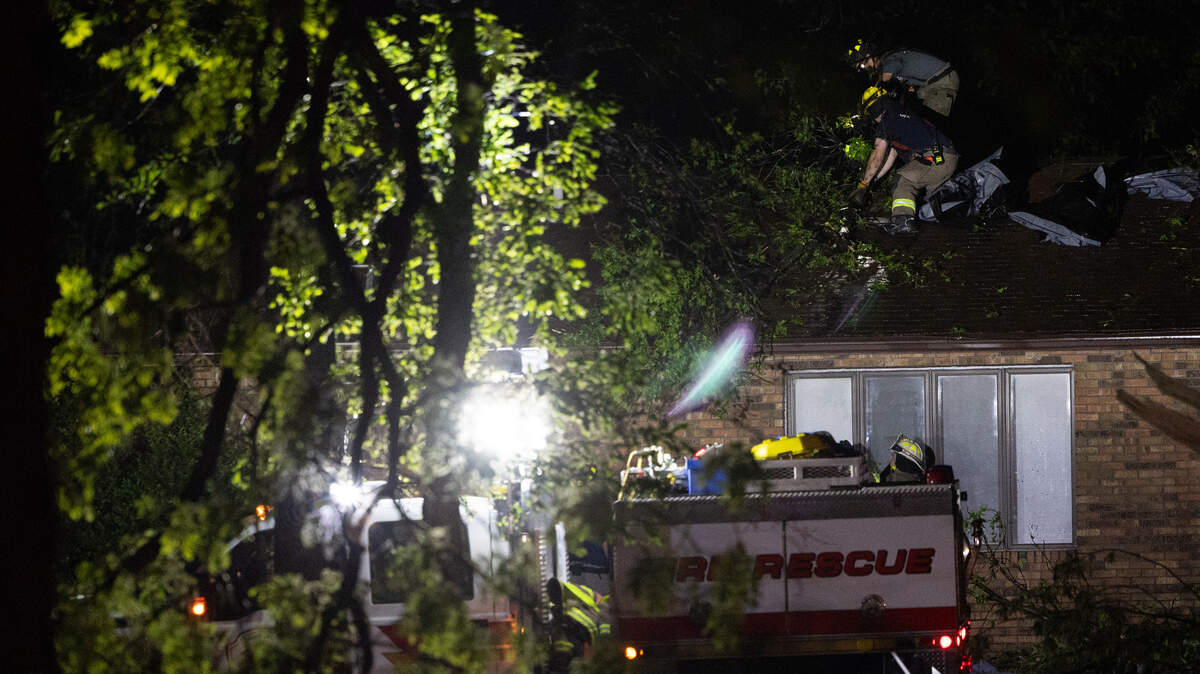
The state of Illinois has seen 178 tornadoes reported so far in 2026, more than three times the number seen in an average year, and several contributing factors are to blame.
Illinois saw an average of 54 tornadoes per year from 1991 to 2020, according to National Weather Service data.
Tornadoes have caused at least two deaths in the state this year, both in Jefferson County, along with several injuries. Illinois reported 126 tornadoes in 2025, with 11 injuries and no fatalities, Marshall Pfahler, meteorologist with the NWS St. Louis office, told the News-Democrat.
The NWS reported three tornadoes in the Springfield area in mid-June, destroying an animal shelter and damaging the Abraham Lincoln Capital Airport. Swaths of north St. Louis are still recovering from May 2025’s deadly EF3 tornado.
April, May and June are the most common months for tornadoes to develop in Illinois, although they can and do occur at other times as well, according to the Illinois State Climatologist.
What’s caused so many tornadoes to develop in Illinois?
Multiple factors play a role in tornado development, but one culprit Illinois has seen this summer has been instability.
“We have had a lot of times where there has been a lot of seasonably high instability, especially over the month of June,” Pfahler said.
Another contributing element has been stronger-than-normal wind shear, Pfahler said. Wind shear refers to the change in wind from the ground to higher up in the atmosphere, allowing for the production of stronger thunderstorms, and sometimes tornadoes.
“So those ingredients have overlapped a little bit more often than we typically see for this time of year,” Pfahler said.
Most of the tornadoes reported so far in Illinois this year have not been particularly strong – out of 178, 41 were EF0s, 95 were EF1s, nine were rated EF2 and five were EF3s, Pfahler said. At least 26 were EFUs, or tornadoes in which the EF rating is unknown.
An EFU rating means there is evidence of a tornado, but did not hit anything meteorologists can use to rate damage. One common scenario is when a tornado is captured in photos or video, but takes place in the middle of a field.
There’s been an increase in the total number of tornadoes reported over the last 30 years, Pfahler said, but the spike in reporting isn’t solely attributed to an increase in actual tornado incidence.
“We also are aware of more tornadoes than we used to be,” Pfahler said.
The counts of EF0, EF1 and EFU tornadoes have “really increased” over the last 30 years, Pfahler added, as reporting has become more common and radar technology has improved.
Is Illinois now part of ‘tornado alley?’
Tornado alley is a popular nickname referring to an area in the southern plains of the central U.S., according to the National Centers for Environmental Information, but that doesn’t mean Illinois necessarily sees fewer tornadoes than other states. It’s important to note there aren’t official boundaries of “tornado alley.”
“It’s kind of a common misconception that ‘Tornado Alley’ is kind of further to our west, and we don’t get as many tornadoes across this part of the country, but that’s simply not true, as we’ve seen this year,” Pfahler said.
There’s lots of variability in tornado activity year-to-year.
“There are a lot of background weather patterns that do determine where a lot of the tornadoes can happen within a year, as well as just how many from an absolute sense happen from year-to-year,” Pfahler said.
Illinois is part of the country that commonly sees tornadoes, Pfahler added.
While Illinois has recently reported an increase in tornadoes, there’s been a decrease in federal disaster aid, Capitol News Illinois reported.
Do you have a question about the weather or the environment in Illinois for the News-Democrat? We’d like to hear from you. Fill out our Metro-east Matters form below.