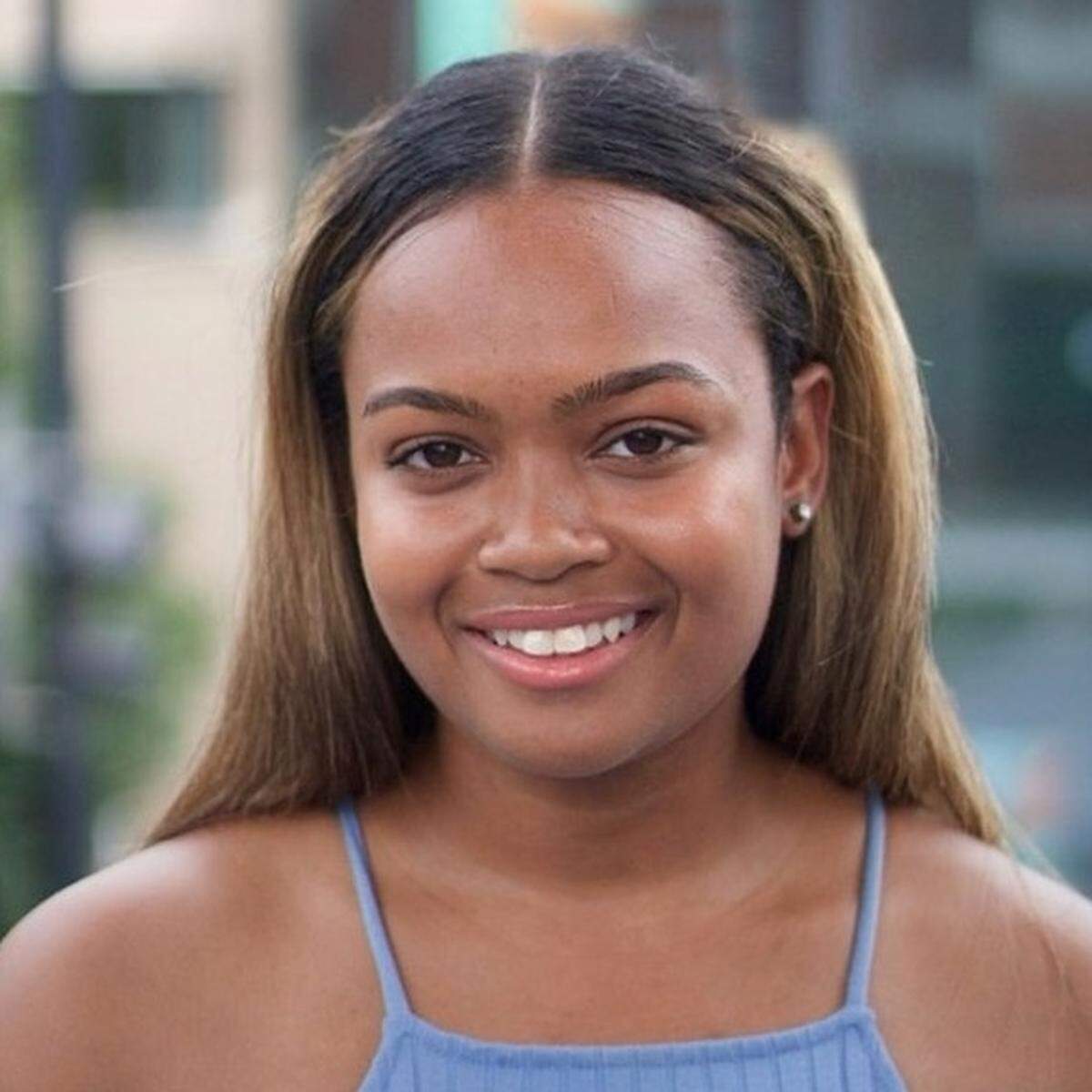
Mother Baltimore: Protect Black women

So…..it’s Women’s History Month. And I’m typing this as a Black woman who’s constantly overwhelmed and stressed in both personal and professional aspects of my life. I dream of the day when I can respond “Yes, I’m very good. Things are great,” to questions from friends and family about how I’m doing. Instead, I reply “I’m OK” when I’m actually not. As a Black woman reporter who’s responsible for covering Black communities, I feel like the weight of the world is on my shoulders. And the more I think about that feeling in conjunction with the essence of Women’s History Month and what it’s supposed to mean, the more I think:
Will Black women always be in this perpetual state of feeling stressed?
In 1964, civil rights leader Fannie Lou Hamer spoke in front of the Democratic National Committee and shed light on the struggles of Black people in her home of Mississippi. The speech is also known for her famous words, “I’m sick and tired of being sick and tired.” I wonder if Black women will live to see the day when we’re not sick or tired or both or sick and tired of being both.
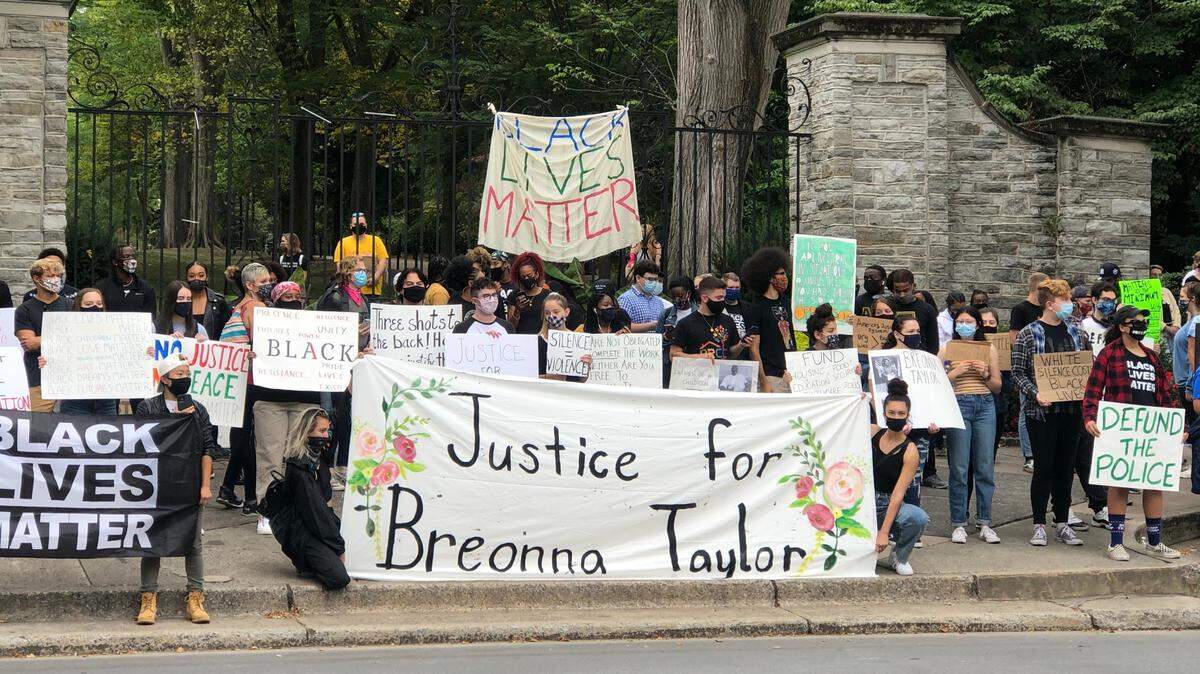
I’m typing this during the week of International Women’s Day (March 8), the global holiday that’s meant to celebrate the multi-faceted achievements of women. I’m also typing this during the week in which Meghan Markle said she almost took her own life because she wasn’t properly protected in ways that other members of the royal family were. I’m typing this during the week that marks the one-year anniversary Breonna Taylor’s death. Taylor was fatally shot by police while she was sleeping in her apartment. I’m typing this as I read about how Black women are 7.5 years biologically older than white women because of chronic stress.
Based on those aforementioned instances and the other ways in which society treats Black women, there’s no celebration in me. I do not feel celebrated. My state of mind is aloof from what this month is supposed to mean for women mainly because I’m constantly inundated with stories about Black women not being protected.
So….if you don’t take away anything else from this newsletter, remember to protect Black women in ways that go beyond Women’s History Month. Celebrate them. Uplift them. Respect them.
Have a story tip or just need to talk? Send me an email- dsutgrey@bnd.com or call me: 618-239-2624
Here’s the latest news
Inmates say St. Clair County Jail is ‘full of COVID.’ Sheriff says he’s doing his best.
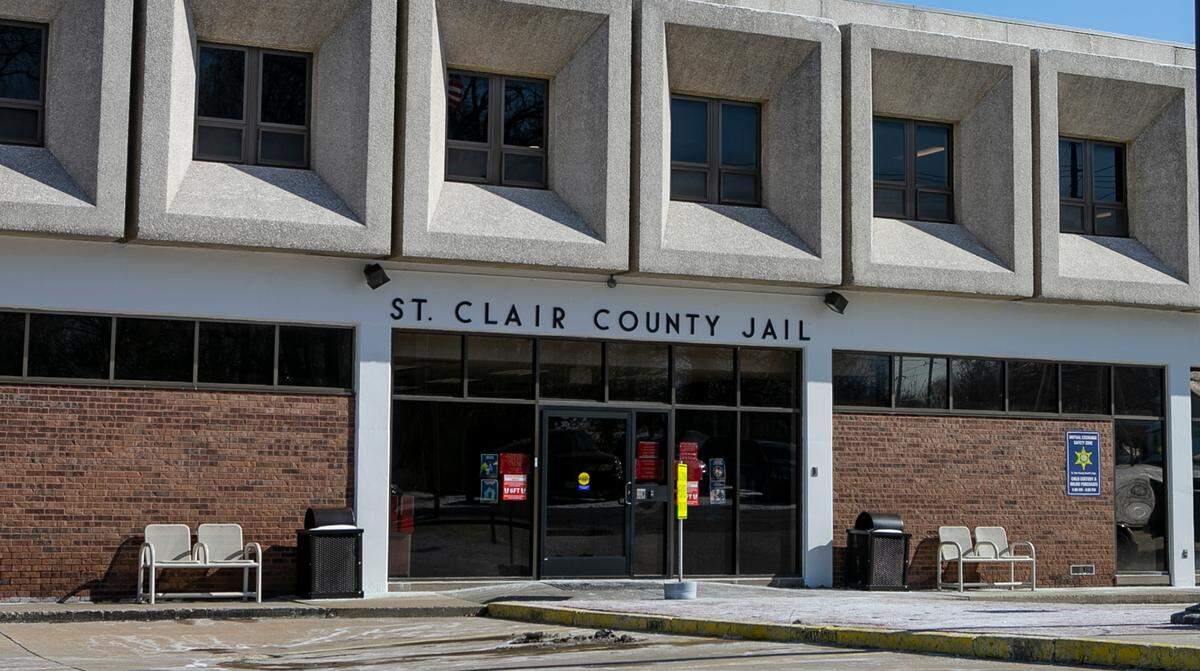
BND reporters Carolyn Smith and DeAsia Paige explored unsanitary COVID-19 conditions at St. Clair County Jail. Since last year, nearly 30 inmates and family members have complained about the jail’s negligence in implementing COVID-19 safety measures. Among the complaints include inmates not receiving face masks until January of this year.
More on COVID-19 conditions in St. Clair County Jail:
St. Clair County Jail inmates should have had masks months ago, IL Gov. Pritzker says
Inmate at St. Clair County Jail dies from COVID-19, officials say
Centreville, Cahokia and Alorton seek $22 million to fix flooding, sewage issues
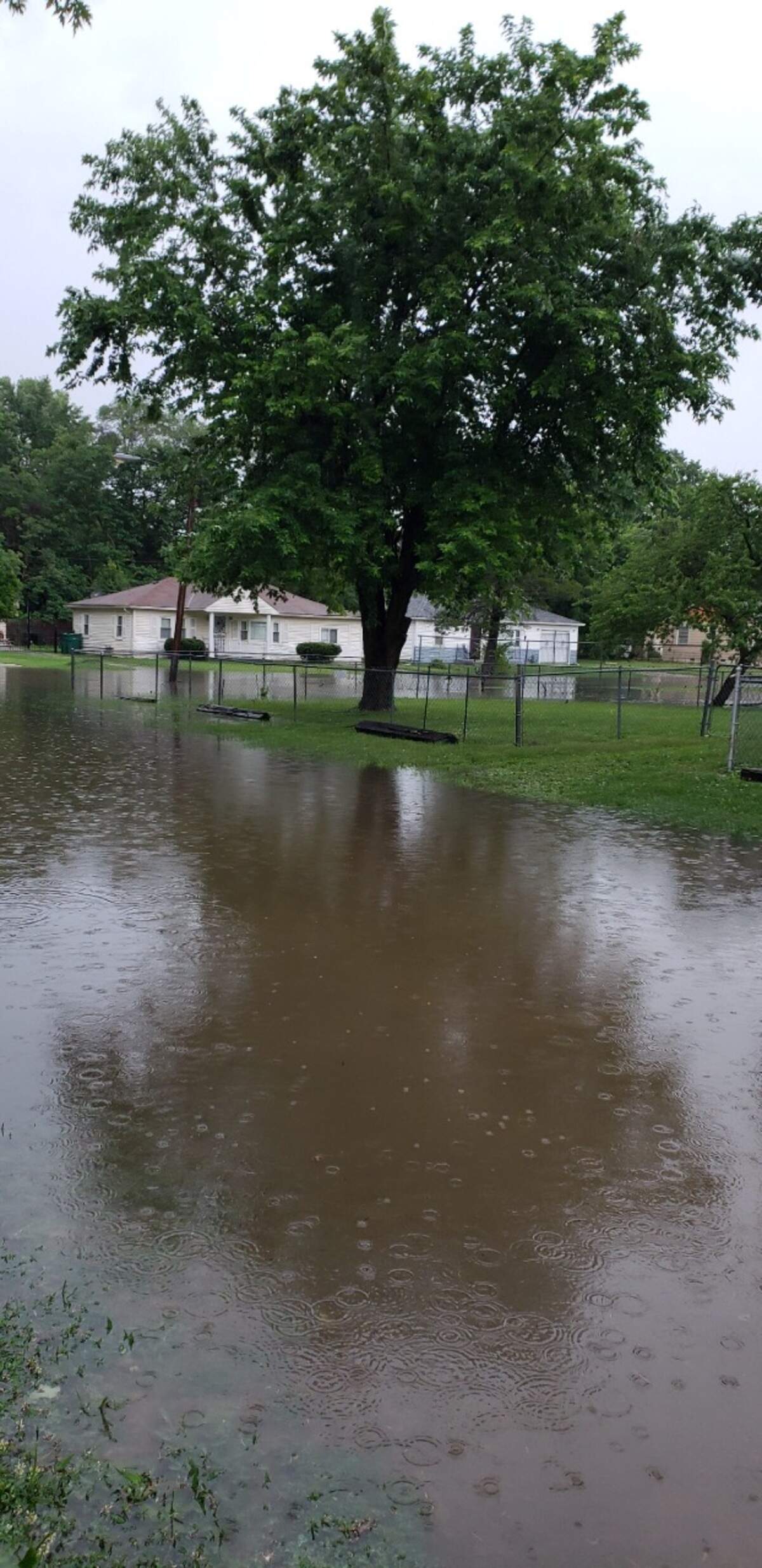
City officials in Centreville, Cahokia and Alorton have applied for a $22 million FEMA grant to help address the area’s failed sewage infrastructure. However, residents in north Centreville, who’ve had to deal with flooding issues for decades, aren’t convinced the grant will help them if it’s awarded. In April, Cahokia, Centreville and Alorton will merge to become the new town of Cahokia Heights.
More on Centreville flooding issues:
Illinois Gov. J.B. Pritzker pledge support for fixing Centreville flooding problems
Duckworth says environmental racism caused flooding, sewage issues in Centreville
Illinois Gov. Pritzker partners with Centreville hospital to expand COVID vaccine access
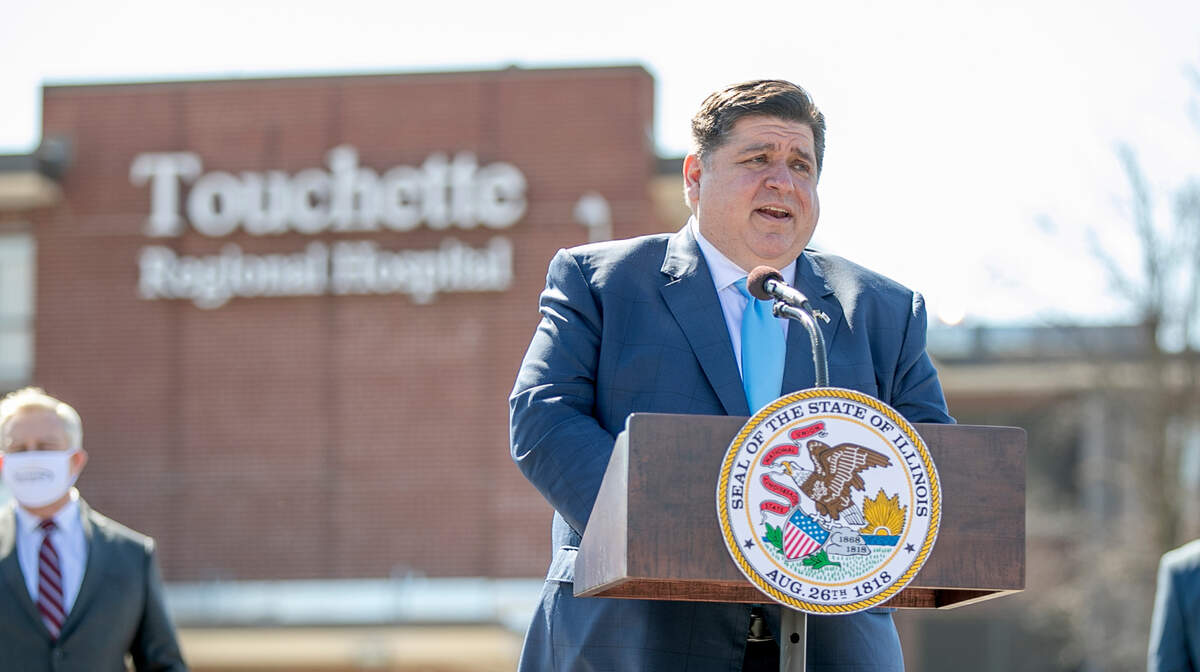
Last week, Gov. J.B. Pritzker announced plans to work with Touchette Regional Hospital in Centreville as an effort to achieve equitable vaccine distribution in communities of color. The recent partnership is a part of the state’s pilot program that works with health centers and safety net hospitals to expand COVID-19 vaccine access to the state’s most vulnerable communities. Each week, sites participating in the program will receive 300-500 vaccine doses. Touchette Regional Hospital is still working on the logistics for distributing the doses.
More on COVID-19 vaccine distribution in the metro-east:
Southwestern Illinois counties surpass 200,000 vaccinations as positivity rate drops
Can you mix COVID vaccines if you have an appointment issue? Your questions answered
What to watch
“Snowfall”
For the past two weeks, I’ve fully immersed myself into the world of this 1980’s-set drama that explores the inception of the crack cocaine epidemic and the havoc it wreaked on the Black community. Season 4 of the FX series aired last month, but if you’re like me and looking for the next binge-watch, “Snowfall” is your best bet (*whispers* I finished all three seasons in less than two weeks). New episodes premiere on Wednesday nights on FX and can be viewed on Hulu the day after.
What to read
Misogynoir Nearly Killed Meghan Markle
Professor and scholar Dr. Moya Bailey, who coined the term “misogynoir” to describe the anti-Black racist misogyny that Black women experience, wrote on how that phenomenon plagued Meghan Markle, the Duchess of Sussex. In a recent interview with Oprah Winfrey, Markle along with her husband Prince Harry spoke about the callous actions that led to them ending their duties as members of the royal family. Bailey poignantly writes how Markle’s appearance as a white-presenting, light-skinned Black woman couldn’t protect her from the consequences of misogynoir, even though Markle herself doesn’t identify as a Black woman. I liked this passage in particular because it begs the question of how Markle would’ve been treated if she had darker skin and weren’t an actress:
What makes Meghan’s near-death by suicide a particularly damning case of misogynoir is the degree of privilege she has as a light-skinned, class-privileged Black woman…..whether Meghan calls herself a Black woman is irrelevant, as the animus she experiences has everything to do with her being read as a Black woman.
That’s all she wrote
Talk to y’all in two weeks!
Did someone forward this newsletter to you? You can sign-up for Mother Baltimore here. If you’d prefer to unsubscribe from this newsletter, you can do so at any time using the “Unsubscribe” link at the bottom of this message.
This story was originally published March 12, 2021 at 8:45 AM.