Mother Baltimore: What is home?

Last Saturday, I met a friend for the first time. We talked about being transplants in St. Louis and our shared habit of binging our favorite reality television shows (mine is “The Real Housewives of Atlanta,” in case you were wondering) to cure our yearning for drama amid the monotony of living in a pandemic. We also talked about our respective family backgrounds, during which my friend shared that her family was from the Caribbean.
We both laughed when she told me that her parents didn’t waste any time to return to their home island once she graduated from high school. The comedy of her anecdote stemmed from the relatability of it-- as Black women living in a country that hasn’t been kind to us, we also understand the lack of hesitancy it could take to consider leaving it for a place that feels more like home.
The conversation made me think about a friend from high school. She was born in Florida, but she eventually moved to Illinois. Her mother was a Haitian immigrant, and she, just like my new friend’s parents, returned to her home island as soon as my friend graduated from high school. As my new friend described it, “They were only here to make sure I got a good education. Then, they dipped.”
I thought about that, and the concept of belonging, this week, as hundreds of Haitian migrants in Del Rio, Texas were rapidly deported by the Biden administration. Most migrants were forced to return home to Haiti, a country that has witnessed an earthquake and the assasination of its president this summer. When I saw jarring images of border patrol agents on horseback seemingly whipping Haitian migrants attempting to cross the border, I thought more about my friends and their parents. Like the Haitian migrants who were deported this week, my friends’ parents were coming to America in hopes of better conditions for themselves and their children.
But my friends’ parents were allowed the opportunity to return home when they wanted to, and they were able to reap the benefits of staying in a country with significantly more resources. Haitian migrants who were deported this week didn’t get that chance. And the more I thought about that lost opportunity, the more I thought: What happens when one is forced into a never-ending journey of finding a place to call home? What happens when one is in a constant search of physical belonging due to systemic conditions? What happens when the home where you were born is the home you’re trying to escape and the home to which you’re being forced to return? What happens when home simply isn’t home anymore?
As someone who has struggled with the concept of calling one place home (I’ve lived in Maywood, Illinois; Detroit, Michigan; Aurora, Illinois; New York City, New York; Lawrence, Kansas; and now St. Louis, Missouri), I often stumble when people ask about my hometown. I constantly think about those aforementioned questions and have yet to figure out an answer.
The nearly 15,000 Haitians at the Del Rio migrant camp are being forced to quickly answer those complicated questions.
Have a story tip or just want to talk? Contact me at 618-239-2624 or dsutgrey@bnd.com.
Now, here’s the latest news in southwestern Illinois:
Cahokia Heights residents raise questions about $10M grant to fix flooding, sewer issues
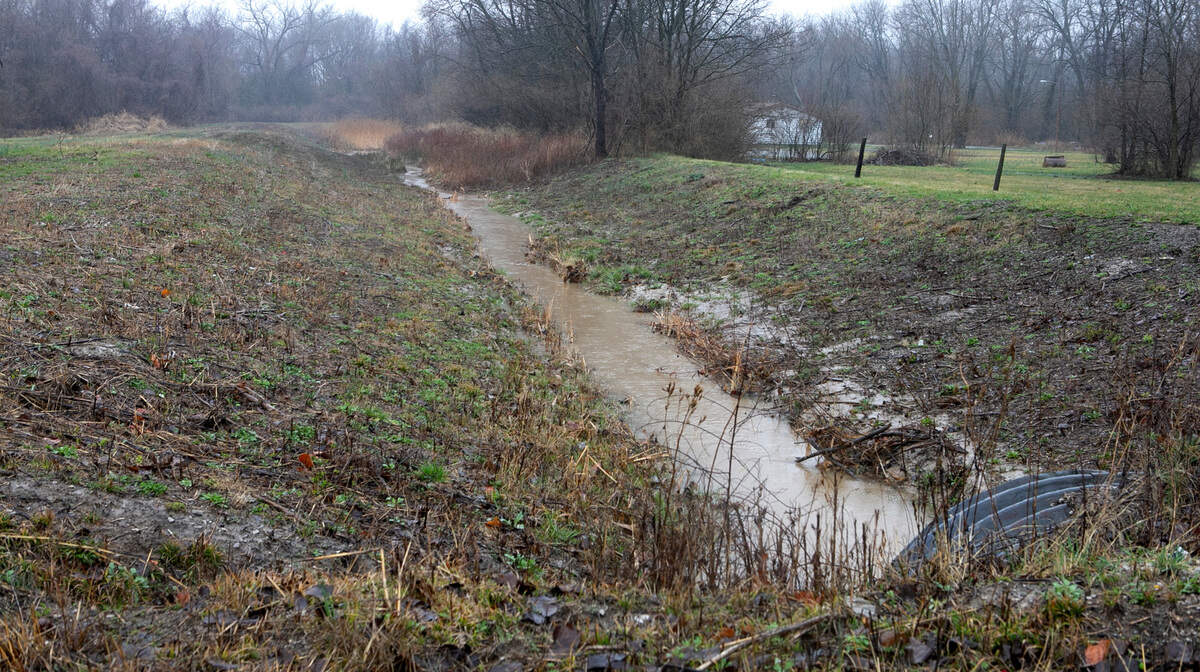
Cahokia Heights, the newest town in the metro-east, is seeking a $10 million grant from the Illinois Environmental Protection Agency. The grant is supposed to help the city’s wastewater collection system, which would alleviate ongoing sewer problems in the area. However, residents feel like they’re being excluded from the grant process, given they weren’t aware of it. BND reporter DeAsia Paige talked to residents about their concerns.
More on flooding in Cahokia Heights:
Feds order southwestern Illinois town to fix its ongoing sewage system problems
EPA orders Cahokia Heights drinking water tested after ‘serious problems’ found
Mother says 3-year-old injured in southwest Illinois mass shooting is ‘damaged for life’
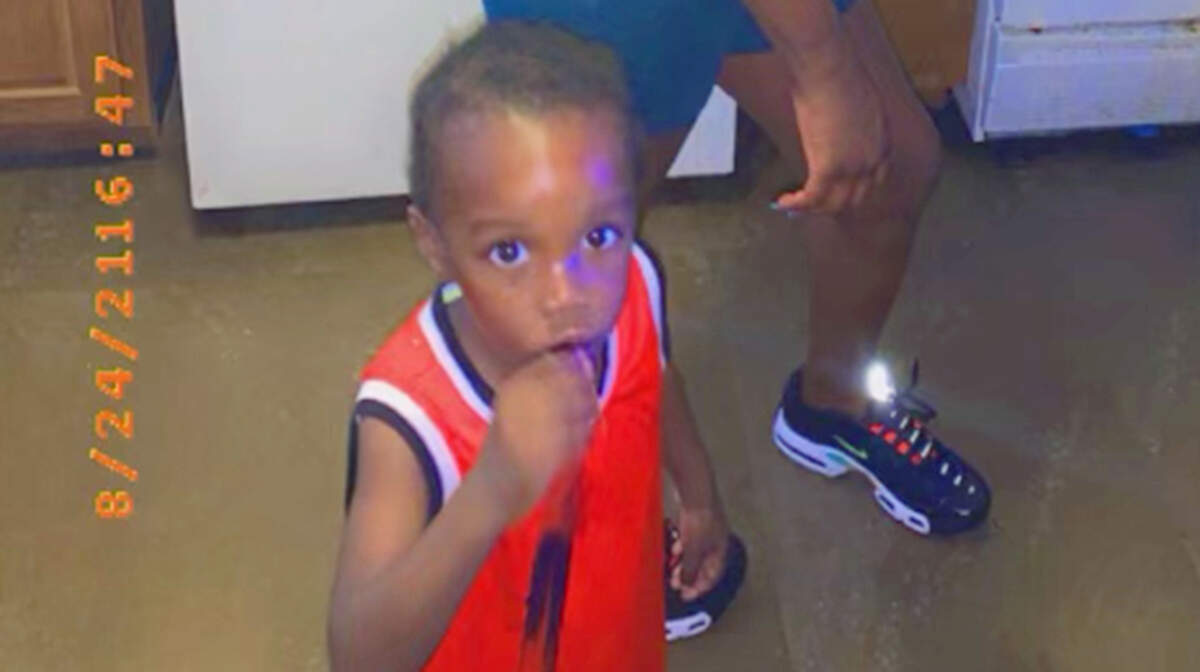
Three-year-old Mason Mitchell is among the seven victims who were left injured during a mass shooting in East St. Louis earlier this month. While in the car with his mom and brother, Mitchell was struck by a bullet that struck his right arm and passed through his back and into his stomach, fracturing his spine. BND reporter Carolyn Smith talked Mitchell’s mom about the day he was shot and how her son is “fighting for his life”. She wants justice for her son:
“He fought and is still fighting. It costs him a lot of different risks. I gotta live with this. My baby gotta live with this. He may not be able to be normal. He should not be going through what he is right now,” Marquisha Collins, Mason Mitchell’s mother, said.
More on recent shootings in East St. Louis:
East St. Louis community lays 3-year-old shooting victim to rest
East St. Louis man charged with murder in shooting death of 16-year-old boy
Some East St. Louis parents demand schools provide remote learning due to COVID cases
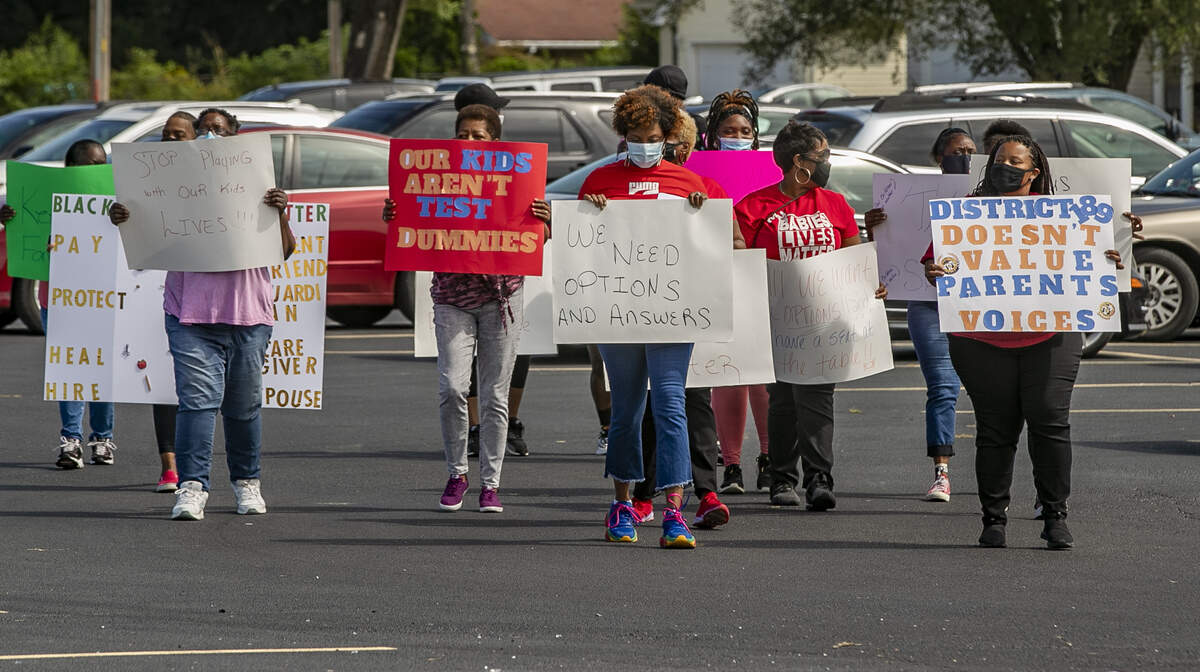
Last week, a group of parents and guardians of students of East St. Louis District 189 held a protest to demand that the district offers a remote learning option for families. Parents are concerned about recent classroom outbreaks in the schools, given the area’s rising COVID-19 cases. BND reporter DeAsia Paige talked to parents, the school district and East Side Health District about the concerns made during last week’s protest.
More on education in metro-east:
Issues with student laptops are among concerns of East St. Louis parents
Here’s where to learn about COVID cases in your kid’s St. Clair County school district
What to do
This is a new section of Mother Baltimore that’ll highlight upcoming events in the metro-east that’s relevant to Black communities. If you have tips for events, send them to dsutgrey@bnd.com
Empire 13’s Cleanup
9 a.m. on October 16 at N. 61st Street in East St. Louis
Empire 13, a Belleville-based grassroots organization, regularly hosts cleanups in the East St. Louis area to bring awareness to environmental racism. The group’s activities include picking up trash along with clearing any trees and overgrown weeds in nearby lots. Volunteers are welcome. Empire 13 is also spearheading a campaign, titled Rebuilding Our Communities’ Infrastructure, for which they’re seeking donations so the city can have more trash cans.
What to watch
Wu-Tang: An American Saga
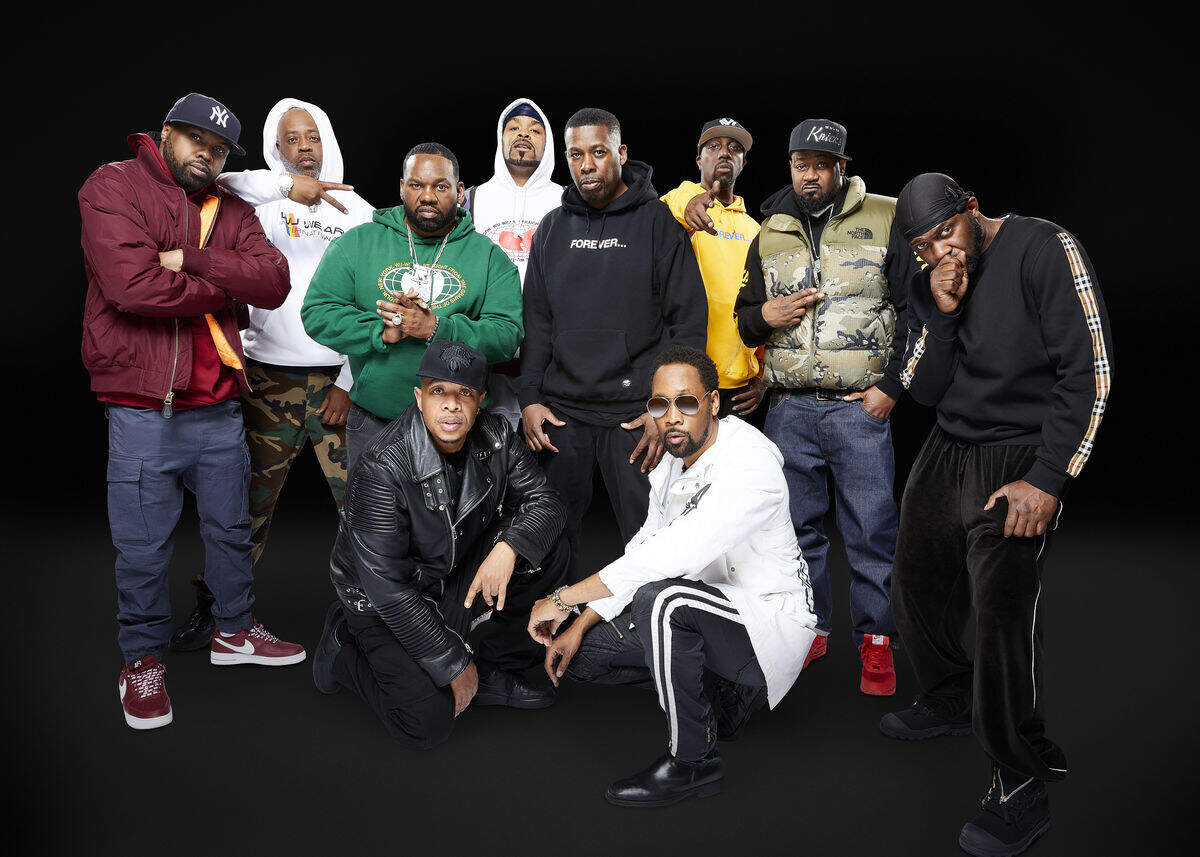
The Emmy-nominated Hulu original series “Wu-Tang: An American Saga” follows the origins of legendary hip-hop group Wu-Tang Clan. Set in the 1990’s in Staten Island, New York, the series captures the story of a group of young, Black men who are simply trying to overcome systems of poverty and crime as they reach rap fame. Season Two of the show debuted on Sept. 8 and is available to stream on Hulu.
What to read
News Media Can’t Shake ‘Missing White Woman Syndrome,’ Critics Say
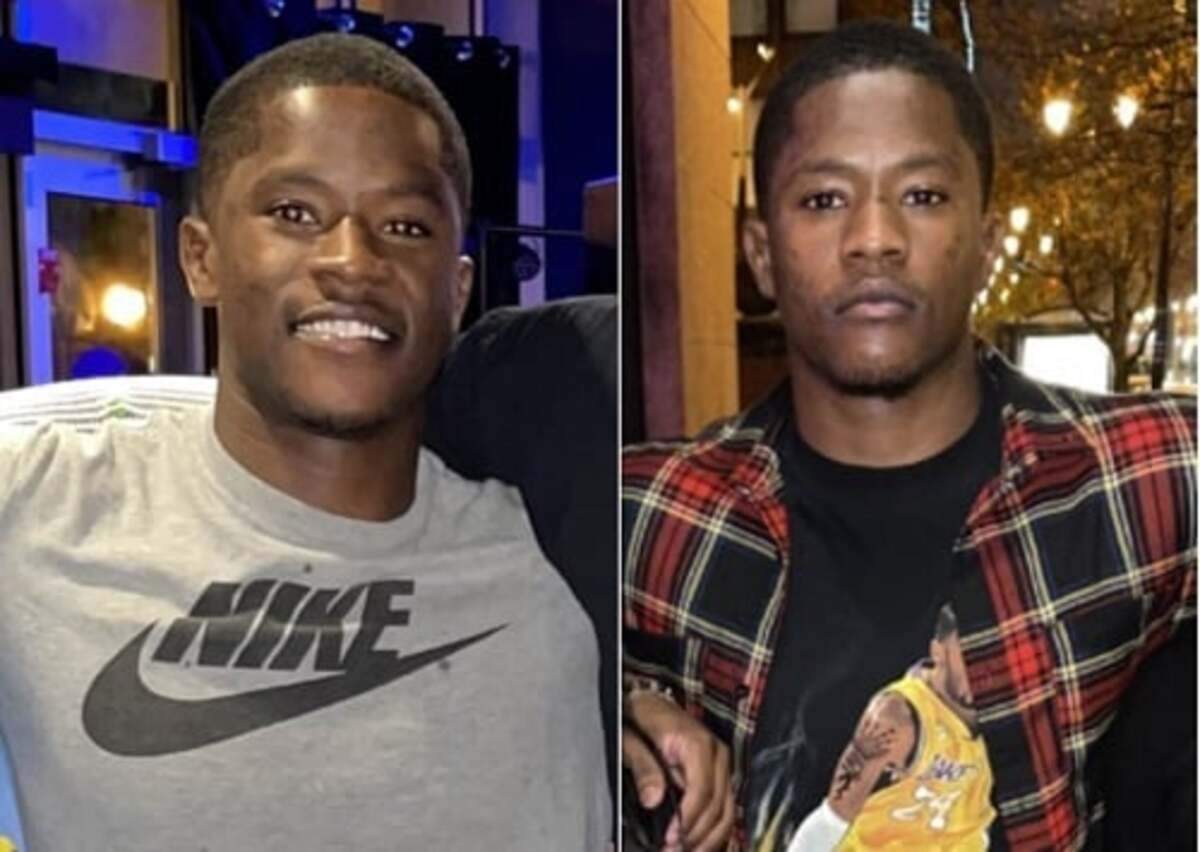
Katie Robertson, a former reporter and editor for Bloomberg and News Corporation Australia, talked to journalists and researchers about what heightened media coverage of the case of Gabby Petito, the 22-year-old who disappeared during a cross-country trip, overlooks---missing cases of Black and brown people. In 2004, the late journalist Gwen Ifil coined the term “missing white woman syndrome” to describe the phenomenon in which cases of missing white women overwhelmingly garners media attention at the expense of recognition for similar cases involving people of color.
Danielle Slackoff, an assistant professor at California State University, said her research revealed that missing white woman cases receive a lot of both initial coverage and repeated coverage in the media:
White victims tend to be portrayed as being in very safe environments, so it’s shocking that something like this could happen, whereas the Black and Latino victims are portrayed as being in unsafe environments, so basically normalizing victimization
Related reading: These families of missing Black people are frustrated with the lack of response to their cases
That’s all she wrote!
Talk to y’all in two weeks!
Did someone forward this newsletter to you? You can sign up for Mother Baltimore here. If you’d prefer to unsubscribe from this newsletter, you can do so at any time using the “Unsubscribe” link at the bottom of this message.
Want to learn more about the origin of Mother Baltimore? Click here.