‘Unthinkable things’ drove Nigerian Kehinde Oginni to an inspiring chance with Chiefs
READ MORE
What to know before Chiefs preseason
The Chiefs are about to resume play, starting with the Bills on Aug. 13. Here are some key pieces of news from their offseason.
Expand All
As the Chiefs entered offseason organized team activities a few weeks ago, dozens of new faces surfaced among the 90 men on a roster that must be whittled to 53 when they begin the 2022 season. Each of the newcomers has been forged and shaped by his own fascinating journey, some more improbable than others.
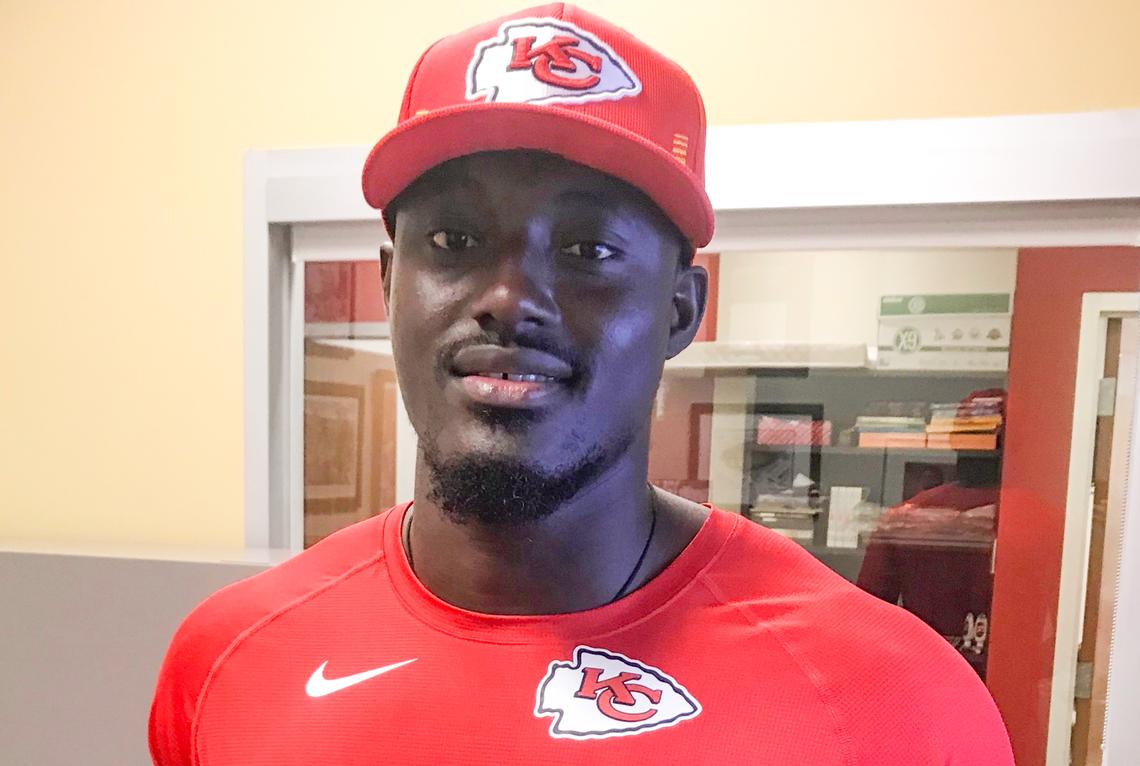
Then there’s the tale of a man whose very appearance on the roster is conspicuous and curious: a defensive end from Nigeria who is the lone player among the 90 with no college attached to his name.
Those are just the superficial elements of a remarkable passage that even he isn’t quite sure how to sum up.
“Sometimes, I don’t even know what to reply with,” Kehinde Hassan Oginni said in an interview with The Star. “Not just with Chiefs fans; I get the same question from the locker room.”
Like when he was playing one-on-one basketball with an offensive lineman around the hoop at the center of the room: “You can ball,” he remembered being told. “What college did you go to?”
When the 23-year-old said, “I didn’t go to college,” the response was, “No, you’re joking.”
Pretty much just like everyone else he’s spoken with initially figures. “Why are you hiding stuff from us?” one Chiefs player joked with the man whose name around the facility largely has been Americanized to “Kenny.”
More to the point, others asked, “How did they find you?” and, “How did you get here?”
“I don’t know,” he’d say with a smile. “It’s just God’s plan.”
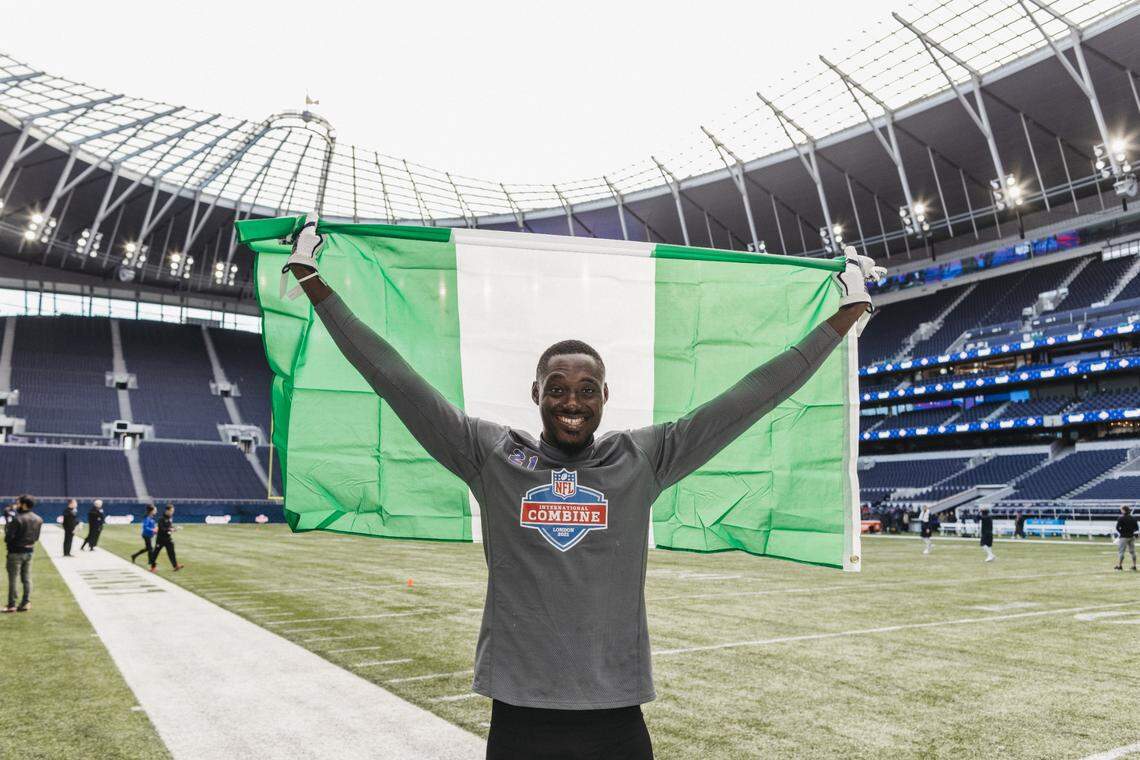
‘He’s truly been through unthinkable things’
Whatever your belief system might be, certainly Oginni’s very arrival is testament to the capacity of a special human spirit.
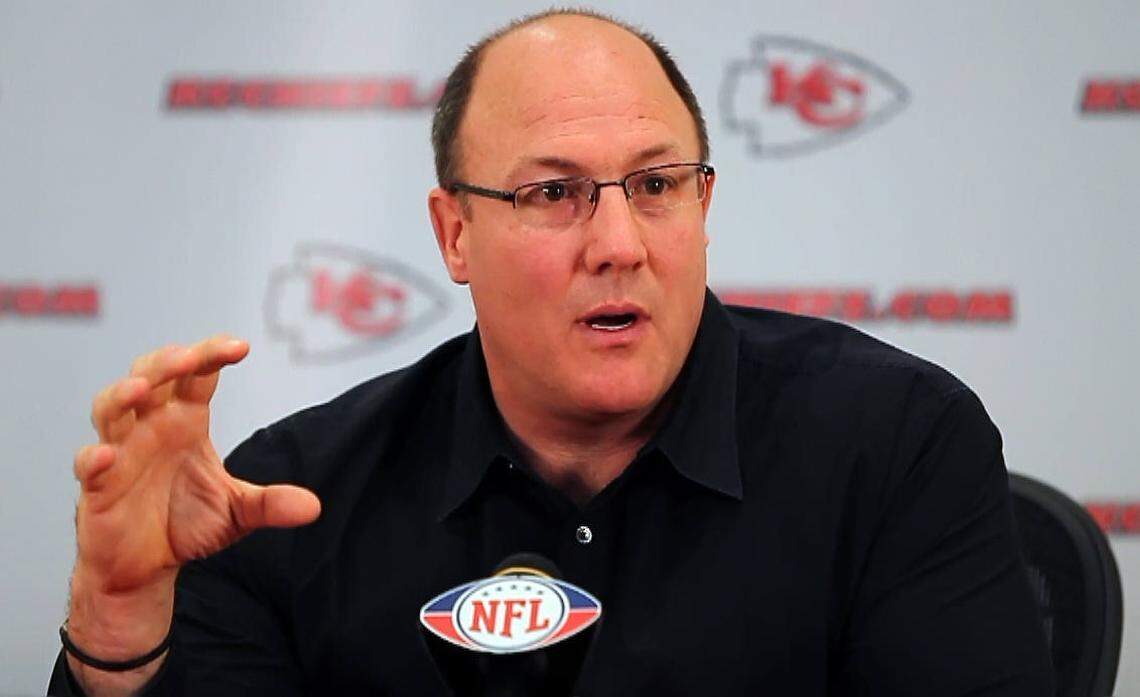
“He’s truly been through unthinkable things,” said Scott Pioli, the former Chiefs general manager who, as a consultant with the NFL International Player Pathway program, helped evaluate Oginni’s potential and navigate his way and continues to mentor him and others in the program.
“The amount of light that emanates from his soul, his personality, being around him, quite honestly, being around him is humbling.”

Oginni’s “can’t stop, won’t stop” mantra reflects his resolve for deliverance from life in the heartrending slums of the Bariga district of Lagos, the largest city in Africa. And that code seeks to honor three friends he says he watched die in a bus accident that left him hospitalized for two months immediately after they were introduced to football at a camp eight hours from home.
“I hold them strong in my heart, because I was right there,” he said. “I witnessed them losing their life without me being able to help. …
“In my own power, I will push. I will push. To let the whole world know about these three young men. So people can be able to see what people go through in different countries just to be able to get a chance, an opportunity.”
As a project, to be sure. But Chiefs defensive end Chris Jones, who called him an “interesting cat,” said his drive is evident and added, “I don’t think the Chiefs would bring him in if he didn’t have any type of capabilities to play football.”
No matter how long he’s with the Chiefs or perhaps another NFL team, whether this is merely the beginning or the pinnacle of an adventure also enabled by the NFL initiative, Oginni’s presence here is life-affirming in its own right. And it provides perspective about the sorts of things we take for granted.
“Everything I do in life is motivated by my stories; my stories make me who I am today,” he said. “Because not everybody can be able to go through all this stuff at that age and be able to live through it.”
‘Hustle for your daily bread’
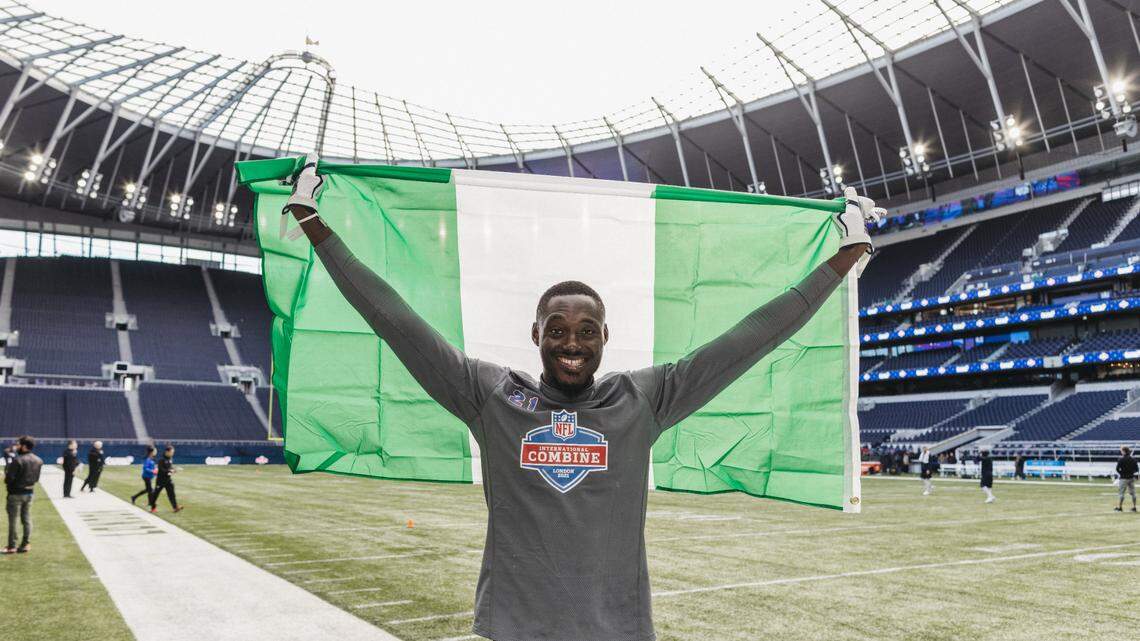
When he stepped on a plane for the first time in his life last October to go to London as one of 50 invitees from 14 countries at the third iteration of the NFL International Combine, Oginni had liftoff from a world we can’t fathom.
A place where his father could have a law degree, for instance, and yet the family of seven had no running water and only intermittent electricity. A place where he contended with who knows what else he might not have wished to elaborate on.
A place where his daily “hustle,” as he put it, might mean anything from sewing clothes with his mother to spending all day at a construction site to make about enough money to pay for one meal.
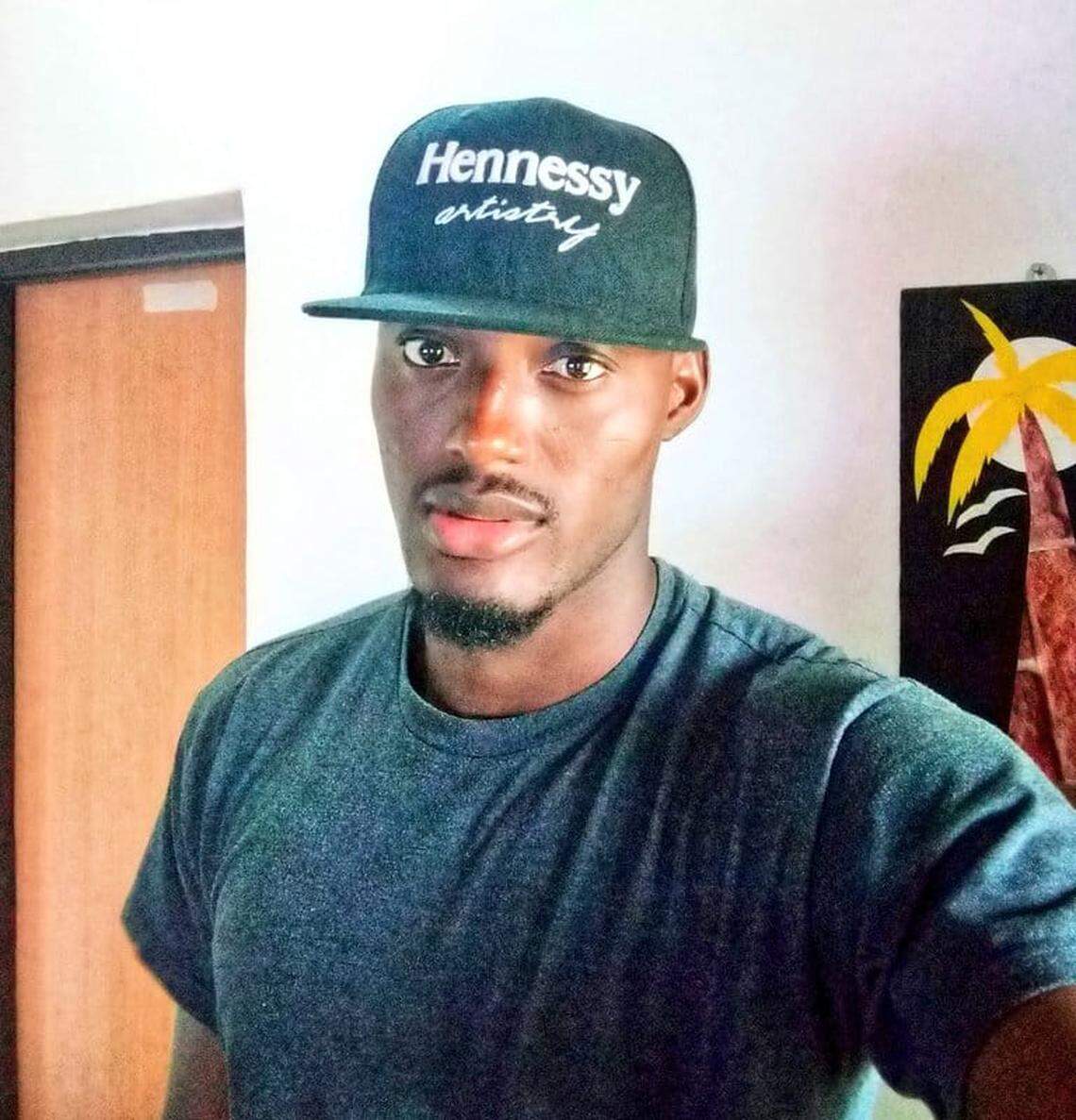
Much like about everyone else around him: As of 2016, the Lagos State Bureau of Statistics reported that more than 80% of some 20 million in the state lived in poverty. And conditions have declined precipitously since the advent of the pandemic. Last year, government officials acknowledged that fewer than 40% of residents had access to clean and safe water.
“Most people grew up without being able to get many things,” he said with what might be considered understatement. “You have the mindset you have to wake up every day and go out and hustle for your daily bread.
“That’s the term we use in Lagos: hustle before you can put food on the table and stuff like that.”
‘My parents thought I was dead’
Having grown tall early in his life, basketball became a passion and, Oginni hoped, perhaps a passport to a better life.
So much so that he was enticed in 2014 to go to a camp held by the Ejike Ugboaja Foundation, part of the charitable mission of the former Cleveland Cavaliers’ draftee, and sponsored in part by Osi Umenyiora, a two-time Super Bowl champion with the New York Giants.
Like most people in Nigeria then, not to mention still, “We don’t have any knowledge about football” or even know what it looks like, Oginni said, laughing. Certainly, he hadn’t known about the amazing tale of former Chiefs running back Christian Okoye or the path of current Chiefs offensive lineman Prince Tega Wanogho, who that very year moved to Alabama to finish high school before attending Auburn and being drafted by the Philadelphia Eagles.
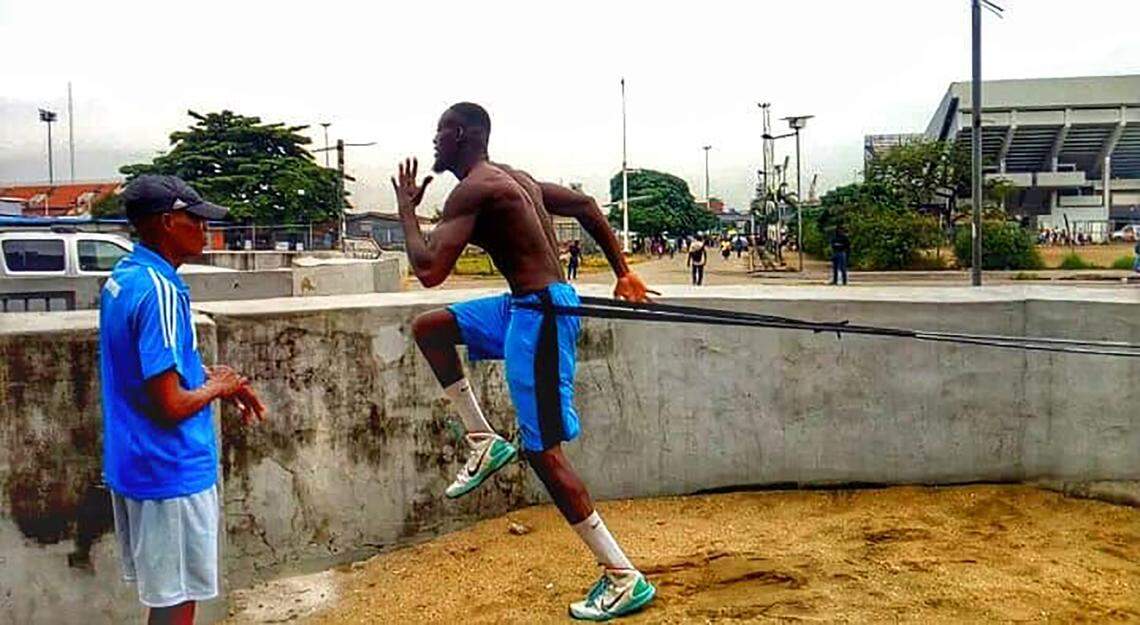
But when counselors at the two-week camp geared toward the pursuit of athletic scholarships offered to teach them a new game if they were, as he put it, “able to open your brain,” Oginni thought to himself, “Let me give it a shot.”
Especially since he was a track man who ran the 100- and 200-meter dashes and saw how his speed could be an asset in football.
He fell in love with the game, particularly running pass patterns. And he made what he described as a preferred list of prospects to be followed and promptly thought about all that could be.
“Because just like what I told you: That’s the state of living in Lagos,” he said. “You may not be able to be exposed to so many opportunities in life. You have to do so many things on your own. You grow up going out every day to hustle. So almost everybody in Nigeria, they are down and open to every chance you give to them.”
This chance, alas, abruptly was administered a shattering twist on June 10, 2014, a date seared into his mind:
Along the treacherous and remote route home from the camp, as described by Oginni, the bus went out of control as the driver tried to avoid a collision in an area where the two-lane road had been reduced to one because of construction.
The bus was so damaged and beyond immediate reach, he recalled, that the initial report was that there were no survivors.
“No one heard from us. My parents thought I was dead,” he said. “That was the news they gave to everybody: ‘They had an accident, everybody’s dead.’”
He vividly remembers being pulled out of the wreckage and feeling helpless amid the agony of hearing some of the last breaths of his friends Tochukwu, Hussein and David, whose souls he says he has tried to honor by playing ever since.
Even after he recovered for weeks from largely internal injuries in a hospital far from home, he struggled to cope with the trauma. Counseling, he noted, wasn’t available or advocated in Nigeria as it is here, particularly not for anyone in his family’s economic plight and within a cultural mindset that he described as, basically, move on.
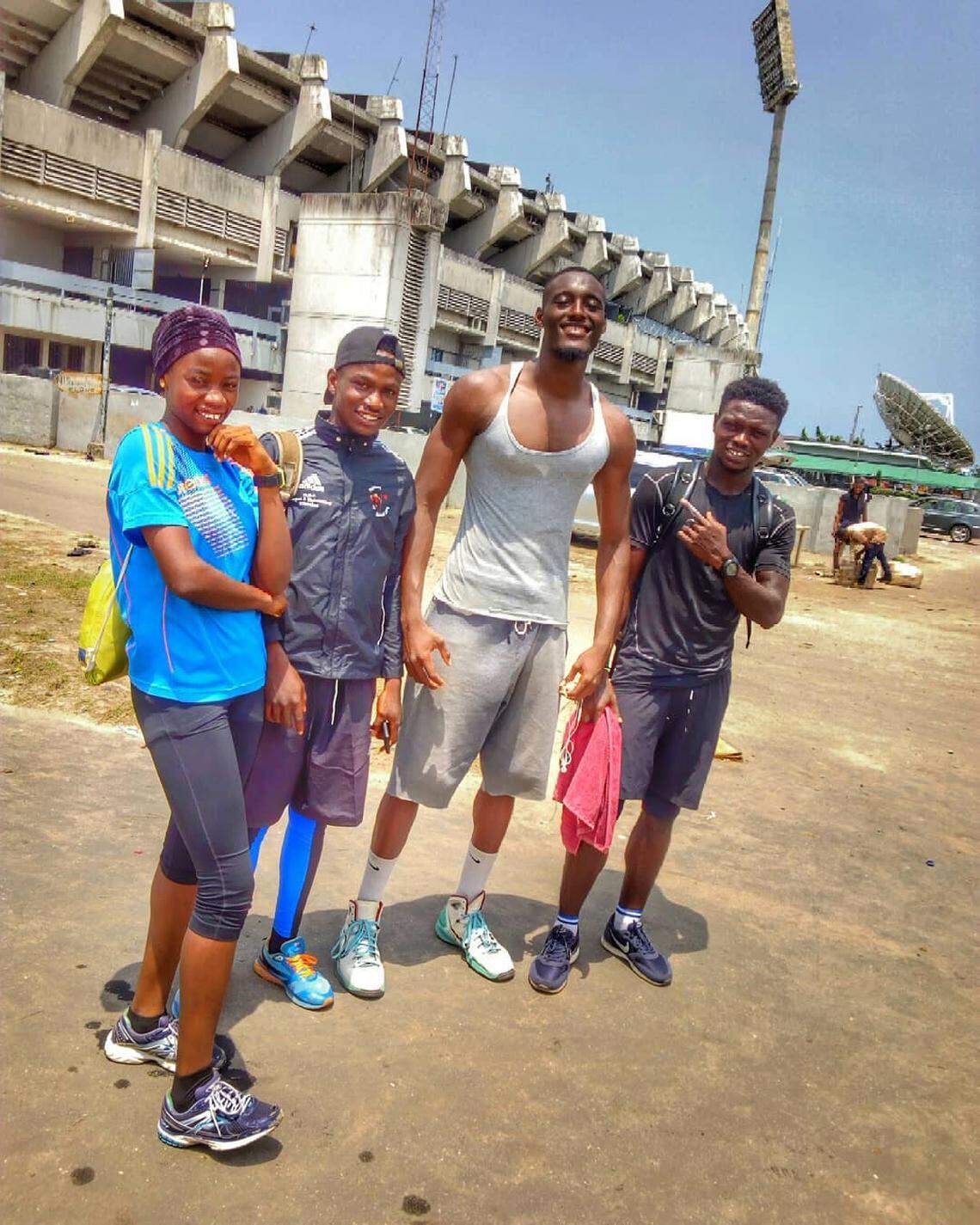
“They just think that no matter what you’re going through, you should be able to figure everything out on your own,” he said.
For months, he was too scared to get in a bus, leaving him “trekking” miles anywhere he wanted or needed to go.
But, he said, he got “over it with time.”
Or at least came to know he could persevere.
“The country throws so much at you, even when you’re growing up, you understand?” he said. “They don’t build you to start giving excuses. The state of conditions in the country builds you to be strong. … The country is going to build you in a way that you can survive anything that comes your way.”
London calling
Within the next year or so, Oginni was steered to a fledgling American football team at Ahmadu Bello University in Zaria, about 10 miles from his home. The program essentially had been under quiet construction for about seven years by the time it played in what in 2016 was promoted as the first official American football game in Nigeria.
In one highlight video of the game against the Lagos Marines, Oginni can be seen reeling in a long touchdown pass.
Hoping to secure a scholarship to play in America, he continued training with that team and on his own and watching more football highlights — including many of Terrell Owens, aka T.O., the inspiration for the self-styled nickname he’d come to use on a series of workout videos: “Kenny DnextT.O.”
Visa issues repeatedly sabotaged Oginni’s hopes for a scholarship, he said. But he found a fresh route to this opportunity through The Uprise, a football program established by Umenyiora with the help of Ugboaja that was highlighted in an NFL Network report last year.
Along with Oginni, two other young men from The Uprise program, Haggai Chisom Ndubuisi and Chigbo Roy Mbaeteka, were selected to travel to London.
That’s where Oginni first met Pioli, who was part of the group evaluating them on the field and getting to know them off it.
As he thinks back to those days last fall, Pioli recalled how Oginni would bow to him as a sign of respect when he’d approach. When Pioli told him he appreciated that but that they are equals and he shouldn’t bow to him, Oginni wasn’t easily persuaded.
So Pioli took to bowing back. With a laugh, he recalled saying, “I’m not going to stop until you stop” as they once repeatedly bowed back and forth.
They had many conversations, long and short, during which Pioli might hear more about the accident or about Oginni’s daily life — including such realities as how they contrived weightlifting gear by rigging up a thick stick with cinder blocks strung onto the ends.
At the time on Twitter, Pioli wrote: “I had to stop our meeting twice in order to regroup & keep my composure. This story is only part of his truth. His grace, passion, gratitude & thankfulness is staggering & humbling. MAD respect.”
Along the way, Pioli and others came to feel Oginni should be converted to defensive end because of all the technical aspects and specific skills (such as reading coverages) that might bog him down as a receiver — whereas his talents seem more naturally contoured to defensive end.
“He has burst, he has length, he has strength, he has leverage,” Pioli said, adding that at that position, “His greatest strengths are probably more quickly developable.”
Not just a path, but a pathway
Each of the three Nigerians emerged from the London scouting combine with an invitation to attend the next level of camp in Arizona, from where — after a pro day in March — Ndubuisi was signed by the Cardinals, Mbaeteka by the Giants and Oginni by the Chiefs.
Four others, including two from the United Kingdom, one from Germany and another from The Netherlands, were allocated to teams in the AFC South via a random draw.
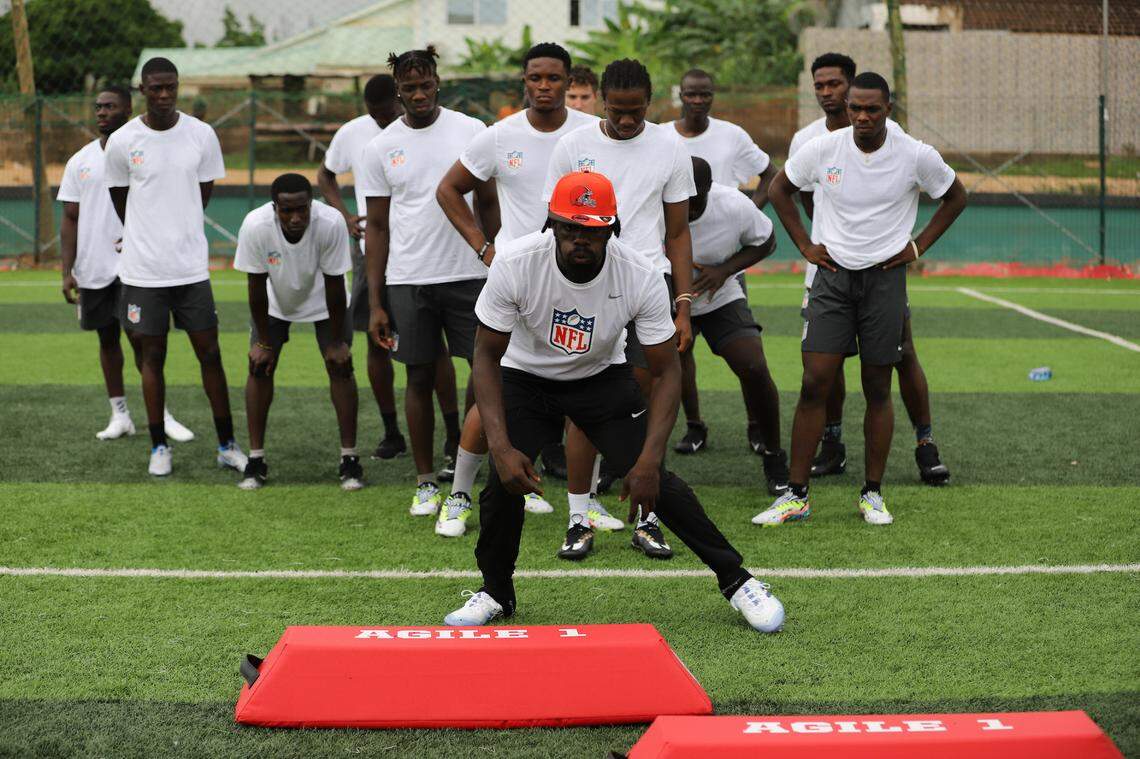
The International Player Pathway program, launched in 2017, has paved the way for three players (Washington’s Efe Obada, Las Vegas’ Jakob Johnson and Philadelphia’s Jordan Mailata) who’ve now each played more than 1,000 snaps in the NFL.
Surely that pipeline will become more engaged going forward.
“It really starts with our philosophy that we think the best athletes in the world should be playing in the NFL, regardless of their country of origin,” said Damani Leech, the chief operating officer of NFL International. “We understand that American football is a very American sport, and we have to work hard to identify talented athletes around the world and introduce them to the game.”
Hence, this is called a “pathway,” not merely a path: “To show younger athletes around the world,” Leech added, “there is a way to get to the NFL if they want to and are willing to put in the work.”
Soon a route to be made more evident: In conjunction with Umenyiora, the NFL recently held its first NFL Africa Camp. Staged in Ghana, the camp featured some 50 players from across Africa.
That new campaign was started “in part,” Leech said, “because of what we saw so quickly from these three players from Nigeria.”
‘Blessings in my journey’
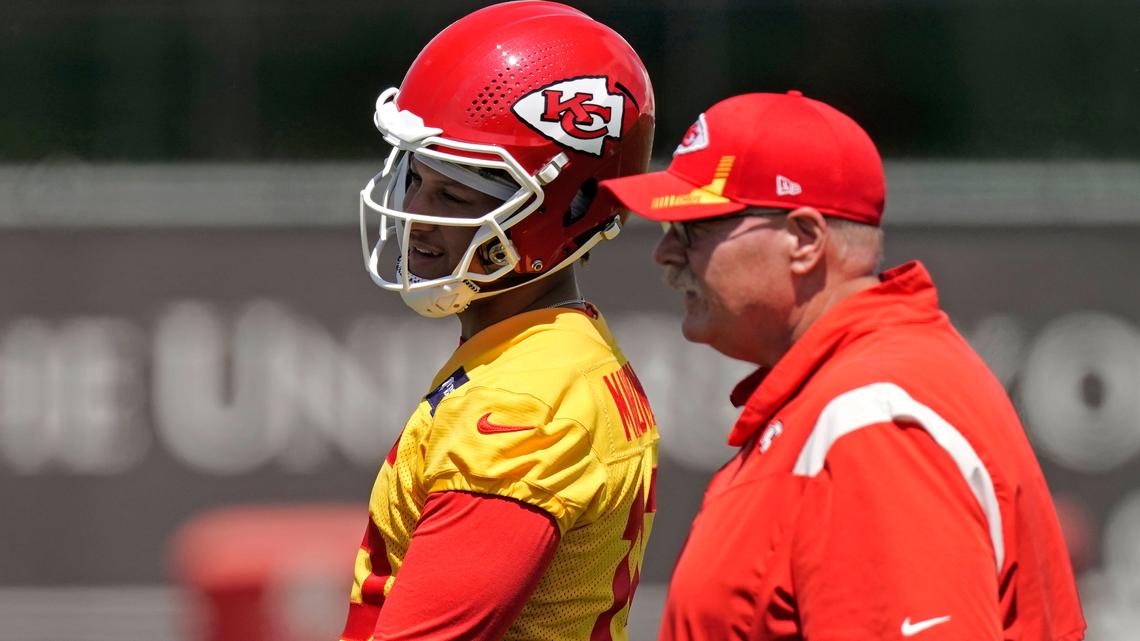
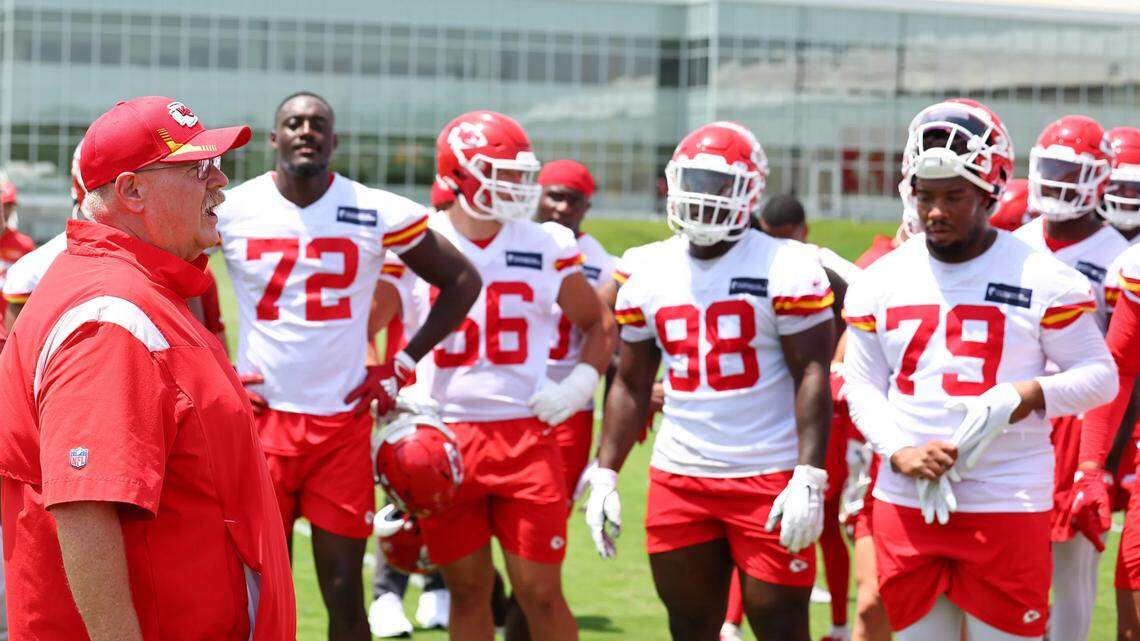
Weeks after arriving in Kansas City, Oginni could hardly stop smiling. He was overwhelmed by as simple a gesture as Chiefs coach Andy Reid approaching him on the sideline to introduce himself during the team’s rookie minicamp this spring.
“Wow, there are so much blessings in my journey so far ...” Oginni said. “Being able to stand right here in front of someone I was watching before on TV.”
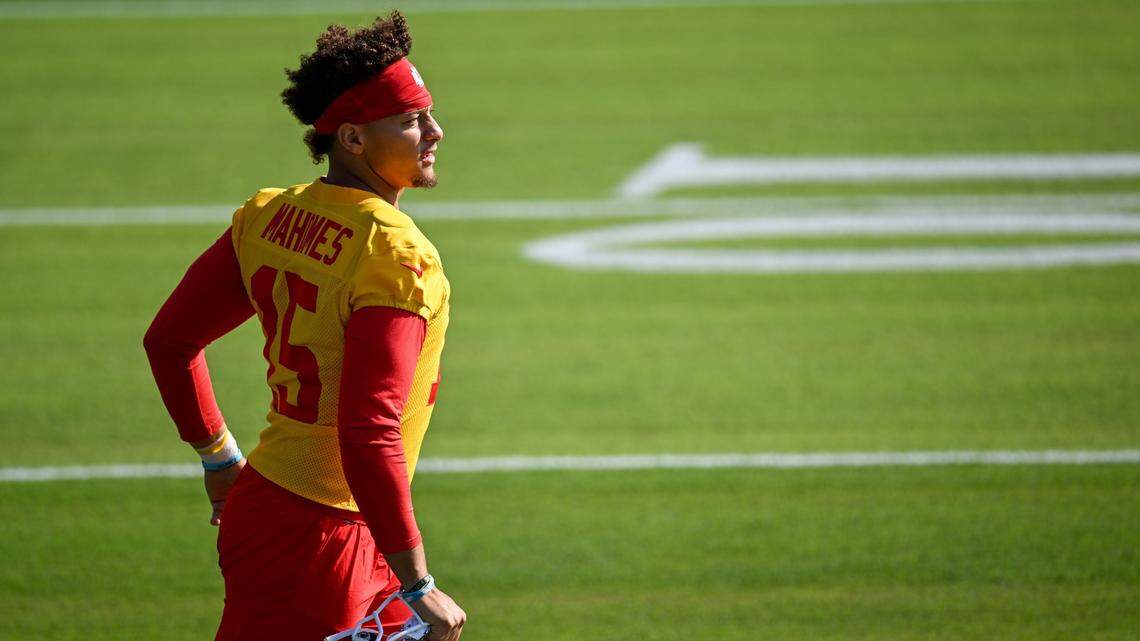
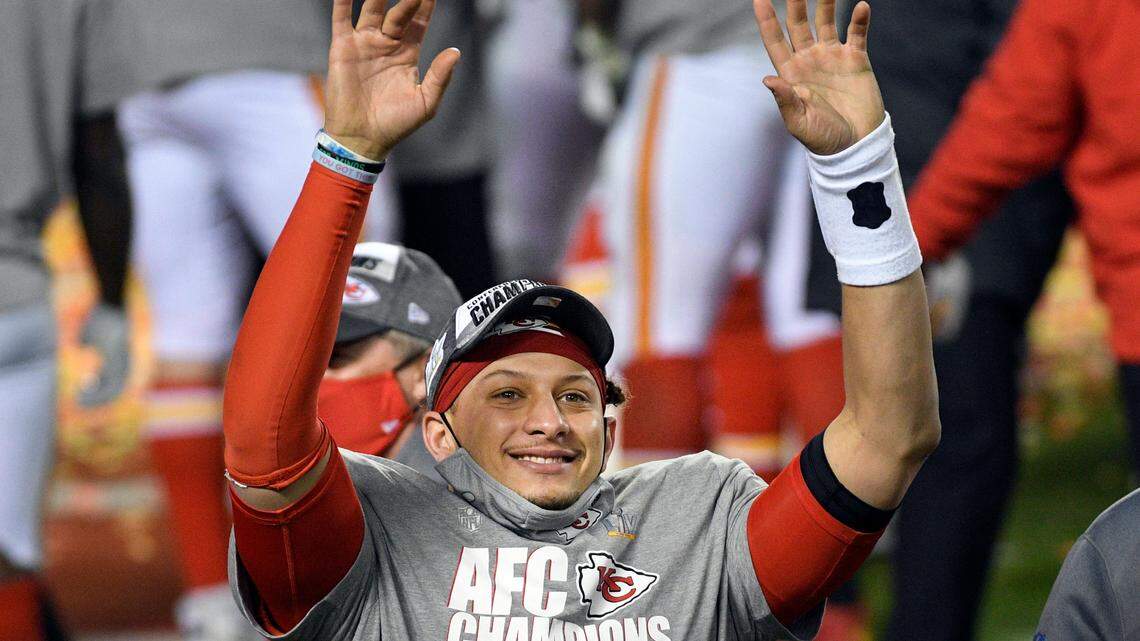
Then there’s the awe of sharing a locker room with Patrick Mahomes, an international icon even in a country where few follow the NFL.
“People in Nigeria don’t really know anything about football, right?” he said. “But they know Patrick Mahomes.”
Smiling even more broadly than he usually does, Oginni added that the most frequent message he gets from home is along the lines of, “Say hi to Patrick for us. When are you going to get a picture with Patrick?”
How long he’ll have a chance to do that, and more, is impossible to know when it comes to Oginni, who only spent a few days on the field with the Chiefs as he waited for some red tape to be reconciled.
“It felt good,” he said. “I’ve been waiting for that moment.”
One thing we can know, though: With his fortitude and gratitude, he’ll make an unforgettable impression on everyone who gets to know him. And anyone with a heart might hope he has many more breakthrough moments ahead in Kansas City.
“He is a kind, beautiful soul,” Pioli said. “Yet he has a strength about him. And I don’t mean just his physical strength; he has a strength about him and a steeliness about him that’s remarkable. …
“If he’s half the player that he is a person, he’ll make it in the NFL.”
This story was originally published July 20, 2022 at 5:00 AM with the headline "‘Unthinkable things’ drove Nigerian Kehinde Oginni to an inspiring chance with Chiefs."