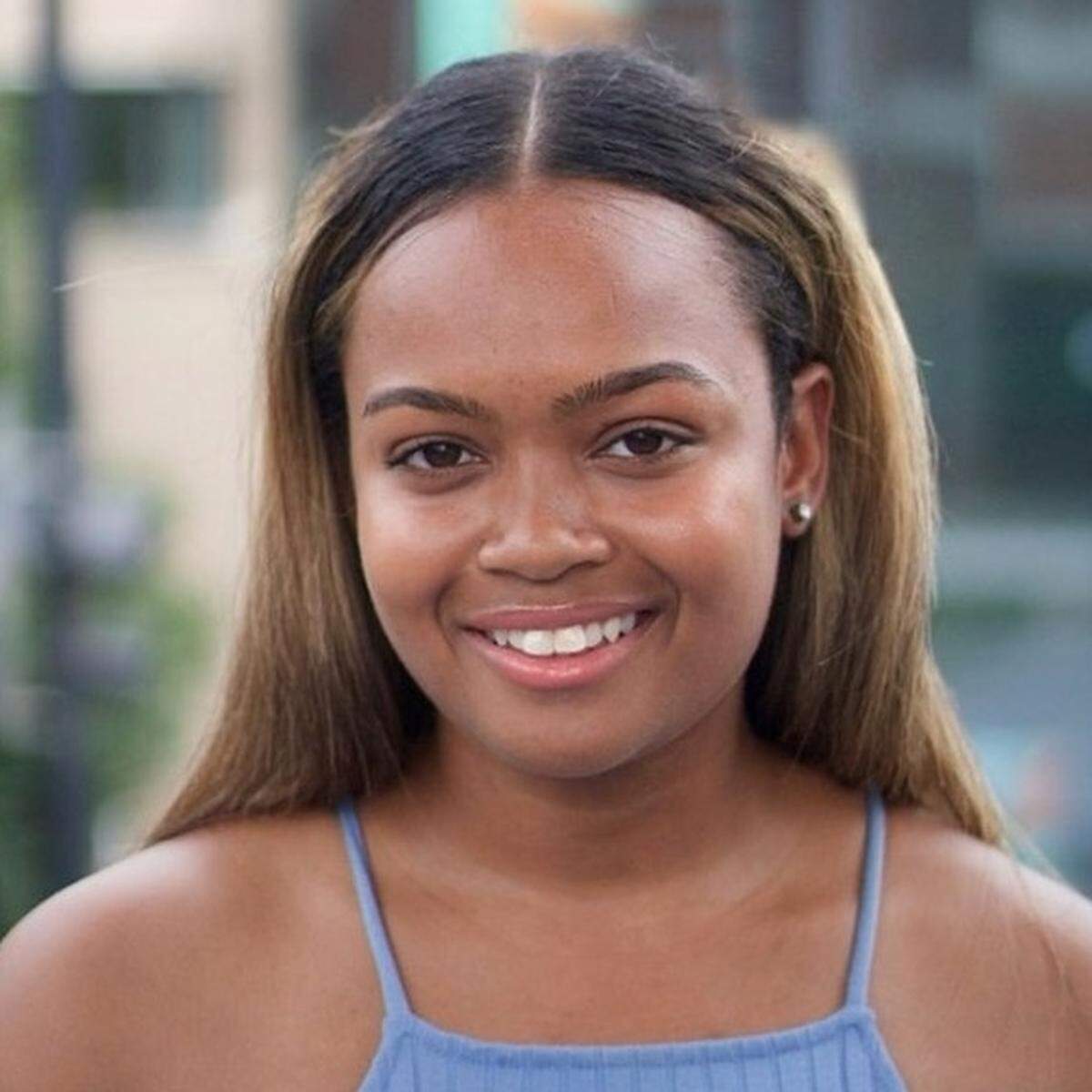
Mother Baltimore: 1917

This week marks 104 years since the East St. Louis race massacre. Between May 28 and July 2 of 1917, Black people were burned, beaten, shot and lynched by white mobs in the city. Properties of Black people were destroyed. According to at least one estimate, 100-200 Black lives were lost.
What was supposed to be a place of refuge that offered dreams of economic prosperity and opportunity for Black migrants from the South gradually transformed into a visceral nightmare from which East St. Louis has yet to be awakened. The city, congested with abandoned properties and deprived of necessary financial resources, has not recovered from the violence of 1917.
White people’s anger concerning Black economic and political progress inciting the East St. Louis massacre is something that stays with me, given the history of white retaliation to Black prosperity. Black people mobilizing for liberation during the the civil rights and Black power movements during the 1950’s, 60’s and 70’s was met with strict surveillance from the FBI, which led to the assassinations of respected leaders within those movements (i.e. Martin Luther King Jr and Fred Hampton). The election of the country’s first Black president, Barack Obama, resulted in an increase of racially-motivated hate crimes and an immediate shift to the presidency of Donald Trump, who has been supported by white supremacists.
So, when thinking about the race massacre of 1917, I think of how white supremacy operates directly against the success of Black people and the long-term effects of that. I think about the state of East St. Louis now and what it could’ve been had the community not been brutally attacked over 100 years ago. I think about the lives that were lost and the dreams that were abruptly taken away. I also think about this Toni Morrison quote, which touches on the root of this anger from white people that has wreaked havoc on Black communities for generations:
The comfort of being ‘naturally better than,’ of not having to struggle or demand civil treatment, is hard to give up. The confidence that you will not be watched in a department store, that you are the preferred customer in high-end restaurants — these social inflections, belonging to whiteness, are greedily relished. So scary are the consequences of a collapse of white privilege that many Americans have flocked to a political platform that supports and translates violence against the defenseless as strength. These people are not so much angry as terrified, with the kind of terror that makes knees tremble.
Have a story tip or just want to talk? Contact me at 618-239-2624 or dsutgrey@bnd.com. Since January, the BND has hosted listening sessions with Black residents in southwestern Illinois in an effort to improve our coverage of those communities. Our next one is on Tuesday, August 24 at 6 p.m. via Zoom. Click this link to RSVP.
Now, here’s the latest news in southwestern Illinois:
Fairview Heights probes officer’s use of force on Black teens. Alderman calls for change
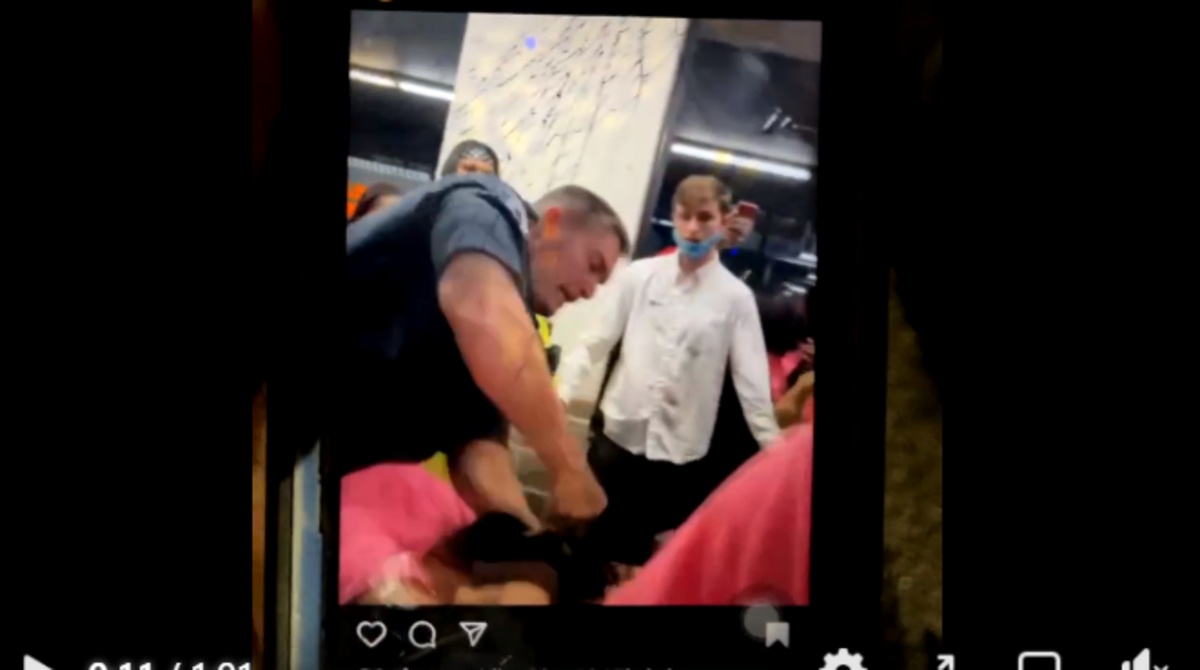
On Saturday night, a fight between two Black teenagers resulted in a Fairview Heights police officer using his fist to break up the altercation, inciting an uproar on social media and demands for the officer to resign. Reporter Kavahn Mansouri covered the issue and talked to Fairview Heights alderperson Ryan Vickers, who is calling for the officer’s suspension.
More on Fairview Heights
Fairview Heights man charged after pointing gun, demanding money
Man charged with sexually abusing handicapped woman at Fairview Heights nail salon
People in Cahokia Heights voted to dissolve a public water utility. What happens next?
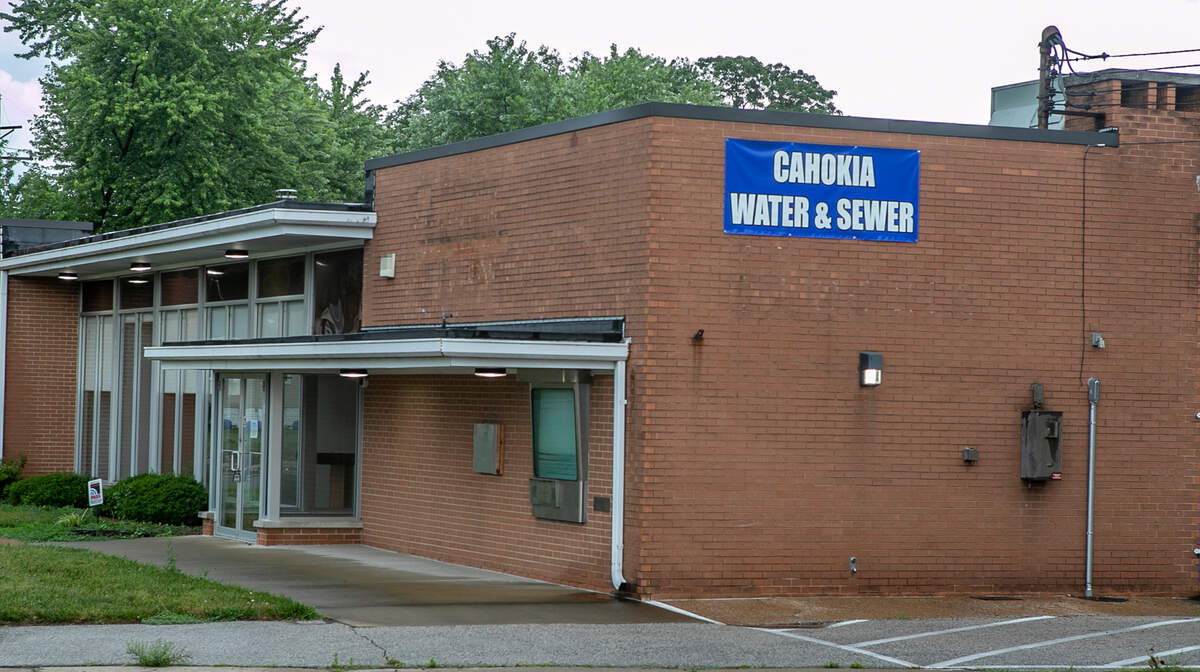
In this piece, BND reporter DeAsia Paige wrote about next steps for Commonfields of Cahokia Public Water District, which voters in Cahokia Heights approved to dissolve in April. Residents in the area have concerns about the district’s future, and city leaders want to assure them that the district will be eliminated soon.
More on Cahokia Heights
Some skeptical over Cahokia Heights mayor’s pledge that flooding will be fixed
Senators urge EPA to act in Cahokia Heights, citing possible Clean Water Act violation
Taking music lessons in East St. Louis led this artist to write for ‘Hannah Montana’
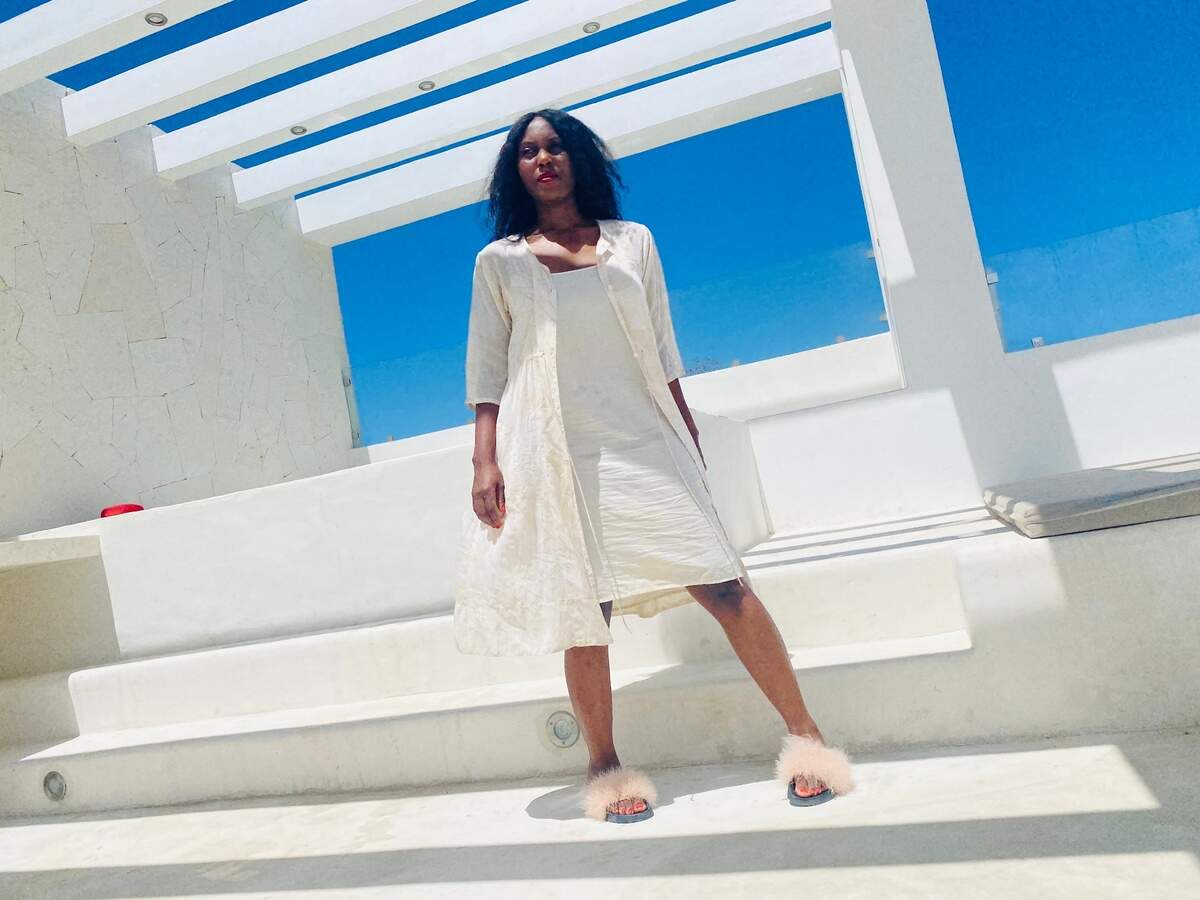
For the final installment of ESTL Voices (the BND’s Black Music Month series), reporter DeAsia Paige talked to Arama Mara, a singer, songwriter and tech entrepreneur about her career and her East St. Louis upbringing. The interview features anecdotes about Mara’s childhood, including her introduction to the arts in East St. Louis, and how the city shaped her multifaceted work in music and tech.
More on ESTL Voices:
East St. Louis formed this Grammy-nominated gospel singer’s love for music
This is the East St. Louis that shaped Miles Davis’ ‘cool’
What to do
This is a new section of Mother Baltimore that’ll highlight upcoming events in the metro-east that’s relevant to Black communities. If you have tips for events, send them to dsutgrey@bnd.com
Reparations Now- March for Justice
11 a.m. on Saturday, June 3 at East St. Louis City Hall; 301 Riverpark Dr. East St. Louis, IL 62201
Empire 13, an activist organization in the area, will host a march to bring awareness to the lives lost during the 1917 race massacre in East St. Louis.
Dedication Ceremony for Freedom Village Monument
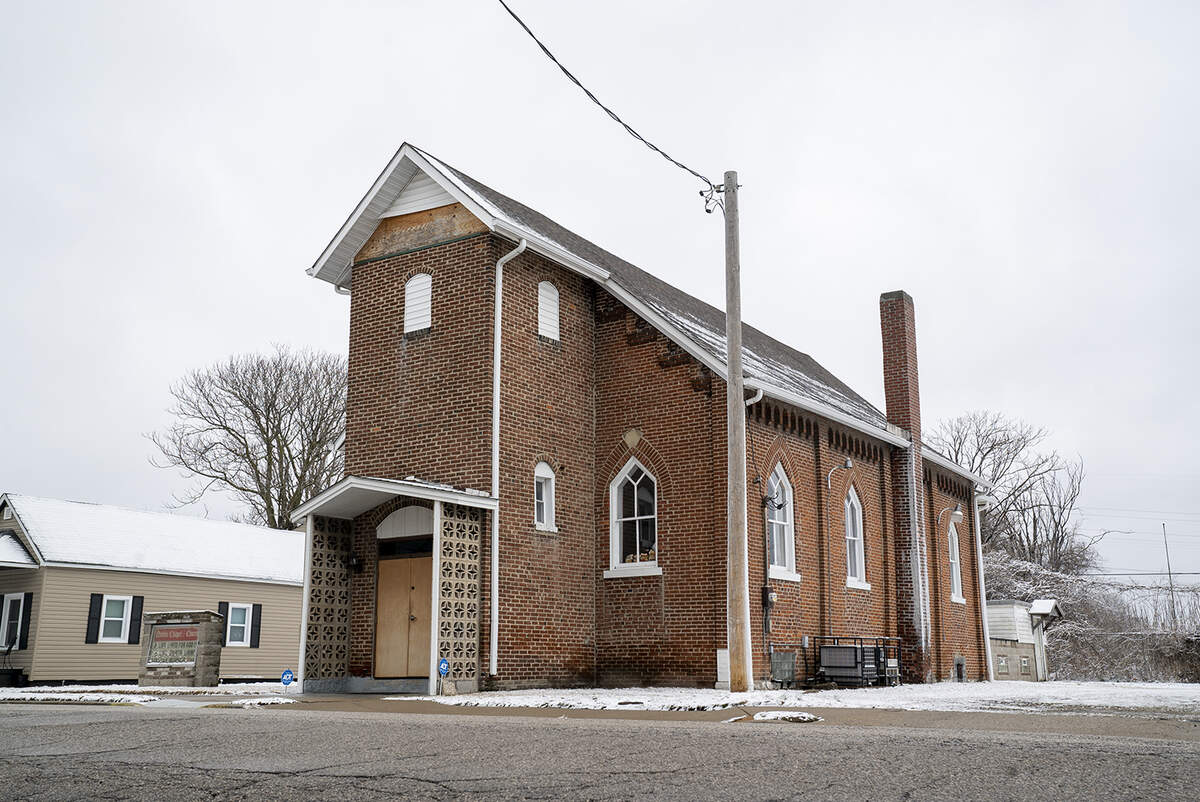
12 p.m. on Saturday, July 10 at Quinn Chapel A.M.E. Church; 108 N. 5th St. Brooklyn, IL 62059
The Historical Society of Brooklyn will host a dedication ceremony for a monument that honors the rich history of Brooklyn, Illinois, America’s oldest Black town.
Free Breast Health Services at SIUE’s WE CARE Clinic
Southern Illinois University-Edwardsville’s WE CARE Clinic, in partnership with Susan G. Komen of Missouri, is offering a variety of free breast health services to low-income, uninsured or underinsured women ages 40-64. For more information, call 618-482-6959.
What to watch
Summer of Soul
.jpg "87th Academy Awards -_Schu(6).jpg")
Summer of Soul, the directorial debut of Ahmir “Questlove” Thompson (above), is a documentary that revisits the 1969 Harlem Cultural Festival (aka Black Woodstock), a six-week-long series of music concerts that took place during the summer of 1969 in Harlem, New York, in an effort to celebrate Black music and culture. The film was released in theaters TODAY and is available to stream on Hulu.
What to read
‘Who would want their child to miss everything?’
Scalawag, a nonprofit magazine that highlights narratives focusing on liberation in the South, recently held its second annual Abolition Week, in which the publication dedicates a week of coverage to spotlighting incarcerated writers and their perspectives. In this Q&A, Scalawag’s Race and Place Editor Ko Bragg talks to a 19-year-old, who is five years into his 10-year sentence in Mississippi. He, who’s published under the pseudonym of JS, talks about what it has been like to serve an adult sentence:
I understand wrong is wrong, but when you actually lived your whole teenage years incarcerated it really makes you think that there’s no understanding with the system. Because who would want their child to miss everything that really matters at that early age? Some children might not be mentally ready for those situations that they have to adapt to, so I feel as if teens shouldn’t be charged as adults.
That’s all she wrote!
That completes this week’s edition of Mother Baltimore. I hope y’all enjoyed reading just as much as I enjoyed writing it. Talk to y’all in two weeks!
Did someone forward this newsletter to you? You can sign-up for Mother Baltimore here. If you’d prefer to unsubscribe from this newsletter, you can do so at any time using the “Unsubscribe” link at the bottom of this message.
This story was originally published July 2, 2021 at 12:40 PM.