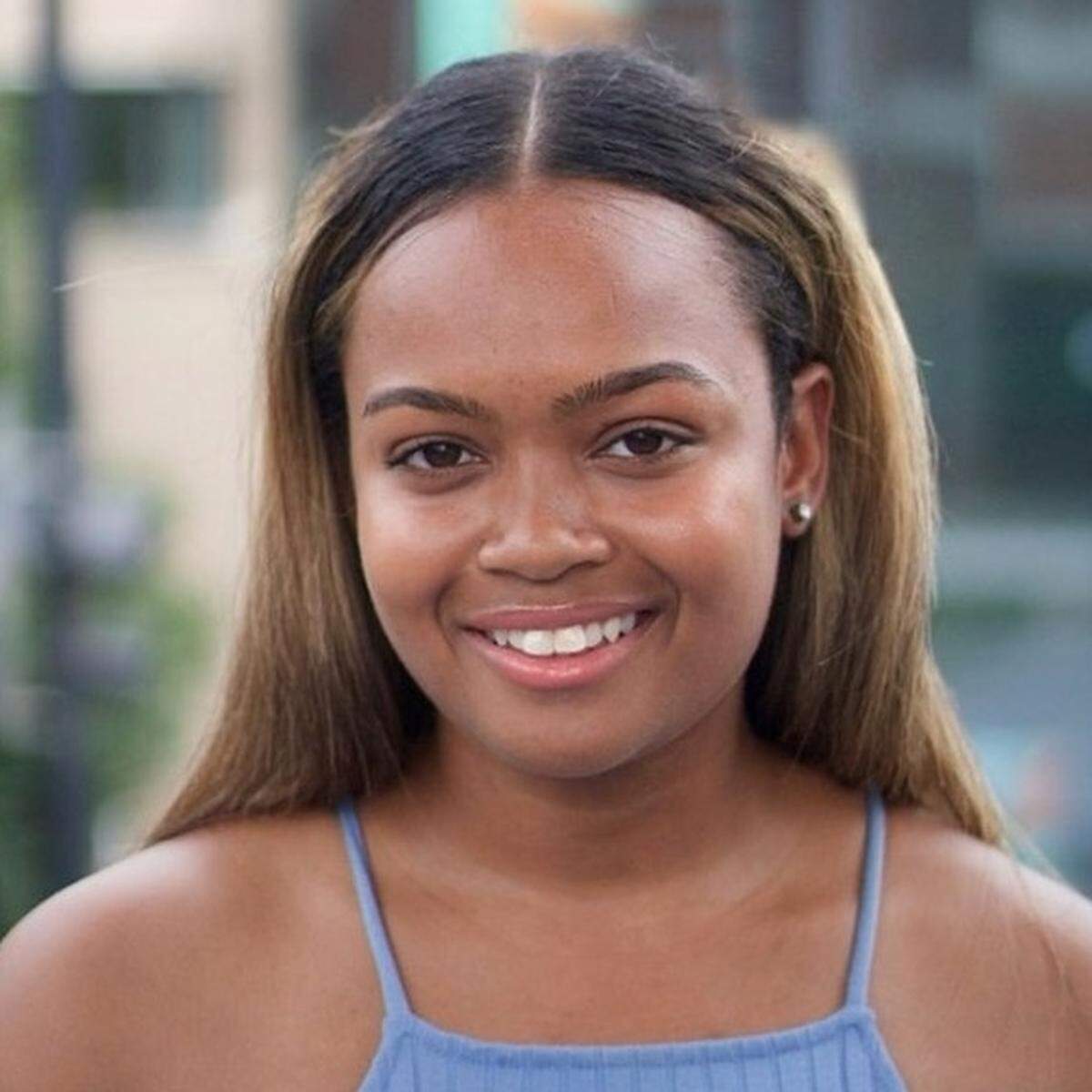
Mother Baltimore: Farewell
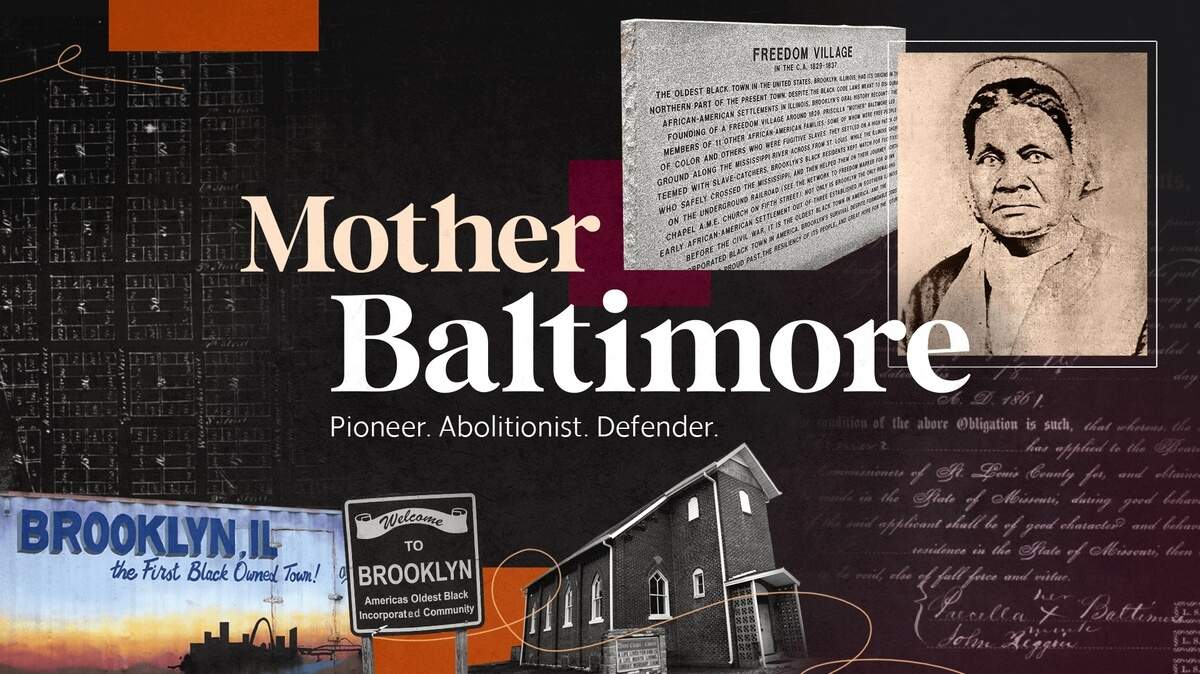

I really don’t know what to say. My eyes have been glued to this blank Google document for longer than I’m comfortable sharing with you all. I am fairly OK at hellos. Terrible with goodbyes. October 7 is my last day working for the Belleville News-Democrat. This is the final Mother Baltimore newsletter.
My expedition from Lawrence, Kansas, to working for the BND was anything but expected. I came to the paper via Report for America, a journalism fellowship that places early-to-mid-career reporters in newsrooms across the country. I sluggishly applied for the program at the end of 2019. I just wasn’t that interested. I wanted to do more arts and culture reporting. News wasn’t my passion. But I knew I needed secondary options for what I’d be doing after I graduated college. That lesson never seemed more relevant to me than it did during the spring of 2020—the early stages of the COVID-19 pandemic.
Internships that I wanted were canceled. So was my graduation. But Report for America remained an option. And I was selected to be a part of the 2020-2021 cohort. The BND wasn’t on my list of preferred newsrooms to join for the fellowship, but, after an adviser suggested the paper to me, it gradually sounded like the right choice. So I interviewed, and I got the job. I was ready to tackle coverage of East St. Louis and other Black communities in the metro-east, an area I’d never visited before. However, I was more elated that I even had a job during such a scary time.
The early days of my beat were charmingly frenetic. I barely knew what I was doing. I was in an entirely new beat for the newsroom and trying to adapt to a new city during a pandemic. But my nerves subsided the more I talked to Black residents in my coverage area and heard how earnestly they wanted their stories to be told. And in a fair way. For the past two years, I’ve tried to accomplish that feat. Writing stories about and for the community became my mission, and it’s been a pleasure documenting residents’ overlooked experiences. I learned a lot about my strengths and weaknesses throughout my time here, but my most valuable lesson was understanding that contrary to what previous racist media reports shared, East St. Louis is filled with residents who are proud to be there, and they’re actively providing solutions to the challenges they face. Because, after all, it is the “City of Champions.”
Obviously, the previous four paragraphs don’t thoroughly encapsulate my time at the BND. I’m fairly OK at hellos. Terrible with goodbyes. I do want you all to know that despite my departure, the BND is still dedicated to telling the stories of Black people in the metro-east. If you have a story tip, please send it to newsroom@bnd.com.
And as for me, feel free to keep in touch via my personal email: paige.deasia@gmail.com. At the end of next month, I’ll be starting a new role as a culture reporter for The Atlanta Journal-Constitution. Thanks so much for supporting this newsletter for the past year. What started as a new initiative turned into one of the highlights of my job.
Well, I’ve run out of things to say. My mind is currently bookended between today’s rigid to-do list and tomorrow’s uncertainty. I’m fairly OK at hellos. Terrible with goodbyes.
Now, here are the stories that I was most proud to work on during my time at the BND:
East St. Louis has a rich musical history. It deserves to be celebrated
In 2020, for Black Music Month, which is celebrated annually in June, I decided to start an overly-ambitious month-long project that highlighted East St. Louis’ various contributions to pop culture. Throughout the month, I wrote about the significance of East St. Louis and its connection to legendary artists like Miles Davis, Tina Turner and Chuck Berry. I also talked to current singers, dancers and songwriters about how East St. Louis shaped their art.
More on the Black Music Month project on East St. Louis:
How an East St. Louis native became one of music’s most popular hitmakers
This is the East St. Louis that shaped Miles Davis’ ‘cool’
East St. Louis formed this Grammy-nominated singer’s love for music
How a high school student in East St. Louis turned TikTok success into a rap career
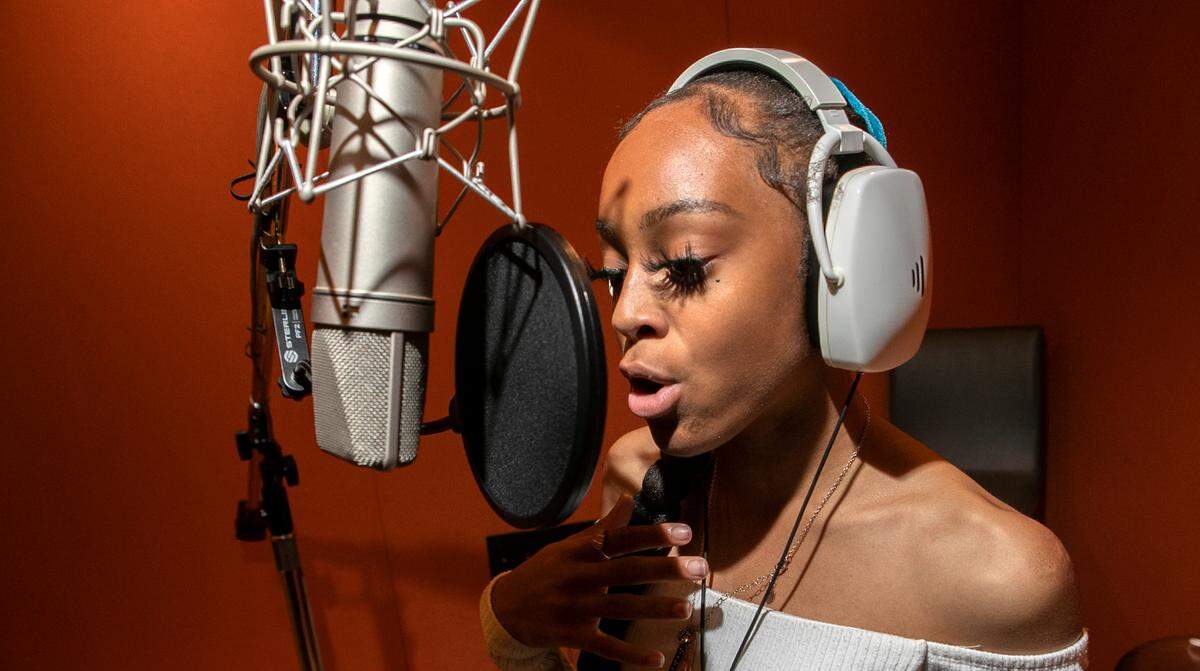
Last fall, I talked to Jaiimoni Starr, a rising talent in East St. Louis who went viral on TikTok for rapping a freestyle. The teen’s love for the arts started at a local church where she’d regularly sing and dance during Sunday services. She hopes that her young age and work ethic will help yield long-term success in the rap industry
More on arts and culture in the metro-east:
The music? Bold. The crowd? Huge. This East St. Louis venue empowers Black musicians
Belleville rapper vows to ‘take the city with him’ ahead of St. Louis pop-up for new EP
How East St. Louis churches are supporting families who can’t access remote learning
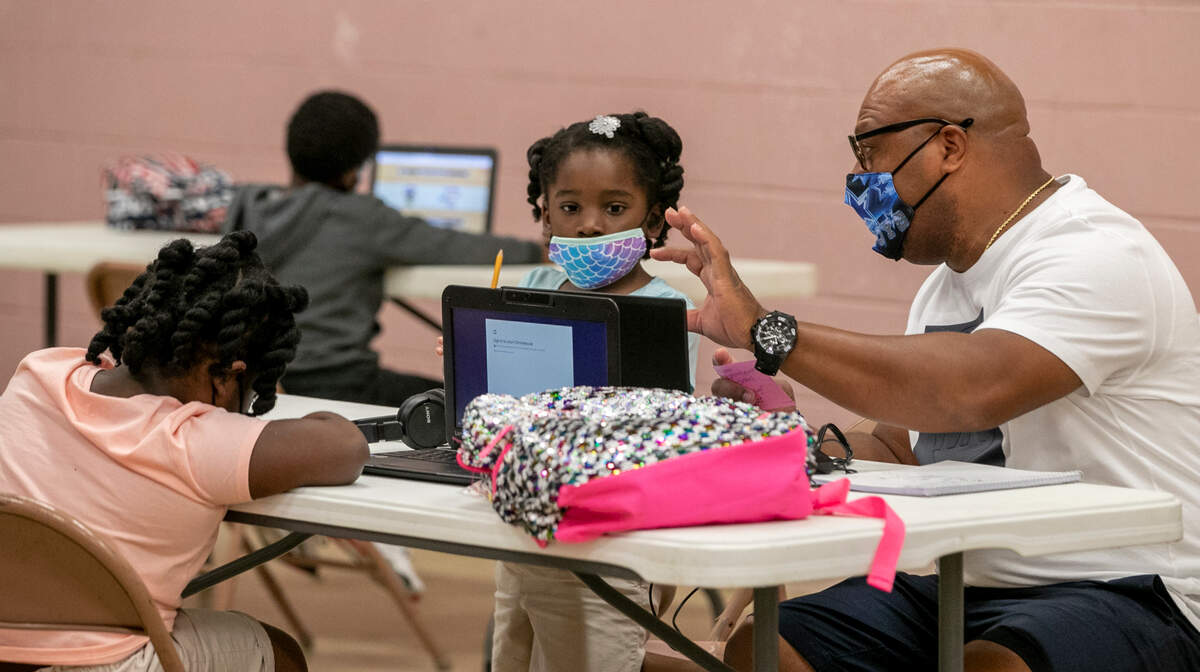
Many families across the country struggled to engage their children in remote learning during the height of the pandemic. For Black cities like East St. Louis, those problems were exacerbated by being in a community that already had scarce resources. I wrote about how churches in the area stepped in to fill the gap.
More on churches in East St. Louis:
East St. Louis church ordains two women as clergy for first time in its long history
East St. Louis moms couldn’t pay bond for Mother’s Day, so churches paid it for them
What to do
This section of Mother Baltimore highlights upcoming events in the metro-east that are relevant to Black communities. If you have tips for events, send them to dsutgrey@bnd.com
East St. Louis NAACP Freedom Fund Banquet
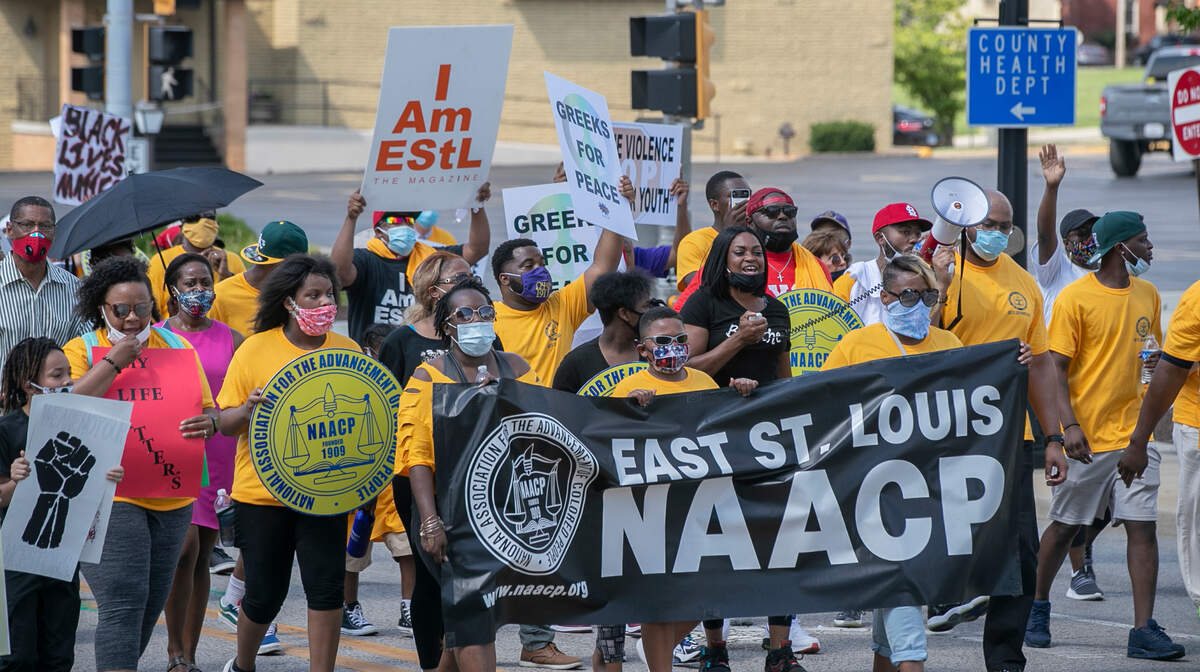
Sunday, Oct 9 at 5 p.m. at Marriott St. Louis Grand Hotel
The 68th annual East St. Louis NAACP Freedom Fund Banquet will be hosted by legendary television host and commentator Roland Martin. Martin will also be the keynote speaker for the event. The theme for this year’s banquet is “This is Power: Illuminating Justice by Blazing an Equitable Path.” Sunday’s event will highlight the efforts of those trying to improve the East St. Louis community. Tickets for the event start at $100 and can be purchased here.
What to watch
‘Katrina Babies’
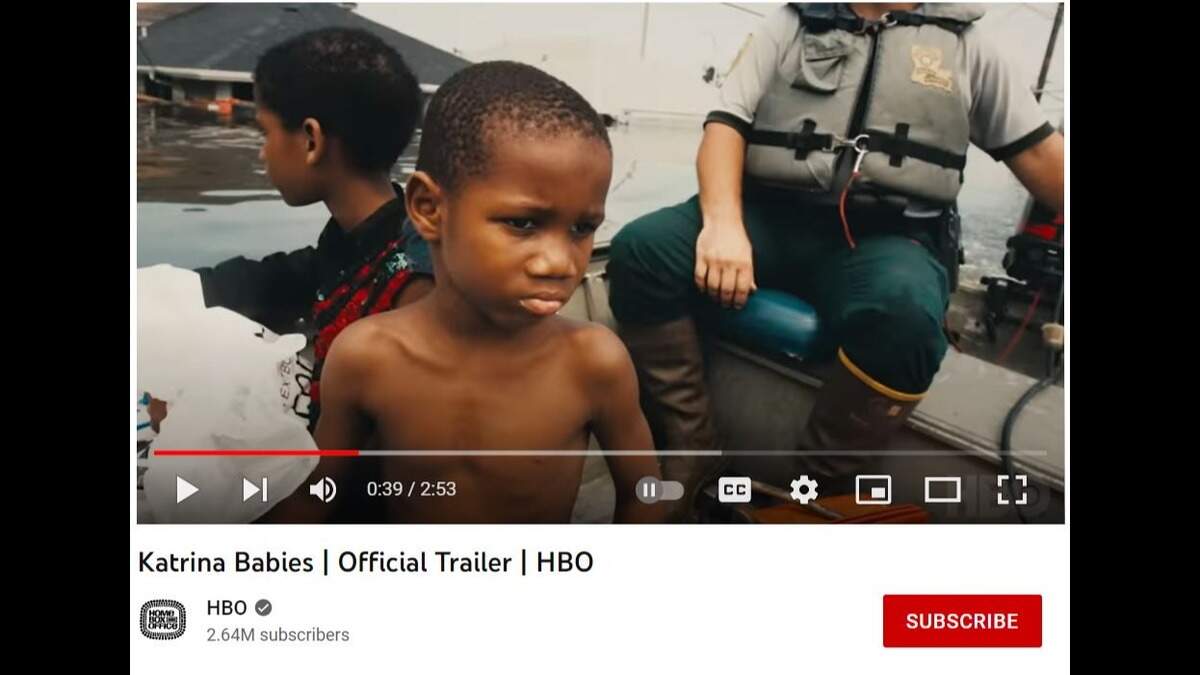
In this intimate documentary, New Orleans native Edward Buckles, Jr. provides a crucial look at those who survived Hurricane Katrina as a child and how the climate disaster affected them and their families. “Katrina Babies” prioritizes the pain and experiences of Black youth in the aftermath of one of the most devastating events in recent history. The documentary makes one point clear— the impact of natural disasters traverses well beyond its relationship with the environment. It destroys lives. Obliterates families. Induces trauma. And “Katrina Babies,” which is available for streaming on HBO Max, highlights the overlooked stories of Hurricane Katrina’s most vulnerable victims.
What to read
Black COVID long-haulers felt invisible to the health care system, so they formed their own support groups
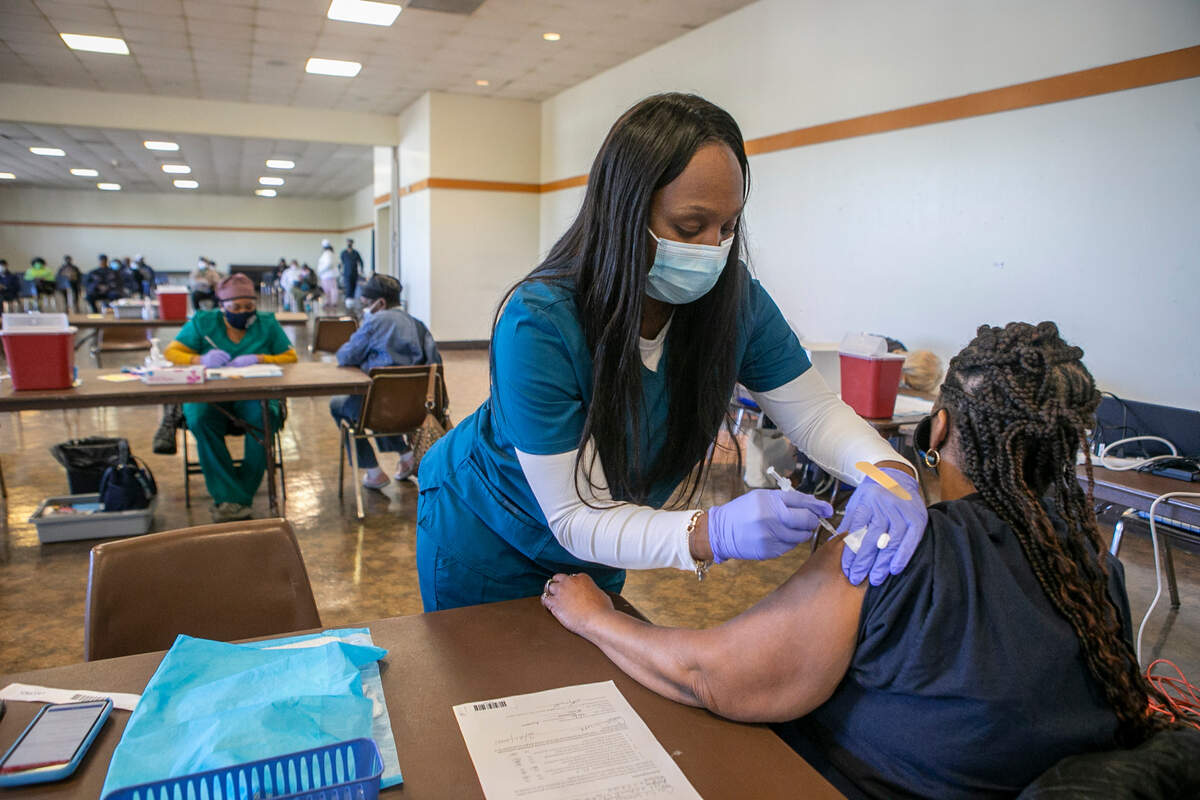
For NBC BLK, reporters Char Adams and Claretta Bellamy documented the various collaborative support groups led by Black women aiming to ensure COVID long-haulers have resources. They want people, especially those of color, dealing with long-term symptoms of COVID-19 to know that they aren’t alone. Several women featured in the article expressed how their long covid symptoms were untreated and overlooked by doctors. For example, Chimére L. Smith said doctors labeled her as aggressive when she tried to seek care for her symptoms, which included diarrhea, dry mouth and losing vision in her left eye.
I would come in with notes of my symptoms and share these symptoms with these doctors and they would not hear me. They wouldn’t listen to me. They would treat me as if I was a child and I didn’t know my body. I wanted to die because I could not eat. I could hardly drink. I couldn’t think. Everything that I knew about my life within those first two or three months had been destroyed.
That’s all she wrote!
Thanks so much for supporting this newsletter for the past year.
Did someone forward this newsletter to you? You can sign-up for Mother Baltimore here. If you’d prefer to unsubscribe from this newsletter, you can do so at any time using the “Unsubscribe” link at the bottom of this message.
Want to learn more about the origin of Mother Baltimore? Click here.
This story was originally published September 30, 2022 at 12:11 PM.