Cahokia Heights mayor vows to use COVID-19 relief funds to fix flooding, sewer issues
READ MORE
More coverage on flooding in Cahokia Heights
Expand All
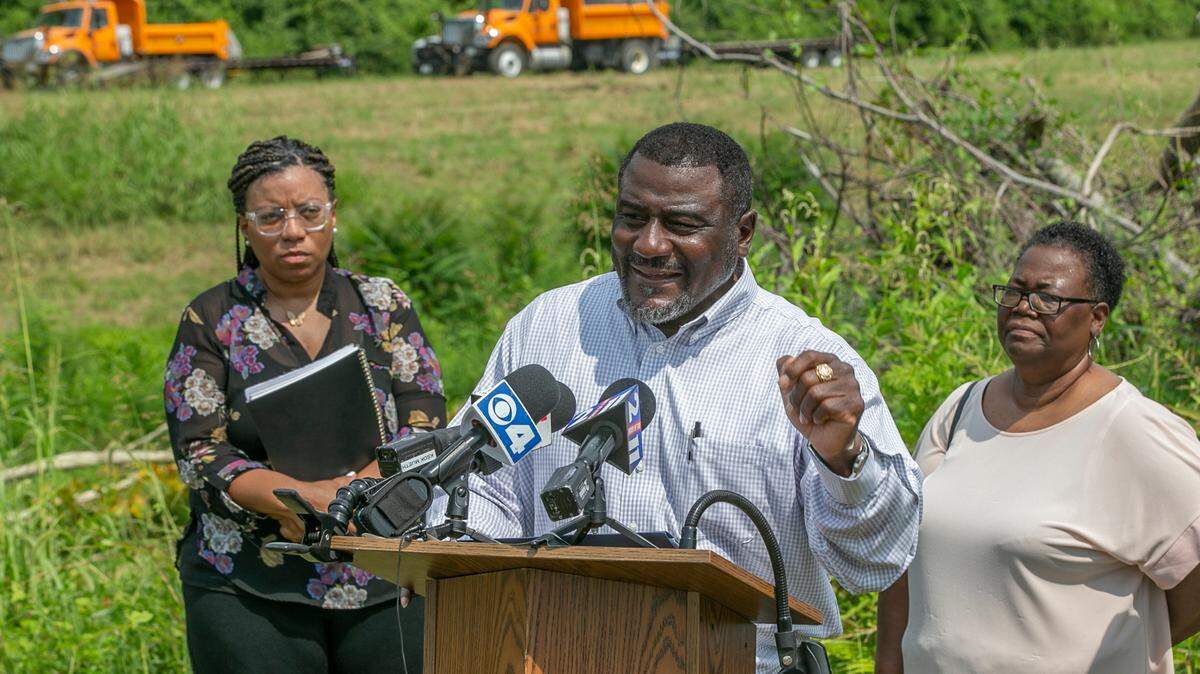
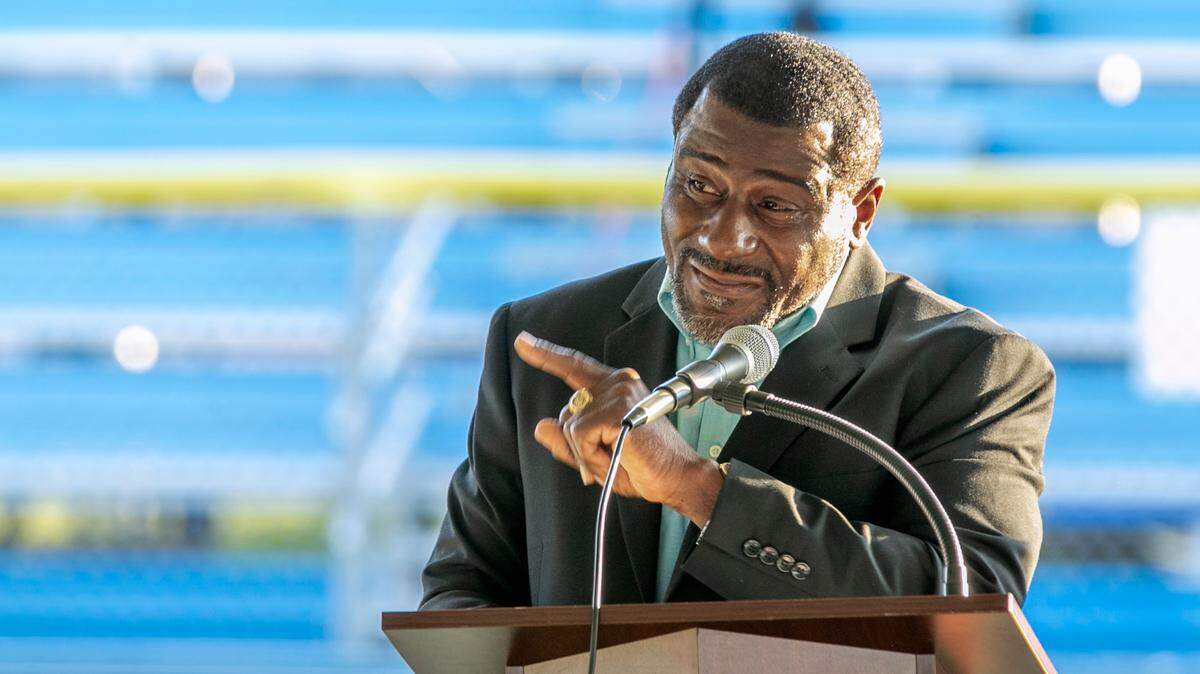
Cahokia Heights will use all of its American Rescue Plan Act funds - nearly $2.8 million - toward reducing flooding issues in the city, Mayor Curtis McCall Sr. said Thursday.
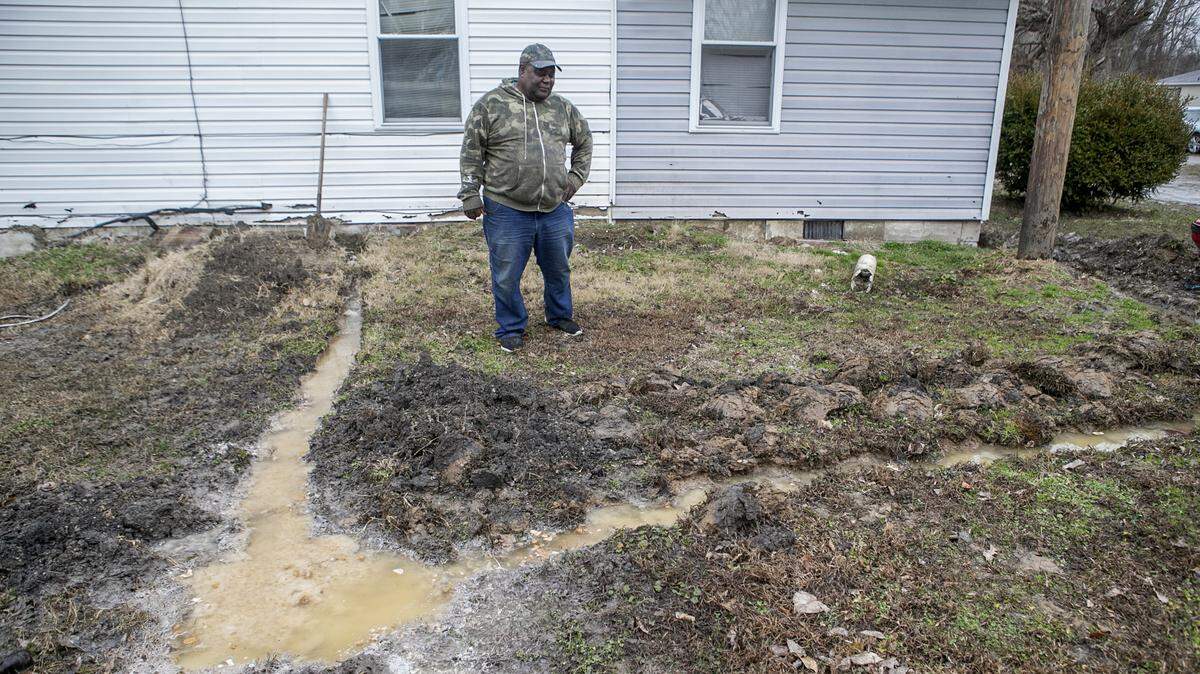
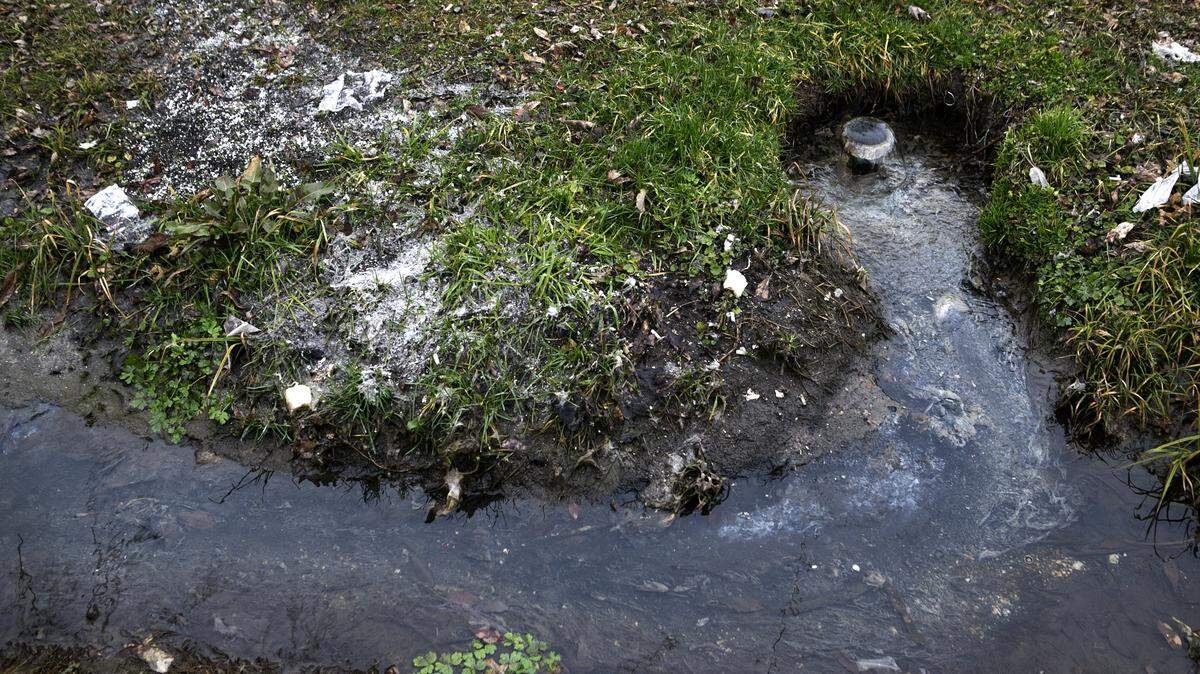
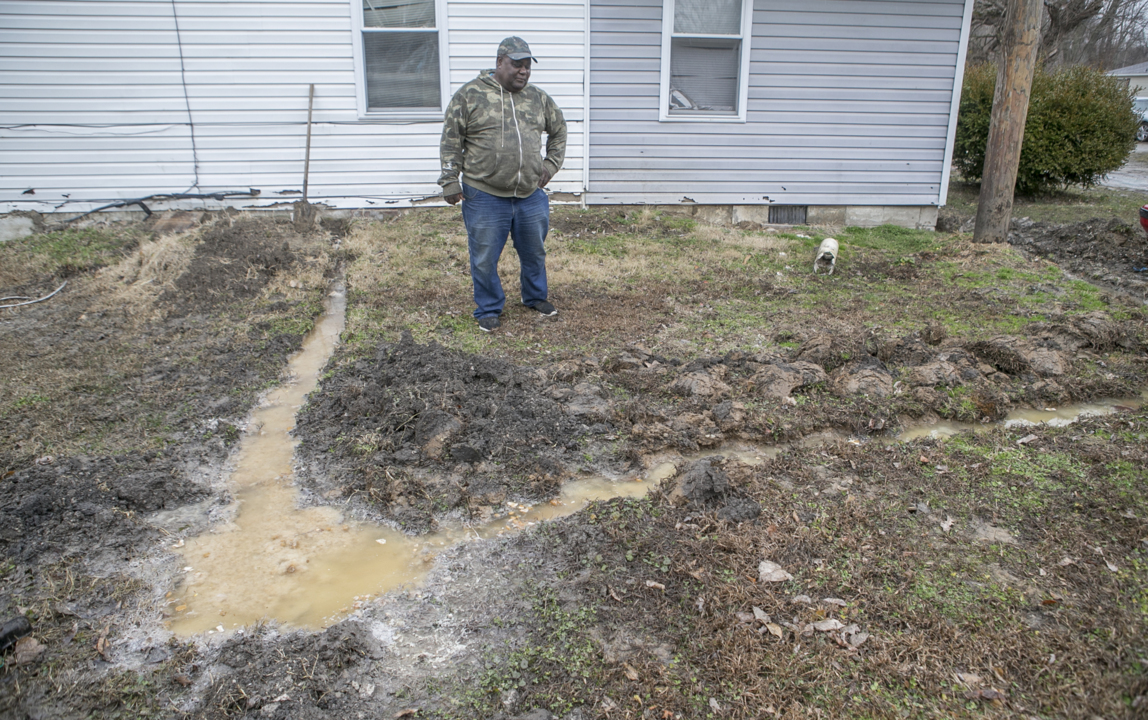
“We believe that this issue here has plagued our citizens for many, many years,” McCall said about the flooding issues. “Not just 20 years or 30 years, but over a half of a century. Many of you may know that some of our residents are unable to allow their children to walk outside their backyard due to the fact that they are afraid to step in feces. ...Many of our residents often have sewage backing up in their basement.”
The press conference was McCall’s first since he was sworn in as mayor of the new city in May. Cahokia Heights is the result of a merger of Alorton, Centreville and Cahokia, which voters approved in November. The merger became official when the town’s first elected officials were sworn in on May 6.
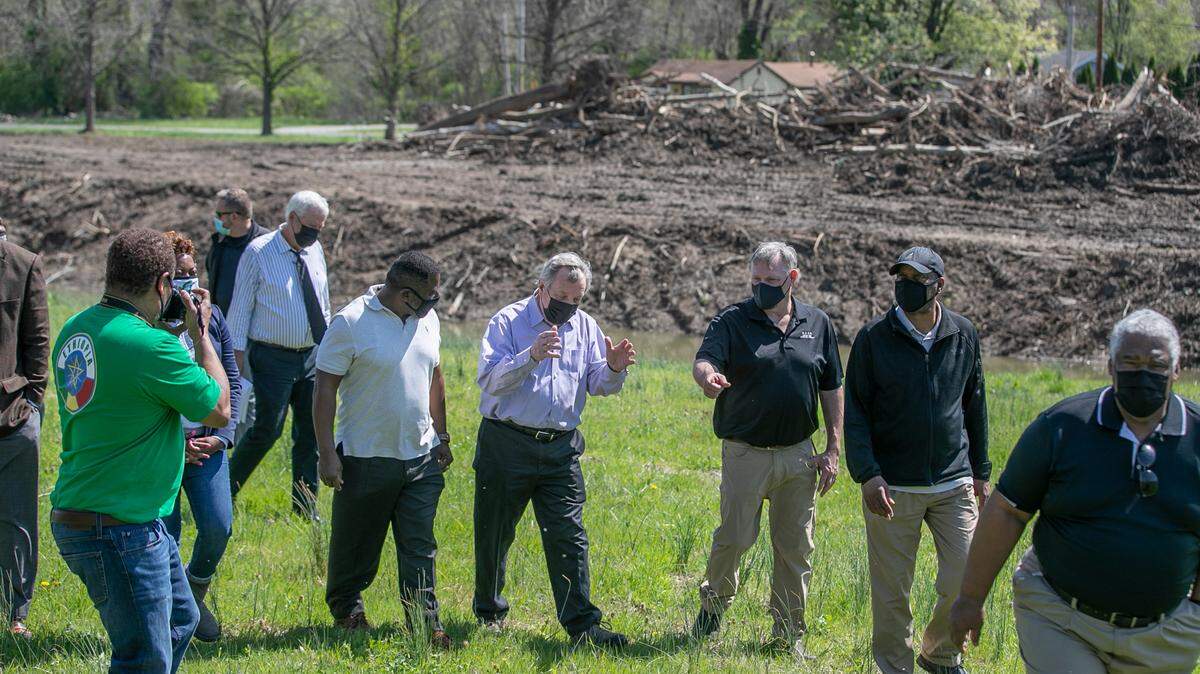
The mayor was joined at the press conference by Deputy Mayor Demario Helm and Board of Aldermen members Demario Weeden, Sheree Jethroe-Franklin and Tiffany Pearce.
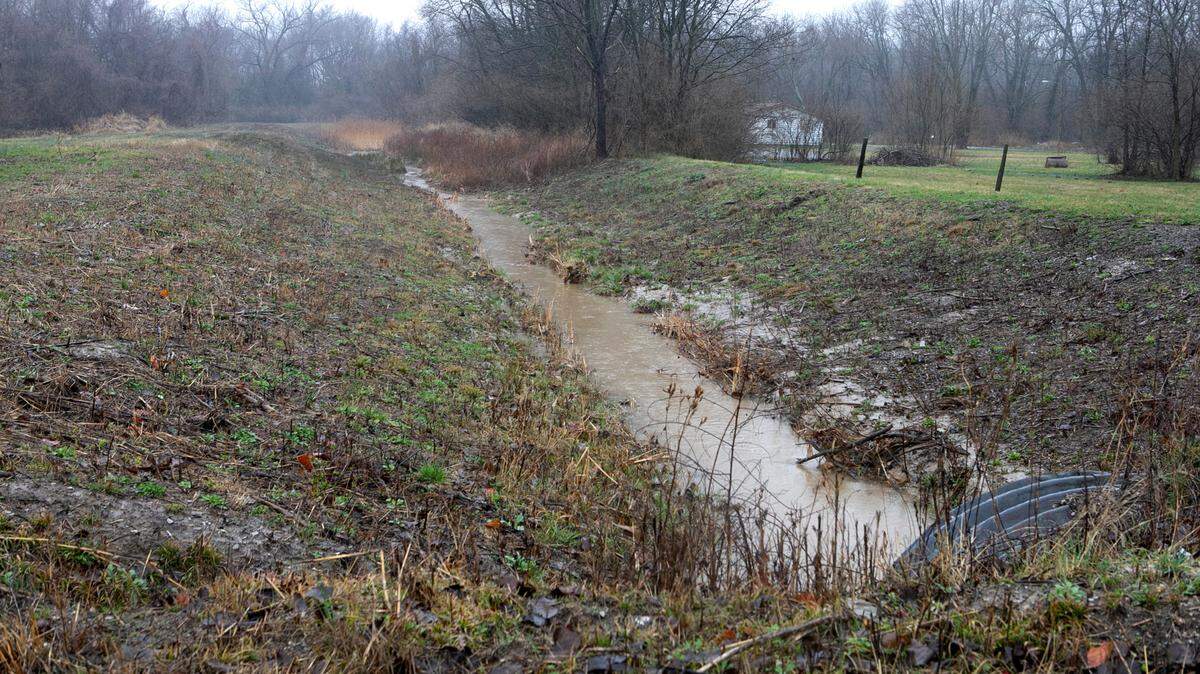
The event took place at the Harding Ditch, which contributes to the area’s flooding. During the conference, the Illinois Department of Transportation and the Metro-East Sanitary District were making repairs to the ditch.
McCall said the city received nearly $2.8 million from the American Rescue Plan Act, which was signed into law by President Biden in March. Communities are permitted to use the money in a variety of ways, including investing in water and sewer infrastructure.
McCall said the city plans to start spending the money at the end of next month.
The announcement was made in response to Cahokia Heights not receiving a roughly $22 million grant from the Federal Emergency Management Agency to help alleviate the area’s flooding and sewage issues.
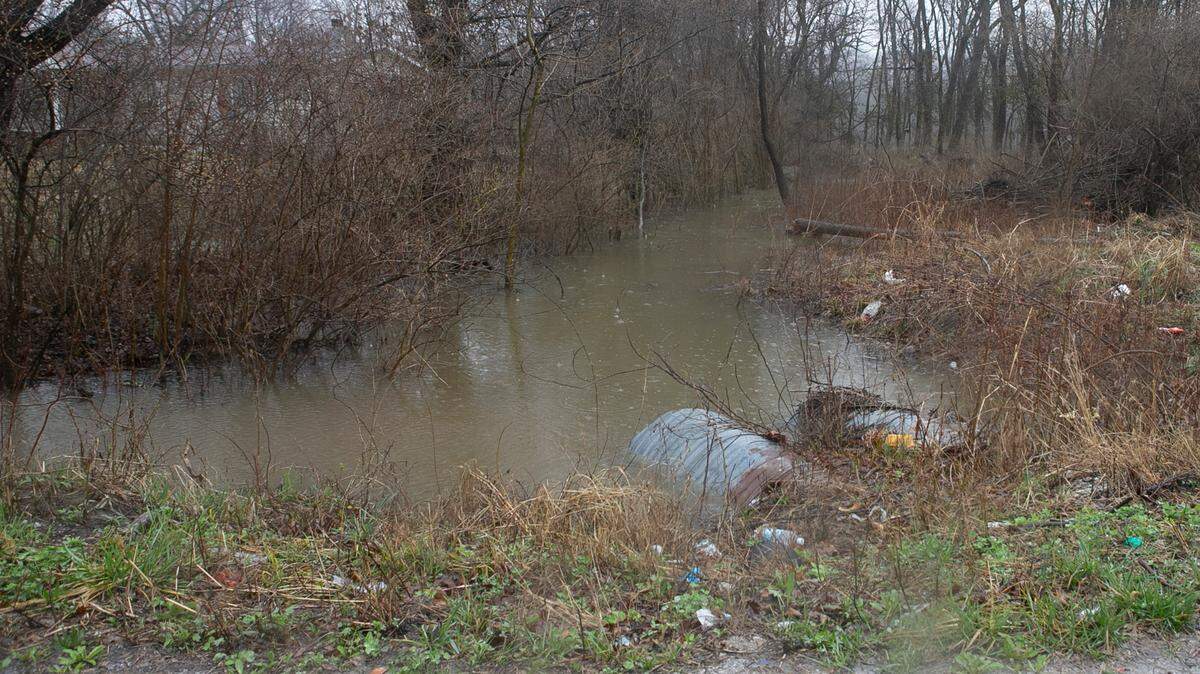
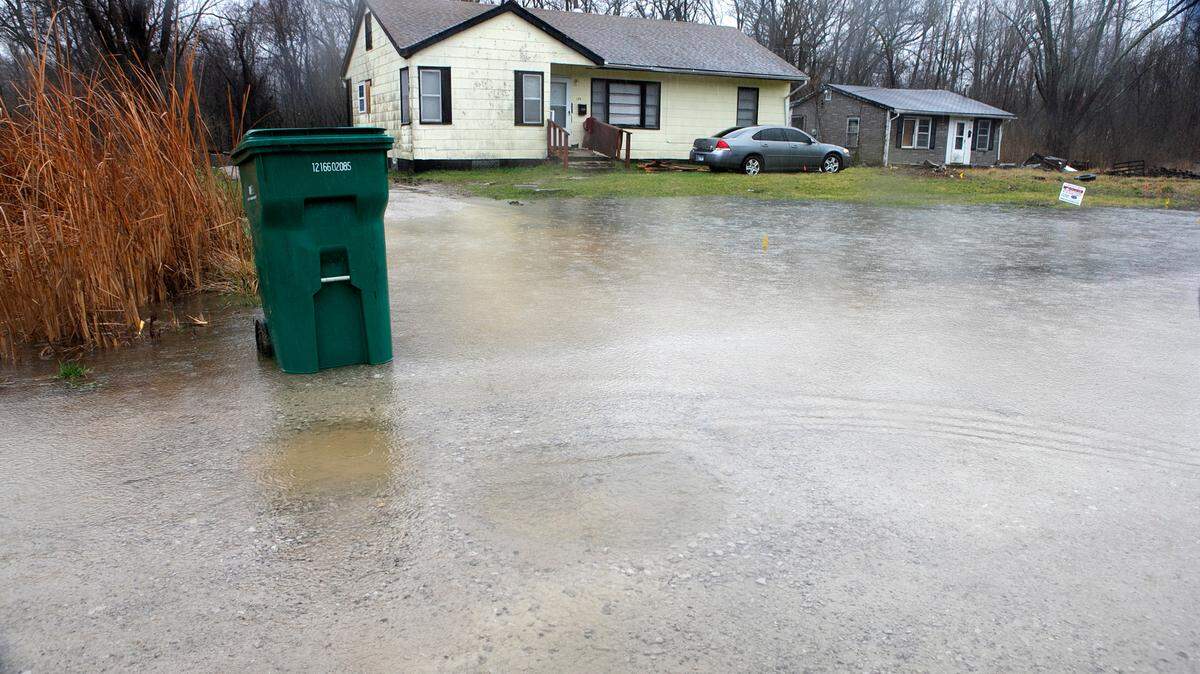
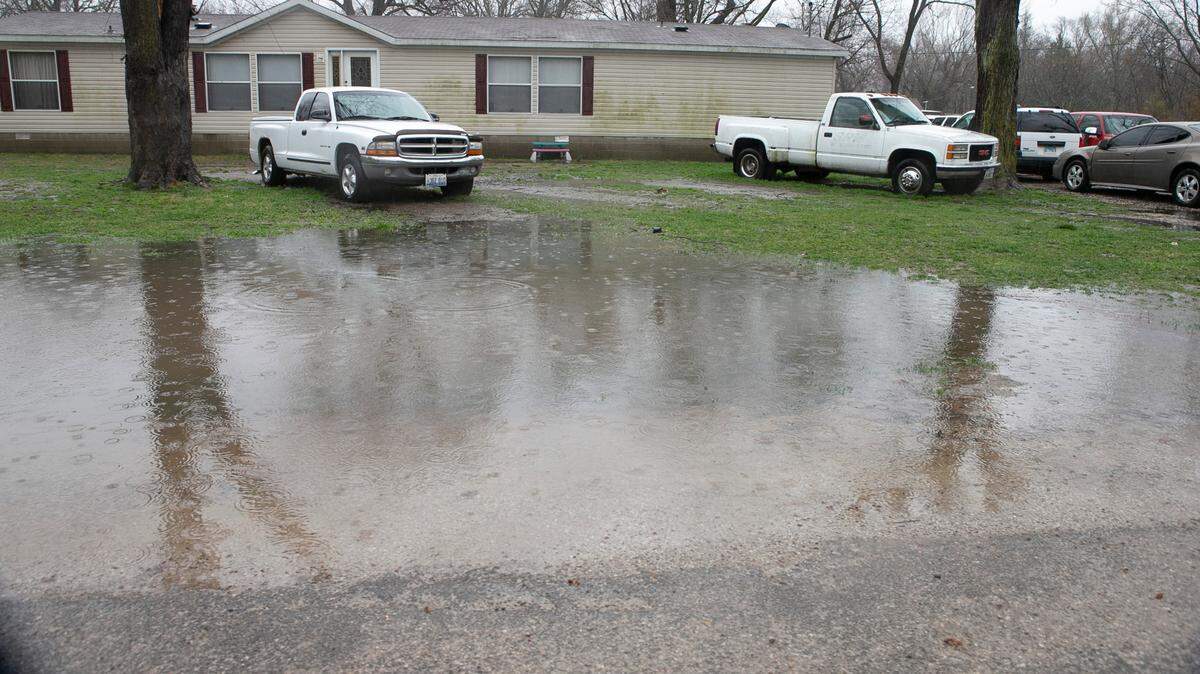
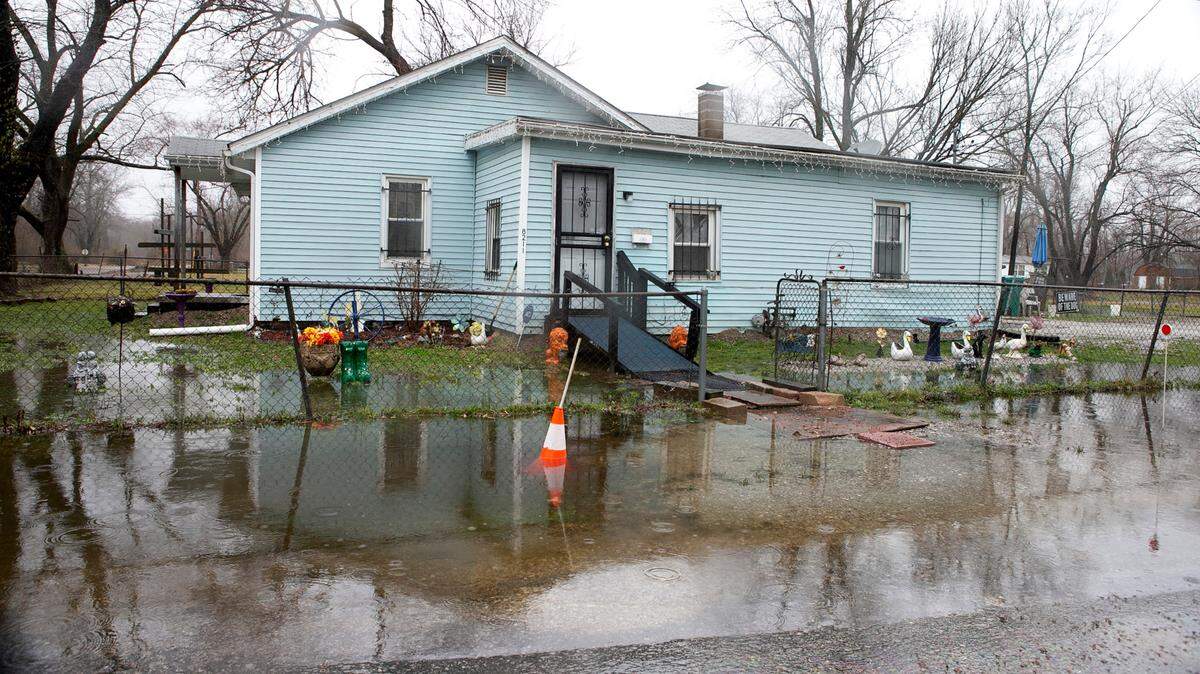
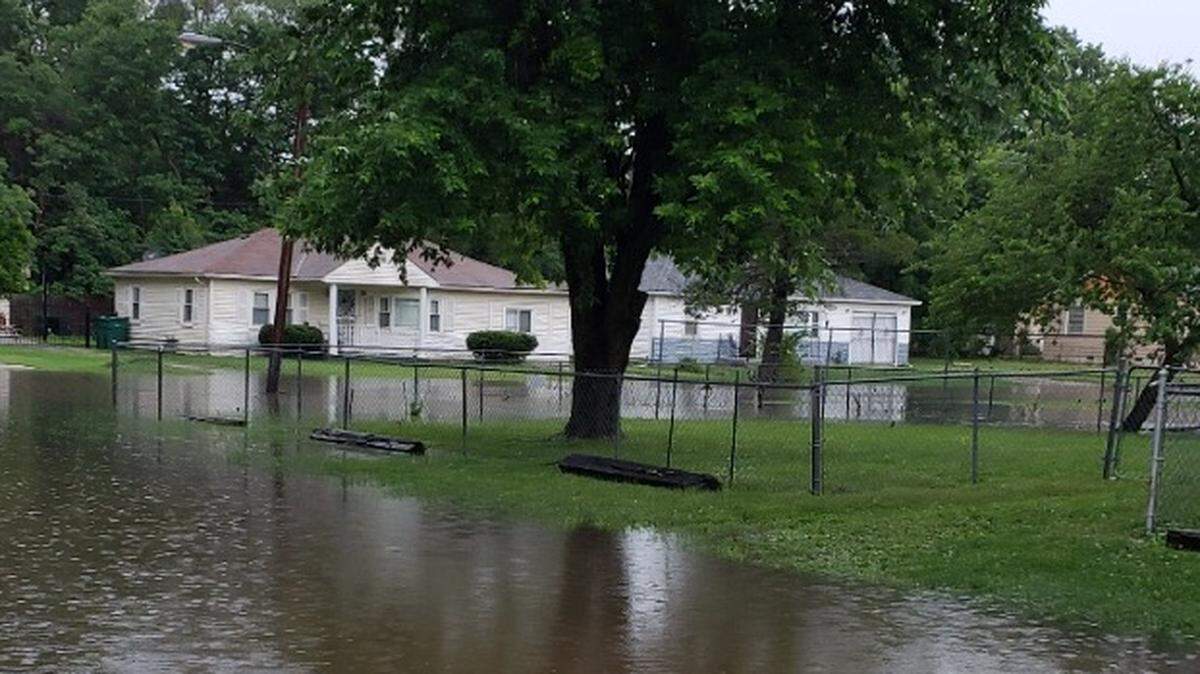
For years, residents in the north Centreville area, now part of Cahokia Heights, have faced extensive flooding when there’s a heavy rainfall. Sewage has spilled into yards and damaged homes. Over the years, residents have had little help from local government.
Local officials blame the problems on the area’s aging infrastructure. They’ve said they have not had enough funds to pay to fix the problems.
Earlier this year, before the merger, Alorton, Centreville and Cahokia applied for the FEMA grant, but were informed this month that they were not selected. The grant is a part of a FEMA program titled BRIC, or Building Resilient Infrastructure for Communities. It is designed to help states, tribes, local communities and territories reduce the risk of natural disasters and hazards, such as flooding.
Jim Nold, senior project manager for Hurst-Rosche, Inc, also spoke during Thursday’s press conference. Hurst-Rosche, Inc. is an engineering firm that helped the three towns apply for the grant.
“The entire system of Cahokia Heights consists of over 70 pump stations needing repair or replacement, 13 miles of repairs to existing sewer lines and eight miles of new sewer to be constructed to put the system back in good working order,” Nold said. “The community and the communities before them have tried to keep things going by making spot repairs every year as limited funds allow.”
Nold said Cahokia, Alorton and Centreville have spent about $300,000 a year to make spot repairs, but that the money isn’t enough to completely fix the problem, which is why they applied for the $22 million grant.
Because the city wasn’t awarded the grant, McCall is asking state and federal leaders for the remaining $19 million they say is needed to reduce the flooding issues, in addition to the American Rescue Plan money. McCall said he plans to add $200,000 of the city’s own money to the American Rescue Plan funds in order to reach $3 million.
“I believe that we will find a solution to this problem,” McCall said
Is funding enough?
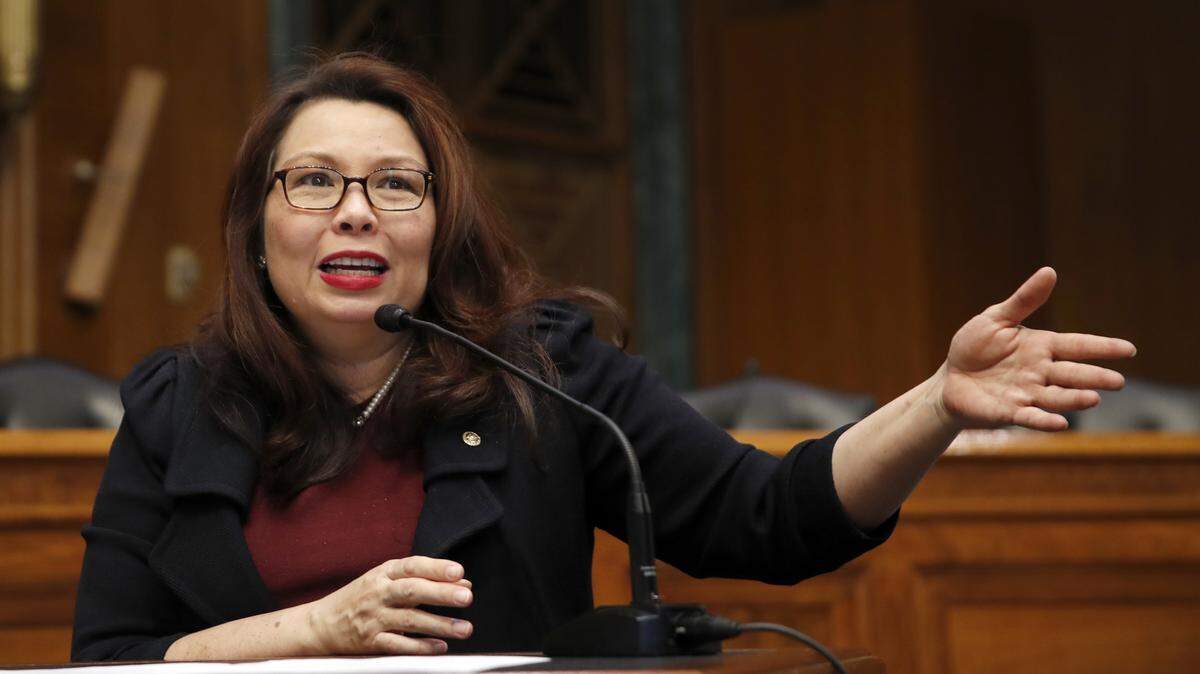
U.S. Sens. Tammy Duckworth and Dick Durbin, both Illinois Democrats, supported the application for the FEMA money.
Duckworth said in a statement she is disappointed that Cahokia Heights did not receive the grant.
“While this isn’t the result we hoped for, this was just one source of funding for the area,” Duckworth said. “I’ll keep working with state and local leaders to help bring federal funding to the residents of Cahokia Heights who have lived for far too long with a public health crisis in their backyard.”
Duckworth said she expects to receive feedback on the grant application that can be taken into consideration for other funding opportunities.
In a statement, Durbin also expressed his disappointment.
“I will continue to pursue federal solutions to the longstanding sewage and flooding issues Cahokia Heights face, “ he said. “This is not the end of our work to assist residents in need.”
The senators’ offices have not identified specific sources they plan to pursue for future funding.
Centreville Citizens for Change is a grassroots group of residents who’ve heavily advocated for fixing the flooding issues. They’re represented as plaintiffs in two lawsuits that have been filed against local governments and officials, demanding that the problems be fixed.
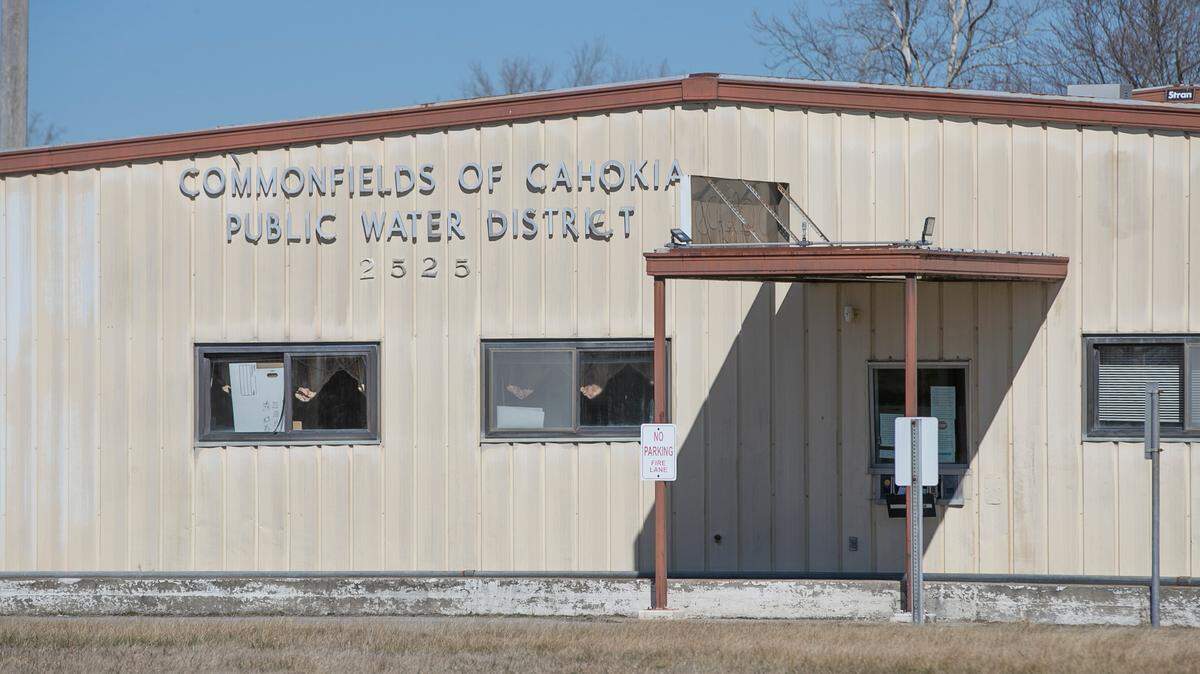
McCall, as former Centreville Township supervisor and chairman of the old Commonfields of Cahokia Public Water District, is a defendant in the first lawsuit. The second lawsuit, which was filed last week, is against Cahokia Heights and Commonfields of Cahokia Public Water District. It alleges that Commonfields has been discharging raw sewage into the community in violation of the Clean Water Act.
McCall, who was chairman of the Commonfields board, said he had not received the lawsuit, but said other government entities could’ve been included in the lawsuit.
“But it’s not about that,”McCall said. “I am not one to look and point the fingers as to who is to blame. I am more concerned about fixing the problem.”
Members of the citizens group aren’t surprised about Cahokia Heights not receiving the BRIC grant, given the local officials’ neglect of the issues.
During the group’s press conference last week, Walter Byrd, who’s listed as a plaintifff for both lawsuits, said he had been skeptical of the grant being able to fix the area’s problems from the beginning. He said the plan felt like a quick fix to a complicated problem.
“I didn’t think they were going to do things right anyway and if you aren’t going to do things right don’t do it all,” Byrd said. “Don’t put a patch on it.”
Earlie Fuse, another plaintiff for the first lawsuit, also wasn’t supportive of the city receiving the grant. He said that in order for the city to fully fix the problems, different people will need to be involved. Fuse disagrees with former Centreville Mayor Marius Jackson being the new director of Cahokia Heights’ Emergency Management Agency.
“You can have your home remodeled, and it’s not new,” Fuse said. “What we’re trying to do is rebuild a dying city, and you can’t keep on trying to survive a dying city with the same people that killed it.”
Kavahn Mansouri contributed to this story
BEHIND THE STORY
MOREWe want to hear from you
Help us cover East St. Louis, Cahokia, Centreville and surrounding communities by sharing your tips, questions and ideas. What issues are affecting your community? What stories would you like us to tell? What’s important to you? Please share your thoughts with DeAsia Paige at dsutgrey@bnd.com or 239-2500.
This story was originally published July 29, 2021 at 2:03 PM.