Illinois governor issues ‘shelter-in-place’ order to help stop coronavirus pandemic
READ MORE
Keep up with all the coronavirus news in southwestern Illinois
Stay updated with the events in southwestern Illinois that have been canceled or postponed because of coronavirus concerns.
Expand All
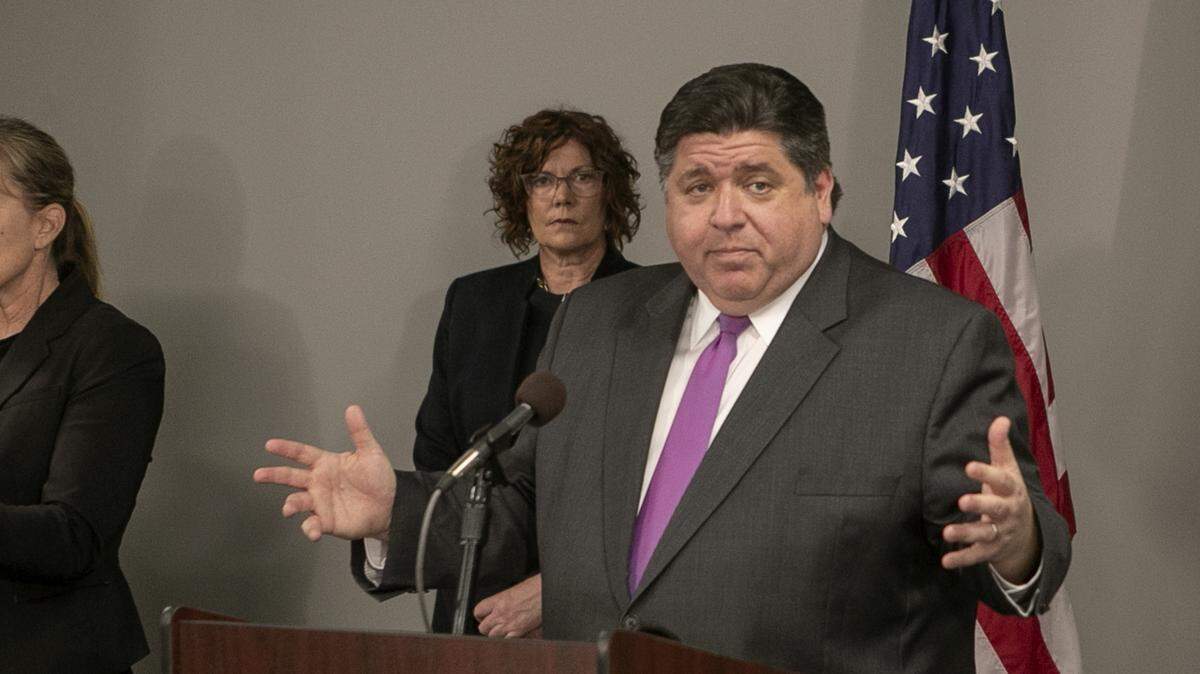
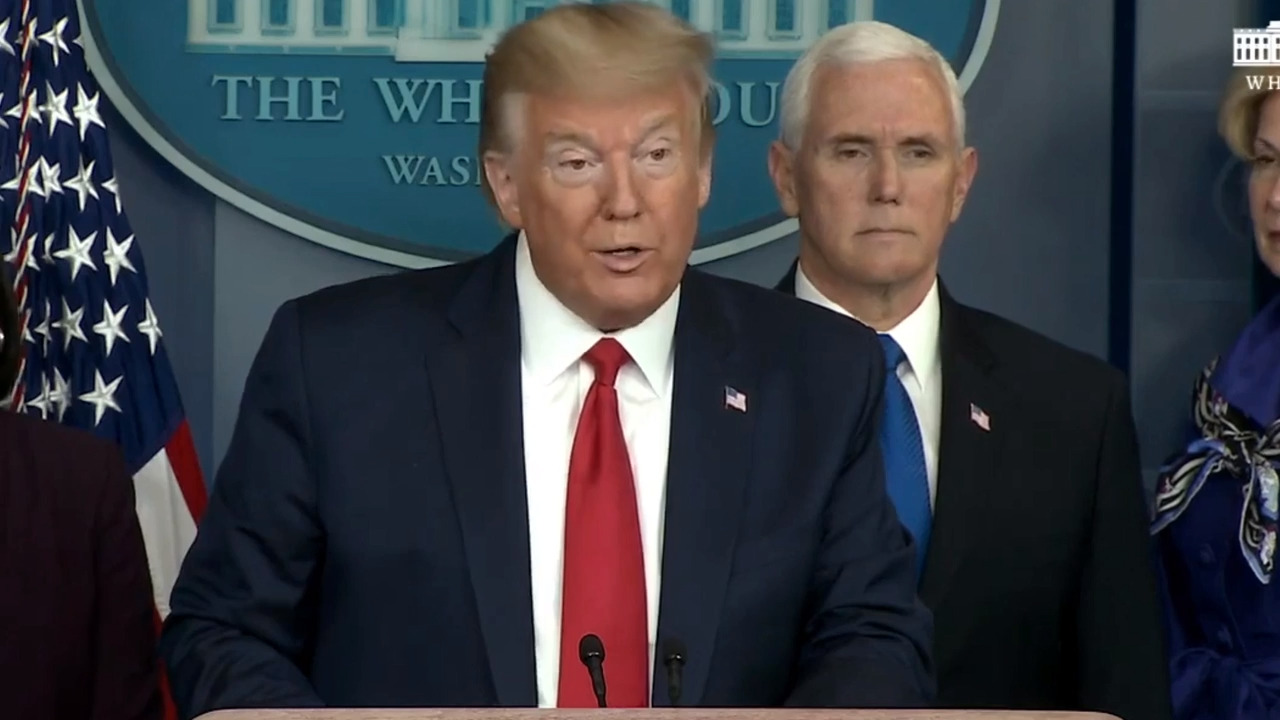
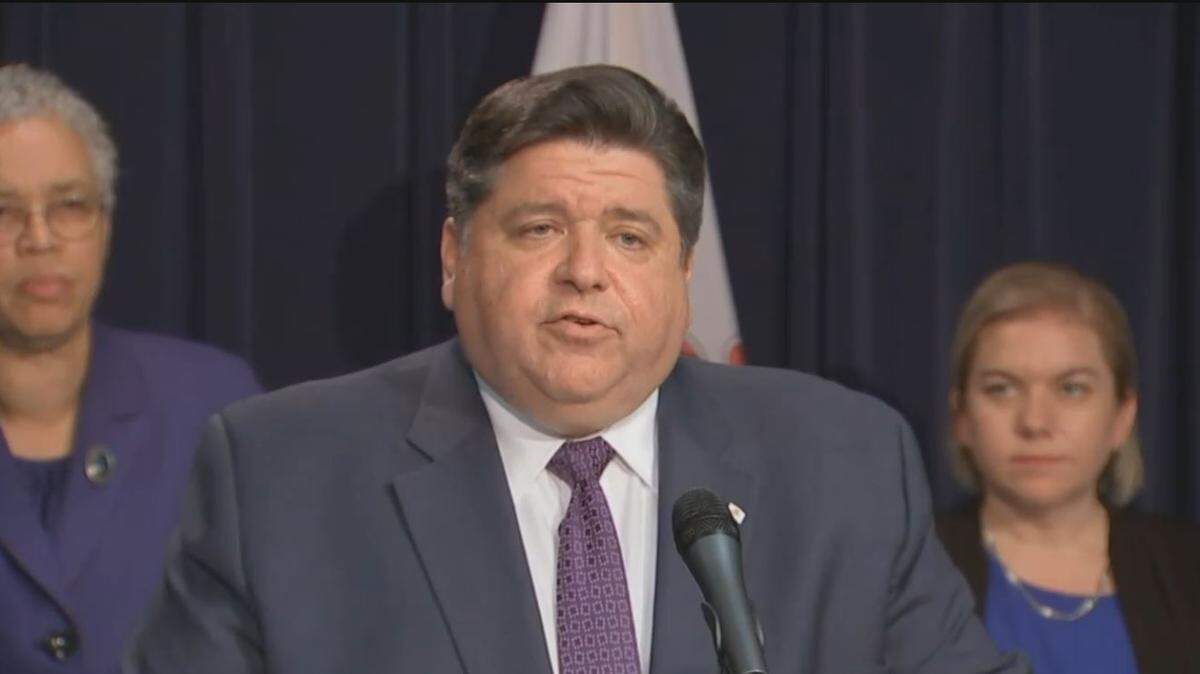
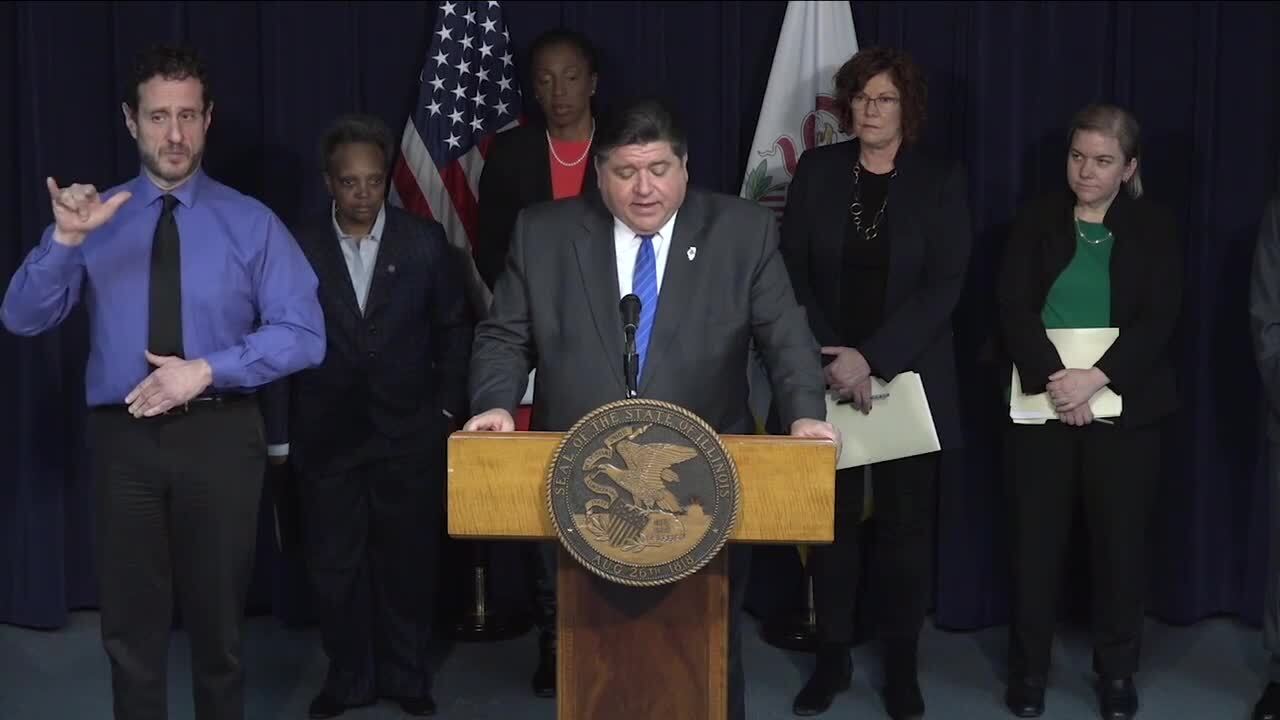
Gov. J.B. Pritzker issued an executive order Friday telling all Illinois residents to shelter in place until at least April 7.
“My bedrock has been to rely upon science,” Pritzker said of his decision. “To avoid the loss of potentially tens of thousands of lives, we must enact an immediate stay-at-home order for the state of Illinois.”
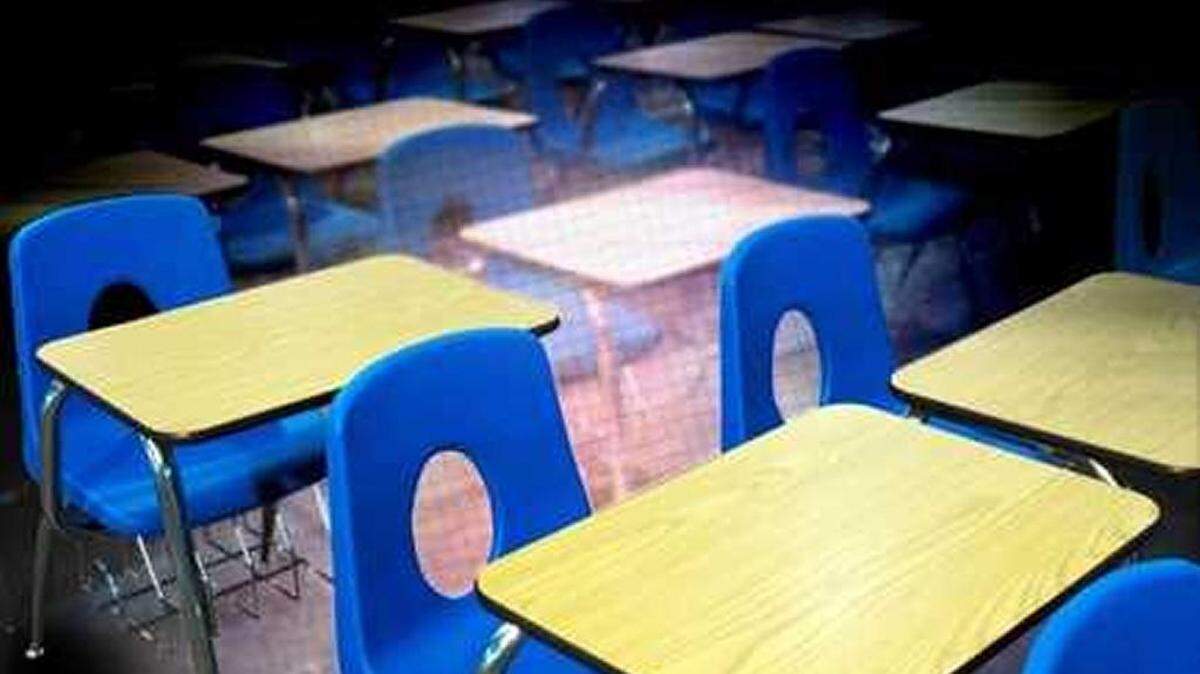
The order begins at 5 p.m. Saturday and includes an extension on the closure of all public and private schools until April 8.
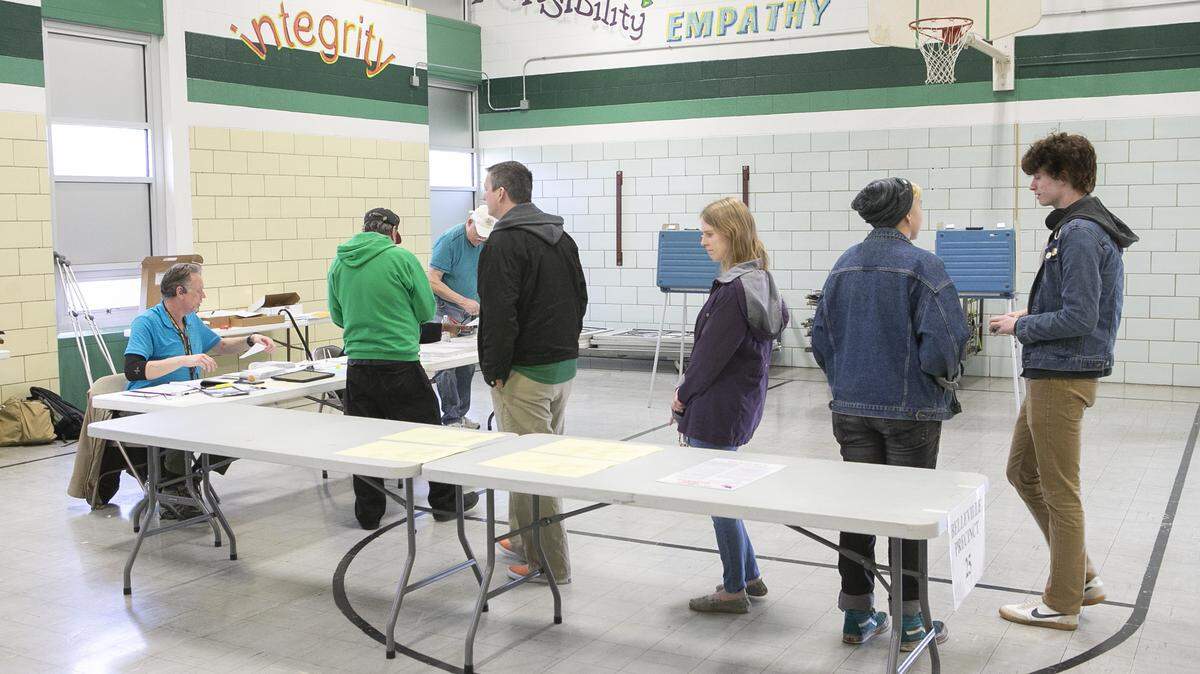
The governor emphasized that residents will still be able to make essential trips such as going to the grocery store, gas station, doctor, hospital or pharmacy, and crucial workers will still be able to do their jobs.
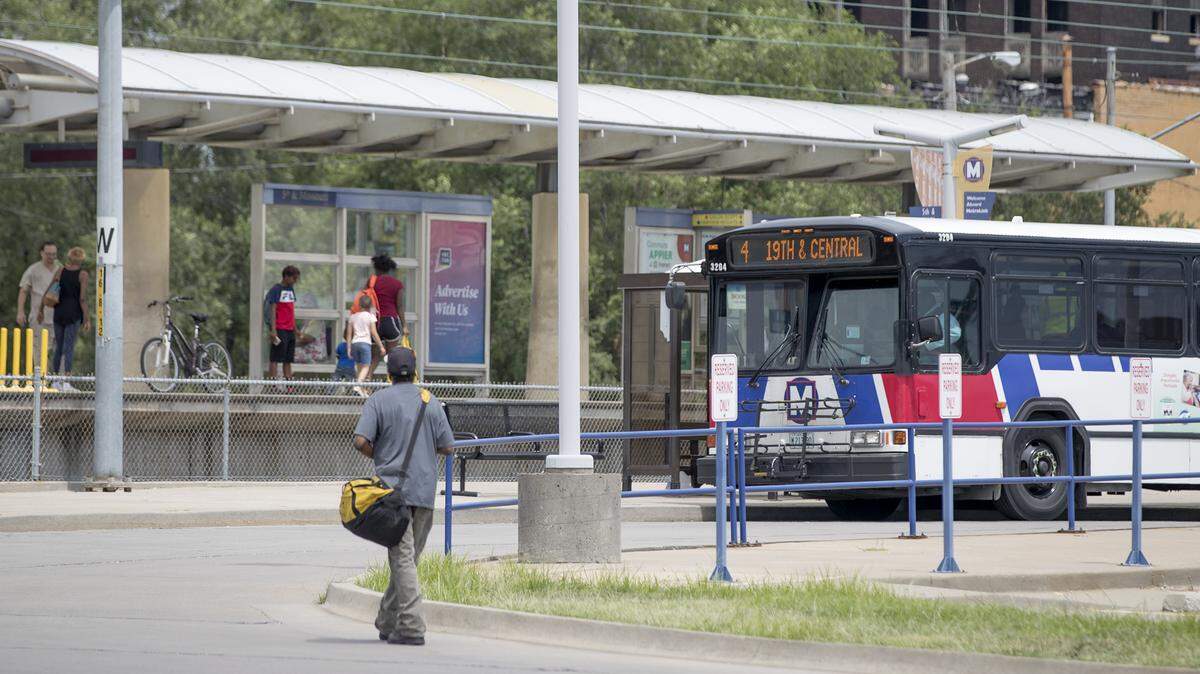
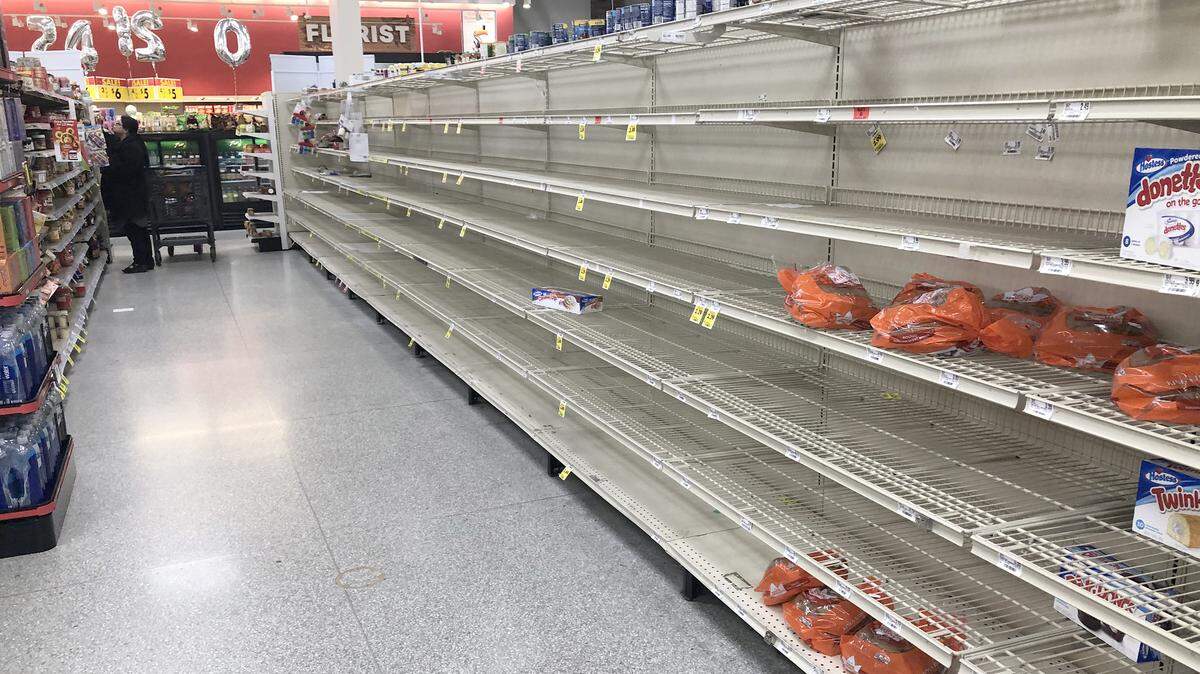
Pritzker said there is no need to rush to the grocery store and hoard food. The grocery stores will remain open. People will still be allowed to exercise outside. Roads, bridges and transit will remain open. Pritzker said he would also ask municipalities to halt evictions.
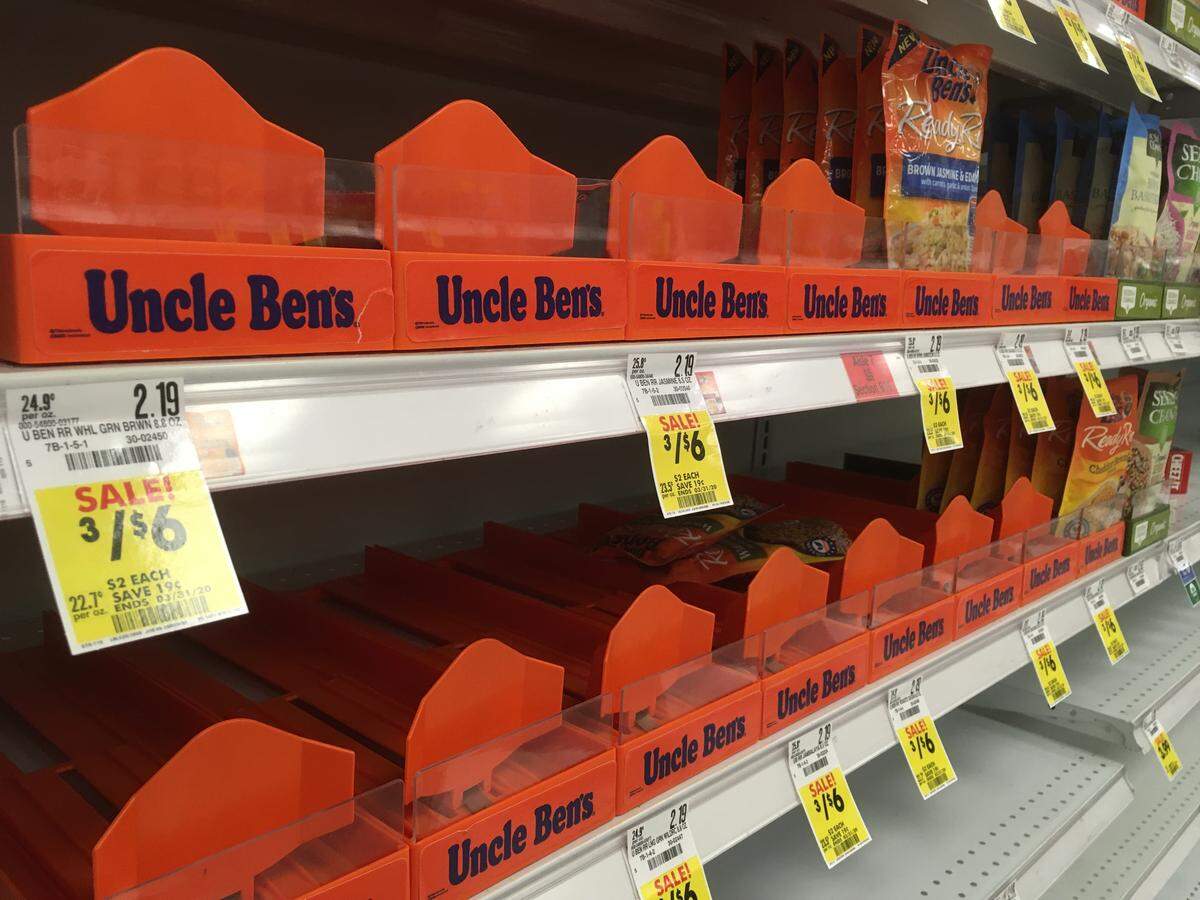
“For the vast majority of you already taking precautions, life will not change,” Pritzker said. “We are doing all we can to maintain as much normalcy as possible.”
“If you can work from home and aren’t already doing so, now is the time,” he added.
People who cross a state border to work — such as someone who lives in Illinois but works in Missouri — can still go to work as usual. However, people who work in Illinois but live outside the state will be subject to Pritzker’s order.
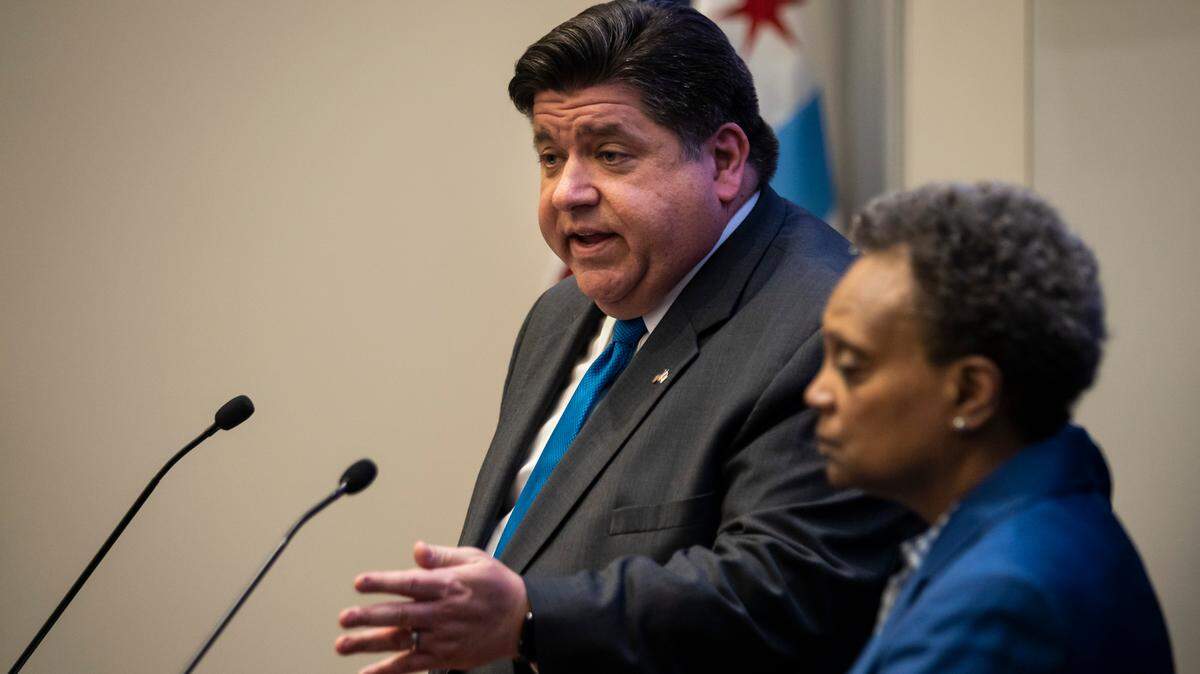
The stay-at-home order is “not a lockdown or Martial Law,” said Chicago Mayor Lori Lightfoot, referring to the law that allows the military to control civilian functions.
Anyone violating the order could face legal consequences, but law enforcement will focus on educating citizens, Lightfoot said. Pritzker said he expects most people to comply.
“To be honest, we don’t have the resources, the capacity or the desire to police every individual’s behavior,” Pritzker said. “Enforcement comes in many forms and our first and best option is to rely on Illinoisans to be good members of their communities.”
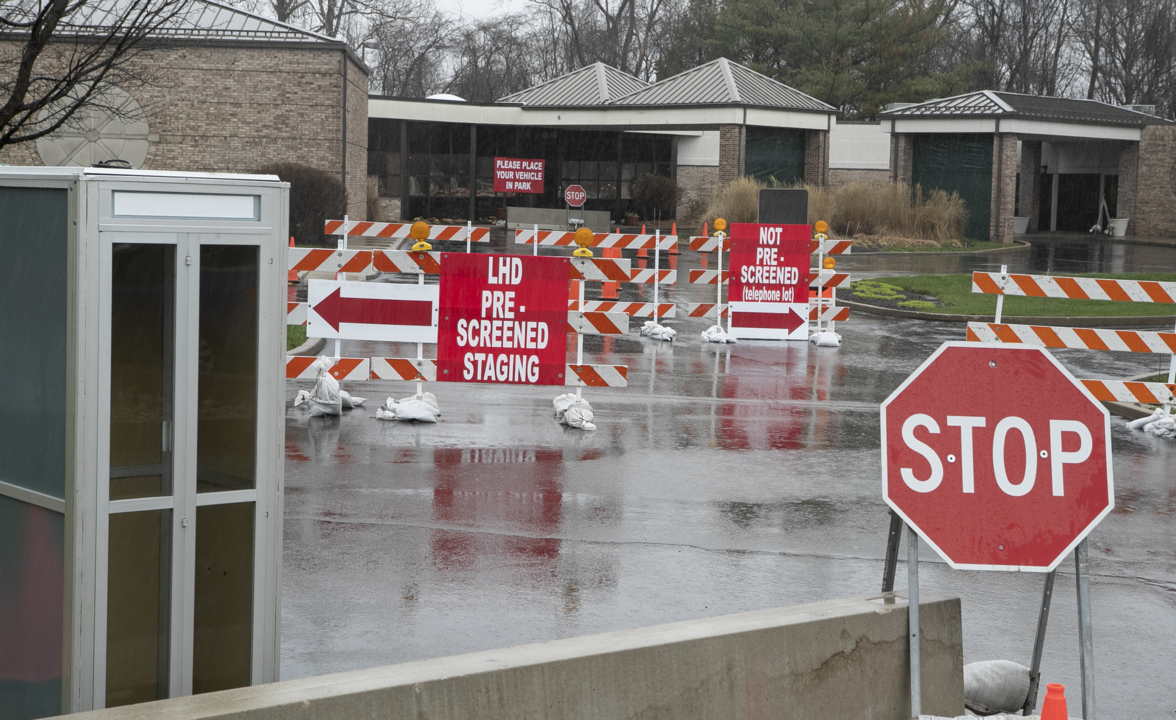
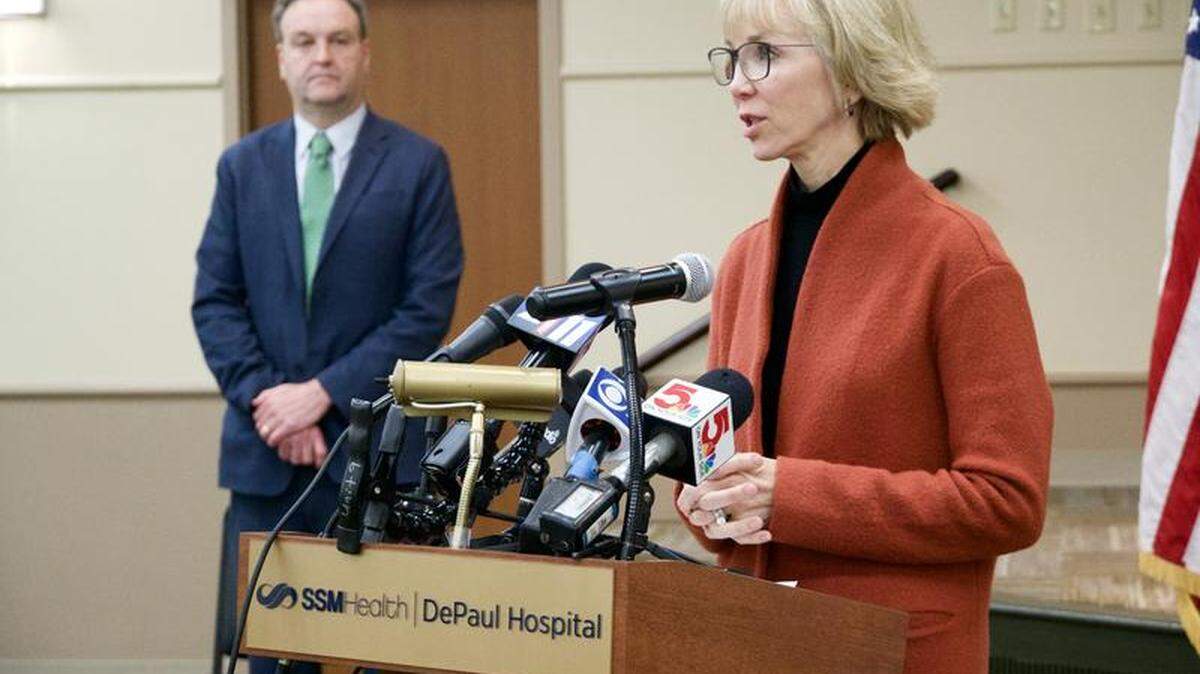
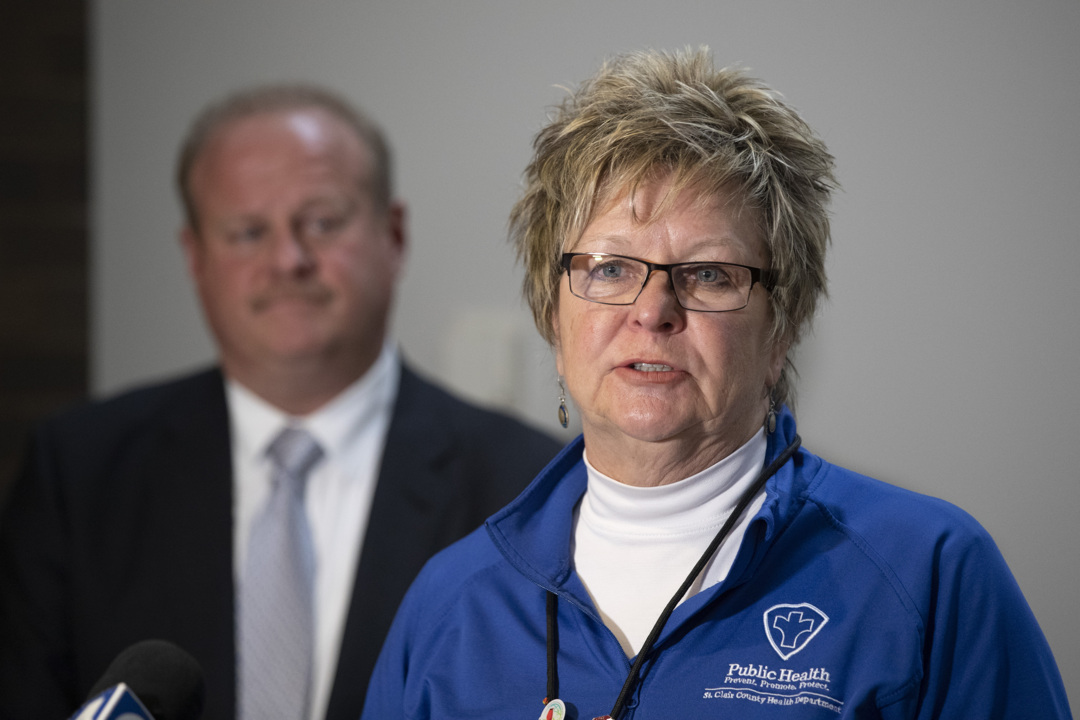
A main goal is to avoid overwhelming hospitals with sick people, said infectious disease specialist Dr. Emily Landon.
“We can’t take care of everyone at once,” Landon said. “Our health care system doesn’t have any slack. There are no empty wards waiting for patients or nurses waiting in the wings.”
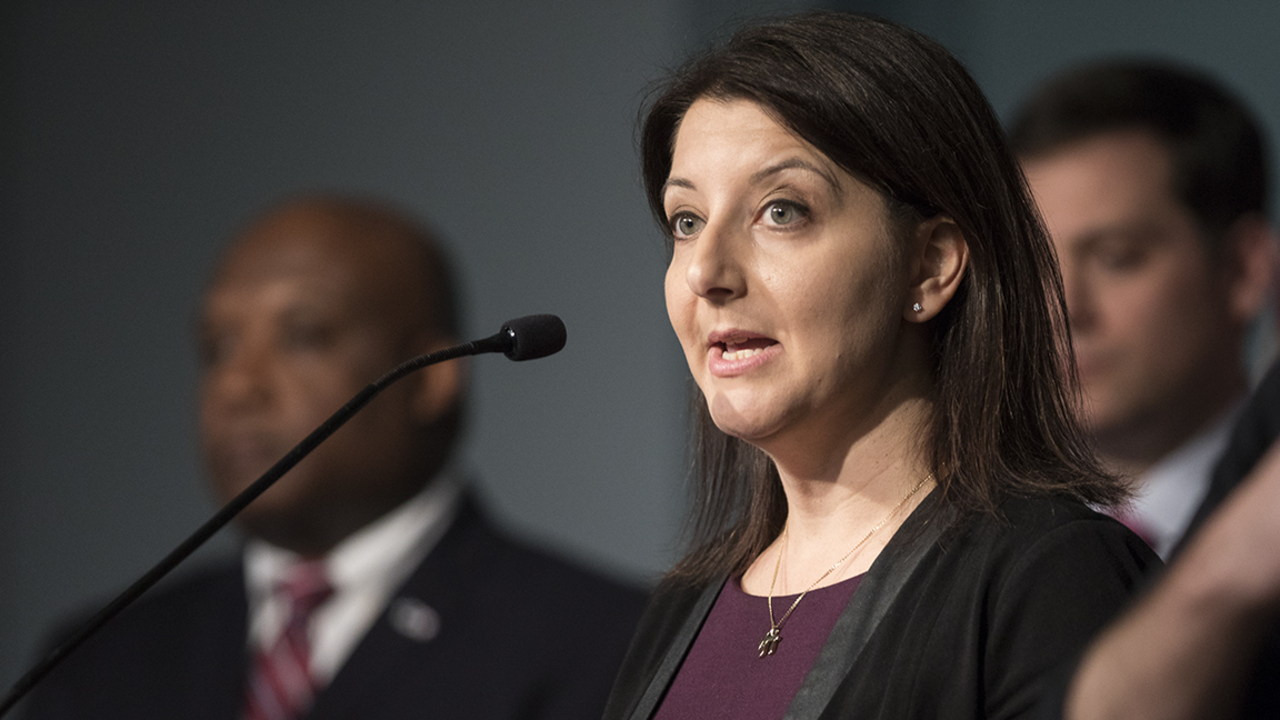
The state is exploring the possibility of reopening closed hospitals, said Dr. Ngozi Ezike, director of Illinois Department of Public Health.
Staying at home as much as possible prevents contagious people from spreading the disease, Landon added.
“This virus is unforgiving. It spreads before you even know you’ve caught it,” Landon said. “The numbers you see in the news are the people who got sick a week ago. And there are still people who got sick today who haven’t even noticed that they’ve been sick yet. They picked up the virus and it will take a week to see that show in our numbers.”
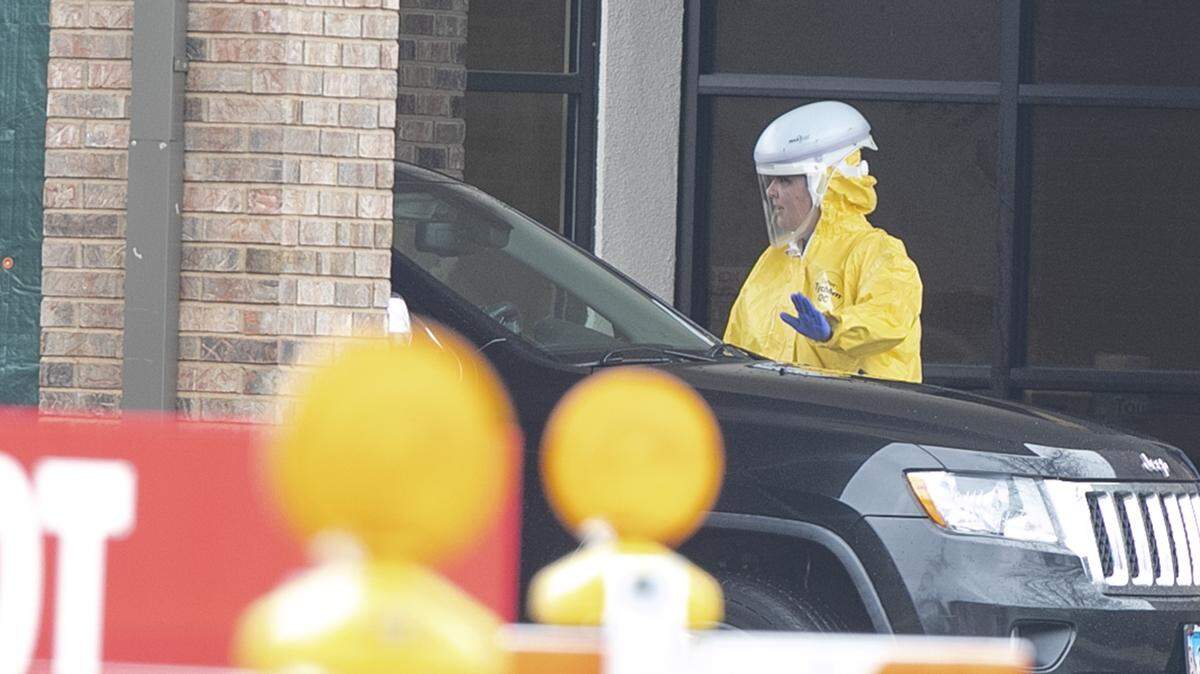
As of Friday, there were 585 COVID-19 cases in 25 counties in Illinois, including St. Clair, Madison, Clinton and Washington counties in southwestern Illinois. Five people had died so far from coronavirus in Illinois: a Cook County resident in her 70s, a Chicago woman in her 60s, a Will County resident in his 50s, a Cook County resident in her 80s and an out-of-state resident in her 70s who was in Sangamon County.
List of ‘essential services’
The governor’s office outlined the following essential services and activities. The full executive order can be found at https://bit.ly/2UrjhfY.
Essential activities:
- For health and safety: seeking emergency services, obtaining medical supplies or medication or visiting a health care professional
- For necessary supplies and services: obtaining groceries and food, household consumer products, supplies they need to work from home, and products necessary to maintain the safety, sanitation and essential operation of residences
- For outdoor activity: walking, hiking, running or biking — including going to public parks and open outdoor recreation areas, except for playgrounds
- For certain types of work: Providing essential products and services at Essential Businesses or Operations or otherwise carrying out activities specifically permitted in the order, including Minimum Basic Operations
- To take care of others: Caring for or transporting a family member, friend or pet in another household
Essential government functions:
- All services provided by state and local governments needed to ensure the continuing operation of the government agencies and provide for the health, safety and welfare of the public
- This executive order does not apply to the United States government
Essential Businesses and Operations:
- Healthcare and public health operations: Working at or obtaining services from hospitals; clinics; dental offices; pharmacies; public health entities; healthcare manufacturers and suppliers; blood banks; medical cannabis facilities; reproductive health care providers; eye care centers; home healthcare services providers; mental health and substance use providers; ancillary healthcare services — including veterinary care and excluding fitness and exercise gyms, spas, salons, barber shops, tattoo parlors, and similar facilities
- Human services operations: any provider funded by DHS, DCFS or Medicaid; long-term care facilities; home-based and residential settings for adults, seniors, children, and/or people with disabilities or mental illness; transitional facilities; field offices for food, cash assistance, medical coverage, child care, vocational services or rehabilitation services; developmental centers; adoption agencies; businesses that provide food, shelter, and social services and other necessities of life for needy individuals — excluding day care centers, day care homes, group day care homes and day care centers licensed as specified in Section 12(s) of the order
- Essential infrastructure: Working in food production, distribution and sale; construction; building management and maintenance; airport operations; operation and maintenance of utilities, including water, sewer, and gas; electrical; distribution centers; oil and biofuel refining; roads, highways, railroads, and public transportation; ports; cybersecurity operations; flood control; solid waste and recycling collection and removal; and internet, video, and telecommunications systems
- Stores that sell groceries and medicine
- Food, beverage and cannabis production and agriculture
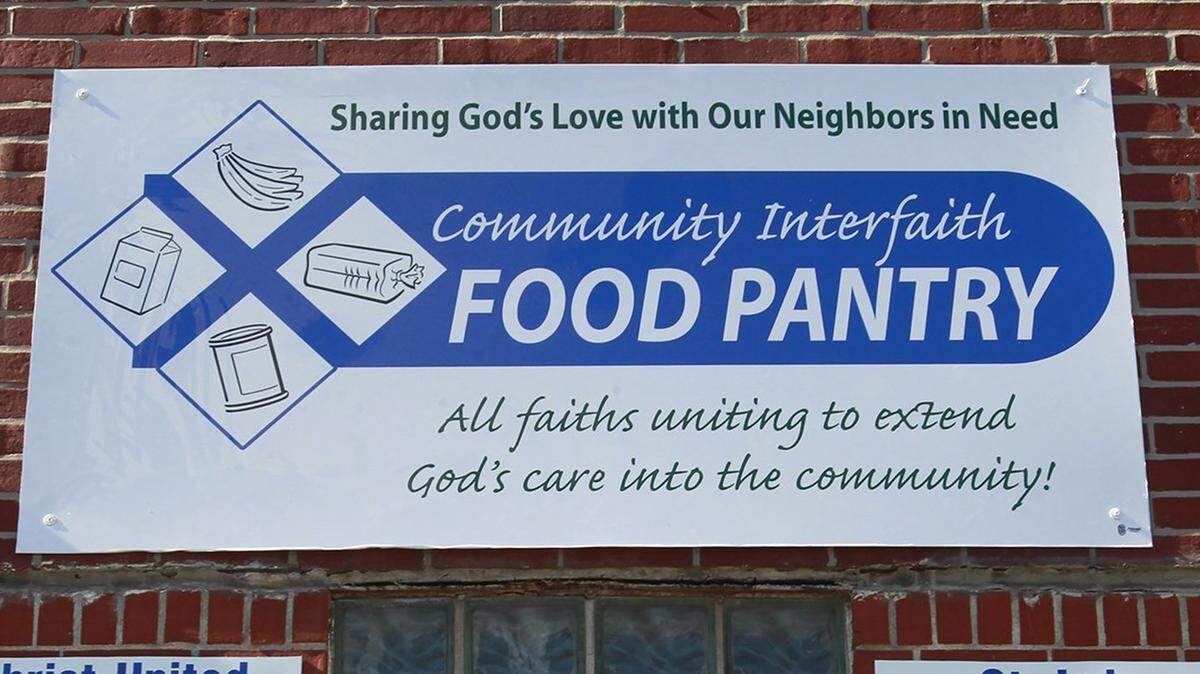
- Organizations that provide charitable and social services
- Media
- Gas stations and businesses needed for transportation
- Financial institutions
- Hardware and supply stores
- Critical trades, including plumbers, electricians, exterminators, cleaning and janitorial staff for commercial and governmental properties, security staff, operating engineers, HVAC, painting, moving and relocation services, and other service providers that maintain the safety, sanitation and essential operation of residences, essential activities, and essential businesses and operations
- Mail, post, shipping, logistics, delivery and pick-up services
- Educational institutions, for purposes of facilitating distance learning, performing critical research, or performing essential functions
- Laundry services
- Restaurants for consumption off-premises
- Supplies to work from home
- Supplies for essential businesses and operations
- Transportation, for purposes of Essential Travel
- Home-based care and services
- Residential facilities and shelters
- Professional services
- Day care centers for employees exempted by this executive order
- Manufacture, distribution, and supply chain for critical products and industries
- Critical labor union functions
- Hotels and motels, to the extent used for lodging and delivery or carry-out food services
- Funeral services
This story was originally published March 20, 2020 at 3:11 PM.