Pritzker bans crowds of more than 1,000 in Illinois to slow coronavirus spread
READ MORE
Keep up with all the coronavirus news in southwestern Illinois
Stay updated with the events in southwestern Illinois that have been canceled or postponed because of coronavirus concerns.
Expand All
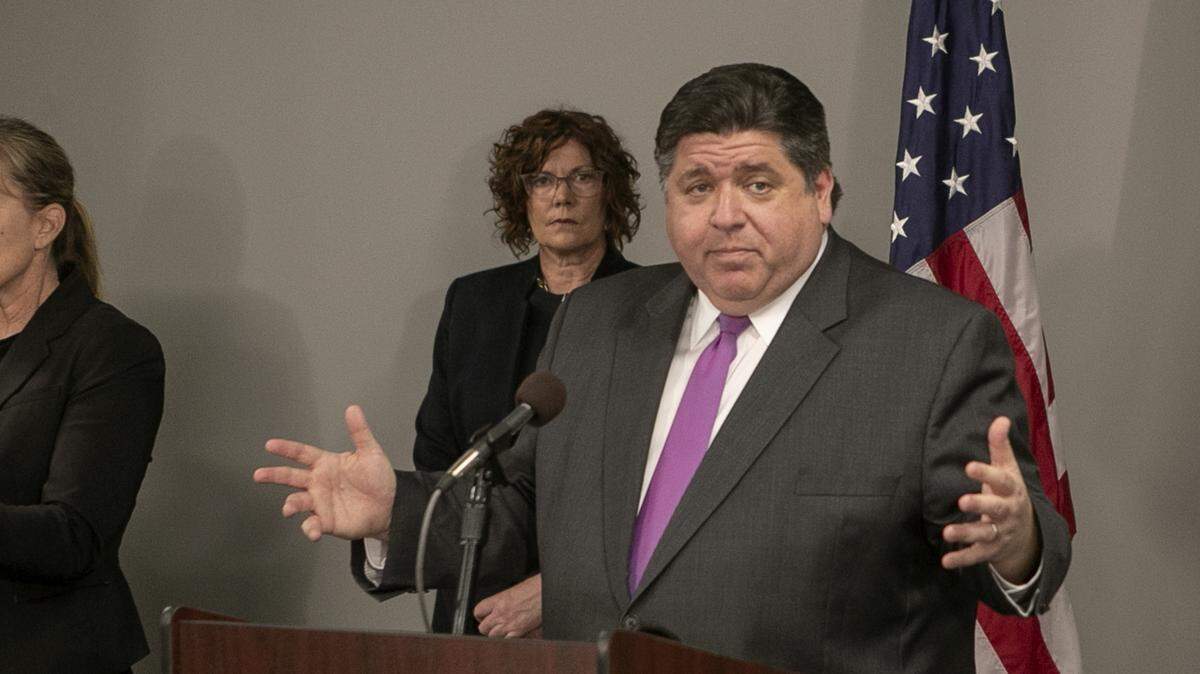
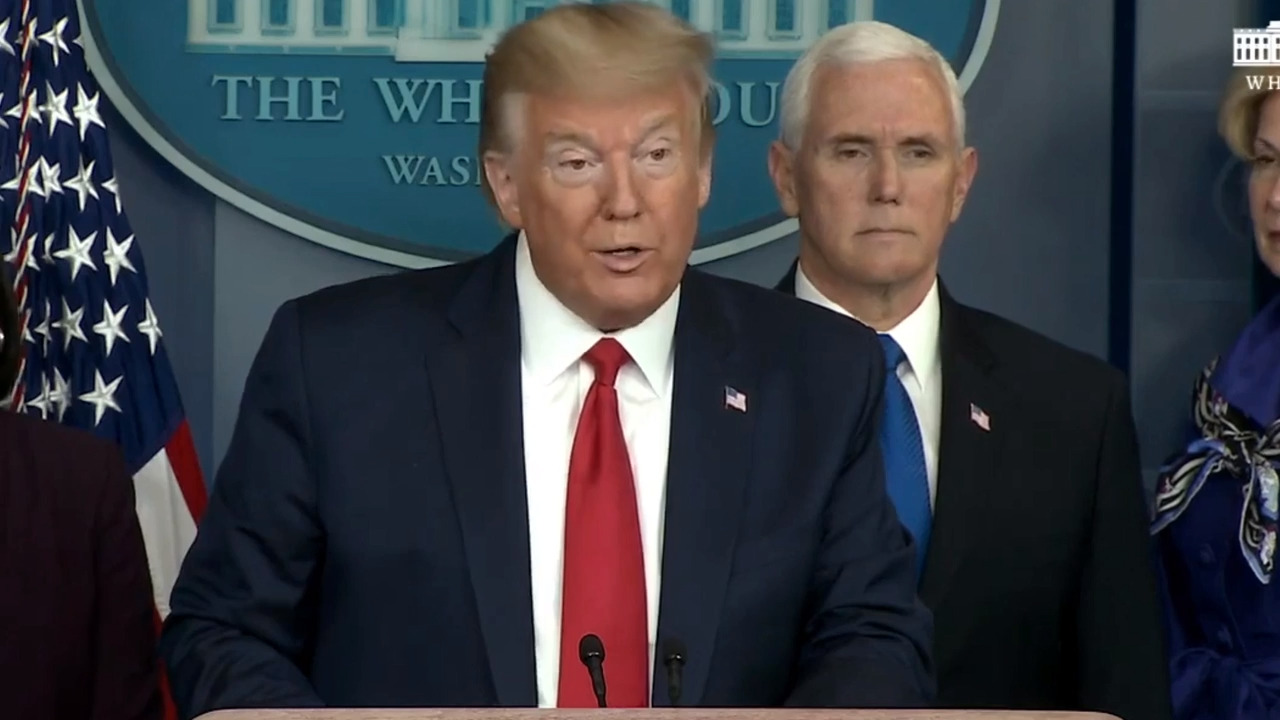
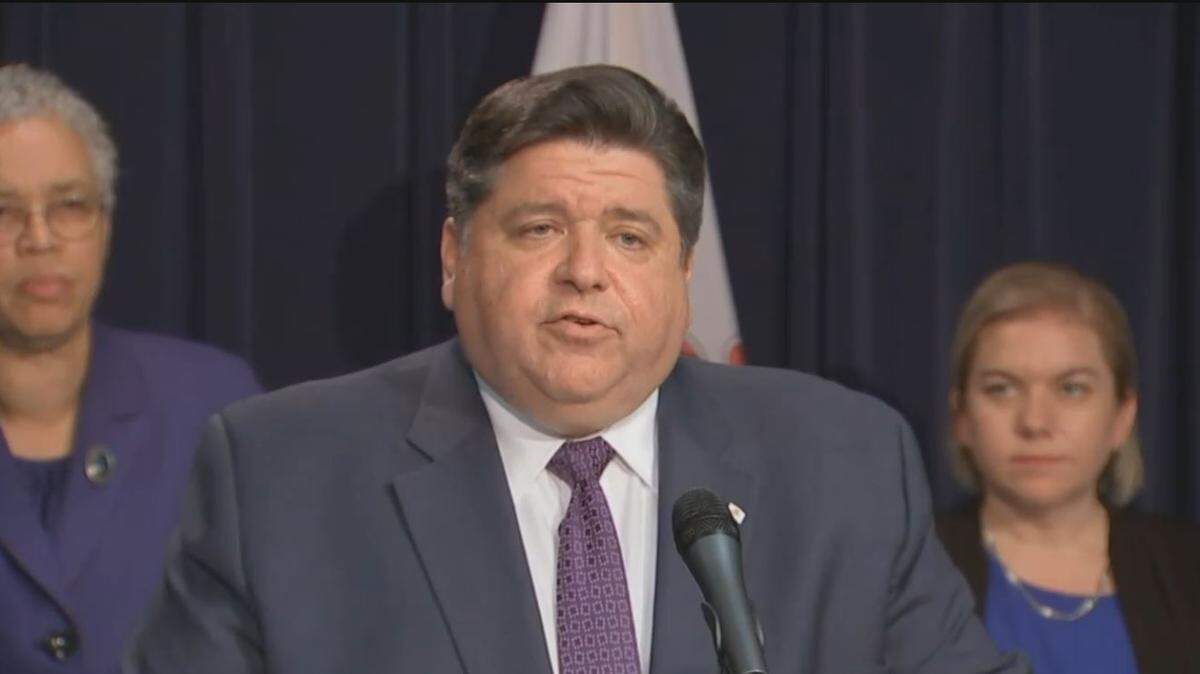
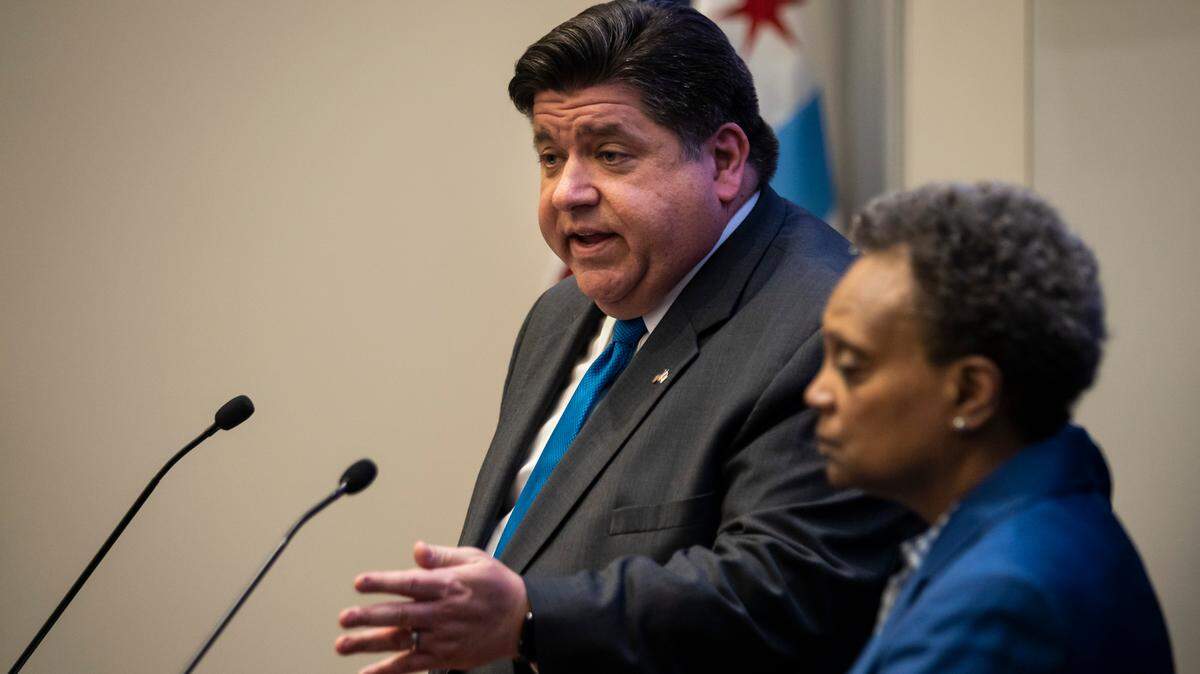
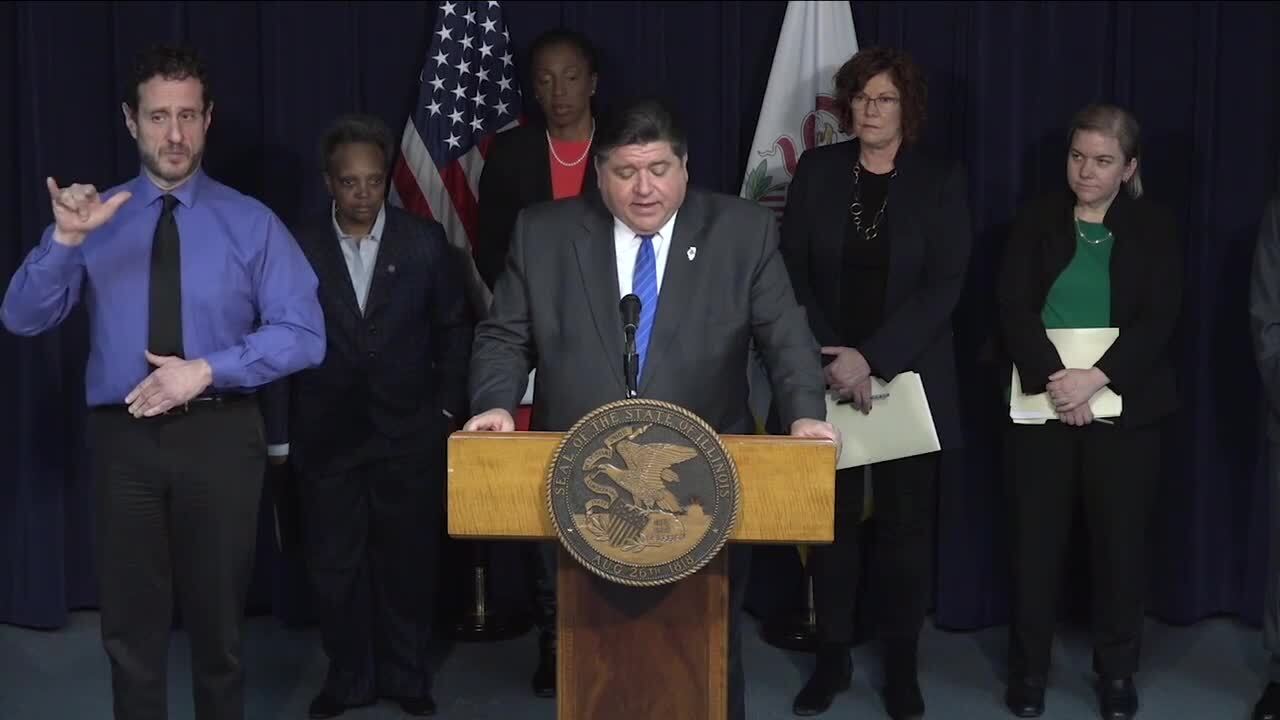
Gov. J.B. Pritzker mandated Thursday that no crowds over 1,000 should gather for the next 30 days in addition to canceling all major sporting events until May 1 to prevent the spread of coronavirus.
“The guidance I am issuing today is for the entire state of Illinois,” Pritzker said at his daily COVID-19 press briefing.
While school will not be canceled, the governor said the state will continue evaluating the situation daily. Other events around the metro-east were canceled because of COVID-19 concerns.
Also Thursday, St. Louis Mayor Lyda Krewson declared a public health emergency in St. Louis and banned gatherings of more than 1,000 people amid growing concerns about COVID-19. The prohibition will go into effect immediately and remain until further notice. However, day-to-day school activities and religious events in the area are exempt from the ban.
The state of Illinois issued the following statewide guidance:
COMMUNITY EVENTS
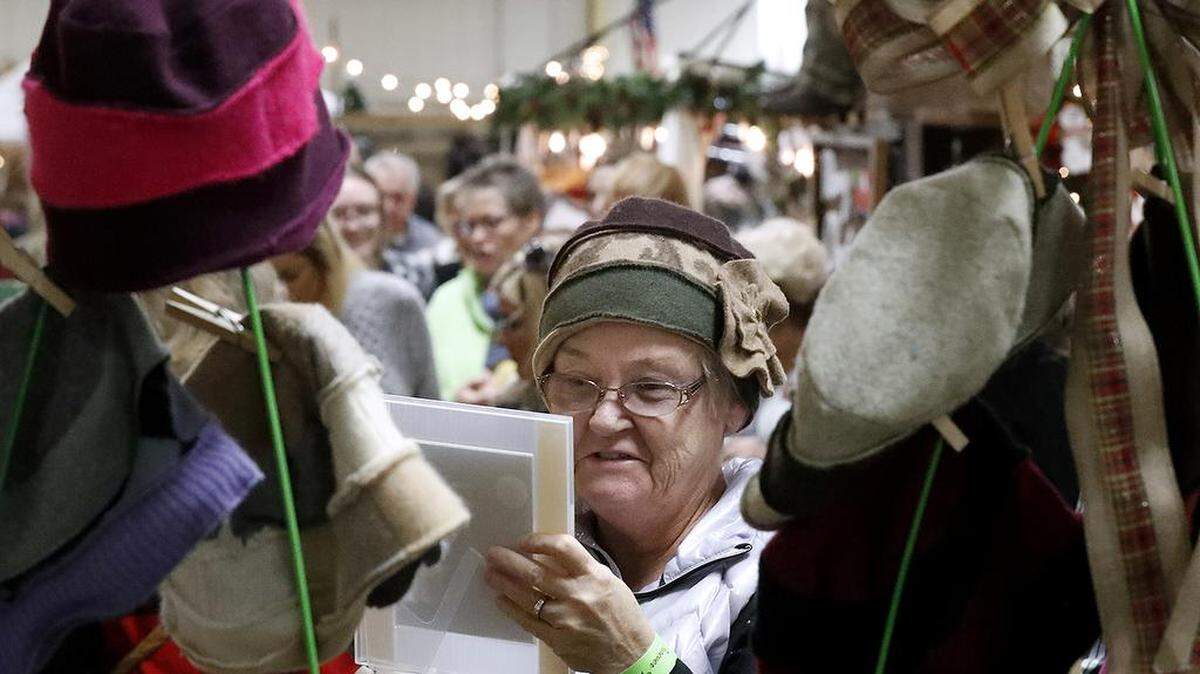
- Mandating all large-scale events exceeding 1,000 individuals be canceled for the next 30 days.
- Encouraging that community events of 250 people or more should be canceled or postponed until May 1. This includes personal and social events. Residents should use good judgment about canceling events in their own communities.
- For events less than 250 people, residents should closely consider who is likely to attend the event and, if it includes vulnerable populations, strongly consider canceling.
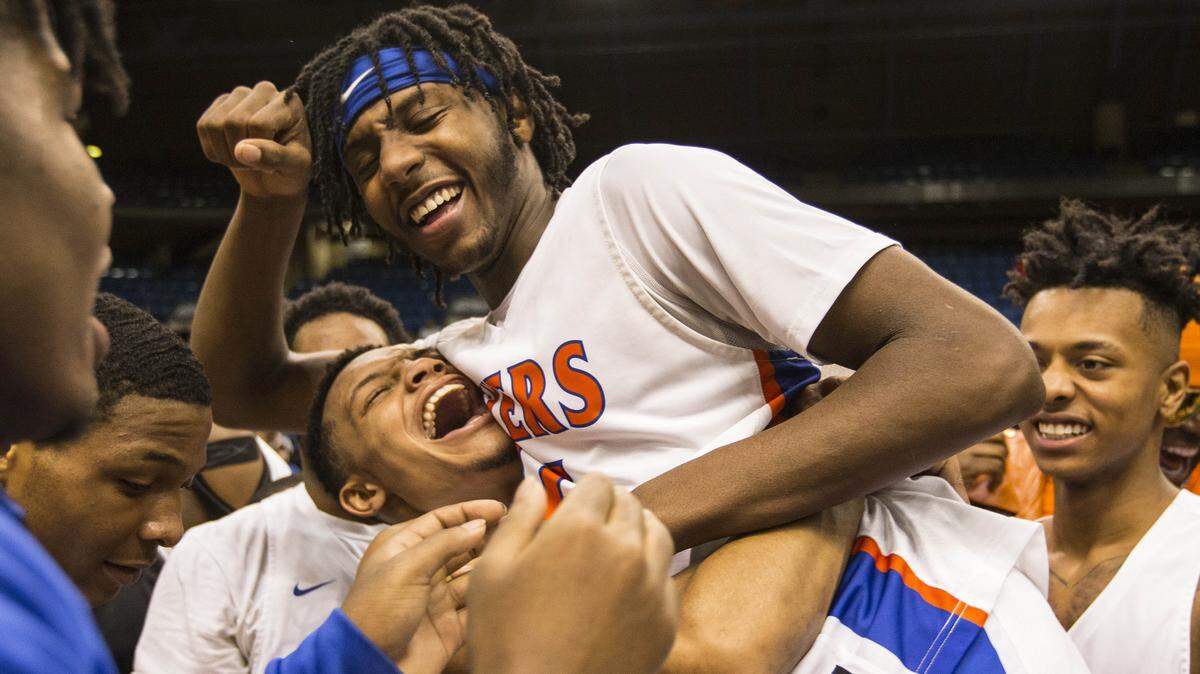
- All major sporting events with large spectator crowds should be canceled until May 1. This should include school and college events as well as major league sporting events. The governor has spoken with the owners of all the major sports teams in Illinois and they are in full support of these measures to protect the health of their fans and will cancel all games until May 1.
SCHOOLS
- While schools will remain open, local jurisdictions should develop their own local guidance.
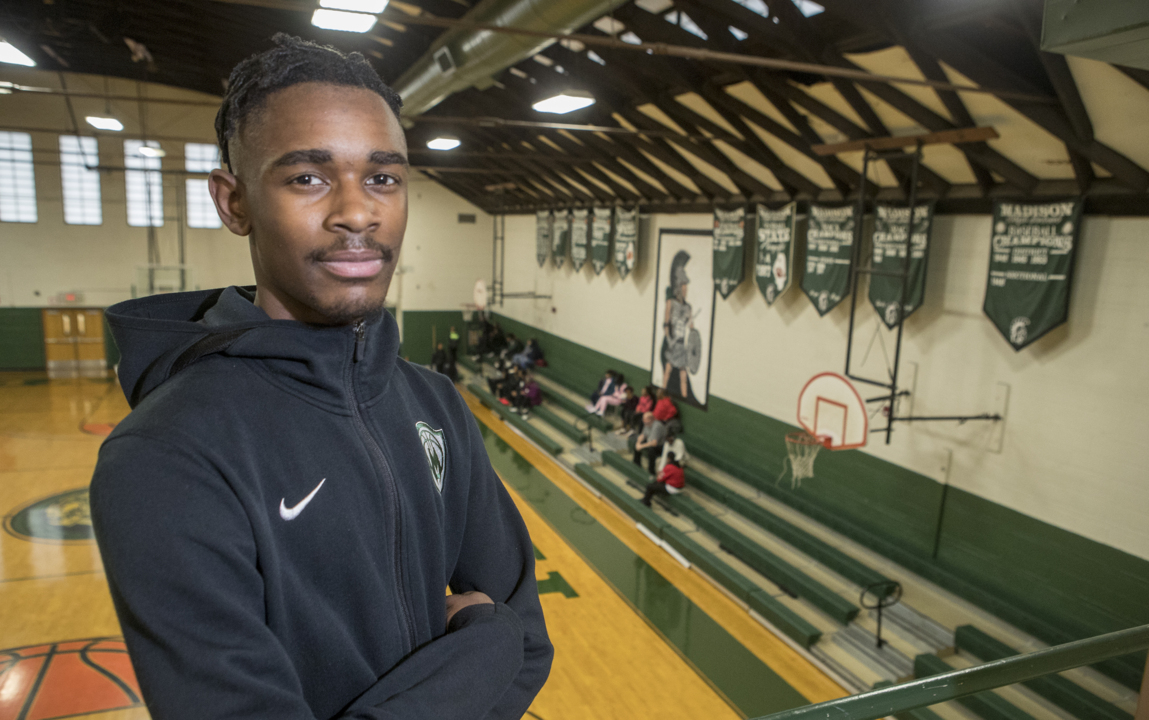
- The state of Illinois is working closely with school districts around the state on their own guidance and policies, and currently recommends schools do not hold large assemblies, including sports with spectators exceeding 250 people. While every school district is different, the state encourages school administrators and faculty to make responsible decisions, guided by recommendations from the CDC and the state, that are in the best interest of the health and safety of their students.
BUSINESSES AND WORKPLACES
- The state encourages businesses across the state to take advantage of teleworking capabilities.
- Every business that can have employees work remotely should consider doing so immediately.
- For those who cannot, we encourage employers to take proper precautions to keep individuals safe in the workplace. This includes reminding staff to stay home when sick or with a fever; considering a plan for teleworking where feasible; remaining flexible on leave policies; and promoting robust mitigation approaches, such as hand washing, cleaning, and offering hand sanitizer. Chicago also is developing an addendum to its sick leave policies, as well as guidance on teleworking for employees.
ELECTIONS
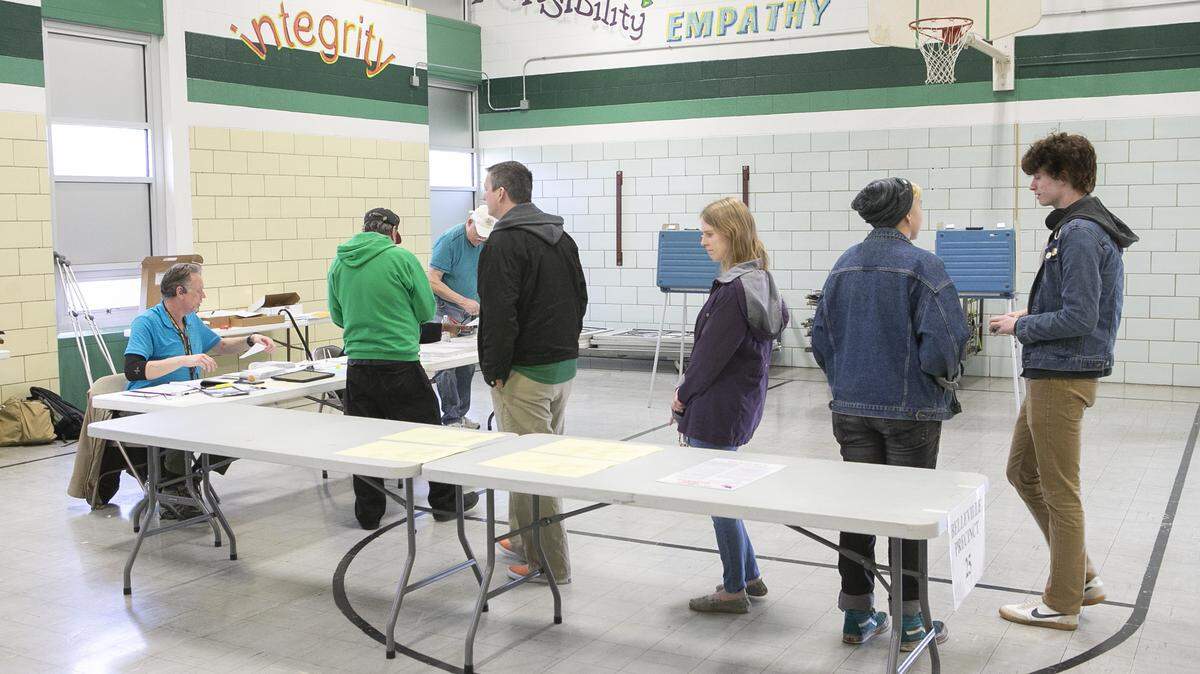
- The election will proceed as scheduled on Tuesday, March 17. This is a fundamental function of government, and the state is committed to making sure the election proceeds with as little disruption as possible.
- Local jurisdictions are encouraged to expand hours for early voting over the weekend to reduce the number of people who would need to vote on Election Day.
- Voters who have not already submitted a vote by mail application can pick up a vote by mail ballot through Monday at their local election offices.
VULNERABLE POPULATIONS
- The state continues to focus outreach efforts for those most vulnerable to severe illness from the coronavirus, our elderly and immunocompromised residents.
- Individuals who fall into these categories should take extra caution when attending gatherings of any size and avoid exposure to large groups of people whenever possible.
- The state has implemented new staffing procedures and strict guidelines restricting visitors at state-operated long-term care facilities and is also working closely with private nursing home and assisted living associations on the adoption of similar guidelines.
This story was originally published March 12, 2020 at 6:15 PM.