St. Clair County coronavirus cases increase to seven
READ MORE
Keep up with all the coronavirus news in southwestern Illinois
Stay updated with the events in southwestern Illinois that have been canceled or postponed because of coronavirus concerns.
Expand All
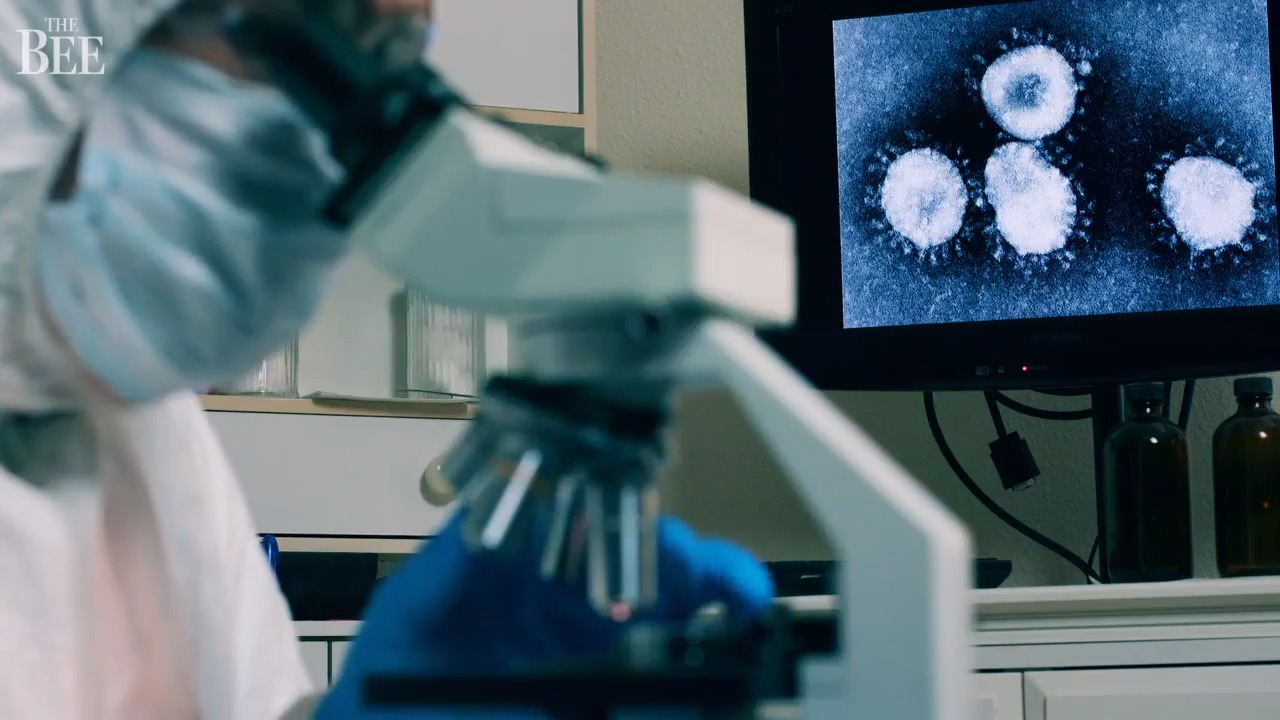
The number of COVID-19 cases increased by three for a total of seven in St. Clair County, the Illinois Department of Public Health said Tuesday.
Fourteen coronavirus cases have been confirmed in the metro-east as of Tuesday. No deaths have been reported in southwestern Illinois. Along with the seven cases in St. Clair County, there are two in Madison, three in Clinton, one in Washington and one in Monroe.
The St. Clair County Emergency Management Agency released this information about the three new cases: one woman is in her 80s, another woman is in her 50s and a man is in his 50s. There have been 77 persons tested in the county, with 49 of the tests negative and 21 pending.
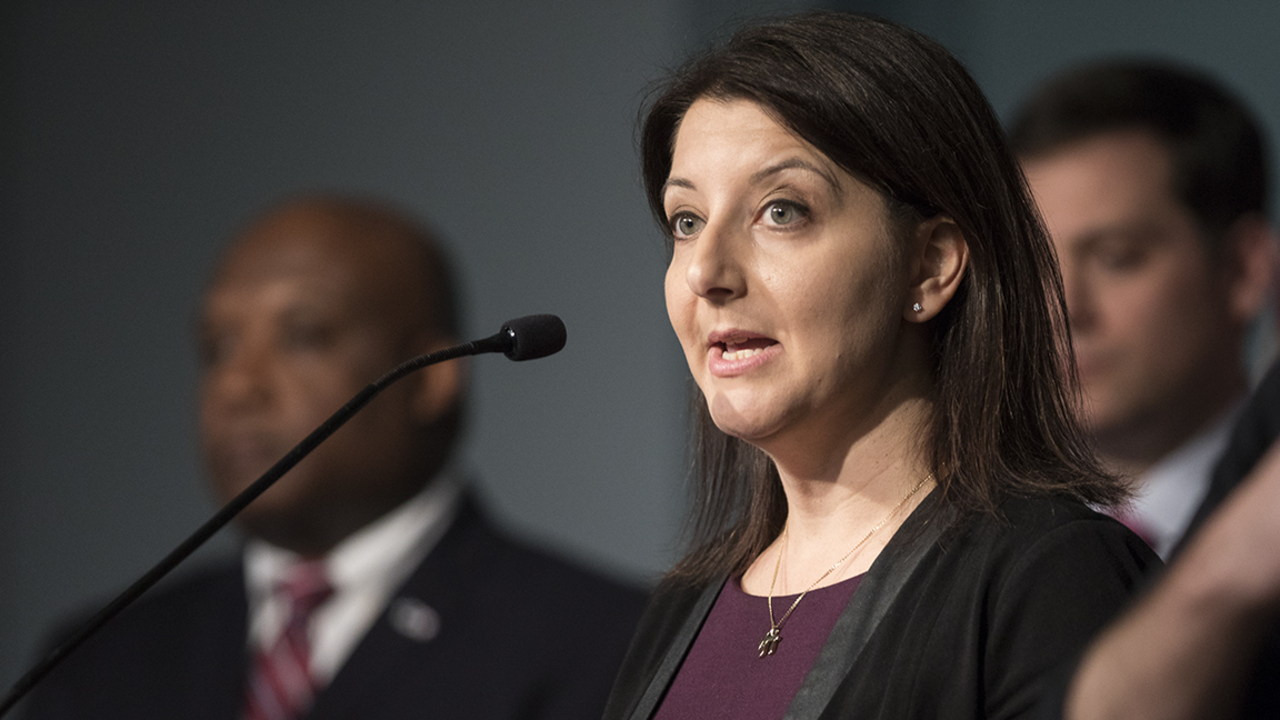
Statewide, 16 COVID-19-related deaths have been reported. Dr. Ngozi Ezike, director of the Illinois Department of Public Health, said all of the people who died were over 60, except for one.
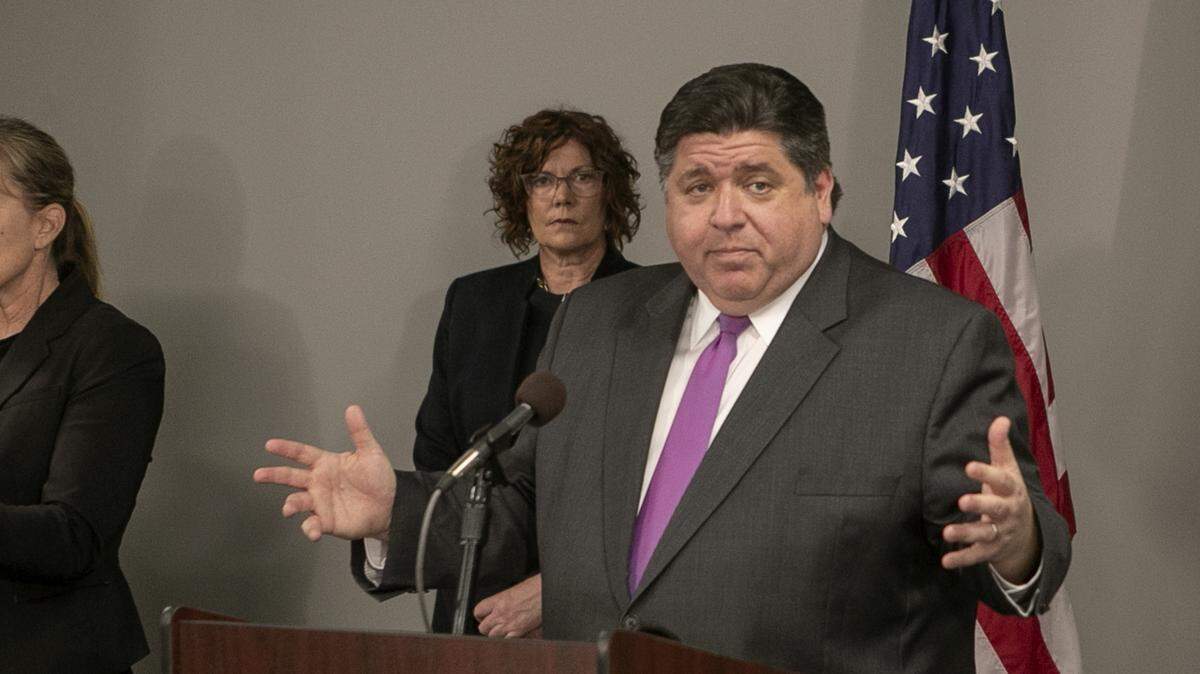
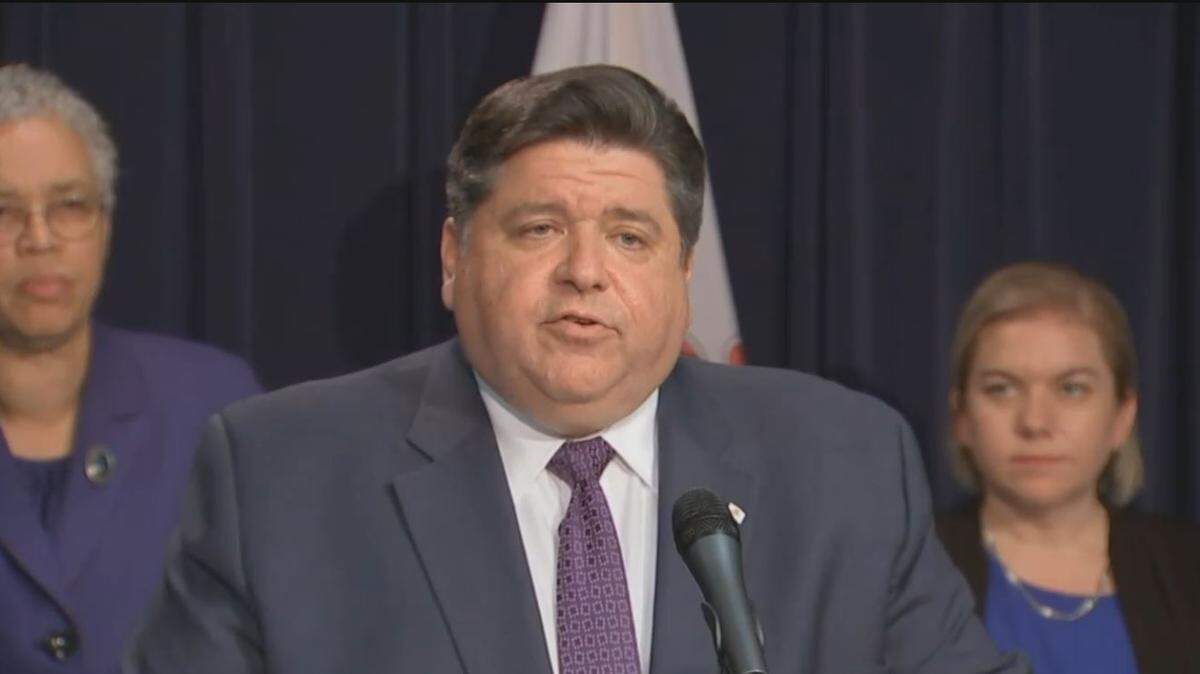
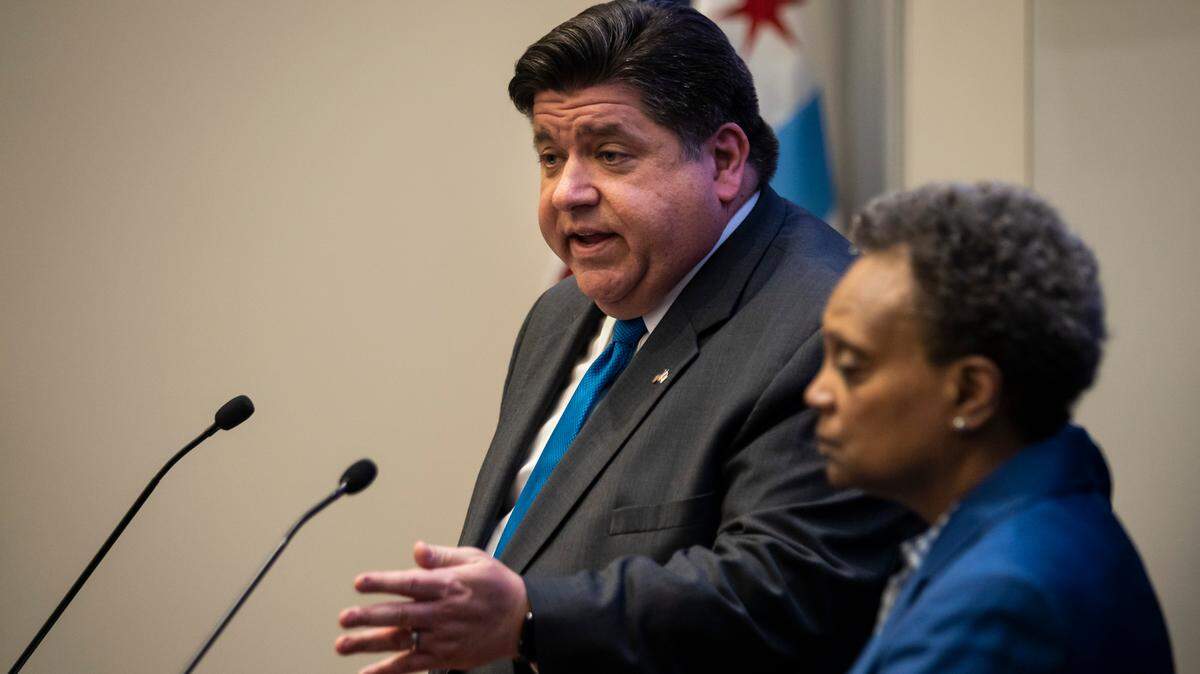
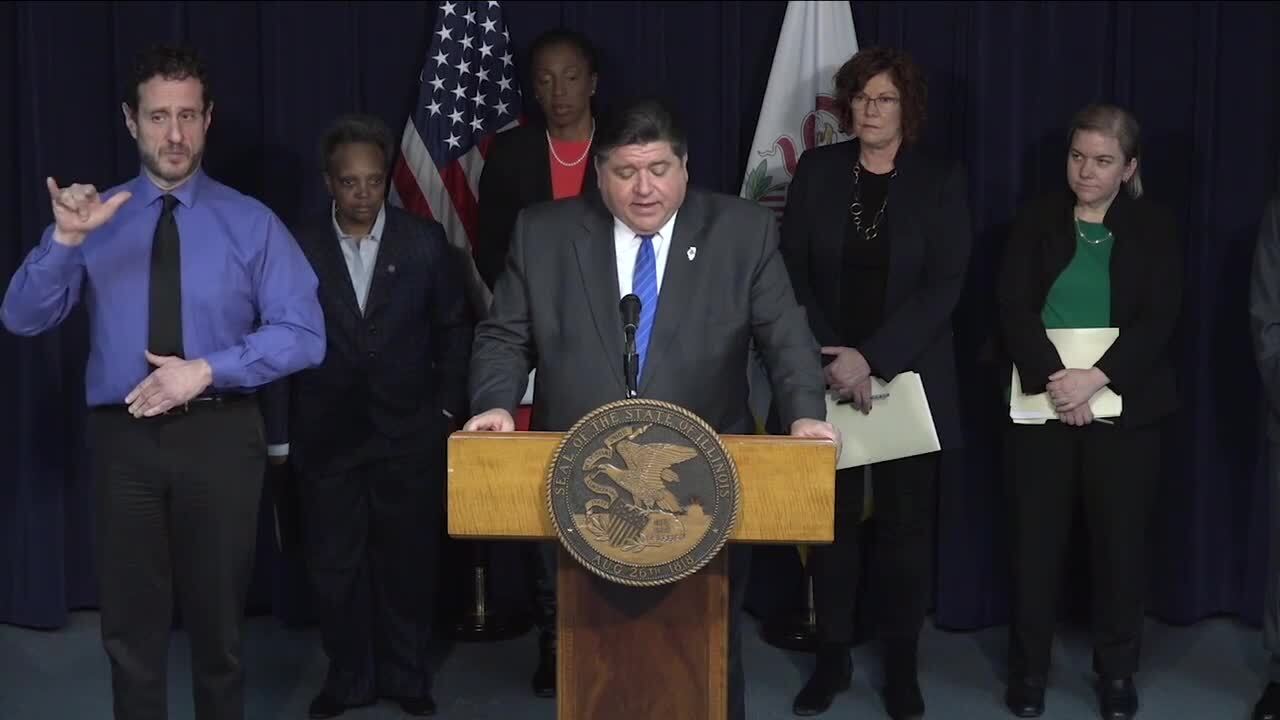
Gov. J.B. Pritzker said Tuesday he is committed to working to save as many lives as possible despite any disruption to the economy caused by the coronavirus.
“I want grandparents around to help raise their grandchildren,” Pritzker said. “I want people to spend years after this is over celebrating birthdays and wedding anniversaries and healthy retirements. I want Illinois to continue to be enriched by its young and its old residents alike.”
COVID-19 cases increase
As of Tuesday, the number of COVID-19, or corona virus disease 2019, cases increased to 1,535 statewide.
When asked about the timeline for when the number of cases would peak, Ezike said she could not make that prediction.
“It’s not wise for us to try to put timelines together,” Ezike said.
“We have models that we are using, predicting at least in the near future how we expect the cases to increase. It is that important information that we’re using to talk with our hospitals to figure out the surge capacity and what’s necessary,” she said.
“So part of it is dealing with the here and now making sure we can look out one week, two weeks. Again, the measures that we institute now, the measures that have been instituted by the governor, in terms of canceling mass gatherings, school closures and the shelter-at-home, all of those actually changing, hopefully, the trajectory.”
Pritzker, during his daily news conference, said he could not say yet whether the April 7 deadline for his stay-at-home order will be extended but he is concerned that he may have to order an extension of that deadline.
300 ventilators being sent to Illinois
Pritzker also said he is trying to avoid a “worst case scenario” in Illinois. As part of the effort to fight COVID-19, the respiratory disease caused by the novel coronavirus, he has asked people who have left the medical field to return to work. On Tuesday he said 180 people have already applied to return to work as doctors and nurses. The application process started on Monday.
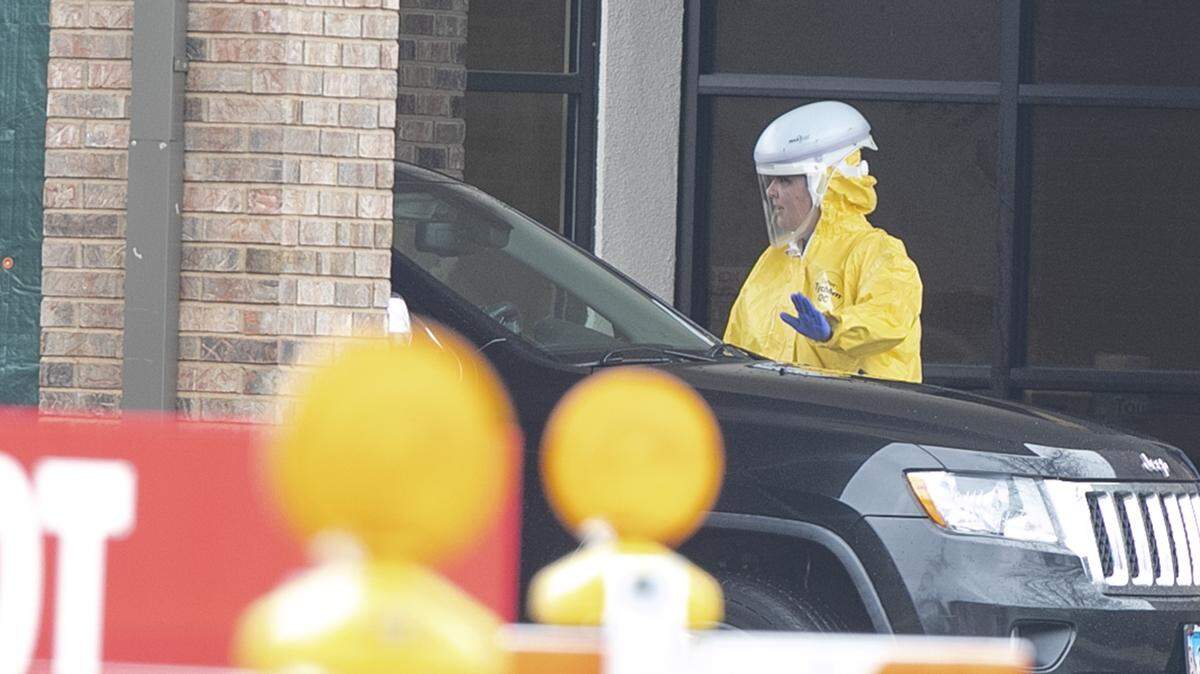
Illinois has three COVID-19 testing sites and now is processing about 2,000 cases each day, which is up from an initial daily total of 50, Pritzker said.
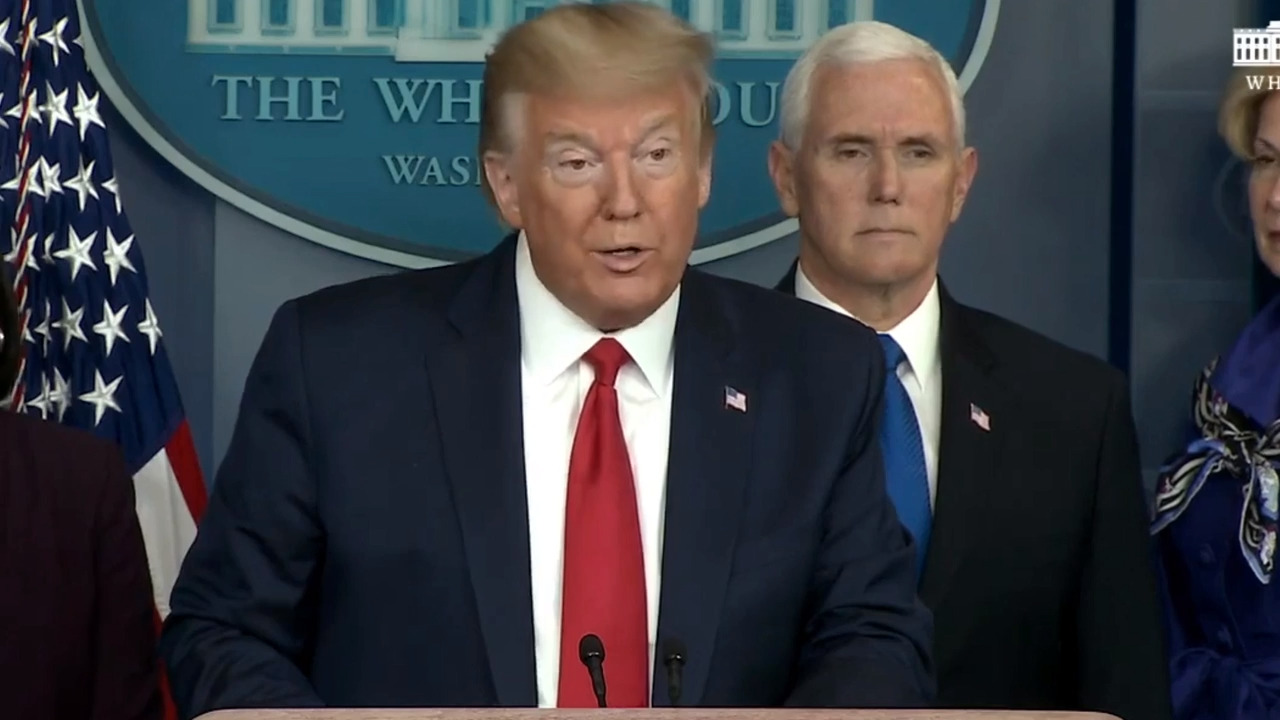
Hospitals in the state have 2,200 ventilators, with about 600 in use and 1,600 remaining available, the governor said. He added that he spoke to President Donald Trump on Monday and learned that the federal government will send 300 additional ventilators to Illinois. Doctors use ventilators to treat some COVID-19 patients.
Pritzker has issued a series of orders calling for Illinoisans to help fight the spread of the coronavirus that causes COVID-19.
The Democrat has ordered all public and private schools to remain closed and for all residents to shelter-in-place until April 7. All “non-essential” businesses have been ordered to shutter, including bars and restaurants with dine-in service. However, many businesses have been able to stay open.
You can still get carry-out orders from restaurants, shop for groceries and buy gas. Road construction crews can remain on the job, as well.
Illinois State Police announced Tuesday that law-enforcement officers will follow a six-step process in enforcing the stay-at-home order, with criminal charges being the final step.
Here are the steps law-enforcement officers can take, according to the Illinois State Police:
▪ Education about the order
▪ Verbal or written notice to comply
▪ Possible sanction from regulatory authorities that may oversee non-essential activity
▪ Civil liability
▪ Court ordered closure or quarantine
▪ Criminal charges
“Just help save lives and do everyone a solid -- stay at home,” the agency said in a Facebook post.
This story was originally published March 24, 2020 at 3:18 PM.